When budgeting for livestock containment, few variables are as volatile as the sheep hurdles price. For farm managers, these portable barriers are not merely expenses but critical infrastructure that dictates the efficiency of sorting, drafting, and health management.
The market currently sees a wide divergence in pricing based on material science—ranging from traditional galvanized steel to lightweight polymers. Understanding the correlation between structural integrity and long-term maintenance costs is essential to avoid the trap of low initial capital expenditure leading to high replacement frequency.
This analysis examines the technical drivers of pricing, the trade-offs between different hurdle specifications, and how to evaluate total cost of ownership within a professional sheep farming operation.


The baseline for any sheep hurdles price is determined by the raw material procurement and the subsequent treatment process. Galvanized steel remains the industry standard due to its balance of tensile strength and corrosion resistance. However, the thickness of the zinc coating (measured in microns) significantly alters the price point, as higher-grade galvanization prevents rust in humid or coastal environments.
Beyond steel, the industry has seen a shift toward reinforced polymers and aluminum alloys. While aluminum offers superior weight-to-strength ratios, its cost is substantially higher. Polymers reduce labor costs during setup but often require more frequent replacement in high-pressure sheep handling scenarios.
Durability is not solely a function of material but of engineering. The design of the interlocking mechanism—the pins and slots that connect hurdles—is a primary driver of both cost and utility. Precision-engineered joints reduce "rattle" and prevent sheep from pushing through gaps, which is critical for maintaining flock security during high-stress movements.
The gauge of the tubing also plays a pivotal role. Heavier walls resist bending under the weight of leaning livestock but increase the total weight and shipping costs. Manufacturers must balance the structural rigidity required for containment with the portability needed for field deployment.
Furthermore, the welding quality at the stress points determines the operational lifespan. Robotic welding ensures consistency across large batches, whereas manual welding may lead to variances in joint strength, potentially lowering the price but increasing the risk of structural failure over time.
When evaluating a quote, focusing on the initial purchase price is a common strategic error. The true cost of sheep containment is the amortized price per year of service, factoring in maintenance, repair, and the labor costs associated with deployment.
Long-term livestock equipment profitability is achieved when the cost of initial investment is balanced against the reduction in animal stress and labor hours during handling.
For instance, high-quality hurdles with smooth finishes and secure locks reduce the incidence of fleece tearing and animal injury. These "invisible" savings—reduced veterinary costs and maintained wool quality—often outweigh the premium paid for top-tier equipment.
Comparing the relative cost and performance of hurdle materials requires a qualitative index. While galvanized steel offers the most stable utility, lightweight aluminum and high-density polymers serve specific niches. The "Value Index" represents the intersection of lifespan, labor ease, and initial cost.
By analyzing these metrics, buyers can determine whether a higher upfront cost is justified by a decrease in operational friction. Steel generally provides the highest durability index, whereas polymers score highest in ease of deployment.
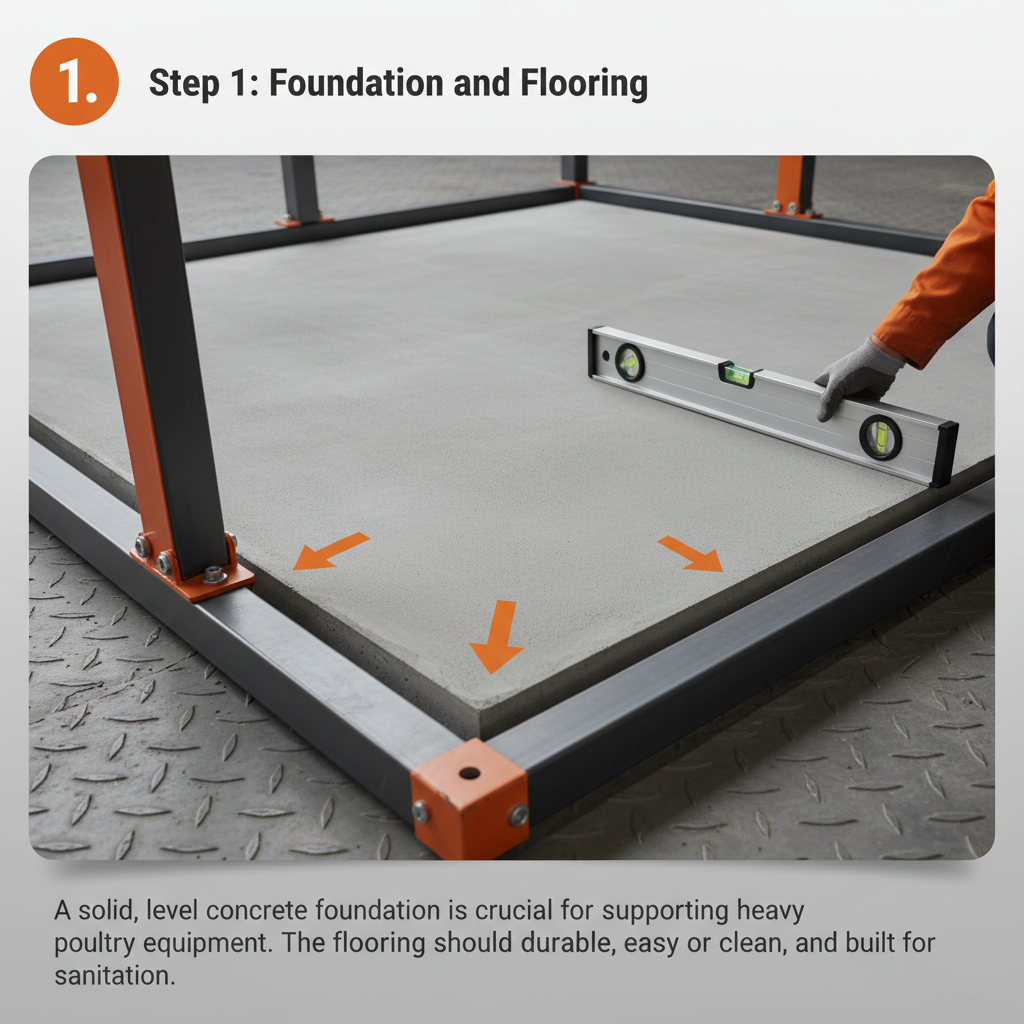
Selection depends heavily on the application. For permanent drafting alleys, heavy-duty galvanized steel is the only logical choice due to the constant pressure applied by the flock. In these settings, the durability of the flooring—such as the integration with a steel grating floor—becomes as important as the hurdles themselves to ensure hygiene and hoof health.
Conversely, for temporary dipping or vaccination pens in remote pastures, lightweight aluminum or polymer hurdles are preferred. The reduction in transport labor and the ability to move the barriers quickly across undulating terrain often justifies a different pricing structure, as the "cost of movement" becomes a primary operational expense.
The industry is moving toward integrated livestock systems. We are seeing a transition from standalone hurdles to modular ecosystems. For example, modern sheep farming equipment now emphasizes the seamless transition from containment barriers to automated feeding systems, reducing the time animals spend in high-stress transit zones.
Environmental regulations are also influencing material choices. There is a growing demand for non-toxic coatings and recyclable materials, as farms move toward sustainable certifications. This shift is introducing new cost variables related to "green" certifications and the procurement of sustainable raw materials.
Additionally, the integration of smarter locking mechanisms—which can be operated with a single hand—is becoming a standard requirement. While this increases the complexity of the hurdle's design and slightly raises the price, it significantly improves operator safety and speed.
To make an informed decision, buyers should employ a matrix that weighs material properties against their specific farm needs. A "cheap" hurdle that bends under the pressure of a stubborn ram is effectively more expensive than a premium barrier that lasts a decade.
Consider the environment: high-salinity air requires superior galvanization or stainless steel. High-traffic sorting areas require heavier wall tubing. By matching the specification to the stress level of the application, farmers can optimize their investment.
Ultimately, procurement should focus on the total system. Whether integrating hurdles with customized solutions for cattle or sheep, the goal is a fluid workflow that minimizes livestock stress and maximizes operator efficiency.
| Material Type | Relative Cost | Lifespan Index | Ideal Application |
|---|---|---|---|
| Galvanized Steel | Moderate | High | Permanent Pens / High Pressure |
| Aluminum Alloy | High | High | Field Work / Rapid Transport |
| HD Polymer | Low to Mid | Moderate | Short-term Sorting / Low Stress |
| Stainless Steel | Very High | Very High | Corrosive Environments / Medical |
| Powder Coated | Moderate | Moderate | Indoor Facilities / Aesthetics |
| Composite Mix | Moderate | Moderate | Hybrid Use / General Purpose |
The primary drivers are the raw material (steel vs. aluminum vs. polymer), the grade of corrosion protection (e.g., the thickness of the zinc coating in galvanization), the wall thickness of the tubing, and the precision of the interlocking joints. Manufacturing methods, such as robotic vs. manual welding, also impact the final cost and consistency of the product.
Steel is recommended for permanent or semi-permanent installations where high animal pressure is expected, as it offers superior structural rigidity. Polymers are ideal for temporary, lightweight setups where ease of transport is the priority and the animals are less likely to exert extreme force against the barriers.
Yes, typically. Premium hurdles reduce the total cost of ownership by extending the replacement cycle and decreasing labor hours due to better fitting joints. Furthermore, smooth finishes reduce livestock injuries and wool damage, which directly preserves the market value of the flock.
Depending on the environment and maintenance, high-quality galvanized steel hurdles can last 10 to 20 years. In highly corrosive environments, this may be shorter unless the galvanization grade is specifically upgraded or stainless steel is used.
Properly designed hurdles eliminate gaps where animals can get stuck and utilize rounded edges to prevent scrapes. A secure, rattle-free system also reduces the stress levels of the sheep, leading to calmer handling and better overall health outcomes during sorting processes.
Yes. Because hurdles are bulky and, in the case of steel, heavy, freight costs can be a substantial portion of the total invoice. Optimizing the order quantity to fill shipping containers or choosing a manufacturer with efficient logistics can significantly lower the effective per-unit price.
Navigating the complexities of sheep hurdles price requires a shift in perspective from "buying a product" to "investing in an operational asset." By prioritizing structural integrity, material suitability for the specific environment, and the long-term lifecycle of the equipment, farm managers can ensure their containment systems support rather than hinder productivity.
As the industry evolves toward more integrated and sustainable livestock husbandry, the value of precision-engineered equipment becomes even more apparent. Investing in high-quality, durable barriers today prevents the hidden costs of animal stress and equipment failure tomorrow.