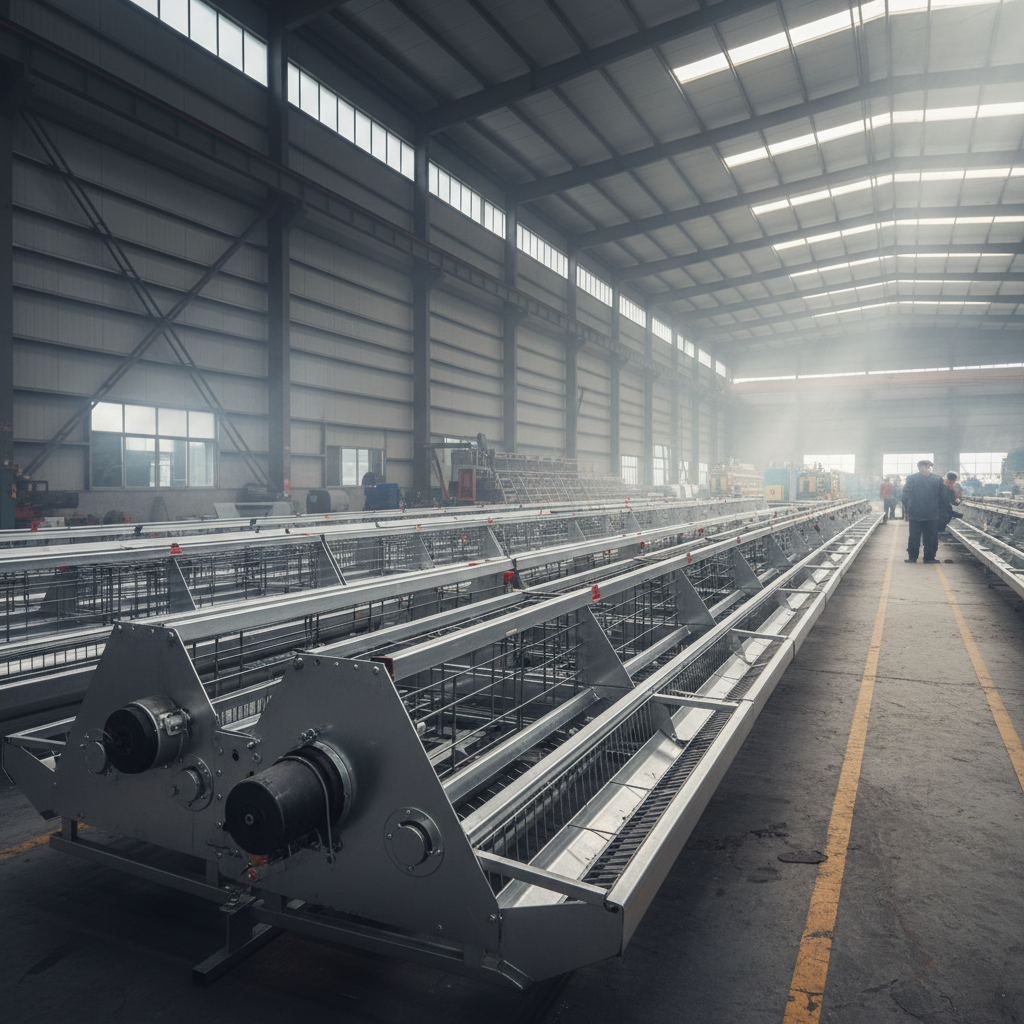
Modern livestock management requires a precise balance between animal welfare and operational efficiency. In the sheep farming sector, the ability to restrain animals safely for feeding and medical treatment is paramount to maintaining a healthy flock. Implementing a specialized restraint system ensures that each animal receives the necessary care without causing undue stress to the livestock or the handler.
Global agricultural trends are shifting toward intensification and precision farming, where specialized equipment plays a critical role in reducing labor costs and improving animal health outcomes. From ensuring equal access to nutrition to facilitating rapid epidemic prevention, the right infrastructure allows breeders to scale their operations while maintaining high standards of care.
Among the most effective tools for this purpose is the sheep headlock, a vital component in any professional sheep farming setup that streamlines feeding and management tasks.
Understanding the Role of Sheep Headlock Systems
A sheep headlock is a specialized restraint device designed to hold a sheep's head in a fixed position, primarily during feeding or medical examinations. By securing the animal's head, the system prevents livestock from pushing one another out of the feeding trough, ensuring that every sheep in the group has equitable access to feed.
Beyond nutrition, these systems are indispensable for breeder staff during treatment cycles. Whether it is for epidemic prevention or treating specific illnesses, the restraint provided by a high-quality headlock allows staff to administer vaccines or medications safely, reducing the risk of injury to both the animal and the operator.
Core Design and Material Specifications
The durability of restraint equipment is critical given the corrosive environment of a livestock house. Most high-grade restraint barriers and headlocks are fabricated from heavy-duty steel pipe or steel bars. To prevent rust and extend the service life of the equipment, these components undergo a hot-dip galvanizing process after welding, ensuring a thick, protective zinc coating.
Configuration options are typically divided between single-gate and double-gate designs. Single-gate systems offer a streamlined approach for basic feeding, while double-gate options provide enhanced control for more intensive management tasks. These designs are engineered to fit the anatomical dimensions of the sheep, preventing escape while avoiding excessive pressure on the animal's neck.
To enhance animal comfort and safety, professional systems include specialized components such as rubber covers for the gates. These covers reduce the impact of metal-on-skin contact, preventing bruising. Additionally, anti-unlock back plates and precision fasteners are integrated to ensure the system remains secure under the pressure of an active animal.
Functional Benefits for Feeding and Treatment
The primary operational advantage of using a sheep headlock is the elimination of competition at the feed bunk. In traditional open feeding, dominant animals often crowd out weaker ones, leading to uneven growth rates across the flock. The headlock enforces a disciplined feeding line, optimizing feed conversion ratios.
From a veterinary perspective, the sheep headlock transforms the process of medical intervention. Instead of wrestling an animal into a crush, breeders can treat sheep directly at the feeding station. This significantly reduces the stress levels of the livestock, which is known to improve recovery times and vaccine efficacy.
Furthermore, these systems allow for rapid individual examination. A breeder can quickly scan the flock for signs of illness or parasites while the animals are held in the sheep headlock, making it much easier to identify and isolate sick animals before a disease spreads through the entire facility.
Performance Analysis of Restraint Configurations
When choosing between different restraint styles, farmers must consider the balance between throughput and security. Single-gate systems are generally faster to operate, making them ideal for large-scale feeding operations where speed is the priority. Double-gate systems, conversely, provide superior stability for complex medical procedures.
The efficiency of these systems is often measured by the "stress-to-restraint" ratio. High-quality galvanized steel systems with rubber padding score significantly higher in animal welfare metrics compared to makeshift wooden or non-galvanized metal barriers.
Operational Efficiency of Sheep Headlock Types
Global Applications in Modern Sheep Farming
In intensive farming regions, such as Australia and New Zealand, the use of specialized restraint barriers is standard for managing large flocks. These systems are integrated into automated feeding lines, allowing a small number of staff to manage thousands of head of sheep with minimal physical exertion.
In European livestock systems, the focus often shifts toward strict animal welfare regulations. Here, the inclusion of rubber-coated gates and anti-unlock mechanisms in the headlock systems ensures compliance with regional laws regarding the humane treatment of livestock during restraint.
Integration with Broader Sheep Farm Equipment
The effectiveness of a restraint system is amplified when paired with a comprehensive suite of farming equipment. For instance, integrating headlocks with stainless steel water troughs ensures that sheep remain hydrated and calm while waiting for feed, further reducing restlessness within the pens.
Furthermore, the transition from the feeding area to the nursing area is critical. Using a combination of steel tube fencing and specialized lamb stalls with plastic grating floors protects the most vulnerable members of the flock. These floors keep lambs warm and dry, preventing the onset of foot rot and other respiratory diseases.
For larger facilities, combining headlocks with a structured fence and restraint barrier system—made from welded mesh, chain-link, or polyurethane screens—creates a seamless flow of animals. This holistic approach to farm design reduces the time spent on moving livestock and increases the time spent on productive care.
Long-Term Value and Maintenance Analysis
Investing in hot-dip galvanized equipment provides long-term financial value by drastically reducing replacement costs. While non-galvanized steel may be cheaper initially, the aggressive environment of a sheep house—characterized by moisture and organic acids—causes rapid corrosion, leading to structural failure and potential injury to the animals.
Maintenance for these systems is relatively simple but essential. Regular checks of the fasteners and the integrity of the rubber covers ensure the system continues to operate smoothly. Because these components are modular, worn-out rubber pads or locking pins can be replaced without needing to overhaul the entire barrier.
Ultimately, the return on investment (ROI) is realized through improved animal health and labor savings. By reducing the labor required for treatment and ensuring optimal growth through disciplined feeding, the headlock system pays for itself through increased productivity and reduced veterinary costs.
Comparative Analysis of Sheep Restraint System Materials
| Material Type |
Durability Score (1-10) |
Corrosion Resistance |
Initial Cost |
| Hot-Dip Galvanized Steel |
10 |
Excellent |
Moderate |
| Powder Coated Steel |
7 |
Good |
Moderate |
| Stainless Steel |
9 |
Superior |
High |
| Untreated Mild Steel |
4 |
Poor |
Low |
| PVC-Coated Mesh |
6 |
High |
Moderate |
| Reinforced Plastic |
5 |
Excellent |
Moderate |
FAQS
Single-gate systems are designed for high-efficiency feeding, allowing animals to enter and exit quickly. Double-gate systems provide more robust restraint, which is essential for veterinary procedures, vaccinations, and detailed health examinations where the animal must be held completely still to ensure safety and precision.
Hot-dip galvanizing involves coating the steel in a layer of molten zinc. This creates a metallurgical bond that protects the underlying steel from oxygen and moisture. In the harsh environment of a sheep farm, this prevents rust and corrosion, extending the life of the headlocks and barriers by several years compared to painted or untreated steel.
Yes, provided the equipment is sized correctly. Our systems are designed based on standard sheep anatomy. The addition of rubber covers on the gates further ensures that animals of various sizes and temperaments are not injured during the restraint process, maintaining a high standard of animal welfare.
Absolutely. We provide OEM services for both fences and their components. Whether you need specific dimensions for your feeding troughs or customized mesh types (such as welded or chain-link) for your restraint barriers, the systems can be tailored to fit the exact architectural requirements of your sheep house.
By allowing staff to examine each animal individually without the stress of chasing or wrestling, headlocks facilitate early detection of illness. They also allow for the rapid and safe administration of vaccines to the entire flock, which is critical for preventing the spread of epidemics in intensive farming environments.
Maintenance is minimal. It primarily involves periodically checking the fasteners to ensure they remain tight and inspecting the rubber gate covers for wear and tear. Because the system is hot-dip galvanized, there is no need for regular painting or rust-treatment, making it a very low-maintenance investment.
Conclusion
The implementation of a professional sheep headlock system is a strategic investment that bridges the gap between animal welfare and farm productivity. By ensuring equitable feeding, simplifying medical treatments, and utilizing durable, galvanized materials, breeders can significantly reduce operational stress and labor costs while improving the overall health and growth of their flock.
As the livestock industry continues to evolve toward precision agriculture, the integration of high-quality restraint and feeding equipment will remain a cornerstone of successful sheep farming. We recommend that breeders prioritize durability and animal safety by choosing galvanized, rubber-padded systems to ensure long-term sustainability. Visit our website for more professional solutions: www.cxlivestock.com