The livestock management industry is constantly evolving to prioritize animal welfare and operational efficiency, making the implementation of specialized restraint systems a global priority. Among these, the sheep head lock serves as a critical tool for farmers to ensure safe handling during veterinary checks, vaccinations, and routine inspections. By providing a secure yet stress-free way to stabilize animals, these systems reduce the risk of injury to both the livestock and the farm operators.
From a global economic perspective, the efficiency of livestock handling directly impacts the productivity of sheep farming. In regions with massive flocks, such as Australia, New Zealand, and parts of Europe, the adoption of standardized restraint equipment is essential for maintaining health protocols. Without reliable systems to hold animals in place, the time required for medical interventions increases, potentially leading to higher labor costs and increased animal stress, which can negatively affect meat and wool quality.
Modern farming requires a balance between industrial scalability and humane treatment. Integrating a high-quality sheep head lock into a facility's design allows for a more streamlined workflow, ensuring that each animal receives precise care without the chaos of traditional herding methods. This transition toward precision livestock farming is not just about convenience, but about enhancing the overall sustainability of the agricultural supply chain.
Global Industry Context of Sheep Head Lock
The global livestock sector is under increasing pressure to meet stringent animal welfare standards, often governed by ISO guidelines and national agricultural policies. The use of a sheep head lock is a direct response to these requirements, as it allows farmers to perform critical health tasks without the need for aggressive physical restraint. By standardizing the way sheep are held, farms can reduce the incidence of bruising and stress-induced illness.
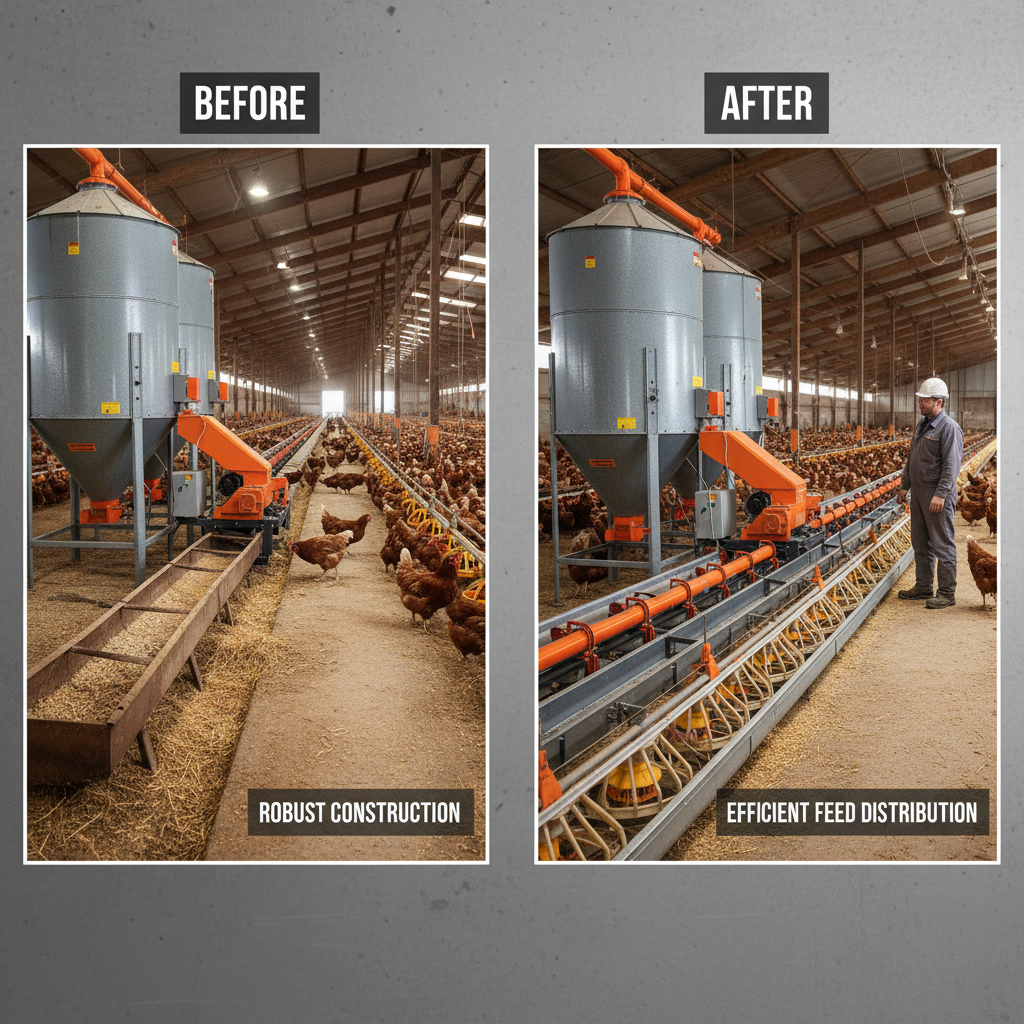
Moreover, the integration of these locks into automatic feeding and housing systems creates a synergy that optimizes labor. In an era where rural labor shortages are becoming a global trend, automating the process of animal capture through specialized head locks ensures that a single operator can manage a larger flock more effectively. This systemic improvement is vital for maintaining the viability of sheep farming in competitive international markets.
Defining the Sheep Head Lock and Its Meaning
A sheep head lock is a mechanical restraint device designed to safely hold a sheep's head in a fixed position while allowing the animal to remain standing. Unlike traditional chutes or manual holding, the lock engages quickly and releases easily, typically through a lever mechanism. This prevents the animal from backing out or twisting, which is essential for procedures such as ear tagging, hoof trimming, or administering oral medications.
Beyond the mechanical function, these devices represent a shift toward "low-stress livestock handling" (LSLH). By minimizing the struggle and fear associated with restraint, the sheep head lock helps maintain a lower heart rate and reduced cortisol levels in the animal. This humane approach is increasingly demanded by consumers who prioritize ethically raised meat and wool products.
In the broader context of modern agriculture, these locks are often part of a larger ecosystem of equipment, including feeding troughs and specialized flooring. Their meaning extends from being a simple piece of hardware to being a cornerstone of biosecurity and health management, enabling rapid response to disease outbreaks through efficient, individual animal screening.
Core Components and Key Factors
The effectiveness of a sheep head lock depends heavily on the quality of its materials and the ergonomics of its design. Durability is the foremost factor, as the equipment must withstand constant exposure to moisture, animal waste, and the physical force of a struggling animal. Most high-end locks are constructed from galvanized steel or reinforced alloys to prevent rust and structural failure over time.
Another critical aspect is the "precision of fit." Because sheep vary in size and breed, a versatile sheep head lock must be adjustable or designed with a universal geometry that prevents the animal's neck from slipping through or being pinched. This focus on anatomical alignment ensures that the animal remains secure without experiencing unnecessary pressure or pain.
Finally, ease of operation is essential for the farmer. A lock that requires too much effort to engage or release becomes a bottleneck in the workflow. Modern designs emphasize a "single-motion" release mechanism, allowing the handler to free the animal instantly, which is a key safety feature if an animal becomes overly distressed or if an emergency occurs during the procedure.
Global Applications and Use Cases
Across different geographic regions, the application of the sheep head lock varies based on the scale of the operation. In large-scale industrial farms in North America, these locks are often integrated into automated feeding lines. As the sheep move forward to eat, the lock can be engaged to allow for rapid-fire vaccinations or weight checks without moving the animal out of its feeding area.
In more remote or mountainous regions, such as the highlands of Turkey or the Andes, portable or modular head locks are utilized during seasonal gathering. These allow small-scale farmers to perform essential veterinary care in temporary pens, bringing the benefits of professional restraint to areas where permanent infrastructure is not feasible.
Performance Comparison of Sheep Head Lock Types
Advantages and Long-Term Value
The primary advantage of implementing a sheep head lock is the dramatic increase in worker safety. Livestock can be unpredictable, and the risk of head-butting or sudden lunges is high during medical procedures. By securing the animal's head, the handler can focus entirely on the task at hand, reducing workplace injuries and the psychological stress associated with handling erratic animals.
From a long-term value perspective, these systems pay for themselves through improved animal health outcomes. When procedures are performed quickly and accurately, the likelihood of infection or improper administration of medication decreases. Furthermore, the ability to maintain precise records for individual sheep—made possible by the ease of identification provided by these locks—increases the overall market value of the flock through better traceability.
Future Trends and Innovations
The future of animal restraint is leaning heavily toward the digital transformation of the farm. We are seeing the emergence of "smart" sheep head locks that integrate sensors to monitor the animal's head position or frequency of feeding. These IoT-enabled devices can alert a farmer via a smartphone app if a sheep has not entered its lock for a set period, acting as an early warning system for illness.
Sustainability is also driving material innovation. Research is currently focused on developing high-strength, recycled composite materials that offer the same durability as galvanized steel but with a lower carbon footprint and better corrosion resistance. These eco-friendly materials will help farms reduce their environmental impact while maintaining high operational standards.
Automation will continue to scale, with pneumatic and hydraulic systems becoming more affordable for mid-sized farms. The goal is a fully integrated system where the sheep head lock coordinates with automatic weighing scales and electronic ID scanners, creating a completely touchless data collection process that eliminates human error and maximizes throughput.
Challenges and Solutions in Implementation
One of the most common challenges is the initial cost of upgrading old facilities to include modern restraint systems. For many smallholders, the capital expenditure for a full suite of sheep head locks can be daunting. The solution lies in modular implementation—starting with a few key stations and expanding as the efficiency gains provide the necessary return on investment.
Another issue is the "learning curve" for the animals. Some sheep may be hesitant to enter a locking mechanism they are not familiar with. Expert handlers suggest a gradual introduction process, using positive reinforcement and feed lures to associate the lock with a reward, thereby reducing anxiety and ensuring a smooth transition to the new system.
Maintenance is the final hurdle; debris and rust can jam the locking mechanisms over time. The most effective solution is a preventative maintenance schedule, involving regular lubrication of moving parts and the use of anti-corrosive coatings. By treating these locks as critical infrastructure rather than simple accessories, farmers can extend the lifespan of their equipment to over a decade.
Comparison of Implementation Strategies for Sheep Head Lock Systems
| Strategy Type |
Initial Cost |
Labor Efficiency |
Animal Stress Level |
| Manual Modular |
Low |
Moderate |
Moderate |
| Fixed-Line Steel |
Medium |
High |
Low |
| Pneumatic Auto |
High |
Very High |
Very Low |
| Portable Kits |
Low |
Low |
Moderate |
| IoT Integrated |
Very High |
Maximum |
Minimum |
| Traditional Chute |
Medium |
Moderate |
High |
FAQS
Unlike traditional methods that may involve forceful pushing or tying, a sheep head lock provides a stable, predictable environment. It minimizes the need for physical struggle, which reduces the animal's stress levels and prevents bruising. By allowing for quicker procedures, the animal spends less time in restraint, which is a core principle of humane livestock handling.
For high-humidity areas, hot-dip galvanized steel or high-grade stainless steel is highly recommended. These materials create a protective barrier against moisture and animal acids, preventing rust and ensuring the locking mechanism does not jam. In some cases, PVC-coated steel is used to add an extra layer of protection and reduce the coldness of the metal against the animal's skin.
Yes, many sheep head lock systems are designed as modular additions. Depending on the trough's material, they can be bolted or welded into the existing frame. It is important to ensure that the spacing between locks matches the average shoulder width of the flock to prevent animals from crowding or getting stuck.
A quarterly maintenance schedule is generally sufficient. This should include cleaning out debris from the pivot points, applying a livestock-safe lubricant to the levers, and inspecting for any signs of structural fatigue or rust. Regular checks ensure the "quick-release" function remains operational, which is critical for safety.
While extremely rare with professional equipment, injury can occur if the lock is poorly sized or installed incorrectly. High-quality locks are designed with rounded edges and anatomical clearances to prevent pinching. Proper installation and choosing the correct size for your specific breed are the best ways to eliminate these risks.
Pneumatic or electric systems typically require a professional installation to ensure safety and compliance with farm electrical codes. However, many manufacturers now offer "plug-and-play" kits that simplify the process. We recommend consulting a technician to integrate the locks with your existing automatic feeding or sorting systems.
Conclusion
The implementation of a sheep head lock is more than just a technical upgrade; it is an investment in the safety, health, and efficiency of the entire farming operation. By combining durable materials with an understanding of animal behavior, these systems bridge the gap between industrial productivity and humane livestock management. From reducing worker injury to enhancing the precision of veterinary care, the value of a reliable restraint system is evident across every stage of the production cycle.
As the industry moves toward greater automation and IoT integration, the role of specialized equipment will only grow in importance. Farmers who adopt these innovations today will find themselves better positioned to meet the evolving demands of global animal welfare standards and market transparency. For those looking to optimize their facility, we recommend exploring a modular approach to integrate these essential tools. Visit our website: www.cxlivestock.com