Understanding the 40 Bushel Hog Feeder: A Global Overview
When it comes to modern hog farming, the 40 bushel hog feeder isn’t just a piece of equipment—it’s a vital cornerstone of efficient livestock management around the world. This feeder’s capacity and design simplify feeding schedules, minimize waste, and ultimately help producers meet rising pork demands in a sustainable manner. Globally, as pork remains one of the most consumed meats (accounting for over 35% of meat consumption worldwide according to the FAO), understanding how feeders like these enhance production is key for farmers, agribusinesses, and even supportive NGOs focusing on food security.
Why does knowing about such a specialized feeder matter worldwide? Because innovation in feeding methods affects everything — from resource use and animal welfare to economic returns and environmental impact. Plus, as global populations grow and protein demand surges, scalable tools like 40 bushel hog feeders offer a practical, tangible solution to increase output without exponentially increasing inputs.
Setting the Stage: The Global Context of Hog Feeding
Pig farming is a major contributor to many economies, ranging from huge industrial operations in the US and China to smallholder farms in parts of Southeast Asia and Eastern Europe. According to the United Nations Food and Agriculture Organization (FAO), pork constitutes the world’s most widely eaten meat, with production predicted to increase steadily over the next decade. But with growing environmental pressures and concerns over efficient feed utilization, the classic problem remains: How do farmers optimize feed delivery to pigs without wasting resources?
Enter the 40 bushel hog feeder — a robust, capacity-specific device that streamlines feed use. In many developing economies, inefficient feeding leads to considerable losses and reduced profitability. In industrial settings, overfeeding or feed wastage not only hits margins hard but also escalates environmental footprints. Hence, this feeder size hits a sweet spot: big enough for medium to large herds but still manageable and cost-effective.
It’s a solution carved from necessity, informed by decades of animal behavior studies, feed technology research, and practical farming challenges.
Defining the 40 Bushel Hog Feeder
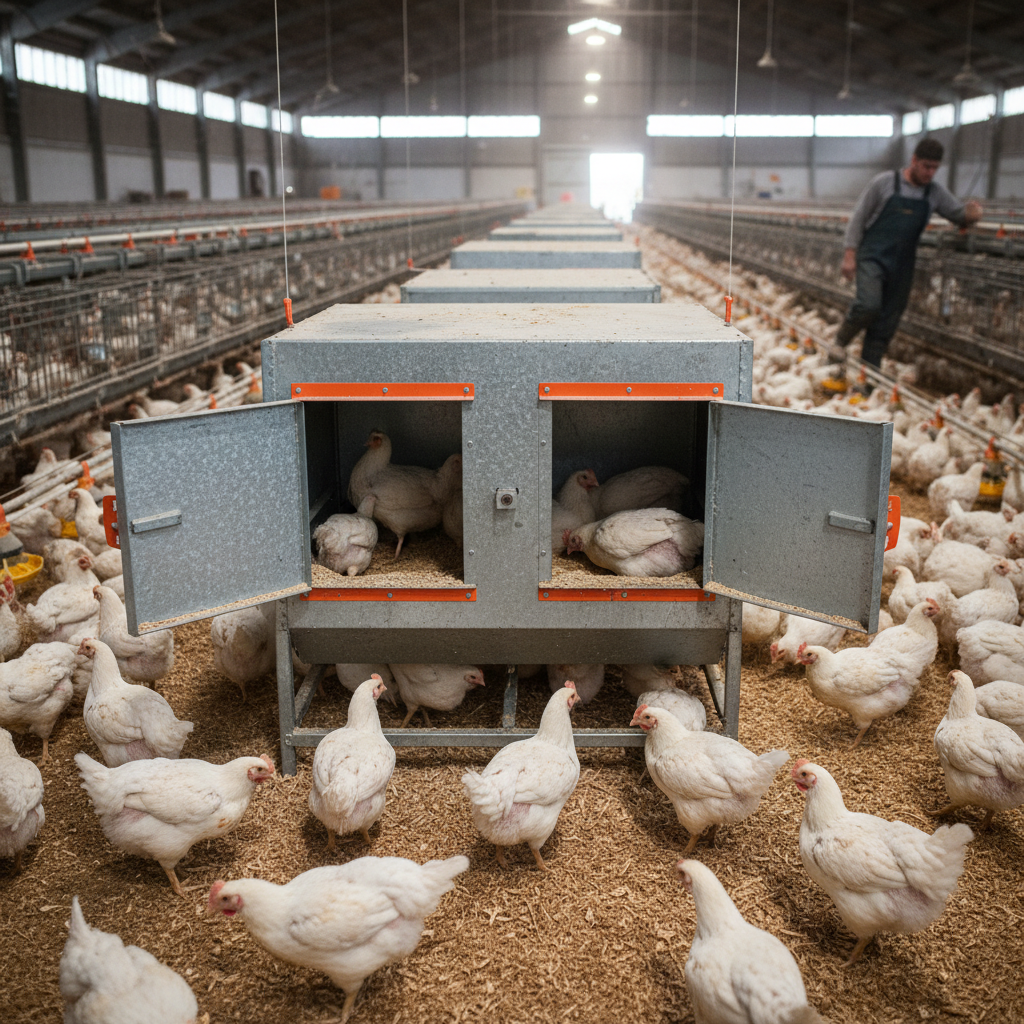
Simply put, a 40 bushel hog feeder is a feeding apparatus capable of holding 40 bushels (approximately 1,400 liters or 50 cubic feet) of feed designed to accommodate hog feeding in a controlled manner. It typically features gravity-fed mechanisms allowing pigs continuous yet regulated access to dry feed, minimizing overflow and spillage.
Why “40 bushel,” you ask? The size corresponds to feeding capacity suited for herds typically ranging from 25 to 50 pigs, depending on growth stage and feeding routines. The feeder’s design is strongly tied to modern hog farming industry demands—helping create balance between resource input and animal growth trajectory. This synergy supports not only productivity but also animal welfare and farm sustainability efforts.
Key Aspects of the 40 Bushel Hog Feeder
1. Durability and Material Quality
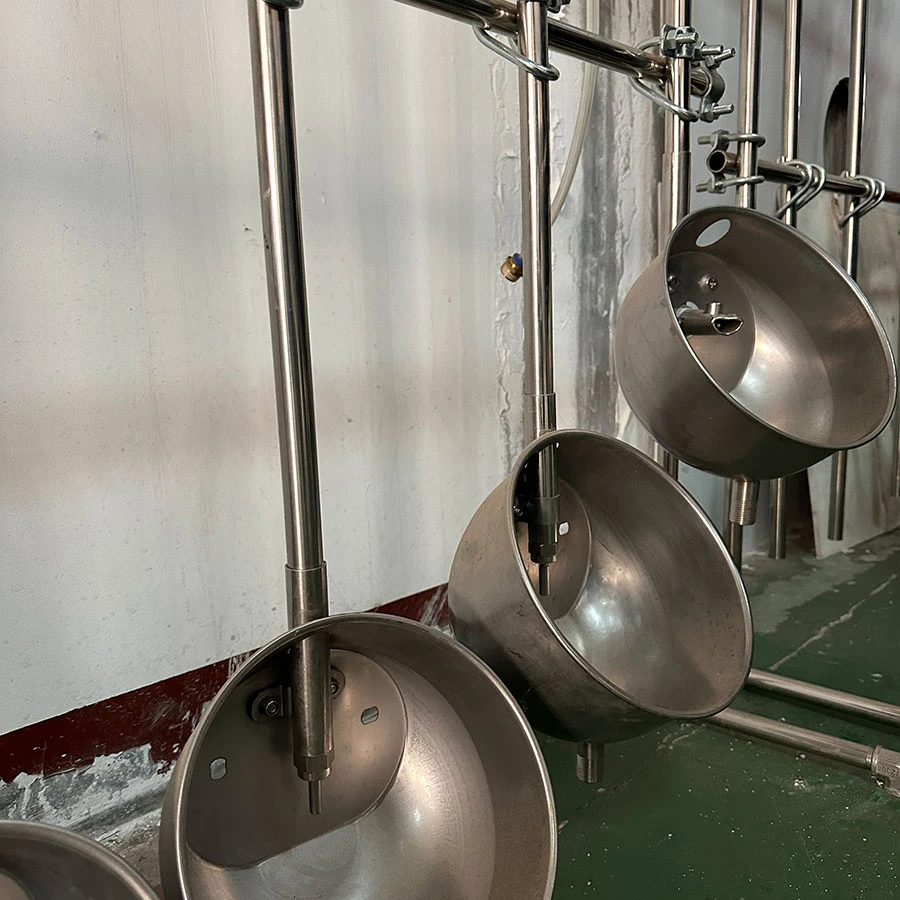
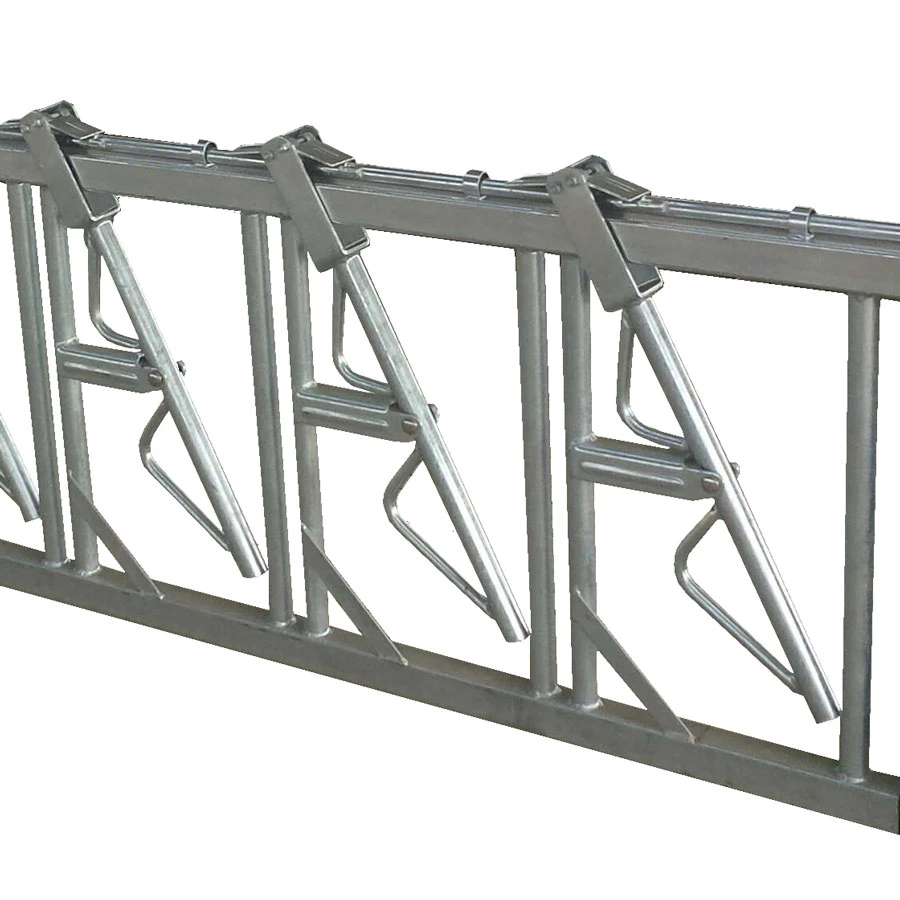
Most 40 bushel feeders are made of galvanized steel or heavy-duty plastic to withstand rough farm environments and weather exposure. Durability ensures longevity even under continuous outdoor use, reducing replacement costs and downtime.
2. Feed Efficiency
With a gravity or troth feeding mechanism, the 40 bushel feeder controls feed flow, reducing waste. This translates to lower feed costs since less feed gets wasted by spilling or contamination — a chronic problem for hog farmers worldwide.
3. Animal Safety and Comfort
Feeders feature smooth edges and rounded corners to prevent injuries. Accessibility allows multiple hogs to feed simultaneously, reducing stress and promoting natural feeding behaviors which improve weight gain efficiencies.
4. Capacity and Scalability
The 40 bushel capacity suits medium-sized operations but can be combined or adjusted within broader feeding networks for larger farms. This scalability lends flexibility to meet various production goals without purchasing multiple smaller feeders or huge industrial ones.
5. Cost Efficiency
Compared to larger automated systems, 40 bushel feeders offer a practical compromise between volume and cost, making them attractive to both commercial and small-holder farmers.
Real-World Applications of 40 Bushel Hog Feeders
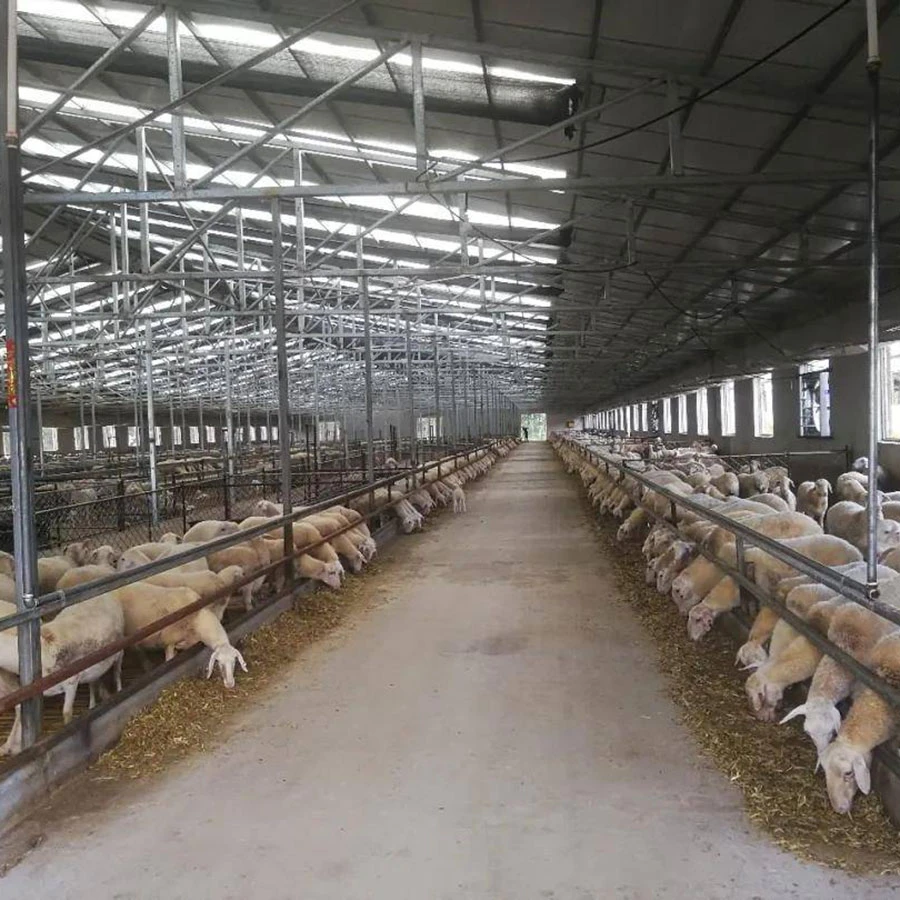
From the heartlands of the U.S. Midwest to emerging pig farms in Vietnam and Kenya, this feeder type finds diverse applications:
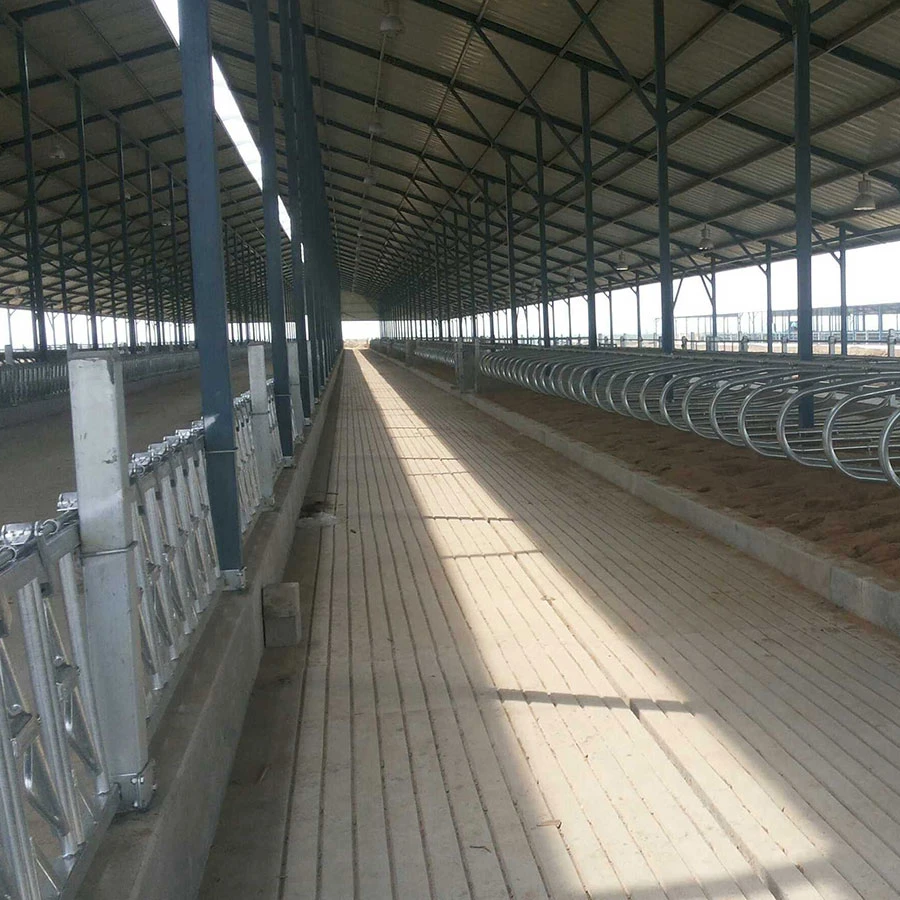
- Commercial hog farms: Large producers use these feeders for nursery pigs and grow-to-finish phases.
- Smallholder farms: In developing countries, the 40 bushel feeder optimizes local feeding, supporting food security and livelihoods.
- Research facilities: Universities and agroveterinary centers employ these feeders to standardize feed delivery during trials.
- Disaster relief efforts: In emergency livestock programs, these feeders support quick deployment of sustainable pig farming initiatives.
For example, a recent project in Eastern Europe showed how switching from makeshift feeders to standardized 40 bushel models improved feed uptake by 15%, boosting growth rates and farmer incomes.
Product Specifications at a Glance
| Specification | Details |
|---|---|
| Capacity | 40 Bushels (~1400 L / 50 ft³) |
| Material | Galvanized Steel or High-Density Polyethylene |
| Weight | Approx. 60-70 lbs (27-32 kg) |
| Designed Herd Size | 25-50 hogs |
| Dimensions (L×W×H) | 55" × 30" × 30" (140cm × 76cm × 76cm) |
| Feed Type | Dry Pelleted / Ground Feed |
Vendor Comparison: Choosing the Right 40 Bushel Hog Feeder
| Brand | Material | Price Range (USD) | Warranty | Unique Feature |
|---|---|---|---|---|
| FarmPro | Galvanized Steel | $130-$170 | 5 Years | Corrosion-resistant coating |
| AgriEase | High-Density Polyethylene | $150-$190 | 3 Years | UV-protected, lightweight |
| HogTech | Galvanized Steel + Plastic Trays | $165-$210 | 7 Years | Modular design; easy to clean |
Why a 40 Bushel Hog Feeder Makes a Difference
From a practical standpoint, this feeder reduces feed waste, which can make or break the profitability of hog farming ventures. Farmers often say that every pound of feed saved is money back in their pocket—and let's not forget the environmental wins from less wasted grain running into runoff or spoiling where it shouldn't.
Emotionally, reliable feeders build trust in one's ability to provide quality care for animals and reduce stress on staff. Longevity and ease of maintenance mean fewer interruptions, less emergency spending, and that satisfying feeling of equipment working alongside the farmer, not against them.
Looking Ahead: Innovations and Trends in Hog Feeding
Technology is slowly but surely creeping into hog feeders. Smart feeders with sensors to monitor consumption patterns, controlled portion release, and even integration with farm management software are emerging. Some companies are experimenting with eco-friendly materials or solar-powered automated feeders, which could be game-changers in off-grid or developing areas.
Plus, the global trend toward precision livestock farming means tools like the 40 bushel feeder will be adapted with more data-driven features to optimize performance and sustainability simultaneously.
Common Challenges & How They're Addressed
- Issue: Feed bridging or clogging in humid environments.
Solution: Designs with adjustable angles and anti-clogging features reduce blockages. - Issue: Corrosion in outdoor use.
Solution: Use of galvanized steel, powder coatings, or plastics. - Issue: Animal over-competition at feeding edges.
Solution: More feeding ports and rounded edges for simultaneous feeding.
FAQ: Answers to Common 40 Bushel Hog Feeder Questions
- Q: Can the 40 bushel hog feeder be used for piglets as well as adult hogs?
- A: While primarily designed for grower and finishing pigs, with some adjustment of feed type and feeder height, it can accommodate piglets. However, specialized piglet feeders might better suit very young animals' dietary needs and access.
- Q: Are these feeders compatible with automated feeding systems?
- Yes. Many modern 40 bushel feeders can be integrated with feed conveyance systems or retrofitted with sensor controls, making them suitable for semi or fully automated farms.
- Q: How do I maintain the feeder to ensure longevity?
- Regular cleaning (at least weekly), checking for corrosion, and ensuring feed remains dry are key steps. Protective coatings and storing feeders under shelter extends life significantly.
- Q: Is it easy to transport these feeders between farm sites?
- Given their size and weight, 40 bushel feeders are manageable with standard farm equipment like forklifts or trucks. Some models feature removable legs or modular parts, easing transport.
Wrapping Up: Why the 40 Bushel Hog Feeder Still Matters
To wrap things up, the 40 bushel hog feeder offers a practical, cost-effective, and sustainable answer to one of livestock farming’s perennial challenges: feeding pigs efficiently. Its thoughtful design reduces waste and improves animal health, ultimately empowering farmers to grow their herds responsibly and profitably.
If you’re a farmer, an agri-business, or just someone fascinated by how smart design can transform agriculture, I recommend checking out a trusty 40 bushel hog feeder. It might sound like a simple commodity, but it’s really a small hero in the global food system.
Thanks for sticking around — these feeders are more than a trough of feed; they’re a way to sustain farms and futures alike.
References
Post time: Dec . 02, 2025