The Slotted Floor: A Quiet Revolution in Industrial Flooring
When you first hear the term slotted floor, you might picture something specialized and high-tech, but honestly, these floors have been quietly transforming industries and facilities worldwide for decades. From improving hygiene in livestock barns to advancing efficiency in manufacturing plants, the significance of slotted flooring goes beyond just structural innovation — it touches global challenges like sustainability, animal welfare, and even disaster relief.
Globally, the flooring solutions market is expanding, with industrial floors projected to grow by roughly 6% annually according to recent ISO and World Bank reports. With environmental impacts and operational cost-efficiency becoming major priorities, the slotted floor’s role is only increasing — and understanding its benefits is practically a necessity for companies looking to future-proof their operations.
Why Slotted Floors Matter Globally
It’s easy to overlook flooring when thinking about global economic or humanitarian challenges — but floors are where operations literally stand. According to UN habitat data, poor floor drainage and hygiene contribute to health hazards in agricultural and emergency settings every year. Yet, slotted floor systems offer practical answers.
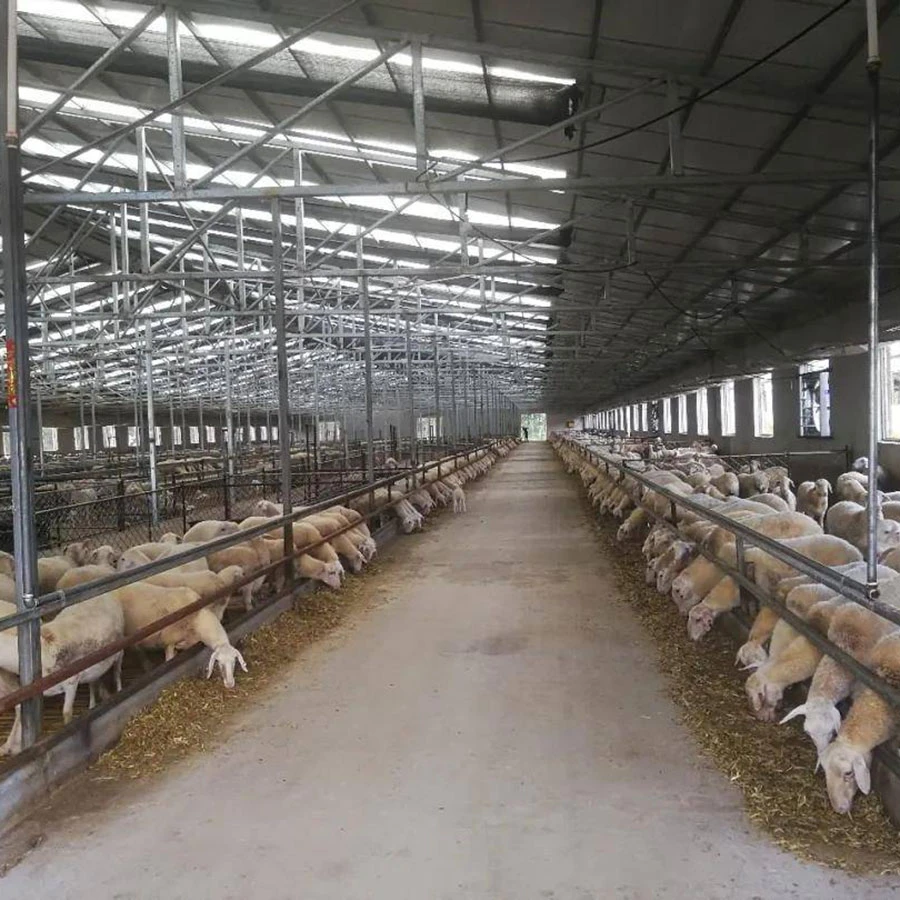
In livestock farming, for instance, the Food and Agriculture Organization (FAO) highlights the need for clean, ventilated flooring that reduces contamination and improves animal comfort. Similarly, disaster relief organizations seek rapidly adaptable flooring systems to ensure sanitation and safety in temporary shelters. The slotted floor addresses both problems by allowing efficient drainage, aeration, and easy cleaning.
Defining the Slotted Floor
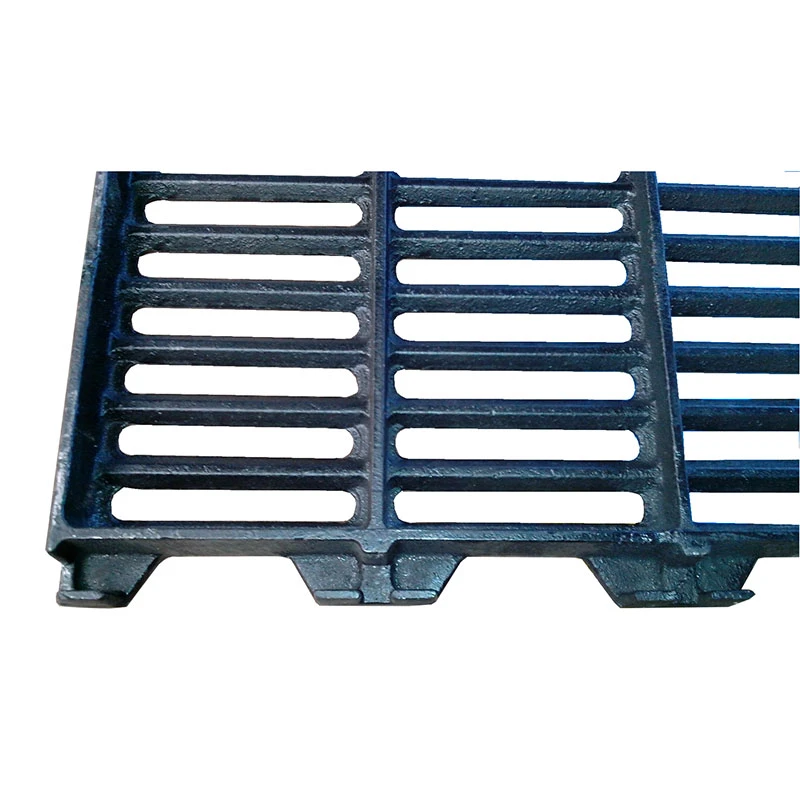
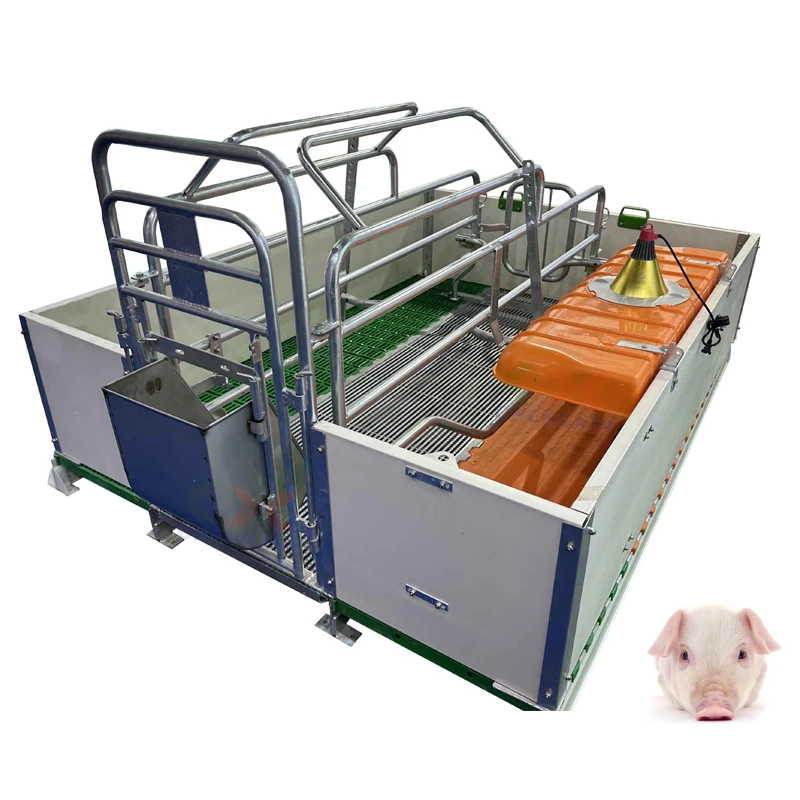
At its core, a slotted floor is simply a floor system made up of panels or slabs with regularly spaced openings (slots). These slots let liquids, waste, or debris pass through while providing a strong surface above. Usually crafted from materials like steel, reinforced concrete, or composite plastics, these floors balance strength, hygiene, and ventilation.
In many ways, the slotted floor is a foundational solution across modern industries — combining practicality with sustainability. Its presence in humanitarian shelters, food processing plants, and intensive farming setups makes it a quiet workhorse for balanced environments.
Core Components of a Slotted Floor System
Durability
Strong materials like galvanized steel and fiber-reinforced concrete ensure that slotted floors withstand heavy loads from livestock or machinery. They resist corrosion and mechanical stress, which is especially important for facilities operating year-round.
Drainage and Hygiene
The slots enable fluids and organic matter to drain away quickly, minimizing odor and bacterial growth. Cleanability is much easier; water or disinfectants flow through naturally, saving labor and reducing disease risks.
Scalability and Customization
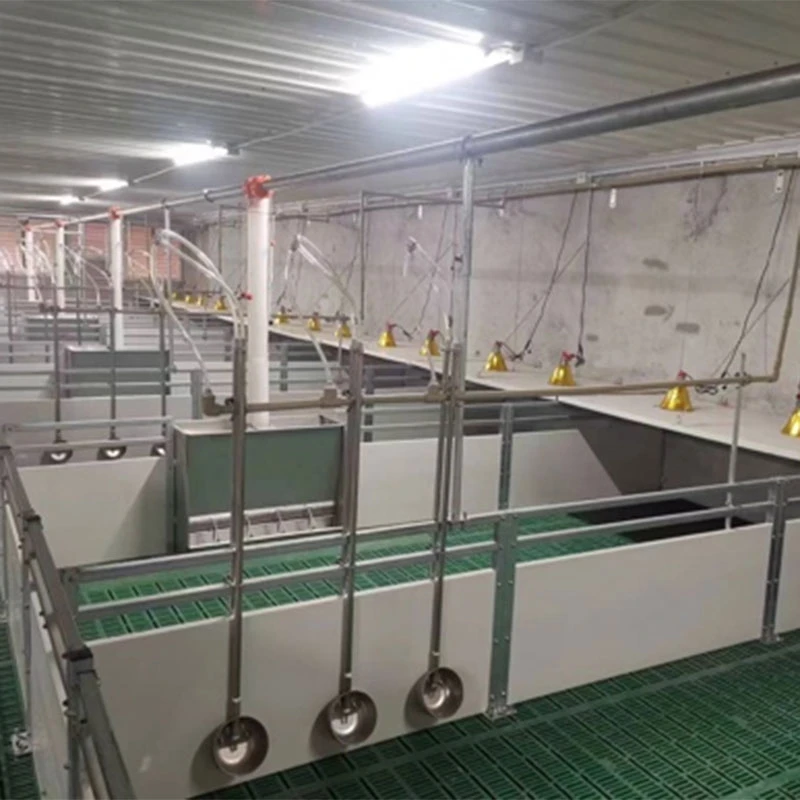
Modular designs allow installation from small-scale setups to massive industrial floors. Slot dimensions and spacing vary depending on use—say, wider for piglets to prevent injury, narrower for adult cattle.
Cost Efficiency
This isn’t always the cheapest flooring upfront but cuts costs through improved animal health, less maintenance, and energy savings in ventilation. Many agricultural economists tout the long-term savings realized by switching to slotted floors.
Environmental Impact
Less water is required for cleaning, and waste collection is more straightforward — reducing pollution risks. Some manufacturers even use recycled plastics or energy-efficient production methods.
Real-World Applications of Slotted Floors
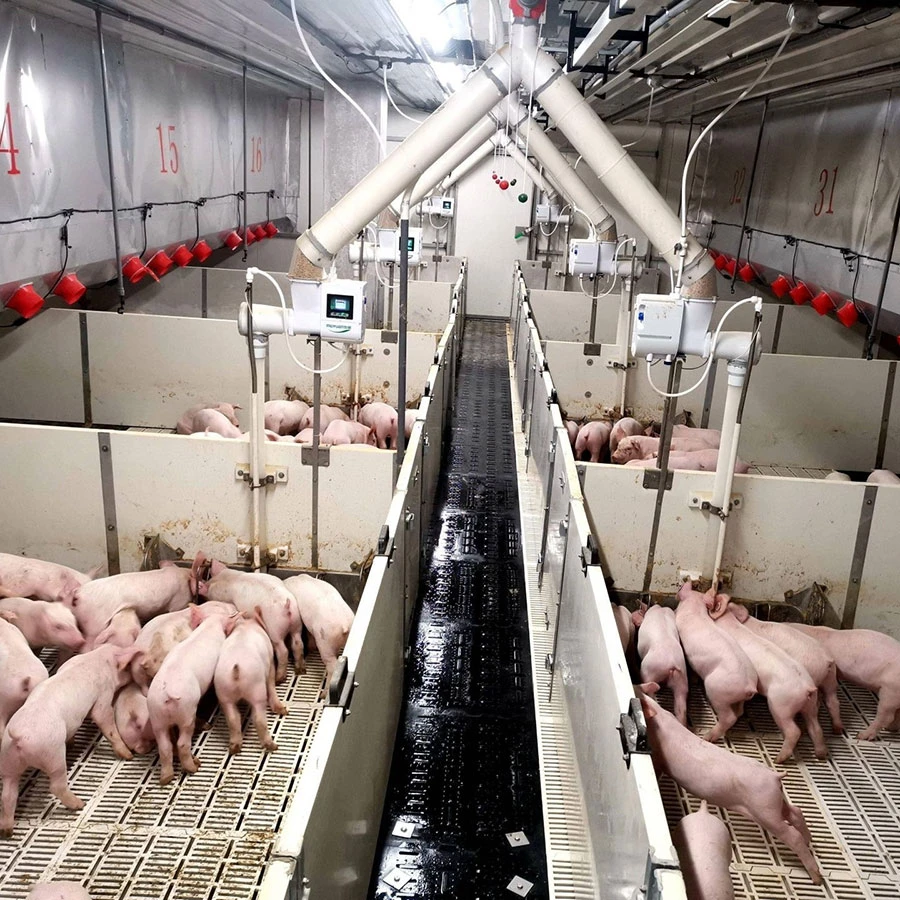
These floors are literally everywhere you might expect them to matter — and many places you wouldn’t immediately think of. European dairy farms widely use slotted concrete floors to keep barns aerated and hygienic, improving milk quality and animal welfare. In Southeast Asia, pig farms have adopted modular plastic slotted panels to combat tropical humidity and pathogens.
Humanitarian agencies frequently deploy slotted flooring in emergency shelters — rapidly installed platforms that encourage drainage and prevent waterlogging after floods or earthquakes. On an industrial scale, food processing plants rely on stainless steel slotted floors for hygiene compliance and worker safety.
| Feature | Details | Material Options |
|---|---|---|
| Slot Width | 10 - 40 mm (customizable) | Steel, Concrete, Plastic |
| Panel Dimensions | 1.2 x 2.4 m standard | Modular segments |
| Load Capacity | Up to 5,000 kg/m² | Depends on material, design |
| Installation | Pre-fabricated, modular, quick assembly | Surface or elevated |
| Typical Lifespan | 15-25 years (varies) | Regular maintenance needed |
Advantages of Installing a Slotted Floor
- Hygiene Improvement: Reduces bacteria buildup and improves animal health or worker safety.
- Operational Efficiency: Saves water and cleaning time; fewer disease outbreaks affect productivity.
- Cost Savings: Lower veterinary costs in agriculture; reduced downtime in industrial environments.
- Sustainable Impact: Enables better waste management and lowers pollutant runoff.
- User Comfort & Safety: Even feet, less slipping risk, and improved ventilation appeal to both animals and people.
Some farmers describe it almost emotionally — how slotted floors gave their livestock “a second chance at comfort.” You don’t often expect a floor to spur that kind of feeling, but hey, I suppose a well-designed floor helps everyone stand tall.
The Future: Innovations in Slotted Flooring
Looking ahead, the slotted floor space is buzzing with innovation. Biodegradable composite materials are emerging to replace plastics in livestock pens, cutting environmental footprints. Automated cleaning systems powered by IoT sensors optimize washing cycles specifically when waste height or humidity levels climb. Digital design tools tailor floor layouts to maximize airflow and drainage for unique facility geometries.
And frankly, the integration of smart surfaces — floors equipped with embedded sensors to monitor animal gait or detect spills instantly — might soon become mainstream.
Overcoming Challenges in Slotted Floor Systems
Sure, they’re great, but not 100% perfect. Issues like slot clogging in certain applications, initial installation costs, and maintenance in harsh climates can be hurdles. Experts advise combining slotted floors with good waste management plans and choosing the right material for local conditions — a recommendation worth taking seriously.
FAQ: Your Top Questions About Slotted Floors
- Q: How do I know which slotted floor material suits my farm?
- A: It depends on your climate, animal type, and budget. Steel is strong but pricier; plastic is lightweight and customizable; concrete is durable but can be heavy. Consulting with a supplier about local conditions is best.
- Q: Can slotted floors be installed outdoors in harsh weather?
- Yes, with proper material selection like galvanized steel or weather-resistant composites, they can endure rain, sun, and freezing. Regular inspections to clear slots and fix wear will extend lifespan.
- Q: Are slotted floors compatible with automated cleaning systems?
- Definitely. Many farms pair slotted floors with automated flush or scrubbing systems which work well because the slots allow easy drainage, reducing labor and improving hygiene.
- Q: How long does it take to install a modular slotted floor system?
- For average facilities, installation can range from a couple of days to a week depending on size and complexity. The modular design significantly speeds up the process versus traditional flooring.
- Q: Are slotted floors considered sustainable?
- Yes, because they improve waste handling, reduce water use, and many manufacturers now use recyclable or eco-friendly materials. They’re part of a more sustainable farm or factory design.
Comparing Popular Slotted Floor Suppliers
| Vendor | Materials Offered | Customization | Price Range | Global Reach |
|---|---|---|---|---|
| AgriFloor Solutions | Steel, Plastic, Concrete | High (custom slot sizes) | $$ | Europe, Asia |
| FlexiFloors Inc. | Recycled Plastics | Medium (modular panels) | $ | North America, Europe |
| SteelSlot Global | Galvanized Steel | Custom engineering | $$$ | Worldwide |
Bringing It All Together
For decades, the slotted floor has been quietly shaping up industries and improving conditions on a global scale — even if it doesn’t show up in the headlines much. Whether you’re a farmer looking to improve animal health, a plant manager prioritizing workplace hygiene, or a humanitarian aid worker needing fast, clean flooring solutions, slotted floors deliver.
Honestly, they combine elegance and utility in quietly powerful ways, delivering real benefits that ripple beyond the immediate application. If you want to explore options or get a tailored solution, one starting point is to check out trusted suppliers — like those linked through slotted floor product pages.
In the end, understanding and investing in a slotted floor means investing in long-term operational health, safety, and sustainability. And that’s a foundation you don’t want to overlook.
Post time: Dec . 02, 2025