Understanding Steel Floor Grates: Why They Matter Worldwide
Steel floor grates might not be the first thing that pops into your mind when thinking about infrastructure or construction, but they’re quietly essential. These robust frameworks support everything from industrial walkways to urban drainage systems, bridging gaps between safety, durability, and efficiency. Globally, their importance scales in tandem with industrial growth and urban expansion. From bustling manufacturing plants to humanitarian relief projects, knowing the ins and outs of steel floor grates pays dividends in safety and longevity.
Frankly, understanding steel floor grates isn’t just about appreciating a piece of metal work. It opens windows into how modern industries maintain safe access, avoid costly downtime, and support sustainability efforts in demanding environments.
The Global Landscape of Steel Floor Grates
So, why should you care about steel floor grates on a global scale? According to ISO standards like ISO 1461, the galvanization processes that protect steel from corrosion are crucial especially in climates where rust can quickly eat away infrastructure. The World Bank estimates infrastructure investment needs in developing countries will total $94 trillion by 2040, where components like steel floor grates form the unsung backbone of safe, resilient facilities.
The challenge? As industrial sectors expand, demands for durable, easy-to-maintain, and cost-effective flooring solutions become acute. Poorly designed floor grates can lead to workplace accidents or costly system failures. Enter steel floor grates as the silent heroes: durable, scalable, and reliable.
Steel Floor Grates: What Exactly Are They?
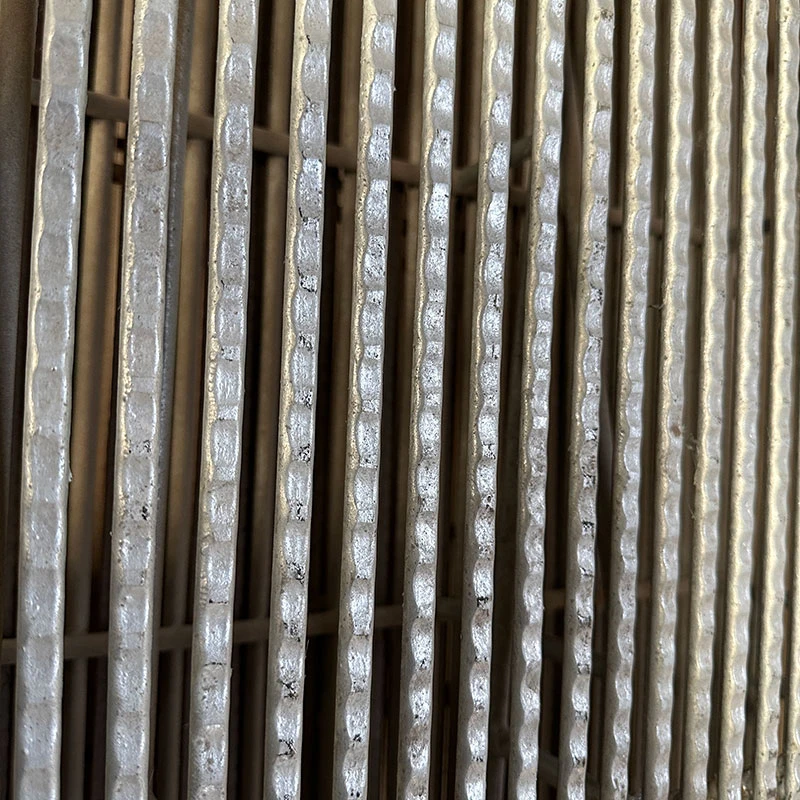
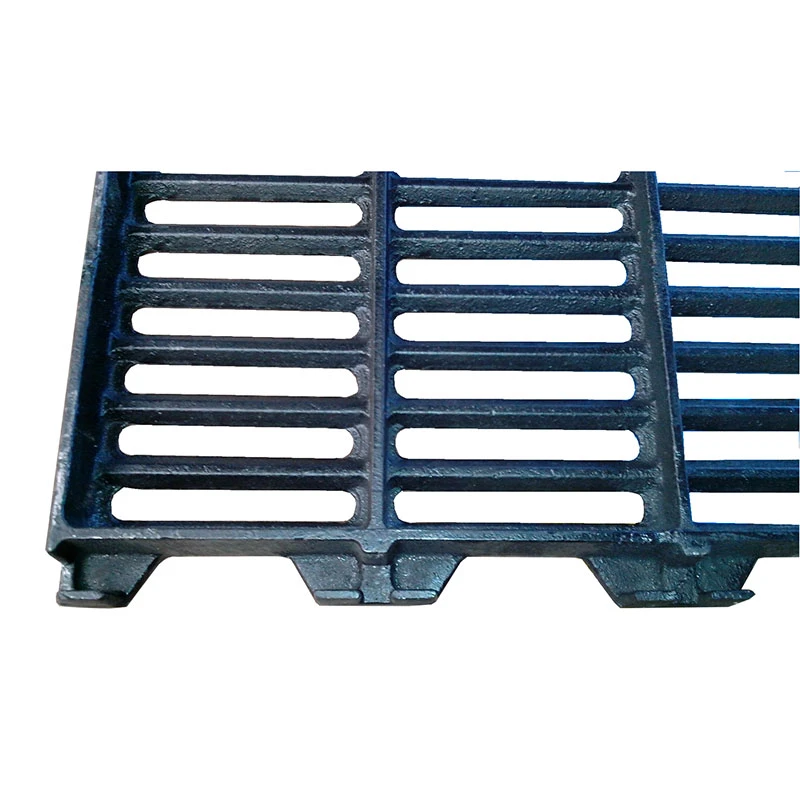
In simple terms, steel floor grates are heavy-duty metal frameworks, often consisting of longitudinal bearing bars welded to cross bars or mesh, creating a grid-like platform. These structures support foot traffic, heavy machinery, and allow fluids or debris to pass through — think of them as the metal floors with spaces designed to keep things safe and clean simultaneously.
Their connection to industry and humanitarian needs is pretty straightforward: they provide durable, slip-resistant surfaces for harsh environments — warehouses, manufacturing plants, drainage covers in cities, and even temporary shelters after disasters. Without steel grates, many industrial zones would have to settle for risky or maintenance-heavy flooring alternatives.
Key Components of Steel Floor Grates
1. Durability
Steel floor grates are mostly constructed from carbon steel or stainless steel, materials known for high strength and corrosion resistance. This durability is vital when exposed to chemicals, weather, or heavy loads, ensuring long service life without frequent replacements.
2. Load-Bearing Capacity
The design of the bars and spacing impacts how much weight a grate can handle — from light pedestrian use to heavy industrial machinery. This adaptability lets engineers customize solutions for factories, roadways, or offshore platforms.
3. Safety Features
Anti-slip surfaces, proper spacing to prevent tripping, and compliance with safety regulations make steel floor grates an indispensable safety measure. Think of their role like a firm handshake — stable and reassuring.
4. Maintenance and Scalability
Steel grates are relatively easy to clean and replace in sections, letting businesses maintain operations without expensive downtime. Plus, modular designs mean they scale well with growing infrastructure demands.
Mini Takeaway:
The combination of durability, safety, and adaptability makes steel floor grates a practical choice balancing cost and longevity in many settings.
Global Applications and Use Cases of Steel Floor Grates
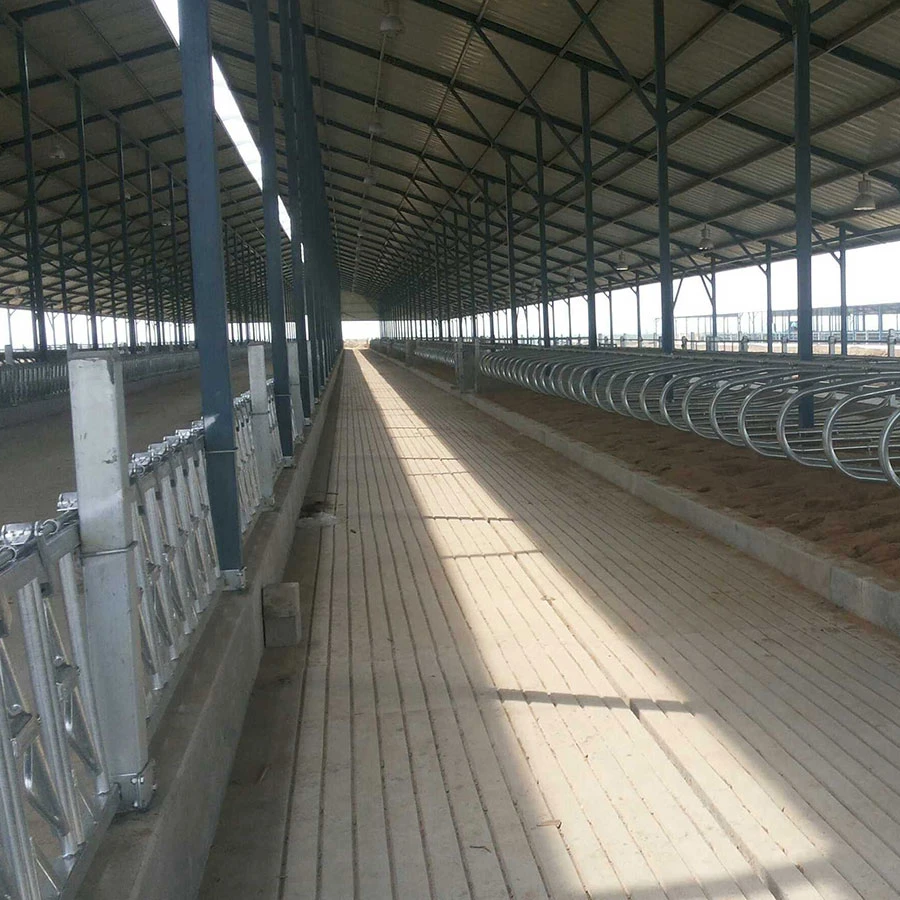
When you walk through industrial plants in Asia or Europe, steel floor grates are everywhere: covering drainage channels, platforms, stairs, and walkways. In remote mining operations in Africa, they’re crucial for safe footing on irregular terrain. Oddly enough, they’ve also played a role in post-disaster settings, where temporary shelters and field hospitals require quick deployment of safe, sturdy flooring.
Humanitarian organizations often use steel floor grating in camps to improve sanitation and prevent mud accumulation. Swapping mud for metal grids can improve dignity and health for displaced people — a small but effective innovation.
Steel Floor Grates: Product Specifications at a Glance
| Specification | Typical Value | Notes |
|---|---|---|
| Material | Carbon Steel / Stainless Steel | Galvanized for corrosion resistance |
| Load Bearing Capacity | Up to 30,000 lbs/sq. ft | Depends on bar size and spacing |
| Surface Type | Serrated or Plain | Serrations improve anti-slip |
| Standard Dimensions | Customizable, often 36” x 120” panels | Flexible sizing options |
| Corrosion Protection | Hot-dip galvanization, powder coating | Industry standard for harsh environments |
Vendor Overview: Who Makes the Cut?
Scanning the marketplaces for steel floor grates, you’ll notice variations in quality, customization, and service. Here’s a quick vendor comparison focusing on popular industrial suppliers:
| Vendor | Customization | Lead Time | Corrosion Protection | Price Range |
|---|---|---|---|---|
| Alpha Metals | High (custom sizes, materials) | 4-6 weeks | Hot-dip galvanization | $$$ |
| BuildGrid Inc. | Medium (standard sizes with some options) | 2-3 weeks | Powder coating & galvanization | $$ |
| SteelWorks | Low (mostly standard catalog) | 1-2 weeks | Basic galvanization | $ |
Why Steel Floor Grates Deliver Long-Term Value
When we think about investments in industrial infrastructure, it’s easy to focus on flashy machinery or cutting-edge tech. But the silent value of steel floor grates often lays the foundation for everything else to work smoothly. Their advantages span:
- Cost Efficiency: Low maintenance and durability reduce replacement costs and downtime.
- Sustainability: Steel is recyclable and galvanization extends lifespan — fitting into greener supply chains.
- Safety: Slip-resistant surfaces prevent workplace injuries, supporting worker well-being and productivity.
- Social Impact: Improved sanitation and accessibility in public spaces and humanitarian projects.
There’s something oddly satisfying about walking on a well-designed steel grate, knowing it’s quietly holding up under weight, weather, and use — fostering trust that the environment is secure.
Upcoming Trends and Innovations in Steel Floor Grates
The future of steel floor grates blends smart materials and tech. Imagine corrosion-resistant alloys that tailor to marine or chemical industries. Or integration with sensors that detect wear and tear, alerting maintenance before problems arise. Green manufacturing processes reducing the carbon footprint of steel casting are also gaining traction, reflecting a global push toward sustainability.
Manufacturers are working with automation to produce customized panel sizes faster — reducing lead times significantly. Even design tweaks that incorporate micro-patterned surfaces could enhance grip with less dirt buildup. It feels like we’re on the cusp of a subtle but important evolution.
Common Challenges and How to Overcome Them
Like any product, steel floor grates have their quirks. Corrosion can sneak in despite protection, especially if coatings are damaged. Installation errors or wrong sizing may cause structural weaknesses. However, rigorous quality testing—like ASTM-standard loading and corrosion tests—help pinpoint issues early.
Expert tip? Specify galvanization or powder coatings carefully for your environment, and always consider modular designs for easier repairs. Additionally, digital tracking of maintenance schedules keeps these grids in prime shape year-round.
FAQ: Steel Floor Grates Simplified
Q1: What’s the difference between carbon steel and stainless steel grates?
Carbon steel is stronger but typically requires galvanization to resist rust. Stainless steel offers better corrosion resistance naturally but at a higher price point. The choice depends on budget and environment (e.g., marine setups favor stainless steel).
Q2: Can steel floor grates handle heavy industrial equipment?
Absolutely. Grates are designed with load-bearing calculations. Selecting the right bar thickness and spacing ensures safe handling of everything from forklifts to large machinery.
Q3: How long do steel floor grates last outdoors?
With proper galvanization or coating and maintenance, steel floor grates can last 20+ years outdoors. Environmental exposure plays a role, of course.
Q4: Are steel floor grates recyclable?
Yes, steel is 100% recyclable. At end of life, grates can be repurposed or melted down without significant quality loss, supporting sustainability efforts.
Wrapping It Up: Why Steel Floor Grates Still Matter Tomorrow
In a world driven by innovation, sometimes it’s the quiet, steady steel floor grate holding the fort beneath our feet that deserves a nod. They combine safety, durability, and versatility in ways that enabled industries—and communities—to thrive.
Interested in upgrading your project’s flooring with reliable, customizable steel floor grates? Visit our website for expert advice, product options, and support tailored to your needs.
References:
Post time: Dec . 02, 2025