Design Farrowing Crates: Why They Matter and What You Should Know
Farrowing crates might not come up much in everyday chat, but if you’re involved in pig farming or animal welfare, their design can shape outcomes dramatically. Simply put, design farrowing crates impacts the survival rate of piglets, the welfare of sows, and helps farms be more sustainable globally. As livestock farming intensifies, understanding — and improving — these designs becomes a crucial piece in the puzzle to feed the world responsibly.
The Global Context: Why Better Farrowing Crates Are a Worldwide Need
According to the Food and Agriculture Organization (FAO), pig production contributes significantly to global meat supplies, especially in Asia and parts of Europe. A problem crops up though — newborn piglet mortality rates can hover around 15% to 20%, often due to crushing or inadequate space. Enter the humble but enormously important farrowing crate. The design farrowing crates isn’t just about building pens — it’s about solving a pressing global challenge: reducing losses, improving living conditions, and ensuring productivity matches the growing demand for pork without more land or feed. Globally, innovations in this field have the power to ripple through food security, animal welfare policies, and eventually to consumer plates.
Mini takeaway:
- High piglet mortality worldwide motivates better crate designs.
- Acceptable solutions balance productivity and animal welfare.
- The farrowing crate is a silent hero in meat supply chains.
What Exactly Are Farrowing Crates?
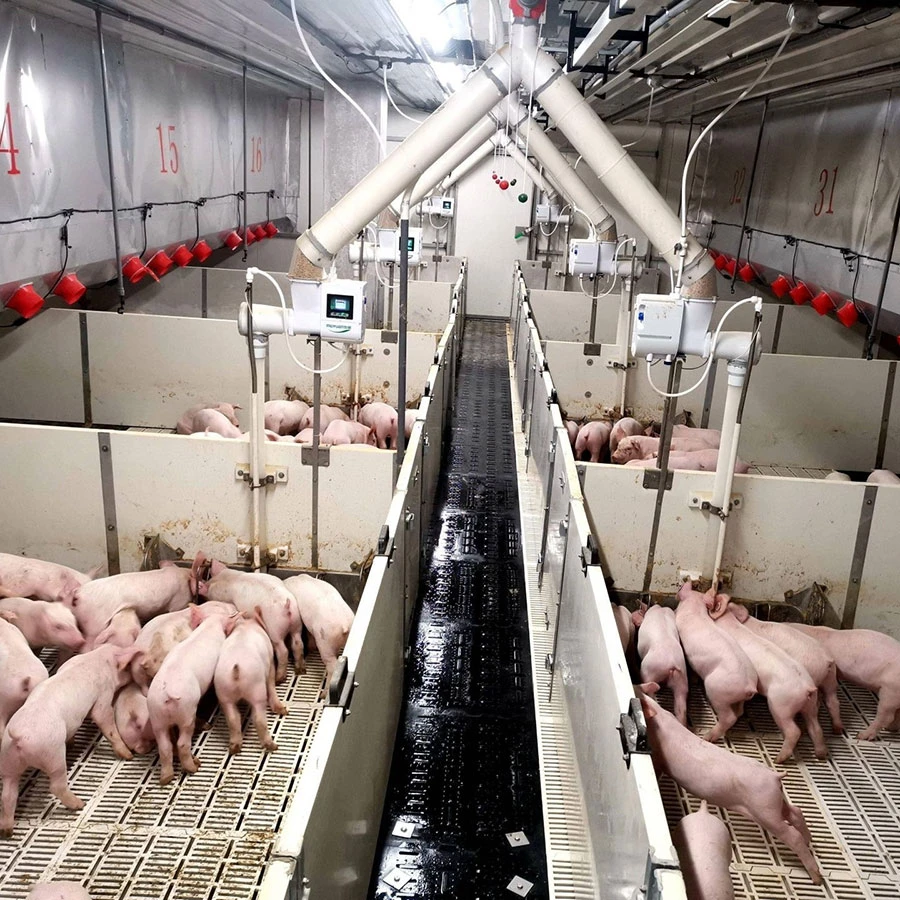
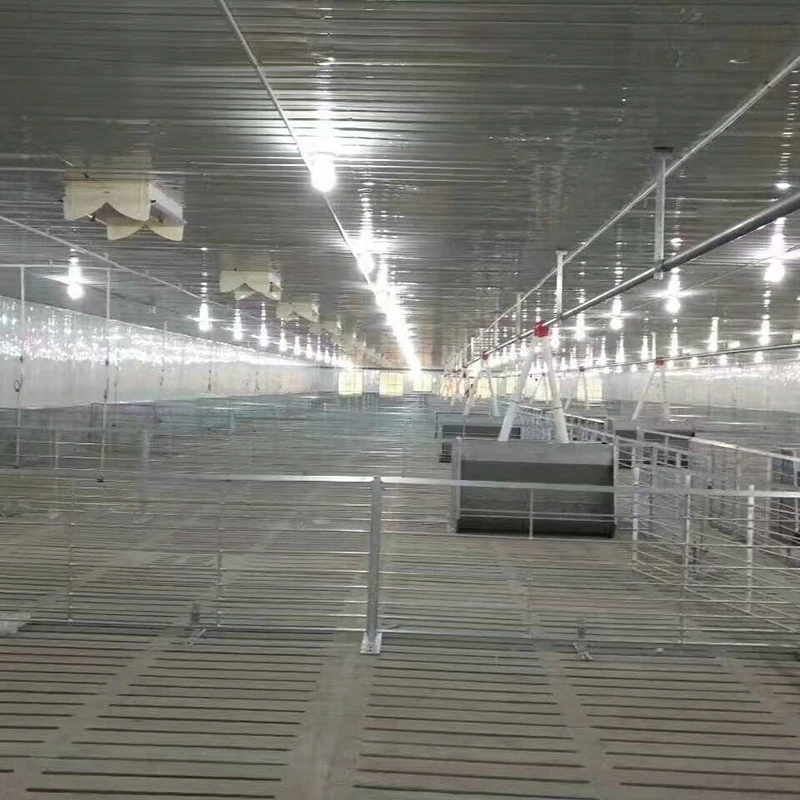
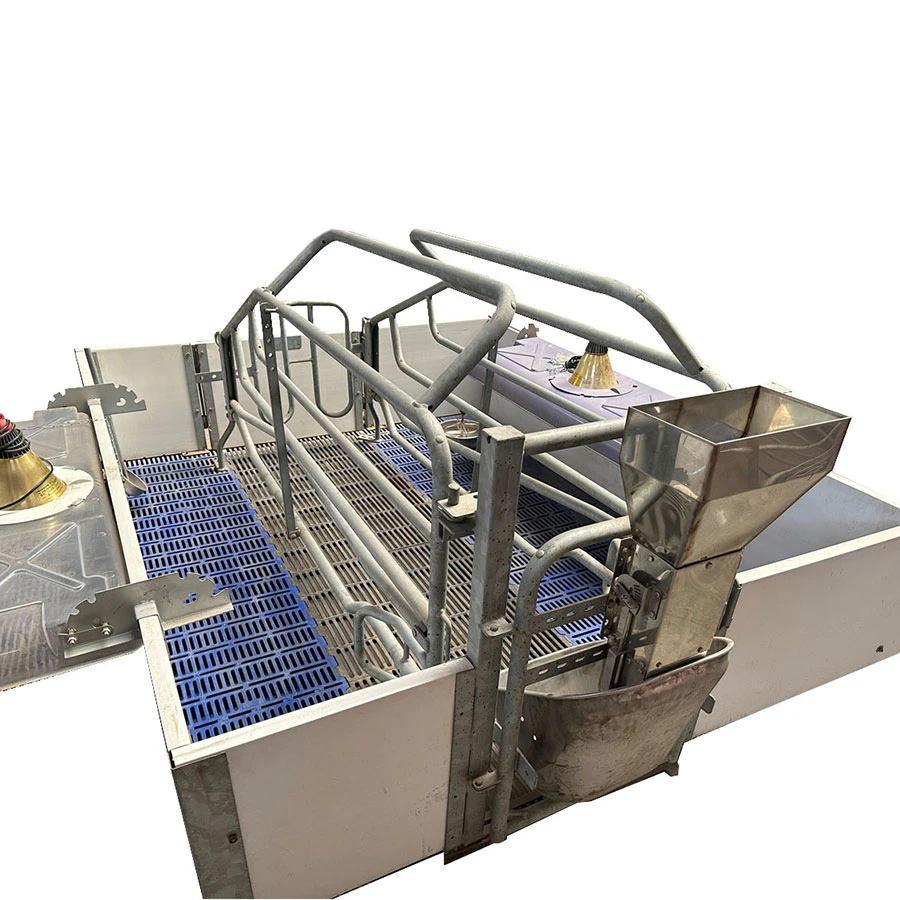
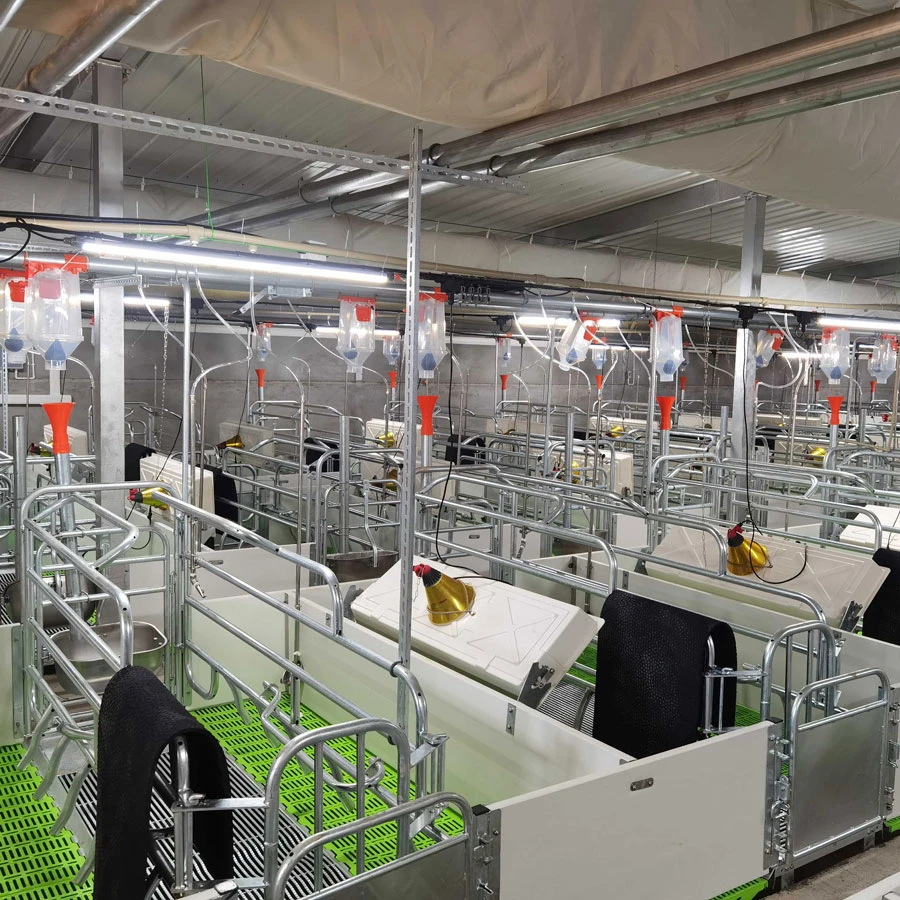
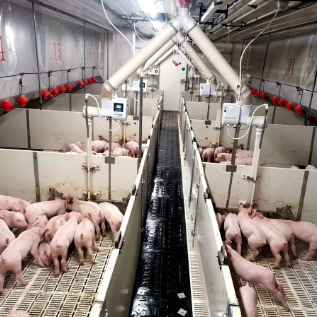
In plain terms, farrowing crates are specialized enclosures used in pig farming during the birthing (farrowing) period. Their core function is to keep the mother sow and her piglets safe. Traditionally, sows might accidentally crush piglets by rolling, so crates are designed to restrict movement to reduce this risk, while still providing enough space and comfort. Design farrowing crates refers not just to the shape or size, but factors like ventilation, hygiene, material choice, and ease of use. Think of it as a small ecosystem — supporting life, ensuring safety, and fitting into farm operations.
Mini takeaway:
- They are physical structures protecting sows and piglets.
- Design involves balancing sow comfort and piglet safety.
- Modern designs increasingly prioritize welfare and sustainability.
Key Elements That Go Into Designing Effective Farrowing Crates
1. Durability and Material Choice
Steel is often the go-to for strength, but corrosion-resistant coatings and composites are making waves. The design has to last years in humid, manure-heavy environments without breaking down — so think about long-term cost savings and maintenance headaches avoided.
2. Sow Comfort and Welfare
Lots of old crates were overly restrictive, causing stress and injuries to sows. Now, designs include better flooring (non-slip rubber mats), adjustable widths, and even soft-sided fences to allow limited movement without compromising piglet safety. Animal welfare regulations in places like the EU push this constantly forward.
3. Piglet Safety Features
Side bars, creep areas (warm, piglet-only zones), and anti-crush rails help save piglet lives. The crate’s design influences how easily piglets can nurse, warm up, and avoid dangerous sections.
4. Ease of Cleaning and Maintenance
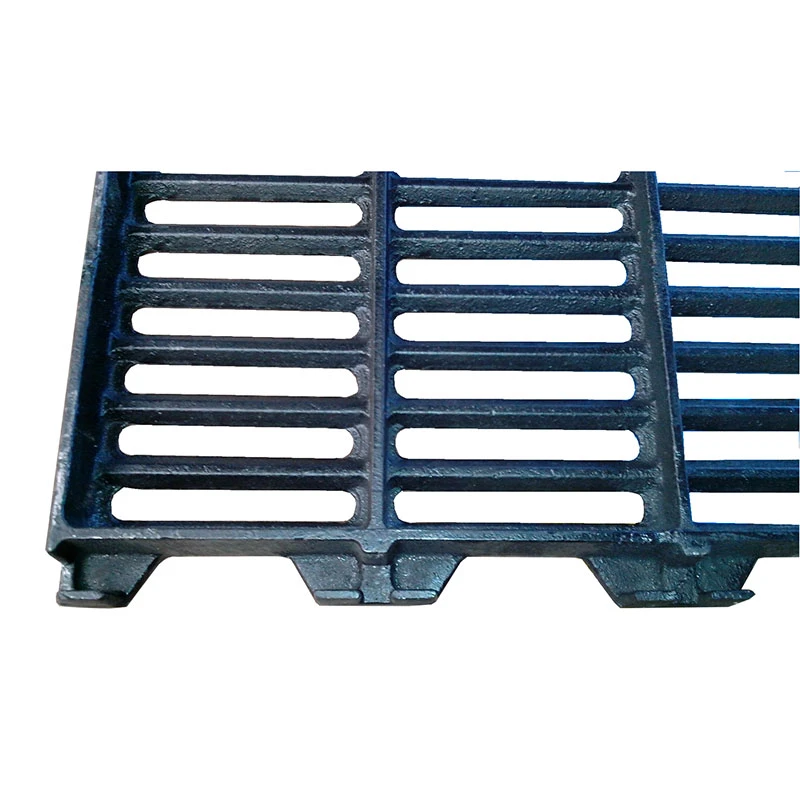
Farms work hard, and crates that drain well, resist bacterial growth, and are easy to hose down make daily chores less time-consuming. Cleaner crates equal healthier animals, fewer infections, and better long-term productivity.
5. Cost and Scalability
Designs must be affordable enough to install at scale but built to last. Farms range from small family operations to industrial ones, so modular, adaptable crates can serve diverse needs.
| Feature | Typical Range | Notes |
|---|---|---|
| Length | 2.1 - 2.4 meters | Long enough for full sow torso movement |
| Width | 0.6 - 0.7 meters | Allows turn but limits crushing |
| Material | Galvanized steel or powder-coated steel | Corrosion resistant for longevity |
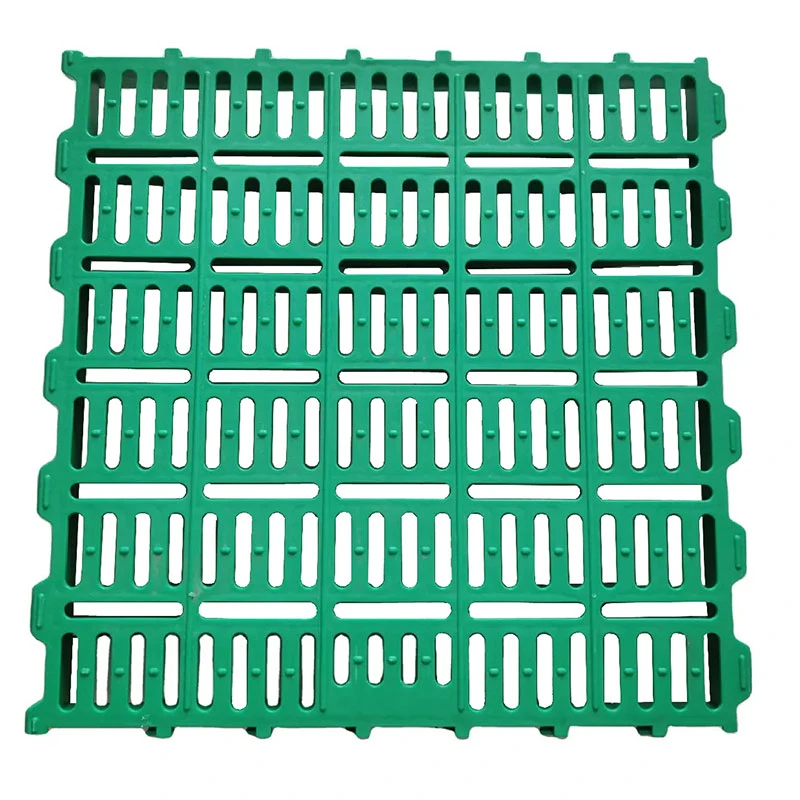
| Flooring | Plastic slatted or rubber mats | Non-slip, easy cleaning |
| Piglet creep area | 0.4 - 0.6 meters wide | Heat source included for warmth |
Global Applications and Impact of Farrowing Crate Design
From large industrial farms in the Midwest U.S. to smallholder farmers in Vietnam, design farrowing crates make a tangible difference. Improved design means fewer piglets lost, lower vet bills, and faster turnover. Organizations like the International Organization for Standardization (ISO) back standards on animal welfare that farrowing crate manufacturers aim to meet, especially in Europe and increasingly in Asia.
In remote farming zones, durable crates cut down the need for constant replacement — vital where resources are scarce. Meanwhile, humanitarian relief projects involving livestock restocking after floods or droughts include these crates as a standard part, ensuring sustainability.
Mini takeaway:
- Design improvements benefit farms worldwide, from subsistence to industrial.
- International standards push innovation and animal welfare.
- Even disaster relief efforts are incorporating farrowing crate designs today.
Advantages and Long-Term Value of Thoughtful Farrowing Crate Design
More than just functional pens, these designs provide financial savings through better survival rates, reduced labor, and longer-lasting equipment. The social side? For farmers, less worry and improved stock mean a more stable livelihood. Animal welfare leads to better meat quality and public trust – which, frankly, matters more than ever in a conscientious market.
Looking Ahead: The Future of Farrowing Crate Design
We’re seeing several exciting trends:
- Automation: Sensors that monitor sow behavior and environmental conditions.
- Sustainable Materials: Biodegradable composites or recyclable metals.
- Digital Integration: Farms using data to optimize crate configurations or temps.
- Animal-Centric Design: More space, improved ergonomics, and even adjustable elements to suit different breeds or sow sizes.
The industry isn’t standing still — and honestly, given the stakes, it never really does.
Common Challenges and How They're Being Tackled
Despite progress, there remain hurdles. Crates can be expensive upfront, and some critics argue they restrict sow movement too much. Flexible designs that can be easily upgraded and modularized are helping address this. Plus, training farmers on proper use and routine maintenance is key — a crate is only as good as the care it receives. I’ve noticed that farms that invest in good training tend to get better ROI and happier herds.
| Vendor | Material | Customization | Price Range | Eco-friendliness |
|---|---|---|---|---|
| AgroPen Solutions | Galvanized steel, rubber floors | Modular width & length | $$$ | Medium |
| PigSafe Co. | Powder-coated steel | Limited options | $$ | Low |
| SowComfort Inc. | Composite & steel hybrid | Fully customizable | $$$$ | High |
FAQ: Your Top Questions on Design Farrowing Crates, Answered
Q1: What makes modern farrowing crate designs better than traditional pens?
Newer designs focus on sow comfort while safeguarding piglets, employing ergonomic layouts, better flooring, and safer materials. Unlike old pens that merely restricted movement, modern crates often feature adjustable widths and integrated creep areas, dramatically reducing piglet mortality while reducing sow stress.
Q2: How long does a farrowing crate typically last under farm conditions?
When maintained well, the durable materials used can last 7-10 years or more. Coatings and quality of steel play a big role here. Regular cleaning and avoiding harsh chemical damage extend lifespan significantly.
Q3: Are farrowing crates expensive to install on large farms?
Upfront costs exist, sure, but modular designs and scale economies reduce per-unit price dramatically on larger orders. Also, the savings from improved piglet survival and labor reduction often justify the investment within just a few production cycles.
Q4: Can design farrowing crates be customized for different pig breeds or climates?
Absolutely. Many manufacturers offer adjustable designs for different sow sizes and integrate climate controls like heating in cooler regions. Materials can also vary to suit humidity and sanitation needs.
Q5: How do farms in developing countries access advanced farrowing crate designs?
In many cases, NGOs or government agricultural initiatives help subsidize or supply improved crates. Additionally, modular kits and local manufacturing using imported design specs are growing trends, improving accessibility and affordability.
Wrapping It Up: Why Invest in Better Farrowing Crates?
Ultimately, design farrowing crates are more than just metal and flooring — they’re a vital piece in modern livestock farming that balances biology, economics, and ethics. With global demand for pork rising steadily, smarter designs mean farms can become more productive, sustainable, and humane. Whether you run a small biofarm or a large industrial operation, investing in quality farrowing crates pays off by boosting survival rates, saving costs long-term, and aligning with evolving welfare standards.
Curious to explore effective designs and suppliers? Visit our detailed resources: design farrowing crates.
Final takeaway:
Good farrowing crate design equals better animal welfare, improved farm economics, and a step toward sustainable food production for a growing world.
References
Post time: Dec . 02, 2025