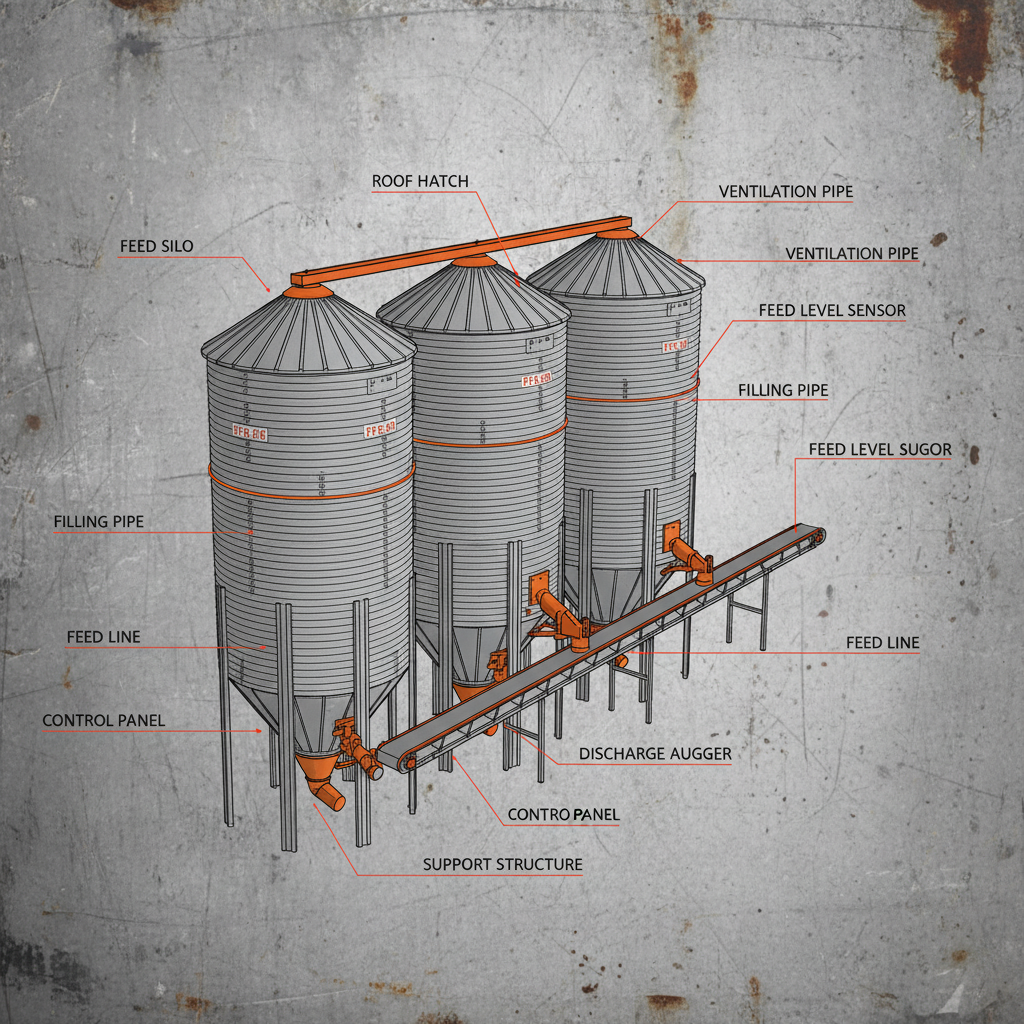
Understanding the 20 Ton Feed Bin: A Vital Asset in Modern Agriculture
The concept of a 20 ton feed bin may not evoke immediate excitement outside agricultural circles, but globally, it plays a pivotal role in food security and efficient livestock management. As populations grow and feeding the world becomes ever more complex, storing and protecting animal feed at scale is crucial. Knowing how these bins work, their real-world value, and emerging technologies can unlock advantages not only for farmers, but also for humanitarian efforts in vulnerable regions.
Global Context: Why Does a 20 Ton Feed Bin Matter?
Worldwide, agriculture supports approximately 40% of the global workforce (World Bank 2022) and occupies nearly 38% of land area (FAO). Feeding livestock efficiently is a core pillar of this vast system. The 20 ton feed bin answers a pressing need: How to safely store large quantities of animal feed without quality degradation or pest contamination? In many parts of Africa, South America, and Asia, limited infrastructure hampers this seemingly simple task, leading to post-harvest losses of up to 20–30% (FAO). This hurts farmer incomes and raises food insecurity risks.
So whether it’s a mid-sized dairy farm in Wisconsin or a remote feedlot in Brazil, the 20 ton feed bin forms a linchpin in the complex choreography of feed storage and supply chain stability.
Defining the 20 Ton Feed Bin in Simple Terms
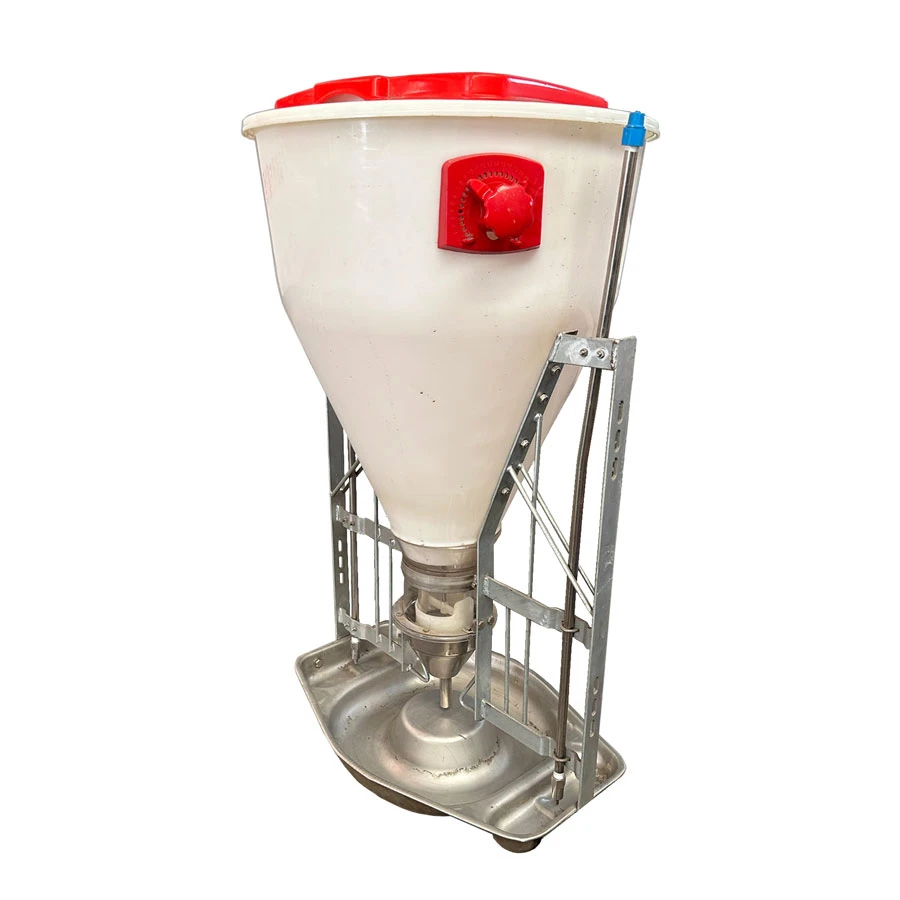
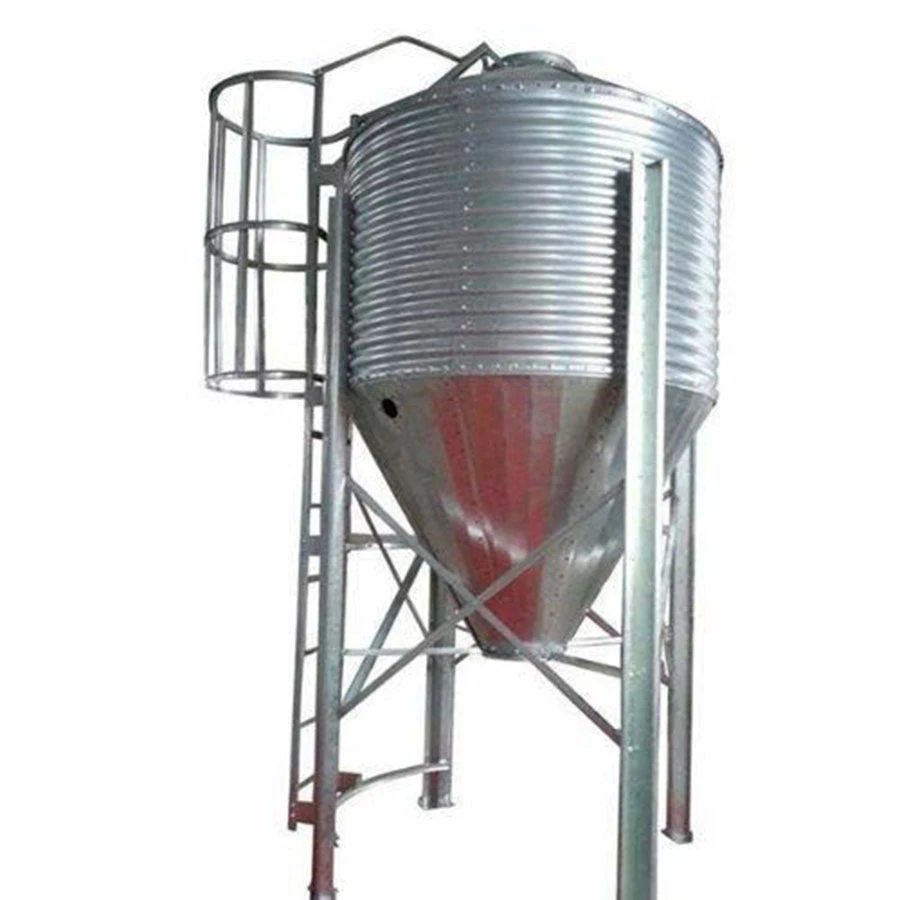
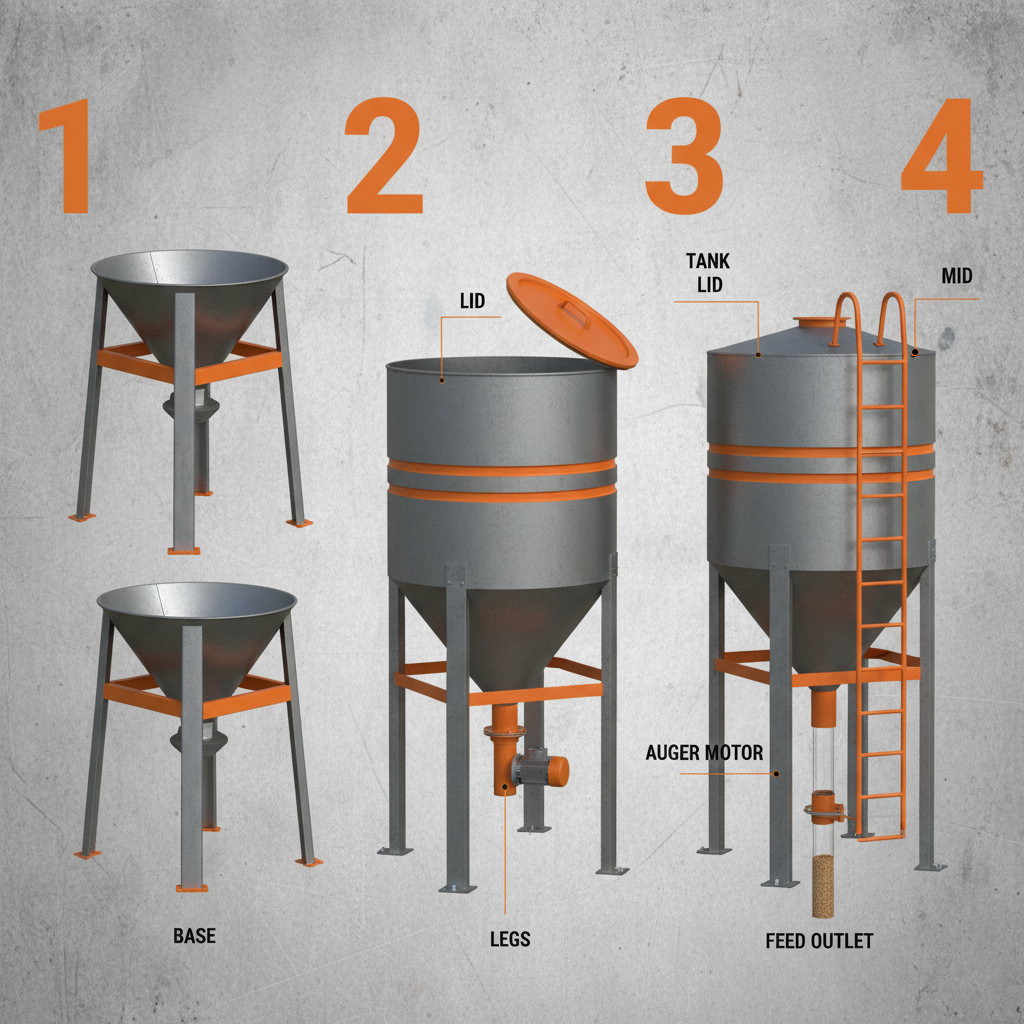
At its essence, a 20 ton feed bin is a storage container designed to hold roughly 20 tons of animal feed. It’s usually a large cylindrical or sometimes conical metal structure with features to protect contents from moisture, pests, and spoilage. Built from galvanized steel or sometimes aluminum alloys, these bins deliver sturdy, weather-resistant storage. They streamline feeding operations by centralizing supply and allowing mechanical or automated feed dispensing.
Beyond basic farming, these bins also surface in disaster relief and food aid operations, where preserving feed quality can sustain livestock that local communities rely upon for livelihood.
Key Factors That Define a Great 20 Ton Feed Bin
Durability and Material Quality
Typically constructed of galvanized steel, the bin must resist rust and physical wear. In tropical or humid climates, corrosion resistance is non-negotiable. Many farmers prefer powder-coated finishes for extra protection. The steel thickness and weld quality directly influence the bin’s lifespan.
Scalability and Modularity
While 20 tons is a fixed capacity, some feed bin designs allow expansion or linking multiple bins for larger operations. Modular design means easier transport and assembly, especially important in remote or disaster-hit areas.
Cost Efficiency and Maintenance
High upfront cost may scare smallholders, but the long-term savings from reduced losses and lower pest control make quality bins economical. Additionally, maintenance ease—like having simple cleaning access or replaceable components—is often overlooked but vital.
Sealing and Pest Resistance
A good feed bin must almost hermetically seal to keep out rodents and insects. Feed contamination leads to serious productivity drops and animal health risks. Features like gasketed lids and screened vents help maintain feed integrity.
Ease of Use and Integration
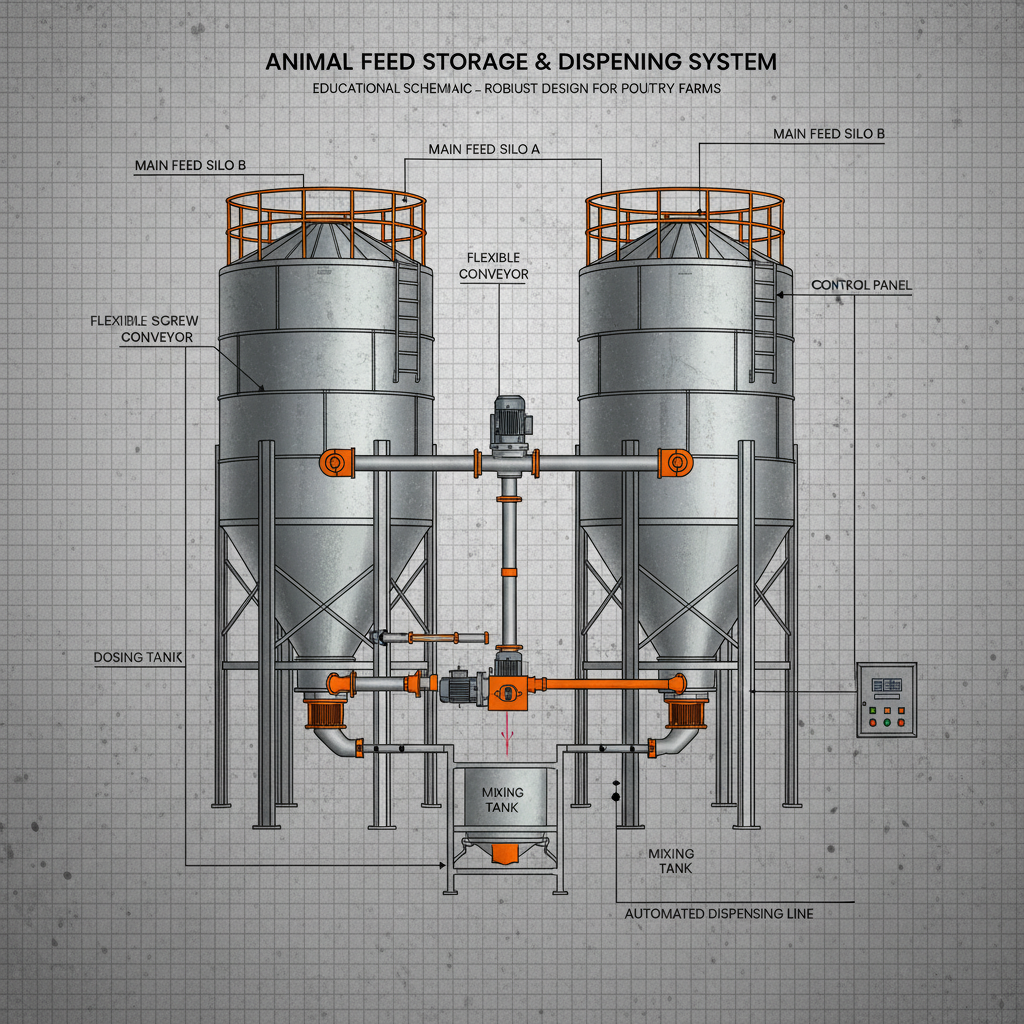
Bins that incorporate mechanized unloading or connect simply to feeding systems ensure smoother daily operations. The best designs anticipate on-farm realities: limited power, manual handling, or compatibility with existing mixers.
Mini takeaway:
The ideal 20 ton feed bin is a balance of durability, protection, usability, and cost—parameters that together safeguard feed quality while fitting diverse farm scales.
Global Applications & Real-World Use Cases
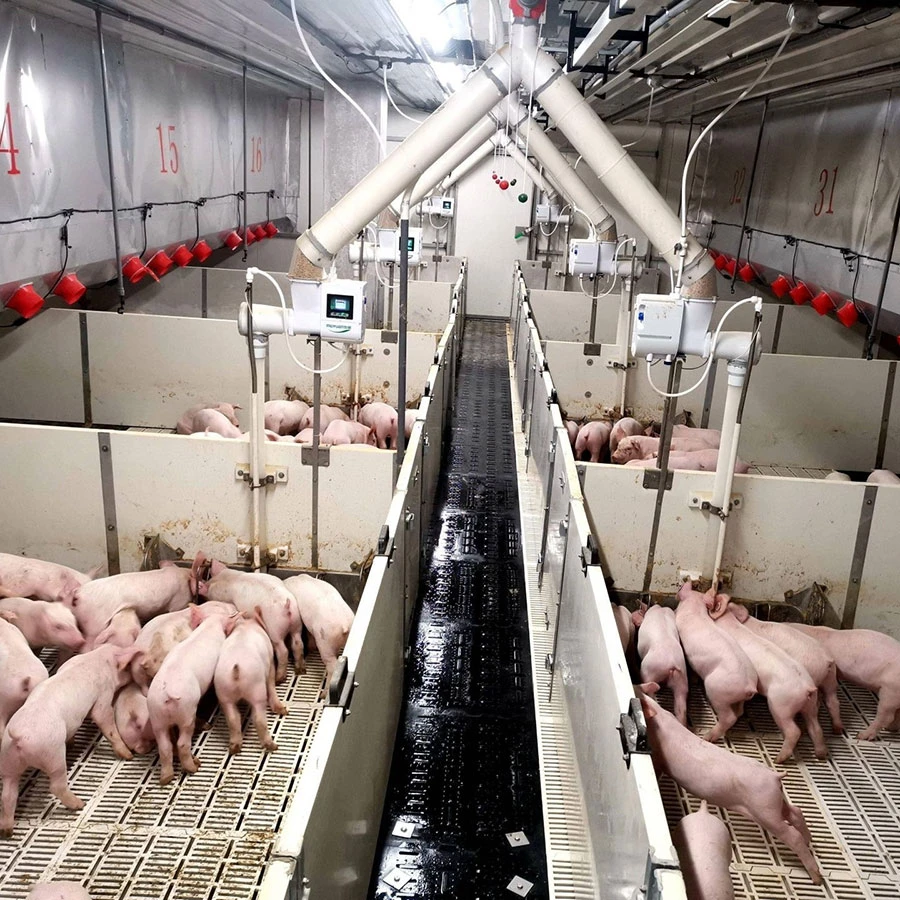
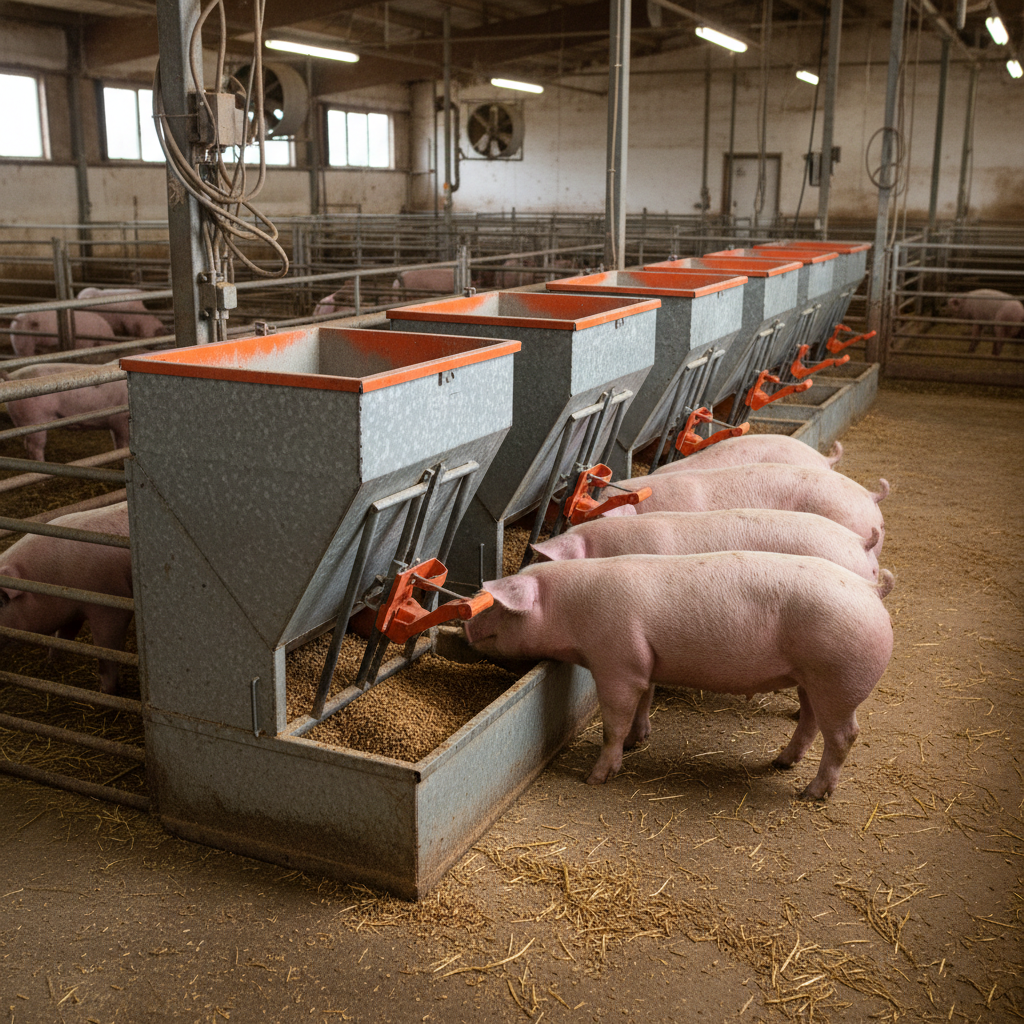
These feed bins are popular worldwide across livestock sectors including cattle, poultry, and swine. In the U.S. Midwest, progressive dairy farms use them to store total mixed rations, improving feed precision and reducing waste.
In South America, especially Brazil and Argentina, 20 ton feed bins are indispensable for finishing cattle. Here, they face challenges like torrential rains and humidity, so manufacturers adapt with special coatings and drainage systems.
Oddly enough, humanitarian organizations have also adopted them in emergency zones. Post-disaster scenarios often disrupt feed supply chains. Housing feed in durable 20 ton bins near affected livestock populations allows quicker recovery and maintains protein sources for vulnerable communities.
For a detailed purchase decision, check out 20 ton feed bin options relevant for your region and farming scale, with expert advice tailored to your needs.
Advantages & Long-Term Value of 20 Ton Feed Bins
- Reduced Feed Spoilage: Proper storage cut losses significantly, meaning farmers get more value from inputs.
- Economic Savings: A robust bin amortizes cost over years versus repeated feed replacement.
- Operational Convenience: Centralization of feed accelerates daily tasks and reduces labor.
- Environmental Benefit: Minimizing waste lowers methane emissions from spoiled feed and reduces resource depletion.
- Animal Welfare and Productivity: Stable feed quality supports better animal health and yields.
Frankly, a good feed bin brings a piece of mind to farmers—they trust their feed won’t spoil unexpectedly, translating into increased confidence and investment in their operations.
Future Trends & Innovations in Feed Bin Technology
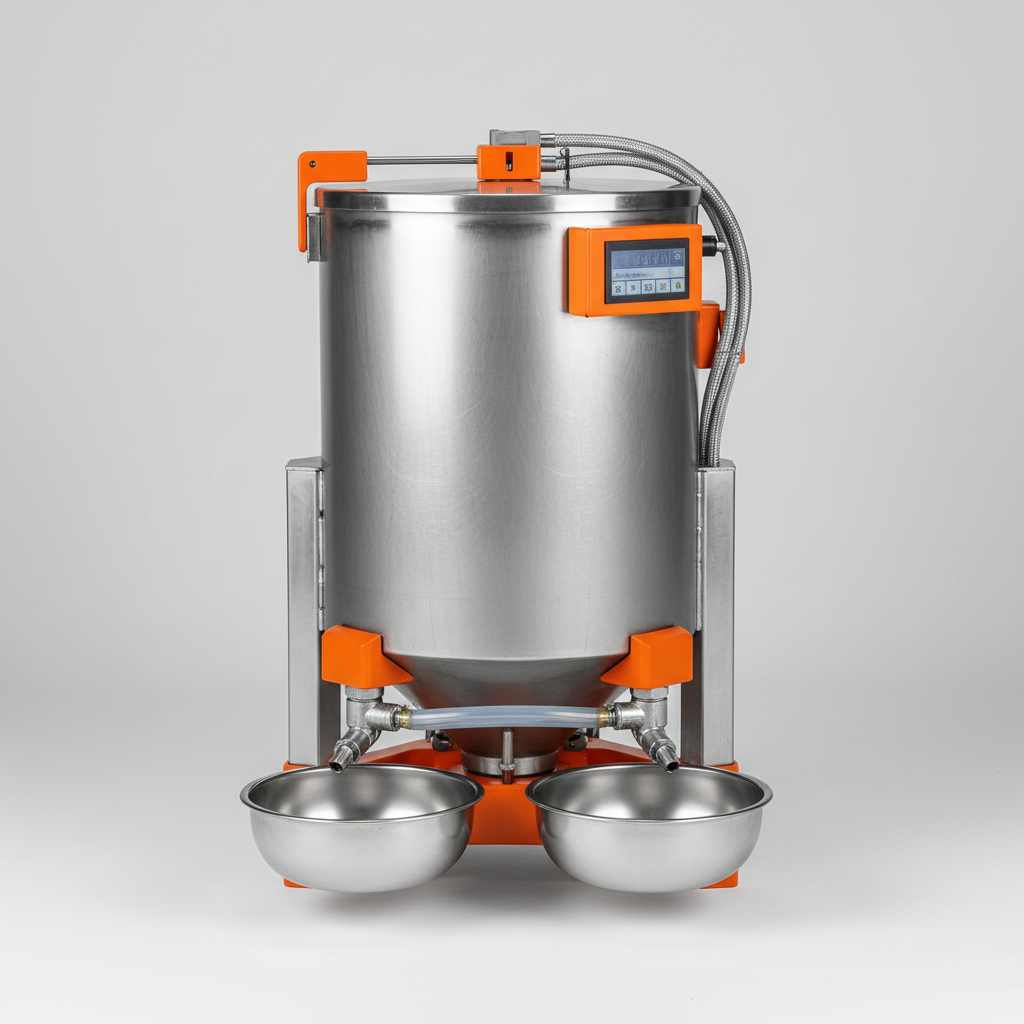
The future is bright for feed bin technology. Smart sensors are beginning to track feed levels and moisture content remotely, reducing guesswork. Solar-powered aeration systems help maintain optimal bin conditions sustainably. New composite materials promise lighter, corrosion-proof containers, cutting transportation challenges.
Automation integrated with feeding machinery is growing, especially in technologically advanced farms. Looking ahead, sustainability-focused design and circular economy principles push manufacturers to rethink feed bin lifecycles, including recycling and modular repair.
Challenges & Practical Solutions
Despite advantages, the 20 ton feed bin is not without challenges. Transportation to remote areas can be limited by size and weight. Also, upfront cost remains a barrier for small-scale farmers. Solutions include modular designs that can be shipped in parts and assembled onsite, as well as microfinancing tailored to agricultural infrastructure investments.
Maintenance can be tricky for novice users—providing training and after-sales support helps overcome this. Additionally, pests remain adaptive; ongoing research into improved sealing technologies and eco-friendly deterrents continues.
Product Specifications of a Typical 20 Ton Feed Bin
| Specification | Details |
| Capacity | 20 Metric Tons (~700–750 bushels) |
| Material | Galvanized Steel (14-16 gauge) |
| Dimensions | Diameter: 3.5m (11.5 ft), Height: 6m (19.7 ft) |
| Coating | Powder-Coated or Zinc Plated |
| Features | Sealed Lid, Screened Air Vents, Bottom Discharge Auger |
| Typical Price Range | $4,500–$7,000 (USD) |
Vendor Comparison: Leading 20 Ton Feed Bin Manufacturers
| Brand | Material Quality | Warranty | Customization | Price Range |
| AgriStor | Heavy Gauge Galvanized Steel | 5 years | Size & Finish | $$$ (Higher end) |
| Sukup | Galvanized Steel with Powder Coat | 3 years | Optional Automation | $$ (Mid-range) |
| Behlen Country | Standard Galvanized Steel | 2 years | Fixed Specs | $ (Budget-friendly) |
Frequently Asked Questions About 20 Ton Feed Bins
- Q: How do I determine if a 20 ton feed bin fits my farm’s needs?
A: Assess your herd feeding volume, daily intake, and seasonal storage needs. A 20 ton capacity suits medium-to-large operations; smaller farms may opt for lesser capacity bins. - Q: What maintenance is required to keep the feed bin effective?
A: Regular cleaning to prevent mold, inspecting seals and coating for damage, and monitoring for pests help maintain performance and longevity. - Q: Can these bins be used for different types of feed?
A: Yes, they store various dry feeds like grains, pellets, or mixtures. Moisture control is critical regardless of feed type. - Q: Are 20 ton feed bins suitable for automated feeding systems?
A: Many models integrate well with augers and discharge systems compatible with automation, enhancing efficiency. - Q: How do I import a 20 ton feed bin internationally?
A: Work with suppliers experienced in export logistics. Ensure compliance with local import regulations and shipping container sizing.
Conclusion
In real terms, investing in a 20 ton feed bin is an investment in resilience, efficiency, and sustainability. It safeguards your feed and livestock productivity over the long haul, while offering pathways to innovate with smart features and green designs. Whether you’re a farmer looking to reduce losses or a humanitarian coordinator ensuring a steady supply chain, understanding this versatile asset matters.
Interested in exploring the right 20 ton feed bin for your needs? Visit our website https://www.cxlivestock.com for expert advice and product options tailored to your region and scale.
Little details like sealing quality or modular assembly can transform the feed bin from a simple silo into a farm’s trusted ally.
Post time: Dec . 06, 2025