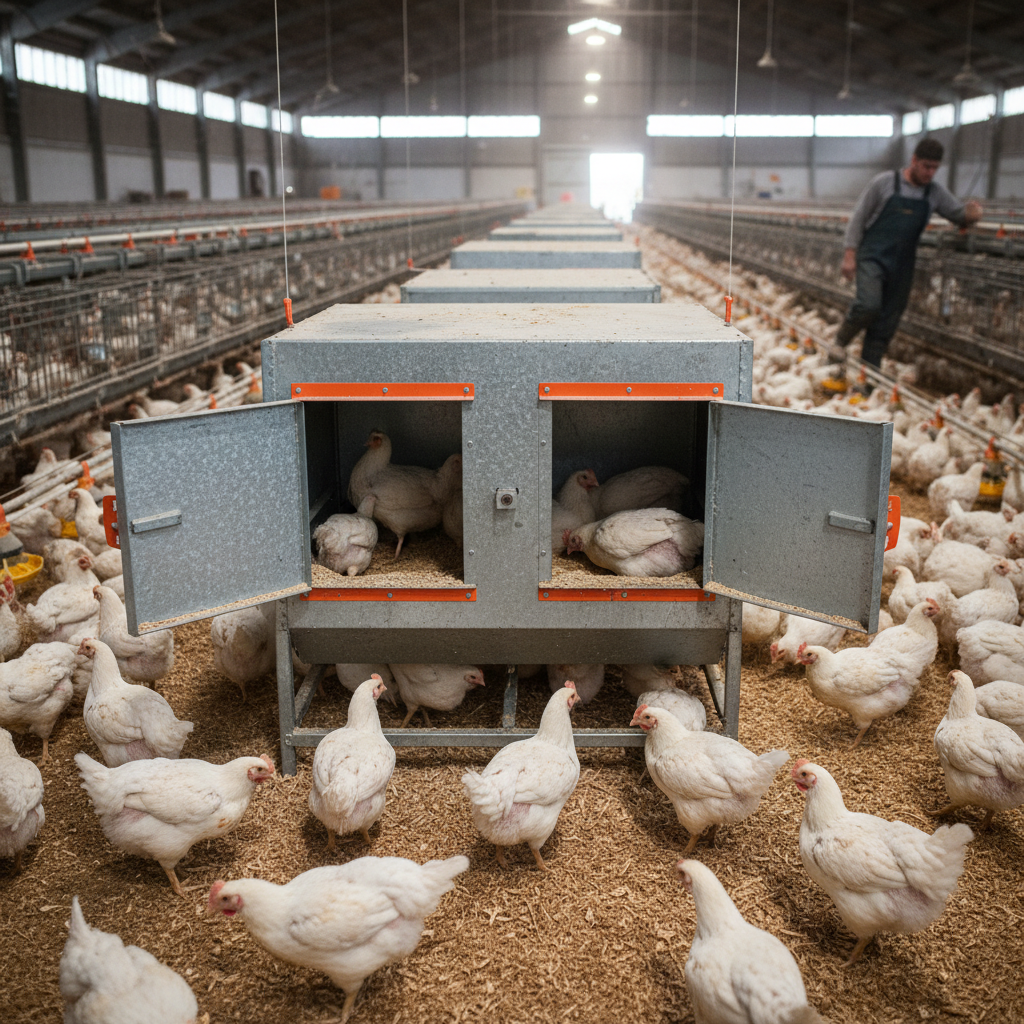
Choosing the Right Livestock Bulk Feed Bins for Your Operation
Efficient livestock feeding relies heavily on proper storage and access to feed. Livestock bulk feed bins offer a cost-effective and convenient solution for storing large quantities of feed, protecting it from the elements, and simplifying distribution. Selecting the appropriate bin size, material, and features is crucial for optimizing your farm's efficiency and minimizing waste. This article will explore the key considerations when purchasing livestock bulk feed bins, helping you make an informed decision tailored to your specific needs. Proper feed storage not only preserves nutritional value but also prevents pest infestations and ensures a consistent supply for your animals.
Understanding the Different Types of Livestock Bulk Feed Bins
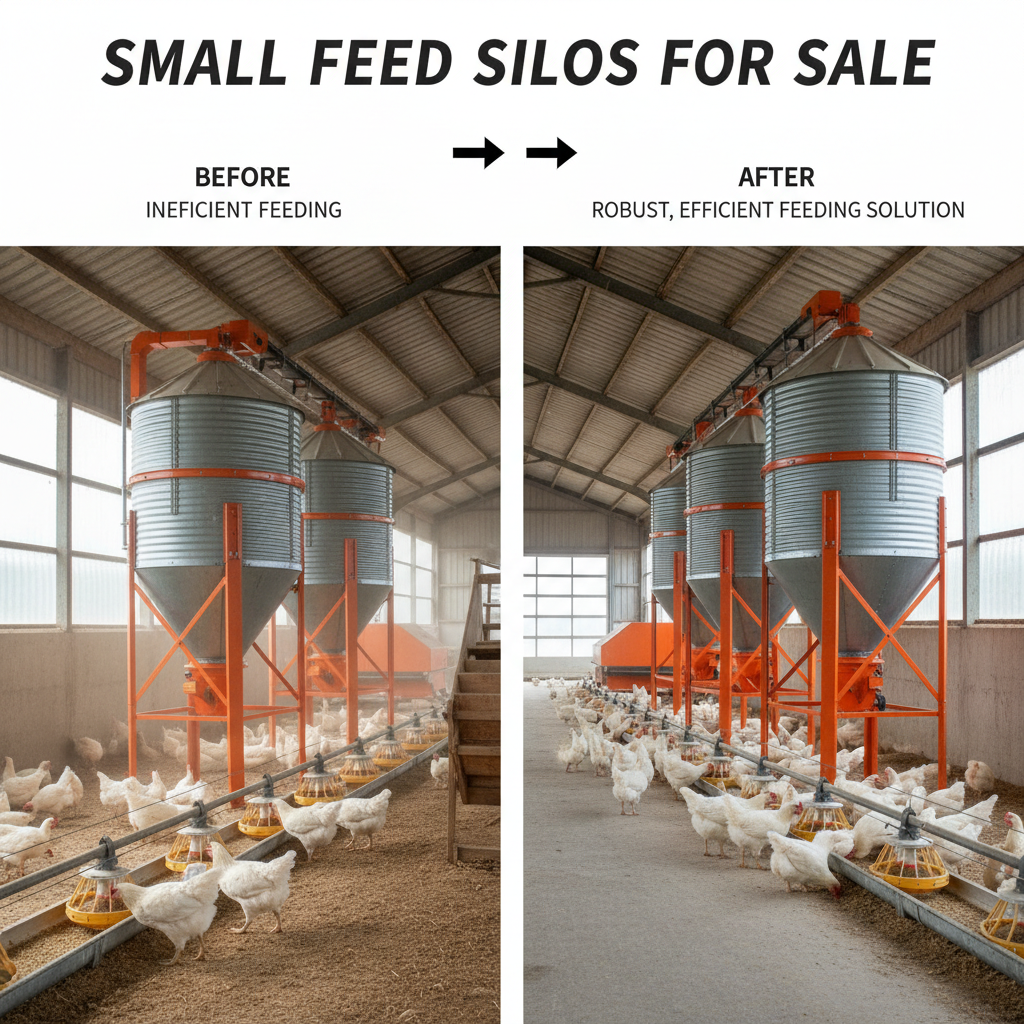
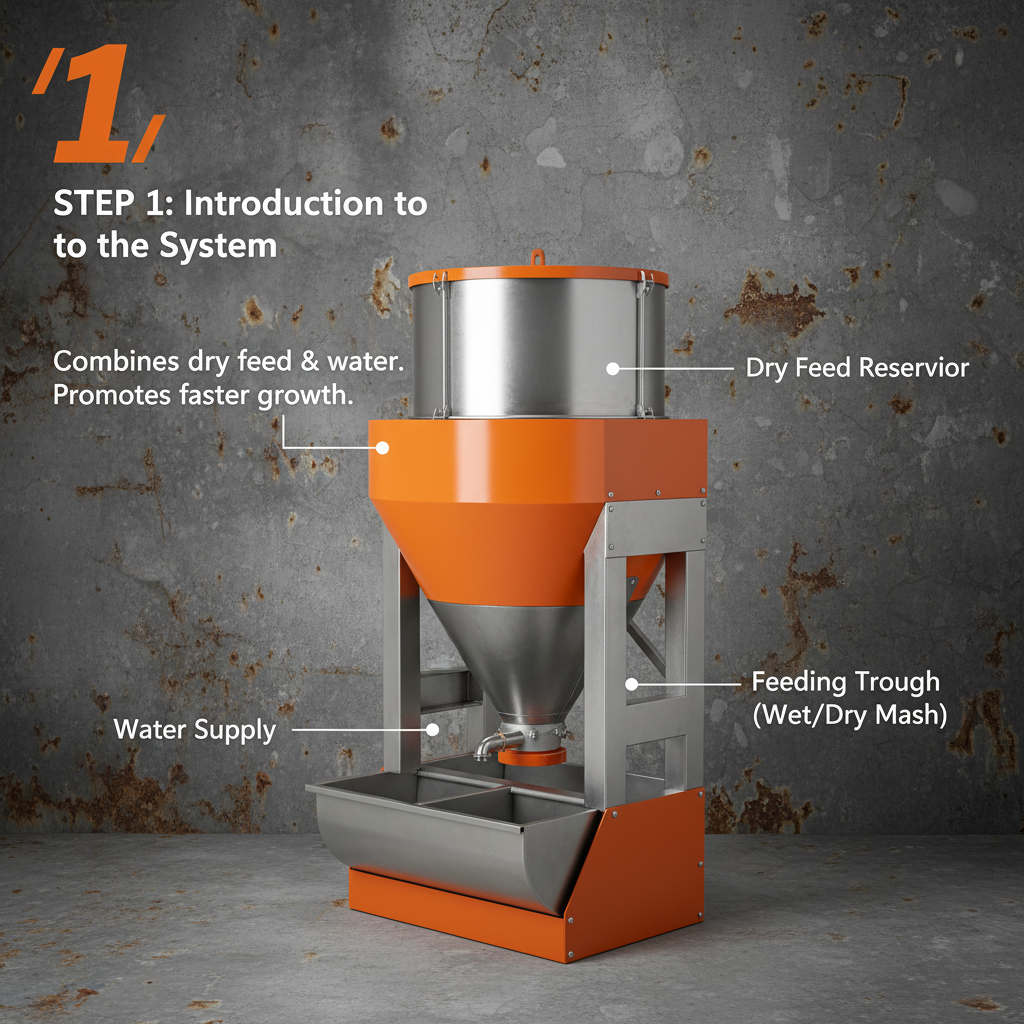
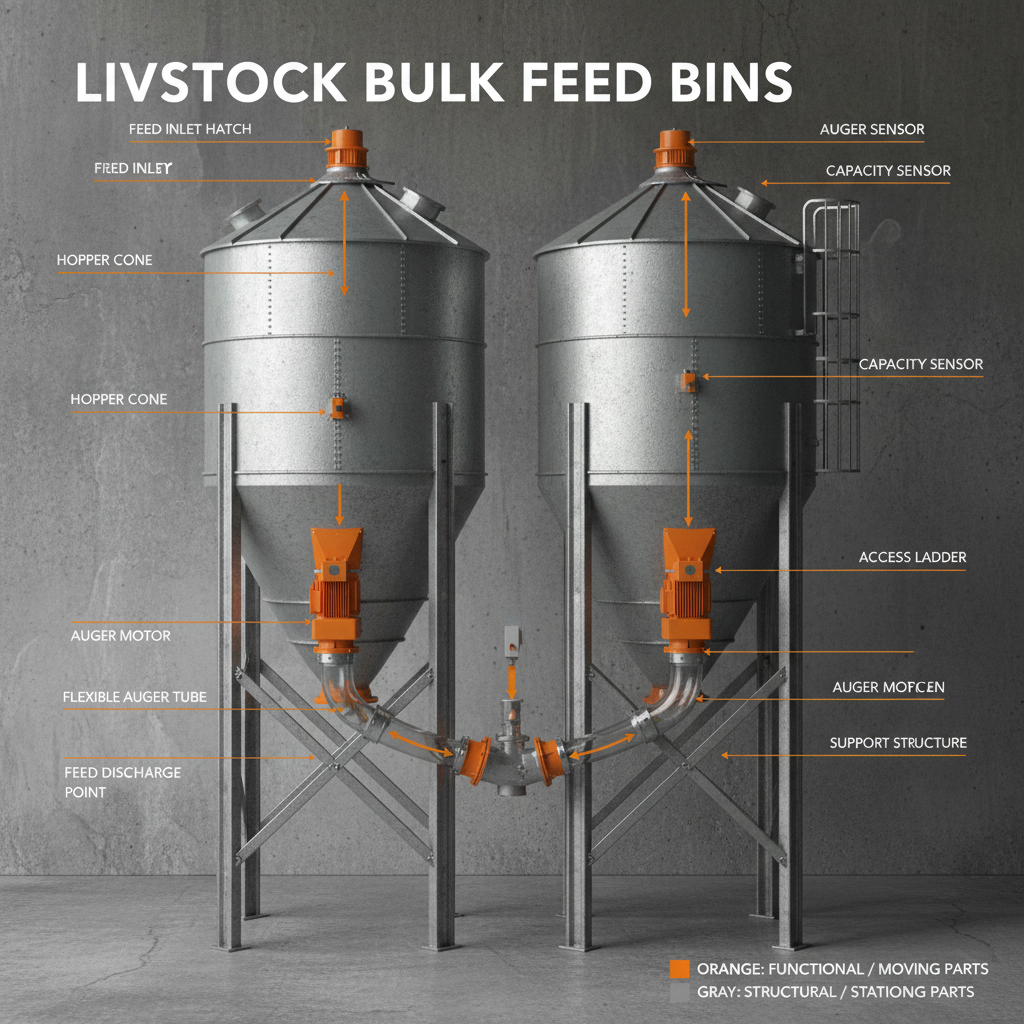
Several types of livestock bulk feed bins are available, each with its own advantages and disadvantages. The most common materials include polyethylene (plastic) and galvanized steel. Polyethylene bins are lightweight, corrosion-resistant, and typically more affordable upfront. However, they may be less durable and susceptible to cracking in extreme weather. Galvanized steel bins offer superior durability and longevity, but they are heavier and more expensive. Other considerations include cone bottom bins (for easy flow), flat bottom bins, and hopper bins. The best choice will depend on the type of feed stored, the climate, and your budget. CX Livestock offers a variety of options to suit diverse farm requirements.
Key Takeaway: Choosing the right material – polyethylene or galvanized steel – is fundamental. Consider longevity versus initial cost based on your farm's long-term needs.
Capacity and Size Considerations for Your Farm
Determining the appropriate capacity of your livestock bulk feed bins is critical. This depends on the number of animals you feed, the frequency of deliveries, and the type of feed. Overestimating capacity can lead to wasted space and increased costs, while underestimating can result in frequent refills and disruptions to your feeding schedule. Consider future growth plans when selecting a bin size. It’s generally better to err on the side of slightly larger capacity to accommodate potential increases in livestock numbers or feed consumption. Careful planning is key to avoid feed shortages or spoilage.
Capacity Planning Guide:
• Small Farm (Under 50 Head): 1-3 Ton Bins
• Medium Farm (50-200 Head): 3-6 Ton Bins
• Large Farm (200+ Head): 6+ Ton Bins (or multiple bins)
Polyethylene vs. Galvanized Steel: A Comparative Analysis
Choosing between polyethylene and galvanized steel is a primary decision when purchasing livestock bulk feed bins. The table below summarizes the key differences between the two materials, aiding in your decision-making process. Consider the lifespan, maintenance requirements, and initial investment when evaluating these options.
Features to Look for in Livestock Bulk Feed Bins
Beyond material and capacity, several features can enhance the usability and efficiency of your livestock bulk feed bins. Look for bins with secure lids to protect against pests and weather. Cone bottom bins facilitate easy unloading and minimize feed waste. Consider the ease of filling and accessing the feed. Durable construction and UV protection are also important factors. CX Livestock offers bins with various features designed to simplify your feeding process.
Maximizing Feed Storage Efficiency and Minimizing Waste
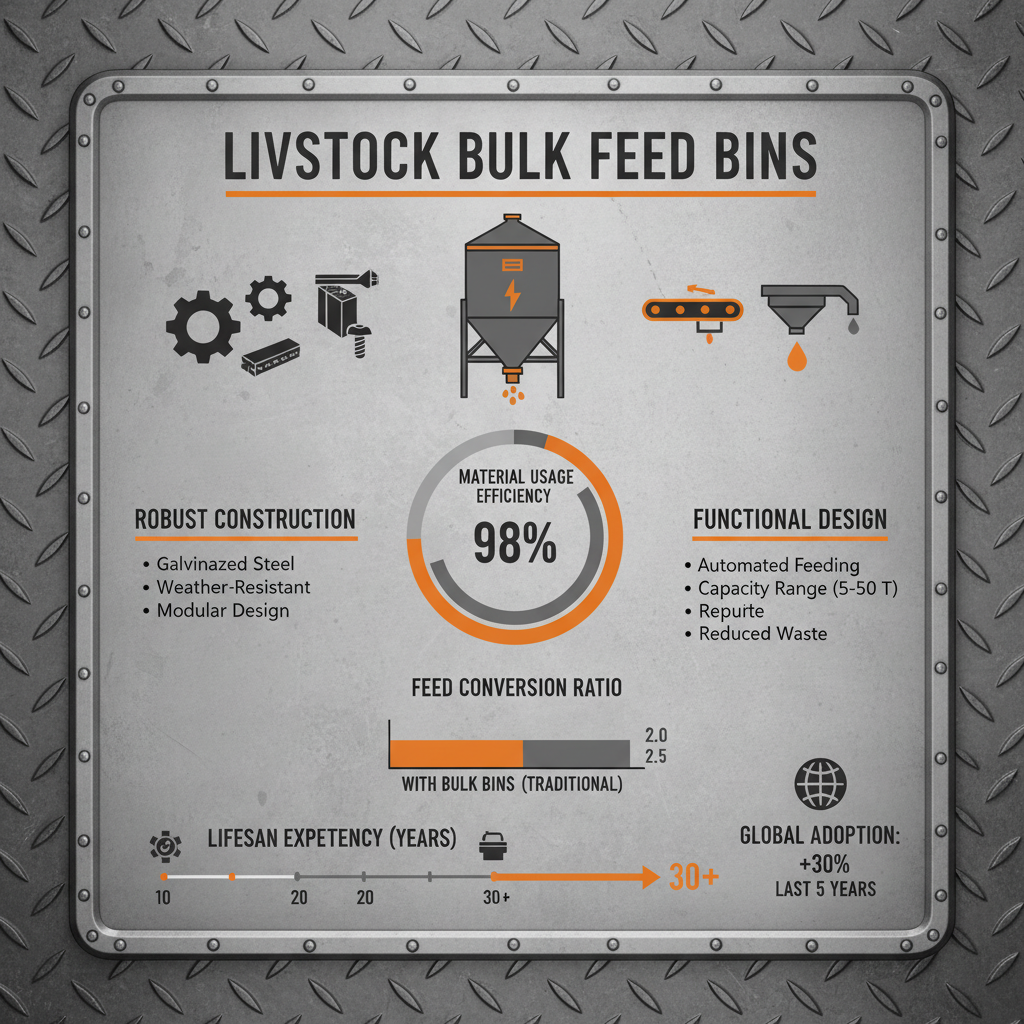
Proper feed storage is essential for maintaining feed quality and minimizing waste. Store bins in a dry, well-ventilated area, away from direct sunlight. Regularly inspect bins for leaks or damage. Implement a first-in, first-out (FIFO) system to ensure older feed is used before newer feed. Consider using bin level indicators to monitor feed levels and avoid running out. By following these best practices, you can significantly reduce feed waste and improve your farm’s profitability. Investing in quality livestock bulk feed bins is the first step towards efficient and reliable feed storage.
Conclusion: Investing in the Right Feed Storage Solution
Choosing the right livestock bulk feed bins is a significant investment in your farm’s efficiency and profitability. Consider your specific needs, budget, and climate when making your decision. CX Livestock provides a wide range of high-quality bins to meet diverse farm requirements. By prioritizing proper feed storage, you can ensure the health and productivity of your livestock while minimizing waste and costs.
Frequently Asked Questions (FAQs)
What size feed bin do I need for 100 head of cattle?
Determining the appropriate size depends on the cattle's weight and daily feed consumption. However, a good starting point for 100 head of cattle is a 6-8 ton bin, assuming a moderate feeding rate. It’s crucial to calculate your herd’s daily feed requirements accurately and factor in delivery frequency. Consider the type of feed as well – bulkier feeds require larger storage capacity. Consult with a livestock nutritionist for a precise estimate tailored to your specific herd.
How do I prevent pests from getting into my feed bins?
Secure lids are the first line of defense. Ensure the lids fit tightly and are properly sealed. Regularly inspect bins for any cracks or holes and repair them immediately. Consider using bin vent covers to prevent birds and rodents from entering through the vents. Maintaining a clean storage area and promptly cleaning up any spilled feed also helps deter pests. Implementing a pest control program can provide additional protection.
Are cone bottom bins worth the extra cost?
Cone bottom bins offer significant advantages in terms of feed flow and waste reduction. They allow for complete emptying of the bin, minimizing the amount of feed left clinging to the sides. This is particularly beneficial for feeds that tend to bridge or clump. While they are more expensive upfront, the reduced feed waste and simplified unloading can result in long-term cost savings. If you frequently deal with feeds prone to bridging, a cone bottom bin is a worthwhile investment.
What is the typical lifespan of a polyethylene feed bin?
The lifespan of a polyethylene feed bin typically ranges from 10 to 15 years, depending on weather exposure and usage. UV radiation can degrade the plastic over time, so choosing bins with UV stabilizers is crucial. Regular cleaning and inspection for cracks or damage can also extend its lifespan. While not as durable as steel, polyethylene bins offer a cost-effective and corrosion-resistant storage solution.
Post time: Mar . 26, 2026