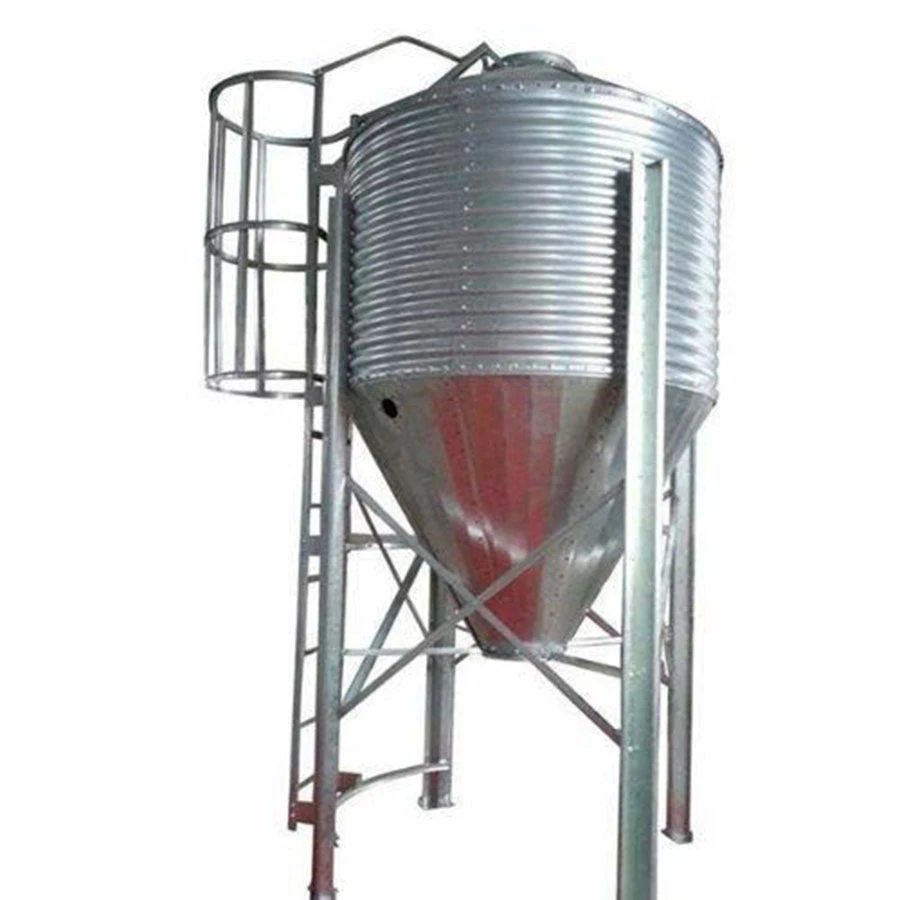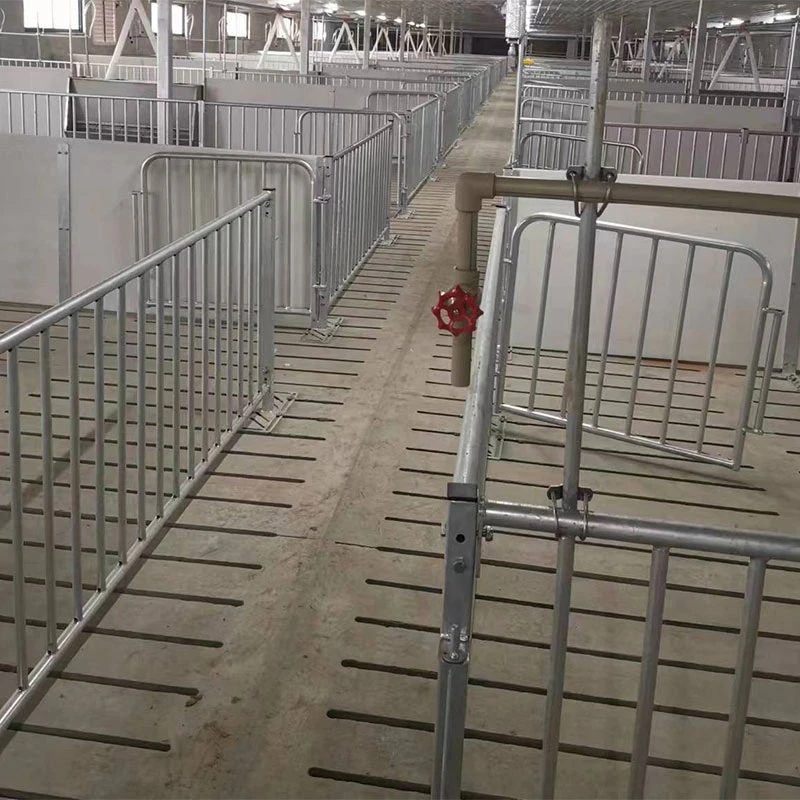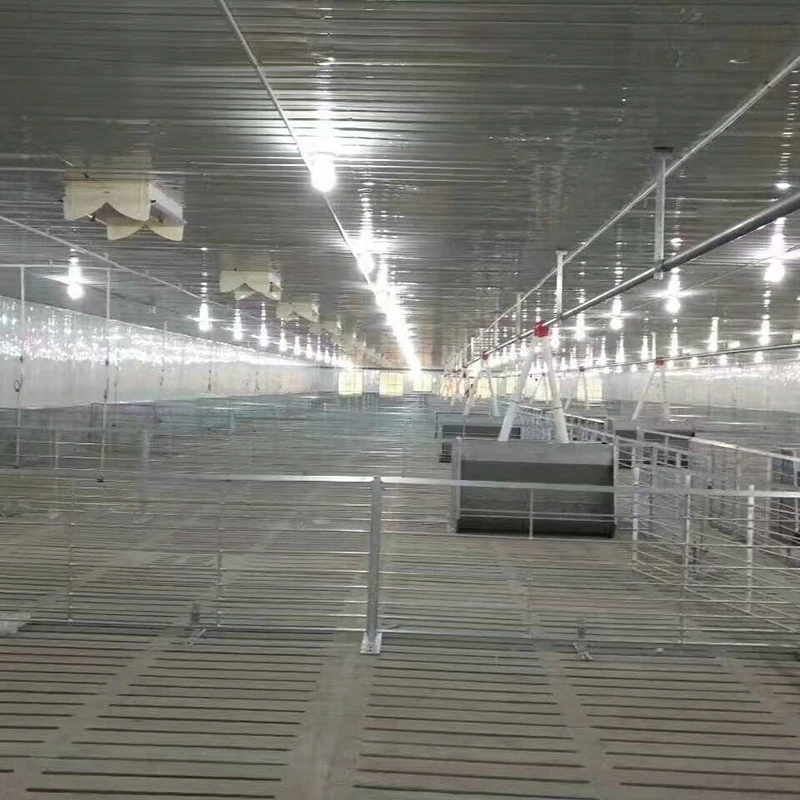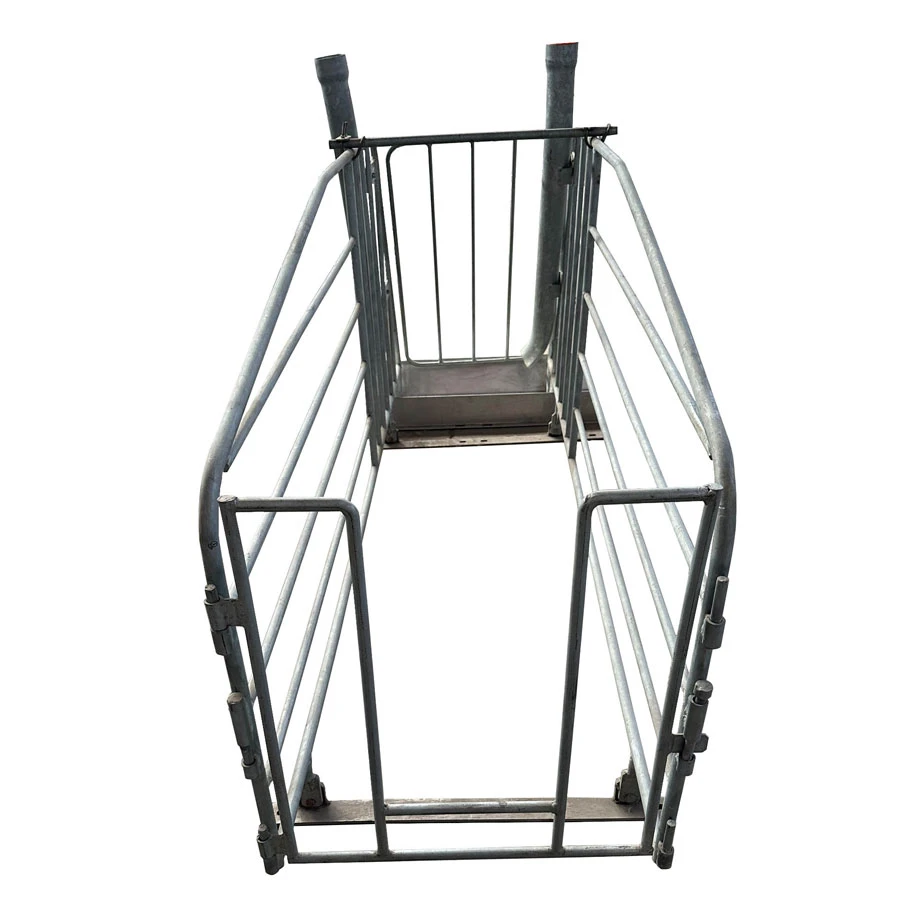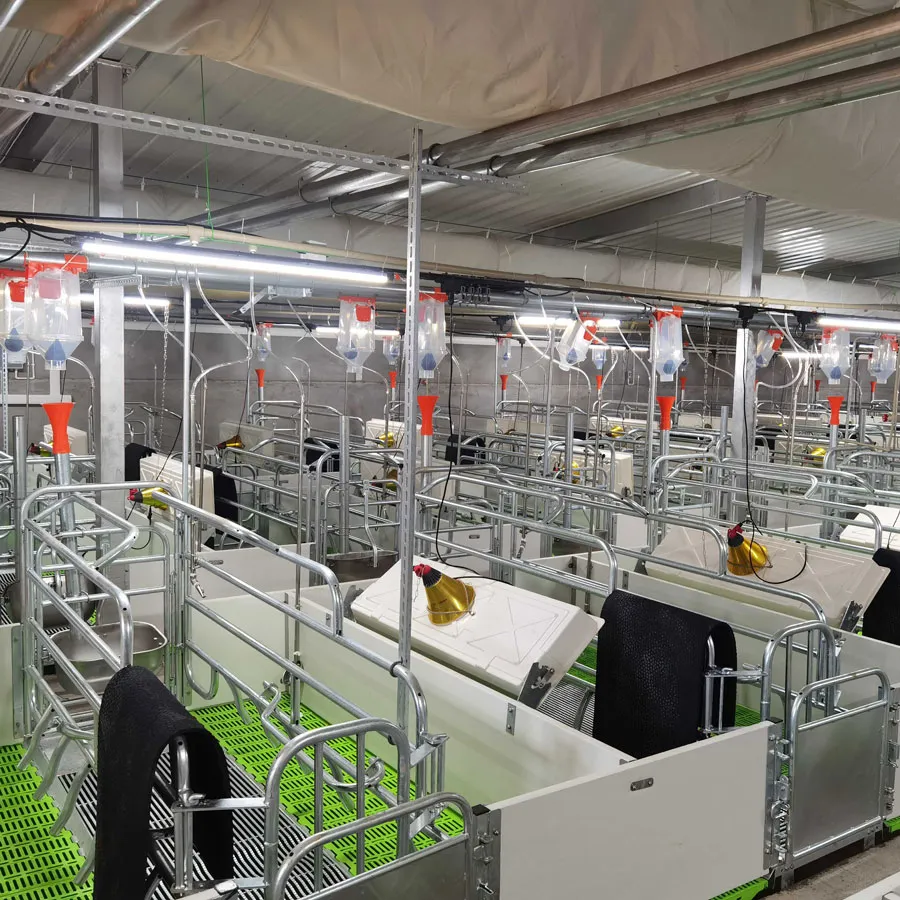
Plastic Slatted Floor is a key solution in the industry, specifically within livestock farming and industrial flooring sectors. This article explores how https://www.cxlivestock.com supports professionals with durable, high-performance products, and explains why this product is an ideal choice for businesses in these sectors.
Table of Contents
- Plastic Slatted Floor Overview
- Benefits & Use Cases of Plastic Slatted Floor
- Cost, Maintenance & User Experience
- Sustainability & Market Trends
Plastic Slatted Floor Overview
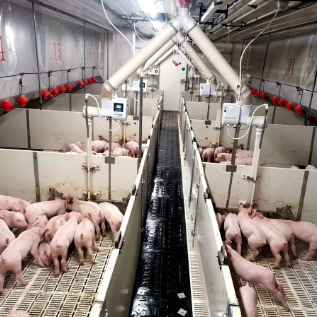
The Plastic Slatted Floor is essentially a modular flooring system used extensively in animal housing and industrial environments. Designed to support livestock while allowing waste to fall through, it is crafted from high-density polyethylene or similar durable plastics, which gives it longevity and resistance to corrosion. I’ve noticed from various case studies, particularly around pig and poultry farming, that these floors can be tailored into different slot widths and load capacities depending on the animal type and facility demands.
From a specs perspective, these floors usually measure about 1200mm by 500mm per panel, with slot widths adjustable between 12mm and 25mm depending on ventilation and cleaning requirements. The design aims to optimize waste drainage and minimize injury risks. Oddly enough, many farmers say that the plastic slatted flooring keeps the animals cleaner than traditional concrete flooring, mainly because it’s less abrasive and stays cooler during hot months.
| Specification | Details |
|---|---|
| Material | High-Density Polyethylene (HDPE) |
| Panel Dimensions | 1200mm x 500mm |
| Slot Width | 12mm - 25mm (customizable) |
| Load Capacity | Up to 1500 kg/m² |
| Weight per Panel | Approx. 10 kg |
Benefits & Use Cases of Plastic Slatted Floor
Frankly, this product has become increasingly indispensable in livestock farming facilities, especially for pig and poultry houses where hygiene and durability are paramount. Thanks to its corrosion resistance and modular design, installation and repair become less of a headache than traditional concrete floors, which crack and wear unevenly over time.
But that’s not all. Plastic slatted floors also find use in industrial environments where drainage and cleanability are key, such as food processing plants or waste management units. The slotted design allows liquids and waste to pass through efficiently, reducing standing water and improving overall sanitation standards. And the fact that these floors don’t absorb odors or bacteria as much as wood or concrete really sets them apart, according to many industry experts.
| Feature | Advantage |
|---|---|
| Corrosion Resistant | Longer lifespan compared to metal or concrete |
| Modular Panels | Easy installation and repair |
| Customizable Slot Size | Adapted for different animal sizes and waste types |
| Non-Absorbent Plastic | Improves hygiene and reduces odors |
Cost, Maintenance & User Experience
When talking about costs, Plastic Slatted Floor may seem like a bigger upfront investment than old-school concrete slabs, but it’s frankly where the real savings happen that counts. Less cracking, no need for expensive sealants, and vastly reduced labor for cleaning or replacements mean the total cost of ownership usually favours plastic floors over a 5–10 year span.
Customers from livestock facilities attesting to Plastic Slatted Floor emphasize the ease of maintenance and the improved comfort animals experience, which, oddly enough, can lead to better growth rates. One mid-size pig farmer mentioned that after switching to these floors, their veterinary bills declined due to fewer foot injuries and infections.
Sustainability & Market Trends
Sustainability is huge in this field—plastic recycling and lower environmental impact products are becoming the norm rather than the exception. Many new Plastic Slatted Floors made by companies like CX Livestock incorporate recycled plastics or are designed to be 100% recyclable themselves. This push helps operations align with increasingly strict environmental regulations and customer demands for greener options.
Plus, with the global market for modular flooring systems expanding, partly driven by animal welfare improvements and industrial hygiene standards, demand for high-quality plastic slatted floors is expected to keep rising steadily over the next few years—something anyone in B2B should keep an eye on.
Frequently Asked Questions about Plastic Slatted Floor
- What is Plastic Slatted Floor and how does it work?
- Plastic Slatted Floor consists of interlocking plastic panels with slots designed to support animals while allowing waste materials to fall through to a collection area below, improving hygiene and animal comfort.
- What are the main benefits of using Plastic Slatted Floor in industrial applications?
- Key benefits include corrosion resistance, ease of cleaning, reduced maintenance, improved animal welfare by providing non-slip and comfortable footing, and customizable designs for specific industry needs.
- How does Plastic Slatted Floor compare to traditional alternatives?
- Compared to concrete or metal slats, plastic floors last longer without cracking or rusting, are easier to install and replace, are quieter underfoot, and offer better drainage and hygiene performance.
- What industries can benefit most from Plastic Slatted Floor implementation?
- Primary industries include livestock farming (pigs, poultry), food processing plants, waste management facilities, and any industrial setting requiring durable, hygienic, and easy-to-clean flooring solutions.
Conclusion on Plastic Slatted Floor from china
To sum it up, the Plastic Slatted Floor is more than just a flooring option—it’s a strategic investment into durability, animal welfare, and operational efficiency that increasingly speaks to modern B2B decision-makers in agriculture and industry alike. It feels like the flexibility in design combined with sustainability aims perfectly matches today’s market demands. If you’re weighing options for facility upgrades or new builds, I’d say take a close look here.
- Recap the value of Plastic Slatted Floor.
- - Visit our website: https://www.cxlivestock.com
| Vendor | Material | Panel Size (mm) | Customization Options | Typical Lead Time |
|---|---|---|---|---|
| CX Livestock | HDPE, recycled content | 1200x500 | Slot width, colors, load capacities | 2-4 weeks |
| Competitor A | Virgin polyethylene | 1000x600 | Limited slot sizes | 4-6 weeks |
| Competitor B | Polypropylene blend | 1200x500 | Custom colors, only standard slots | 3-5 weeks |
Reflecting on these insights, it’s clear that investing in quality plastic slatted floors like those from CX Livestock can be more than just a cost-saving measure—it also brings operational efficiency and improved animal welfare that pay dividends over time.
References:1. Industry case studies: Livestock Tech Journal, 2023.
2. Environmental Product Declarations, CX Livestock, 2024.
3. Customer testimonials via https://www.cxlivestock.com
Post time: Jan . 06, 2026