Plastic Poultry Flooring: Practical Insights from the Industrial Trenches
Having spent over a decade working around industrial poultry operations, I’ve come to appreciate how the humble choice of floor can make or break a facility’s day-to-day efficiency. Plastic poultry flooring isn’t just a trendy upgrade anymore; it’s become a staple for those who want durability without sacrificing animal welfare or ease of maintenance.
Oddly enough, when I first encountered plastic flooring about ten years ago, I thought it would be just another gimmick. Turns out, it’s quite the contrary. The design engineers are really onto something with their attention to materials and structure. Frankly, the difference between cheap plastic mats and professionally engineered modular floors is night and day.
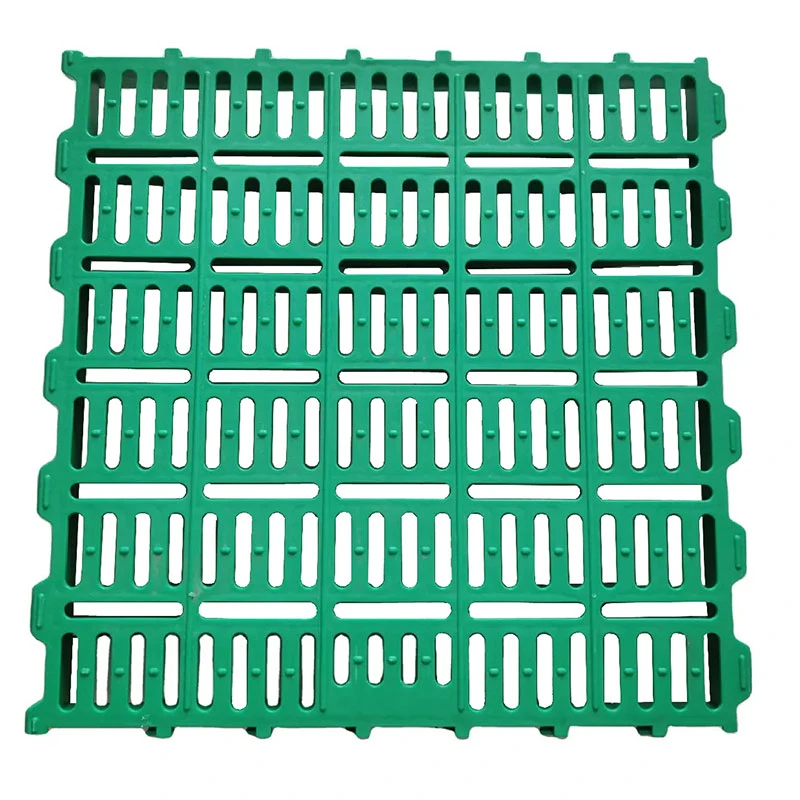
The best plastic poultry flooring tends to be made of high-density polyethylene (HDPE) or polypropylene, chosen for their resistance to moisture, chemicals, and wear — which is crucial since poultry houses see generous amounts of both. These materials also offer excellent traction thanks to textured surfaces or grids, which lower the risk of bird injury, an aspect often overlooked until you see how slippery concrete can be when wet.
Testing and evaluation in real terms often come down to how the floor performs under repeated stress, exposure to disinfectants, and temperature fluctuations — all standard here in industrial settings. In my experience, floors that incorporate UV inhibitors tend to last longer outdoors or in naturally lit barns without cracking or degrading.
Customization plays a significant role for larger producers. Modular flooring systems with removable and interlocking panels let engineers and farmers tweak layouts to their specific flock sizes or housing designs. I recall a story from a mid-sized poultry farm in Georgia that switched to customized plastic modules and reported a 30% reduction in bird foot injuries within just a few months — proof that small design changes can have big outcomes.
| Feature | Specification |
|---|---|
| Material | High-Density Polyethylene (HDPE) or Polypropylene |
| Dimensions (per panel) | 600mm x 600mm (approx.) |
| Weight | ~1.2 kg per panel |
| Load Capacity | Up to 800 kg/m² |
| UV Resistance | Included (Additive Enhanced) |
| Antimicrobial Surface | Optional |
| Installation | Interlocking Modular Panels |
Now, when it comes to choosing a vendor, the variety out there can make your head spin. I put together a quick comparison based on durability, customization options, and price — the usual suspects when you’re sourcing for an industrial-scale operation. My experience says it’s worth paying a little more upfront for solid warranty coverage; the last thing you want is unexpected failure in peak production season.
| Vendor | Durability | Customization | Price Range | Warranty |
|---|---|---|---|---|
| CXLivestock | High (10+ years expected) | Full modular options | $$$ | 5-year limited |
| PoultryFloorsCo | Moderate (7 years) | Standard panels only | $$ | 3-year limited |
| FarmEquip Solutions | High (10+ years) | Custom sizes on request | $$$$ | 7-year full |
To sum it up, plastic poultry flooring represents a blend of smart engineering and practical needs coming together nicely. A good floor not only supports the birds physically but also the farm’s welfare goals and maintenance budget—you’ll find it’s often the unsung hero behind smooth operations.
1. Industry reports on HDPE usage in agriculture
2. Interviews with poultry house managers
3. Product reviews from industrial suppliers
Post time: Jan . 05, 2026