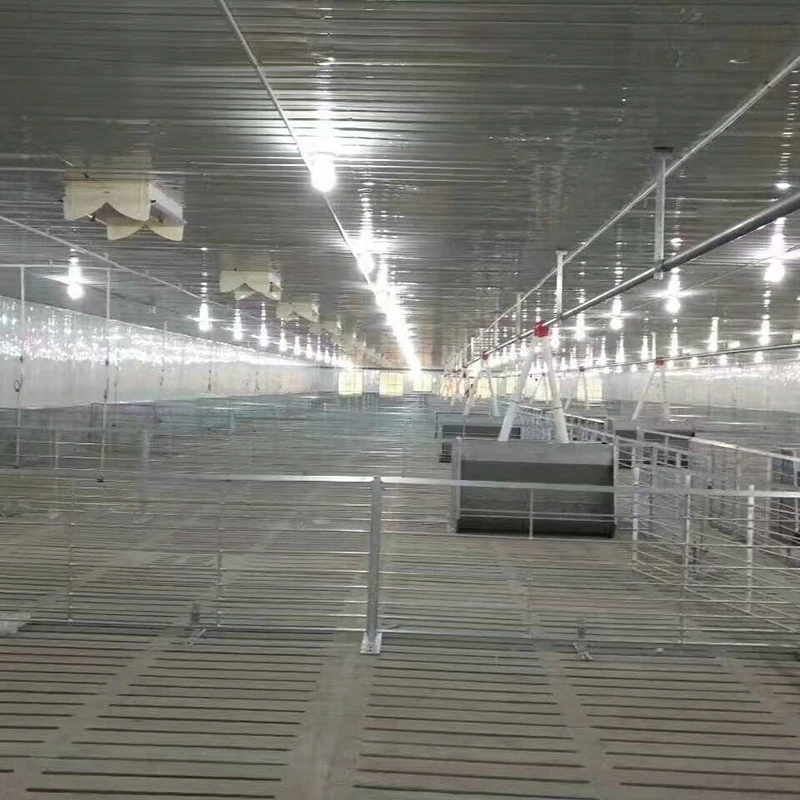
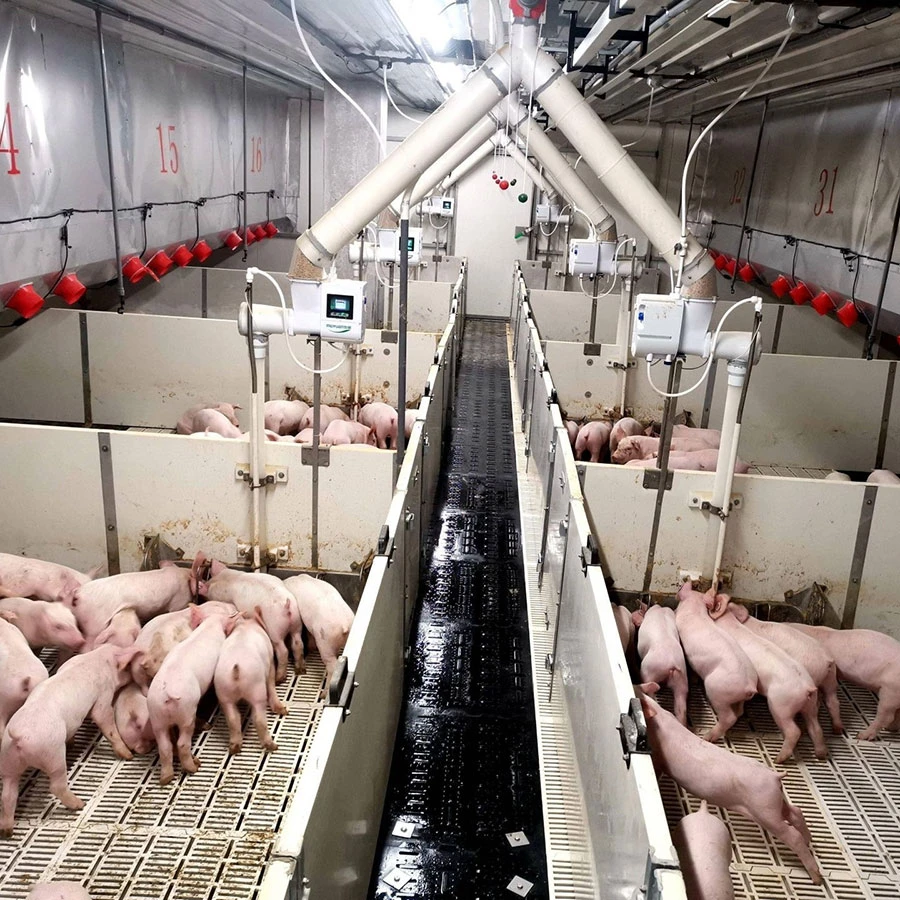
Successful pig farming hinges on providing sows with safe, comfortable, and efficient housing throughout their reproductive cycle. Properly designed farrowing and gestation facilities not only support animal welfare but also optimize farm productivity by reducing piglet mortality and streamlining sow management. This article explores essential equipment such as farrowing cages and gestation crates, including hog gestation crates, gestation crates sows, and gestation crates for pigs, which play a critical role in modern swine operations.
Farrowing Cages, Farrowing Stall, and Gestation Crates for Sows
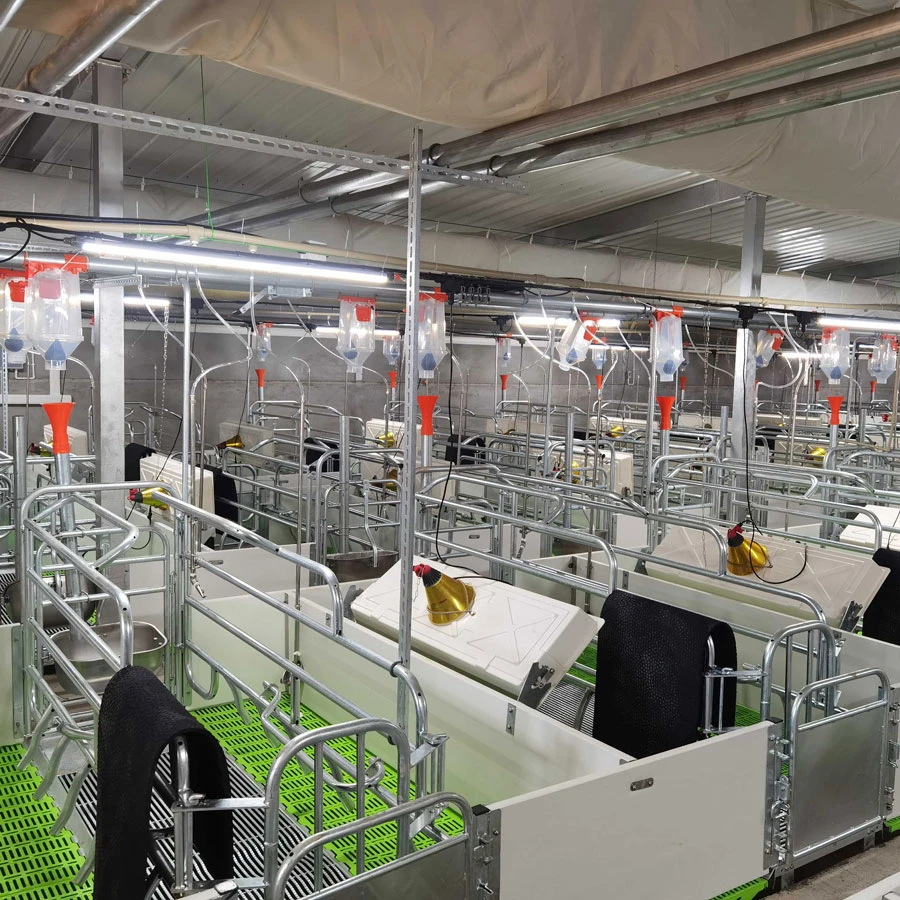
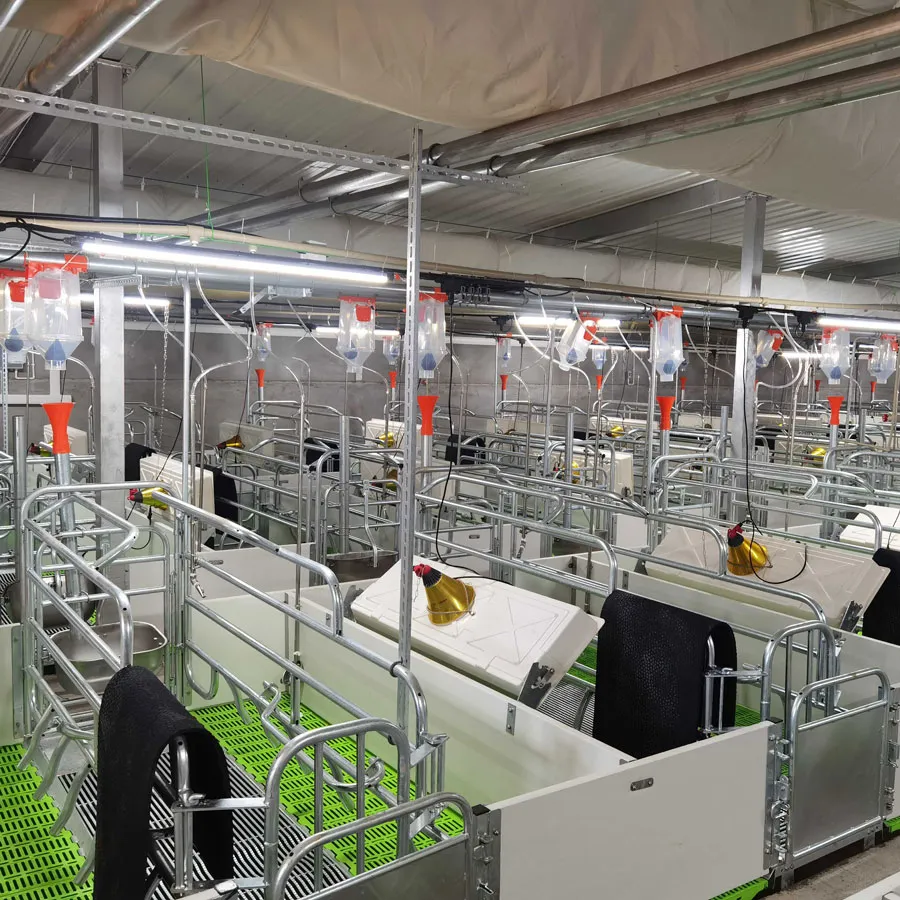
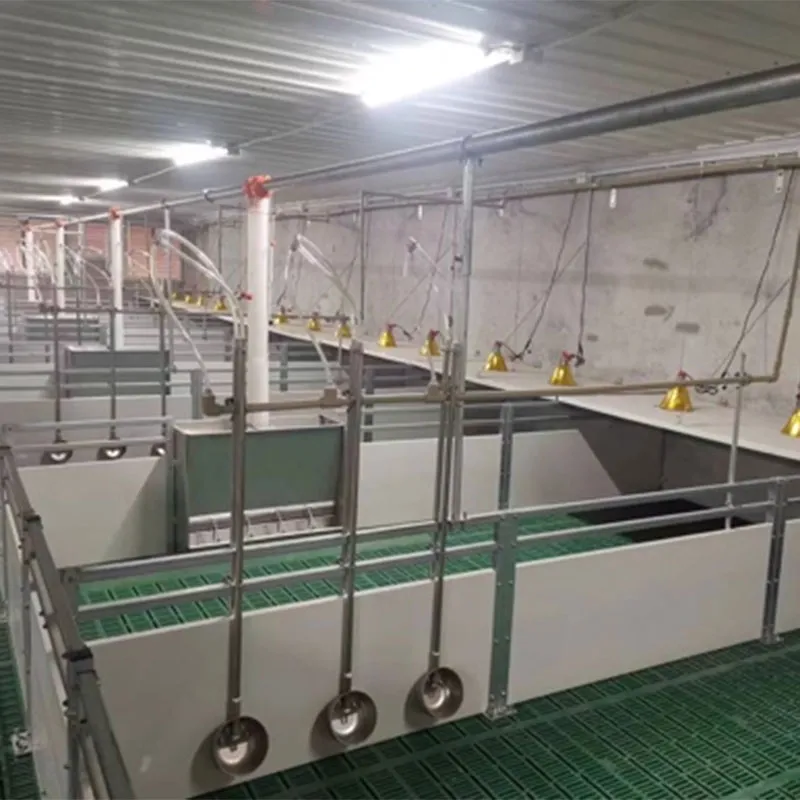
In pig farming, providing safe and efficient housing for sows is vital for reproductive success and piglet health. Farrowing cages and stalls offer spacious, secure environments for sows to eat, rest, and nurse their piglets. These systems are designed to improve piglet survival by preventing accidental crushing and providing heating areas that keep newborns warm. Made with high-strength steel and coated for corrosion resistance, these farrowing systems withstand demanding farm conditions. The well-thought-out structure of farrowing stalls supports the sow’s recovery during lactation, making it easier for farmers to manage breeding cycles effectively.
The Role of Farrowing Systems in Piglet Safety and Sow Recovery
A well-designed farrowing stall is more than a simple enclosure; it is a carefully engineered environment that supports sows during birthing and lactation. Farrowing systems such as sow farrowing crates and raised farrowing crates provide ample space for sows to rest and feed while offering secure, heated areas for piglets. These features help reduce piglet mortality by protecting them from accidental crushing and maintaining optimal warmth. Constructed with sturdy steel frames and corrosion-resistant coatings, these crates withstand the rigors of daily farm life and offer long service life.
How Gestation Crates Improve Farm Management and Breeding Efficiency
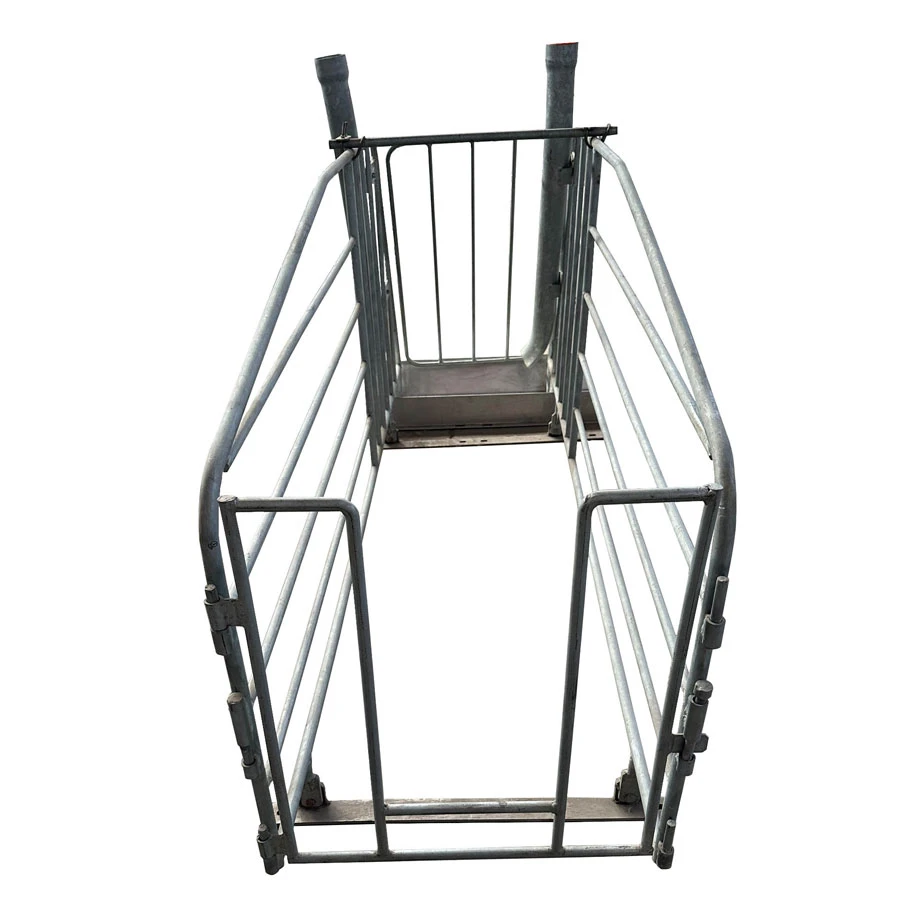
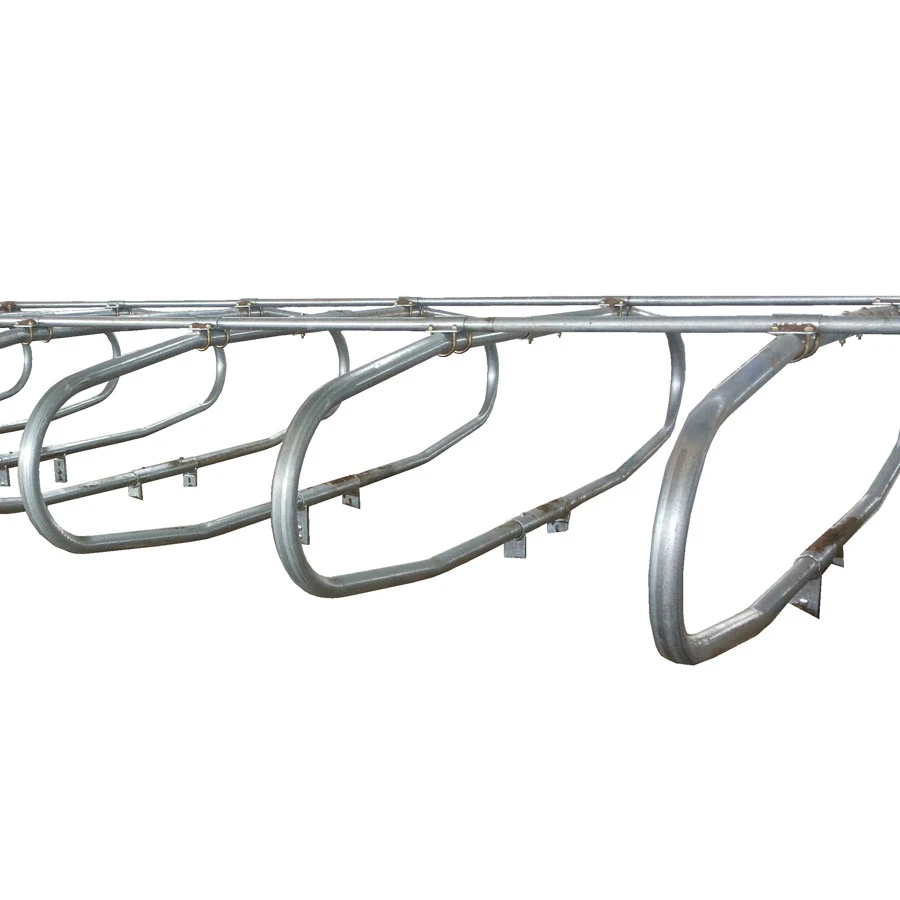
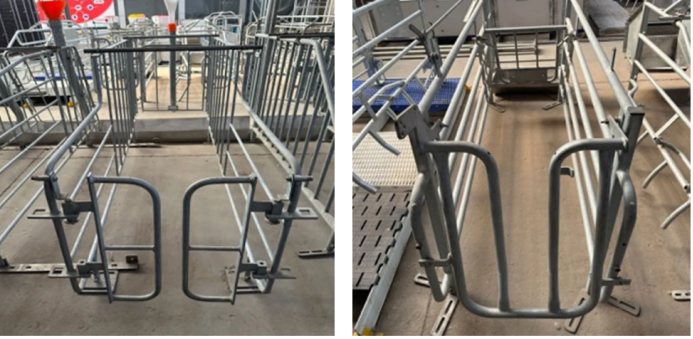
The use of gestation crates in sow management enhances the efficiency of feeding, health monitoring, and space utilization. Hog gestation crates are specifically designed to withstand sow movements, with strong steel construction and secure welds to prevent damage. These crates help reduce aggressive interactions among sows, allowing safer and more controlled breeding environments. Hot-dip galvanizing and protective coatings ensure durability against rust and corrosion, even in challenging farm conditions. Adjustable features in gestation crates sows, such as crate height and door design, allow customization for different sow sizes and farm layouts.
Customization and R&D-Driven Enhancements for Your Farm
Modern pig farming demands adaptable solutions. Gestation crates for pigs are increasingly designed with flexibility in mind, offering adjustable positions to enhance sow comfort and safety. Innovative features like slanted front doors, flipped rear doors, and customizable feeding ports contribute to improved welfare and ease of management. These crates also support compatibility with various flooring types and environmental conditions. With OEM and ODM options, farmers can obtain tailor-made crates that meet specific operational requirements and local regulations.
Farrowing and Gestation Crates FAQs
What are the advantages of using gestation crates in pig farming?
Gestation crates provide a controlled environment that reduces aggressive behavior among sows, minimizing injury risk. They allow precise individual feeding, which prevents overfeeding or underfeeding and supports better reproductive health. Additionally, these crates improve space management by optimizing sow housing density without compromising welfare, leading to increased farm productivity and healthier litters.
How durable are hog gestation crates in farm conditions?
Hog gestation crates are manufactured using high-strength steel and finished with hot-dip galvanizing, typically with zinc coatings of 80µm or more. This treatment ensures excellent resistance to rust, corrosion, and mechanical wear, even under the humid, demanding conditions of pig farming. As a result, these crates offer long-term durability and require minimal maintenance, reducing replacement and repair costs.
Are there innovations in gestation crate design to enhance sow comfort?
Yes. Recent designs of gestation crates for pigs incorporate ergonomic elements such as slanted or flipped doors to provide sows more space and accessibility. Adjustable feeding ports, padded surfaces, and improved ventilation options are becoming more common, all aimed at reducing stress and improving comfort. Some designs also focus on better waste management within the crate to maintain hygiene and promote a healthier environment.
How do farrowing cages help increase piglet survival rates?
Farrowing cages are designed to protect newborn piglets from being accidentally crushed by the sow, a major cause of piglet mortality. They provide separate zones for piglets to nurse and rest safely, often including heated areas that maintain optimal body temperature. These features improve piglet survival and growth rates, which directly benefits farm profitability.
Are gestation crates compliant with animal welfare regulations?
Many gestation crates are designed to comply with national and international animal welfare standards. Adjustable and ergonomic designs help meet welfare guidelines by providing adequate space, comfort, and environmental enrichment. However, regulations vary by country and region, so it’s important for farms to verify compliance with their local laws and upgrade equipment accordingly.
Post time: jul . 31, 2025