Heavy Duty Floor Grates: A Comprehensive Guide
When designing industrial or commercial spaces, selecting the right flooring is critical for safety, durability, and functionality. Heavy duty floor grates are often the preferred choice for areas requiring drainage, ventilation, or simply a robust walking surface. This article will delve into the benefits, applications, material options, and key considerations when choosing heavy duty floor grates. Understanding these factors will help you make an informed decision to optimize your facility’s performance and safety.
What are Heavy Duty Floor Grates?
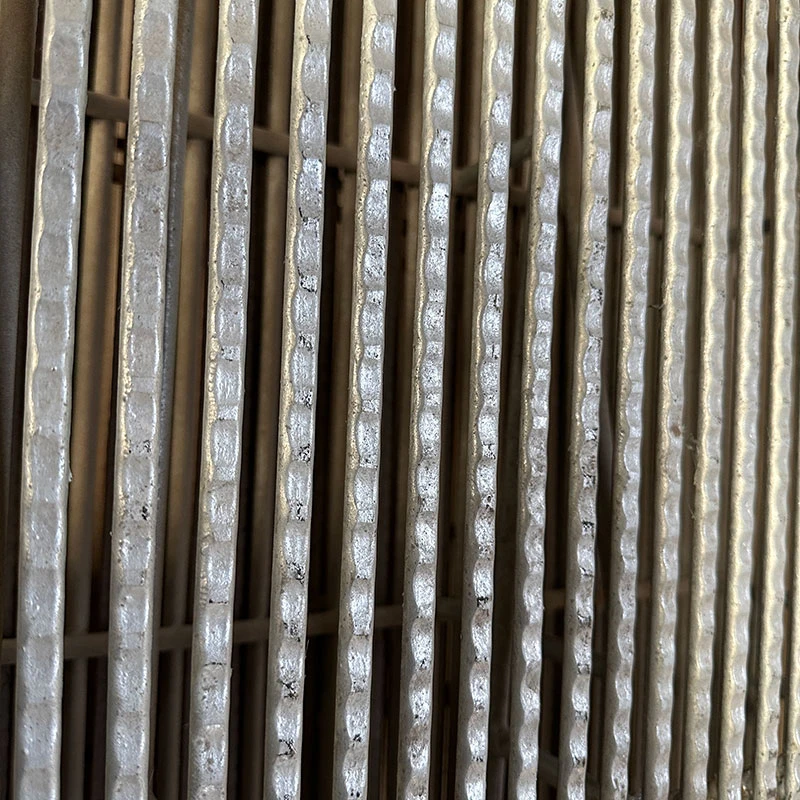
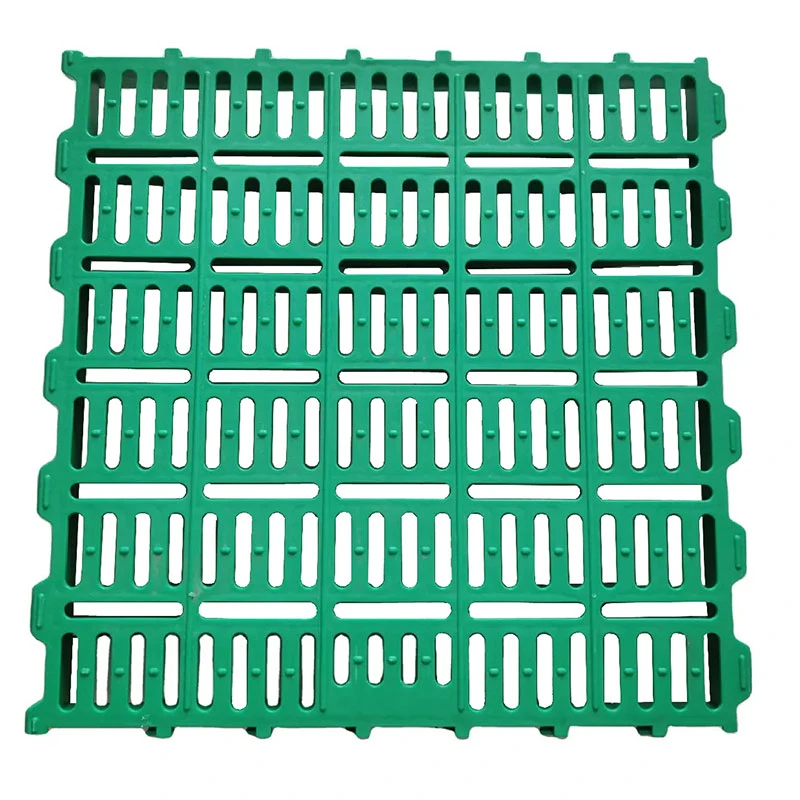
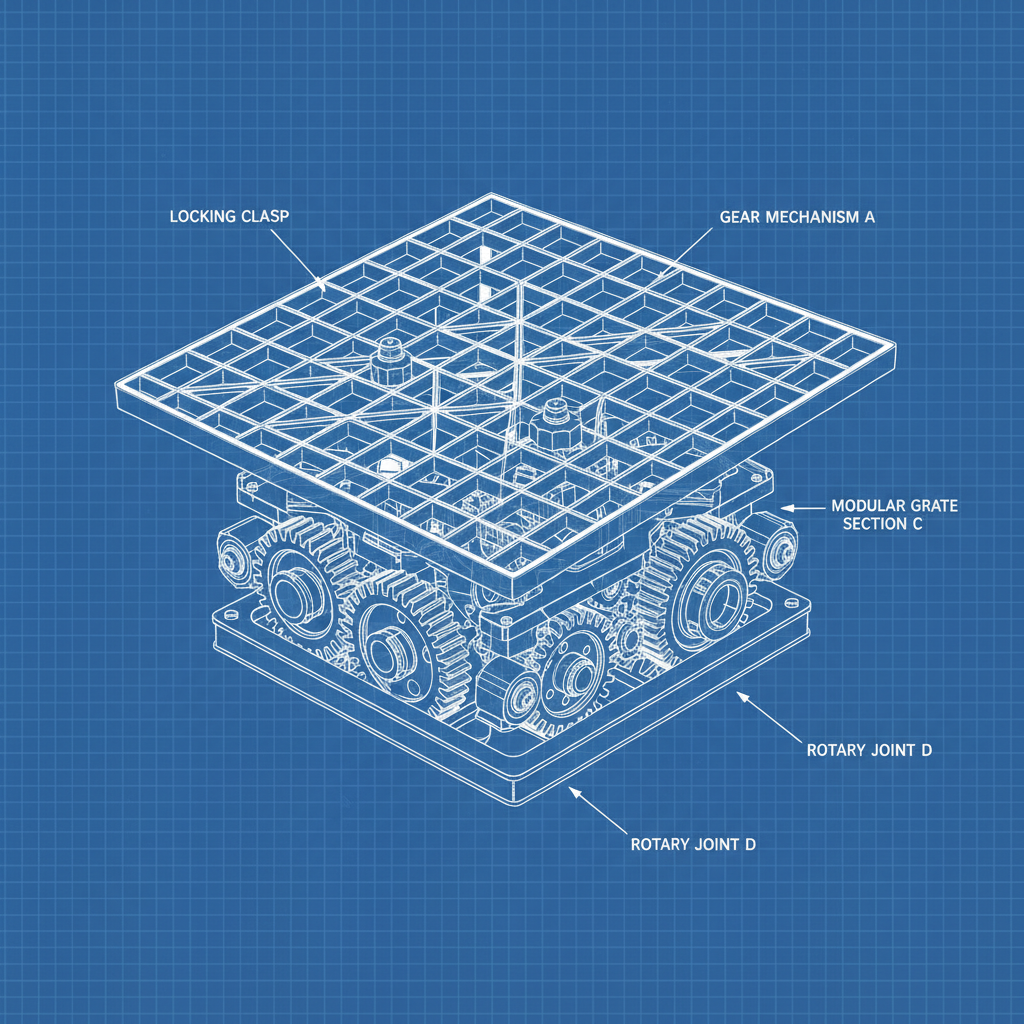
Heavy duty floor grates are open grid flooring solutions engineered to withstand significant loads and harsh environments. Unlike solid flooring, their open design allows liquids, debris, and air to pass through, making them ideal for applications where drainage or ventilation is essential. They are commonly found in agricultural facilities, industrial plants, wastewater treatment facilities, and livestock barns. The robust construction ensures long-lasting performance, reducing maintenance costs and improving overall operational efficiency. CX Livestock offers a wide array of these solutions designed for longevity and performance.
Key Benefits: Durability, excellent drainage, increased ventilation, reduced slip risk, minimal maintenance.
Common Applications of Heavy Duty Floor Grates
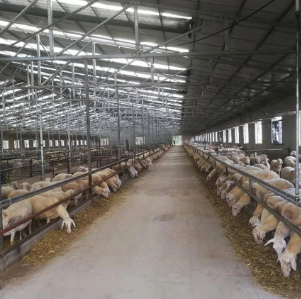
The versatile nature of heavy duty floor grates allows for use in a broad spectrum of industries. In agricultural settings, they provide safe and hygienic walking surfaces for livestock areas, ensuring proper sanitation and preventing animal injury. Industrial plants utilize them in walkways, platforms, and around machinery to improve worker safety and facilitate drainage of spills. Wastewater treatment facilities depend on their corrosion resistance and drainage capabilities. Furthermore, they are commonly used in chemical processing plants, food processing facilities, and oil & gas industries.
Application Examples:
• Livestock barns and pens
• Industrial walkways and platforms
• Wastewater treatment plants
• Chemical processing facilities
Material Options: Choosing the Right Grate for Your Needs
Heavy duty floor grates are available in several materials, each with its own set of advantages and disadvantages. Steel is a popular choice due to its strength and affordability, but it requires regular maintenance to prevent corrosion. Stainless steel offers superior corrosion resistance, making it ideal for wet or corrosive environments. Fiberglass Reinforced Plastic (FRP) is lightweight, non-conductive, and highly corrosion resistant, making it suitable for chemical plants and electrical environments. Aluminum is another lightweight option offering good corrosion resistance, although it may not be as strong as steel. The right material will depend on the specific application and environmental factors.
Key Considerations When Selecting Floor Grates
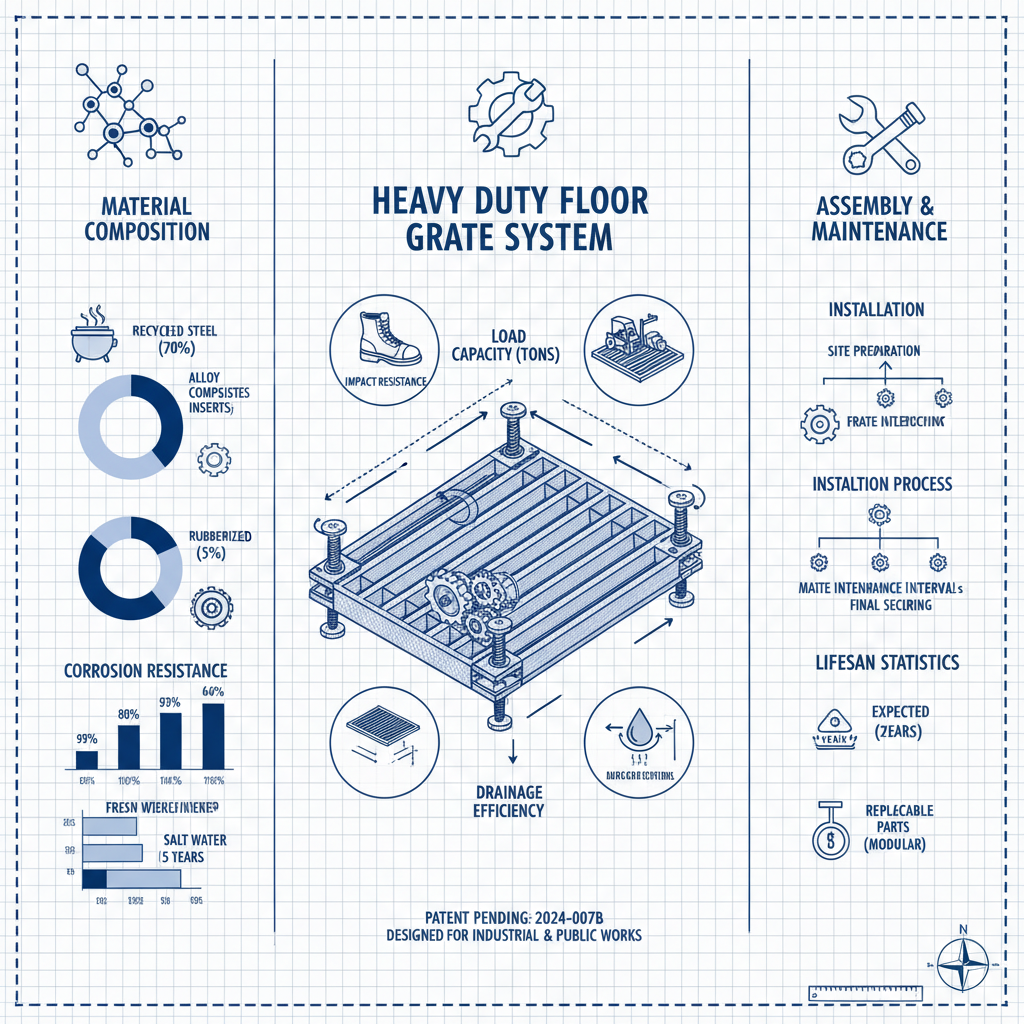
Beyond material selection, several factors influence the optimal choice of heavy duty floor grates. Load capacity is paramount, ensuring the grates can safely support anticipated weights. The opening size is crucial for effective drainage and ventilation; smaller openings may require more frequent cleaning. Installation considerations, such as the need for welding or bolting, should also be taken into account. Finally, consider the grating's surface texture to minimize slip hazards, especially in wet or oily environments.
Safety Standards and Compliance
Floor grates must meet relevant safety standards to ensure worker protection and regulatory compliance. Standards such as those set by the North American Steel Fabricators Association (NASFA) and OSHA provide guidelines for load capacity, slip resistance, and material quality. It’s critical to verify that the selected grates are certified to meet these standards. Proper installation is equally important; grates should be securely fastened and free of sharp edges or protrusions. CX Livestock ensures all their products meet or exceed industry safety regulations.
Conclusion: Investing in Quality Floor Grates
Choosing the right heavy duty floor grates is a crucial investment in the safety, efficiency, and longevity of your facility. By carefully considering material options, load capacity, safety standards, and application-specific needs, you can select a solution that delivers optimal performance and value. Don’t compromise on quality – prioritize durable, reliable floor grates that will withstand the demands of your operation.
Frequently Asked Questions (FAQs)
What is the typical lifespan of heavy duty floor grates?
The lifespan of heavy duty floor grates varies depending on the material, environmental conditions, and load intensity. Steel grates, with proper maintenance (painting or galvanizing), can last 20-30 years or more. Stainless steel offers even greater longevity, potentially exceeding 50 years. FRP grates have a lifespan of 25-30 years, but may degrade under prolonged UV exposure. Regular inspection for corrosion, cracks, or deformation is crucial to identify potential issues and ensure continued safe operation.
How do I determine the appropriate load capacity for floor grates?
Determining the correct load capacity involves calculating the maximum anticipated weight the grates will need to support, including the weight of personnel, equipment, and any stored materials. Factor in a safety margin to account for dynamic loads and potential overloads. Consult with a structural engineer or the grate manufacturer to ensure the selected grates meet or exceed the required load capacity for your specific application.
What is the best way to clean and maintain heavy duty floor grates?
Regular cleaning is essential to prevent the buildup of debris and maintain drainage efficiency. Use a pressure washer or industrial cleaning solution to remove dirt, grime, and other contaminants. For steel grates, apply a protective coating (paint or galvanizing) to prevent corrosion. Regularly inspect the grates for damage and replace any damaged or worn components promptly.
Are FRP grates suitable for use in food processing facilities?
Yes, FRP grates are an excellent choice for food processing facilities. They are non-toxic, corrosion-resistant, and easy to clean, meeting strict hygiene requirements. They also do not harbor bacteria or promote mold growth. However, it’s essential to choose an FRP grate specifically designed for food contact applications and ensure it meets relevant FDA regulations.
Post time: Feb . 11, 2026