Understanding the Versatility of the Hog Trough
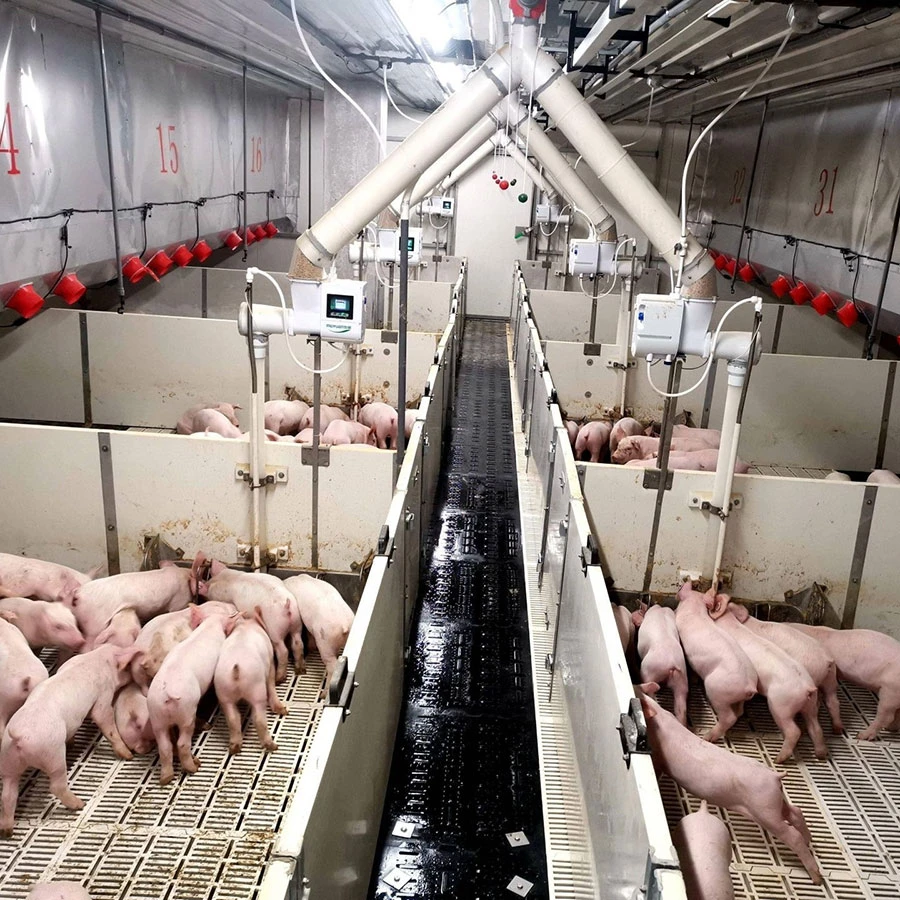
The hog trough, often overlooked, is an essential piece of livestock management equipment. It provides a hygienic and efficient way to deliver water to pigs, contributing to their health, growth, and overall well-being. This article will explore the different types of hog troughs, their benefits, materials, and considerations for selecting the right one for your farm. Proper watering systems are crucial for successful swine production, and understanding the role of the hog trough is a key part of that.
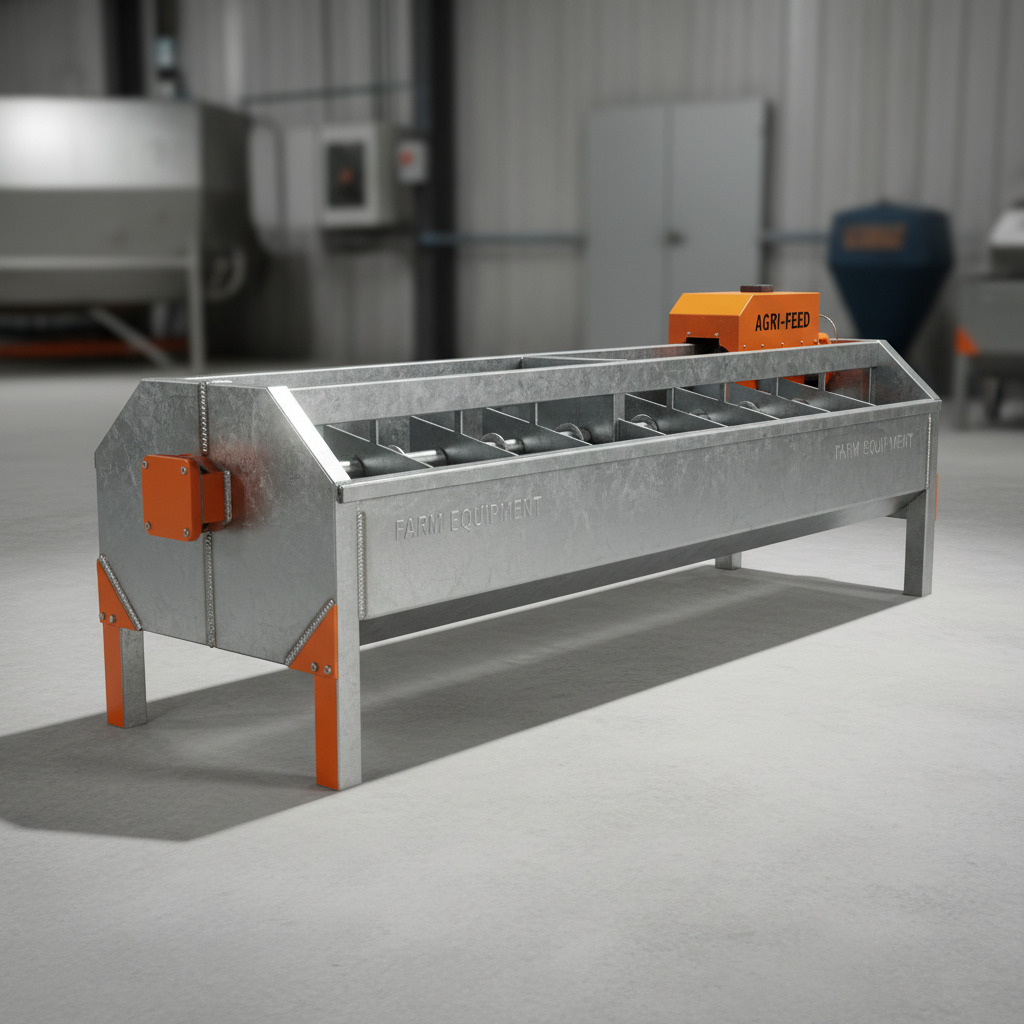
Types of Hog Troughs
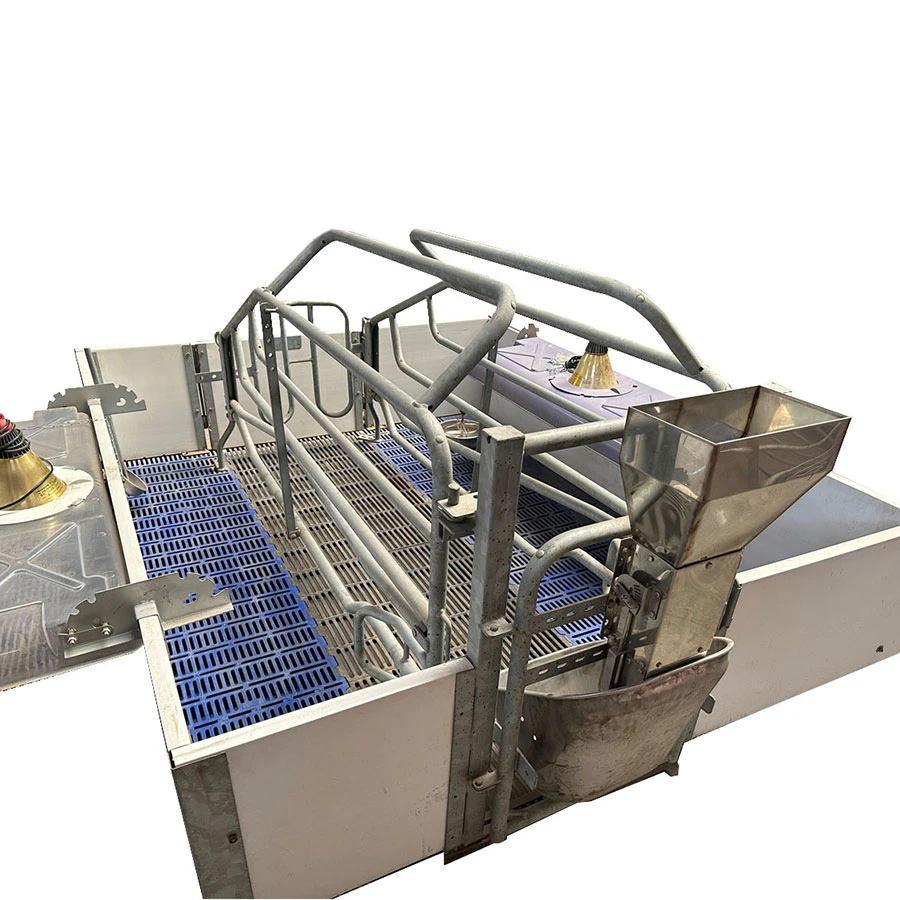
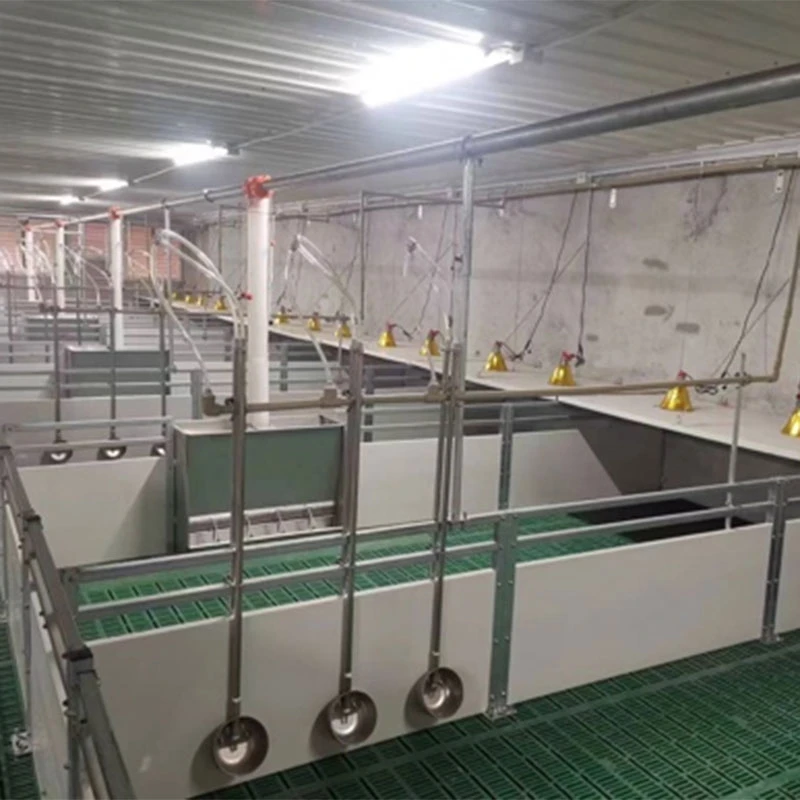
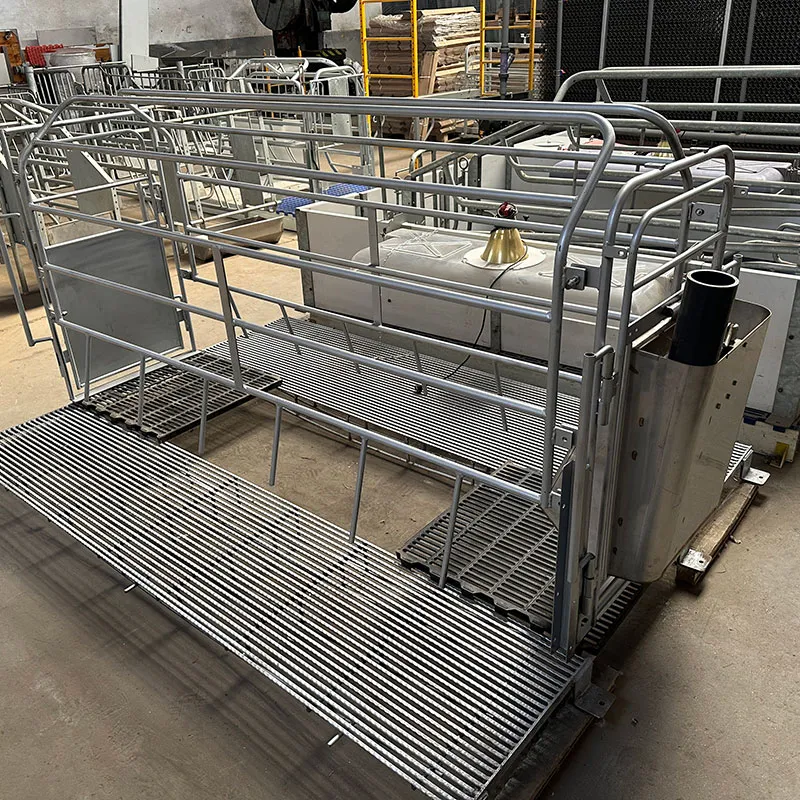
Hog troughs come in various designs, each suited to different farm setups and pig sizes. Common types include: galvanized steel troughs, known for their durability; plastic troughs, offering a lighter and often more affordable option; and automatic waterers that maintain a consistent water level. The choice depends on factors like the number of pigs, available space, and budget. Consider the ease of cleaning and maintenance when selecting a trough type. For larger operations, automated systems can significantly reduce labor costs and ensure a consistent water supply.
Key Takeaway: Selecting the right hog trough type significantly impacts hygiene, water conservation, and labor efficiency on your farm.
Material Considerations for Hog Troughs
The material of a hog trough greatly influences its lifespan and suitability for pig farming. Stainless steel offers superior corrosion resistance but is often more expensive. Galvanized steel provides a good balance of durability and cost-effectiveness. Plastic troughs are lightweight and easy to clean, but may be less durable and susceptible to damage from pigs. When choosing a material, consider the climate, the size of the pigs, and the level of maintenance you're willing to undertake. A higher upfront investment in a durable material can often save money in the long run by reducing the need for frequent replacements.
Material Comparison:
• Stainless Steel: Highly durable, corrosion-resistant, expensive.
• Galvanized Steel: Durable, cost-effective, moderate corrosion resistance.
• Plastic: Lightweight, easy to clean, less durable.
The Benefits of Using a Properly Designed Hog Trough
Utilizing a well-designed hog trough provides numerous benefits. It minimizes water waste through spill prevention, reducing water bills and conserving resources. It promotes hygiene by keeping water clean and reducing contamination. It also simplifies cleaning and maintenance, saving labor costs. Furthermore, a properly positioned trough encourages all pigs in a pen to access water easily, promoting healthy hydration and optimal growth rates. Automated troughs offer even greater efficiency by maintaining a constant water level and reducing the need for manual refilling.
Choosing the Right Hog Trough: Key Considerations
Selecting the optimal hog trough requires careful consideration of several factors. Pig size and age are paramount; younger pigs require lower trough heights. Pen layout and space constraints will dictate the trough's dimensions. Ease of cleaning and disinfection is crucial for maintaining hygiene. Budgetary constraints also play a role, but remember that investing in a durable and efficient trough can yield long-term savings. At CXLivestock, we offer a range of hog troughs designed to meet diverse needs.
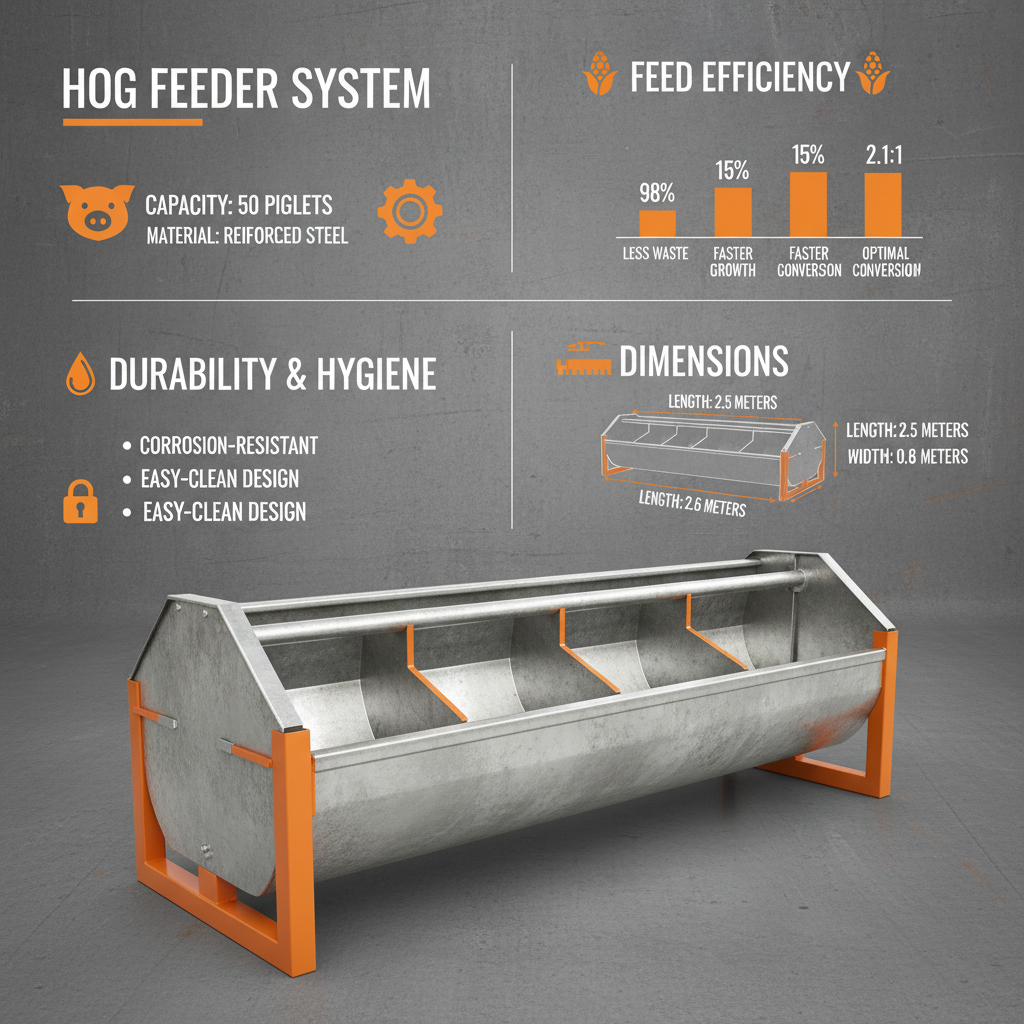
Hog Trough Specifications: What to Look For
When evaluating hog troughs, pay attention to specific features and specifications. Look for troughs with smooth, rounded edges to prevent injuries. Ensure the trough is constructed from non-toxic materials. Consider troughs with drainage plugs for easy cleaning. The capacity of the trough should be appropriate for the number of pigs it will serve. CXLivestock provides detailed specifications for all our hog troughs, ensuring you can make an informed decision.
Conclusion: Investing in Quality Hog Troughs for Optimal Swine Health
Investing in a high-quality hog trough is a crucial step toward ensuring the health, well-being, and productivity of your swine. By carefully considering the factors discussed in this article – type, material, and specifications – you can choose a trough that meets your specific needs and contributes to a successful operation. Explore the range of options available at CXLivestock today!
Frequently Asked Questions (FAQs)
How often should I clean my hog trough?
Regular cleaning is essential to prevent the growth of bacteria and algae. Ideally, hog troughs should be cleaned daily or at least every other day. Empty the trough, scrub it with a disinfectant solution, and rinse thoroughly. For automatic waterers, follow the manufacturer's instructions for cleaning and maintenance. Consistent cleaning significantly reduces the risk of disease transmission and ensures a healthy water supply for your pigs.
What is the best height for a hog trough?
The ideal trough height depends on the size of your pigs. Generally, the top of the trough should be at shoulder height or slightly below for comfortable access. For piglets, the trough should be low enough for them to reach easily. Adjustable troughs offer flexibility to accommodate pigs of different ages and sizes. Ensuring proper height prevents pigs from straining or having difficulty accessing water.
Are automatic hog waterers worth the investment?
For larger operations, automatic hog waterers can be a worthwhile investment. They provide a consistent water supply, reduce labor costs, and minimize water waste. While the initial cost is higher, the long-term benefits in terms of efficiency and hygiene often outweigh the expense. Consider the size of your herd and the available labor when making this decision.
What should I look for when inspecting a hog trough for damage?
Regularly inspect hog troughs for cracks, leaks, sharp edges, and corrosion. Pay particular attention to the seams and joints. Replace any damaged troughs immediately to prevent injuries to the pigs and maintain water hygiene. Early detection of damage can prevent more significant problems and ensure a safe and healthy environment for your animals.
Post time: Feb . 25, 2026