Water Feeders for Pigs: A Comprehensive Guide
Providing pigs with consistent access to clean, fresh water is paramount for their health, growth, and overall well-being. A properly chosen water feeder for pigs can dramatically improve water intake, reduce wastage, and minimize the risk of disease. This guide explores the different types of pig waterers, their benefits, and how to select the best option for your farm. Investing in a reliable water delivery system is a crucial aspect of successful pig farming.
Understanding the Importance of Proper Hydration for Pigs
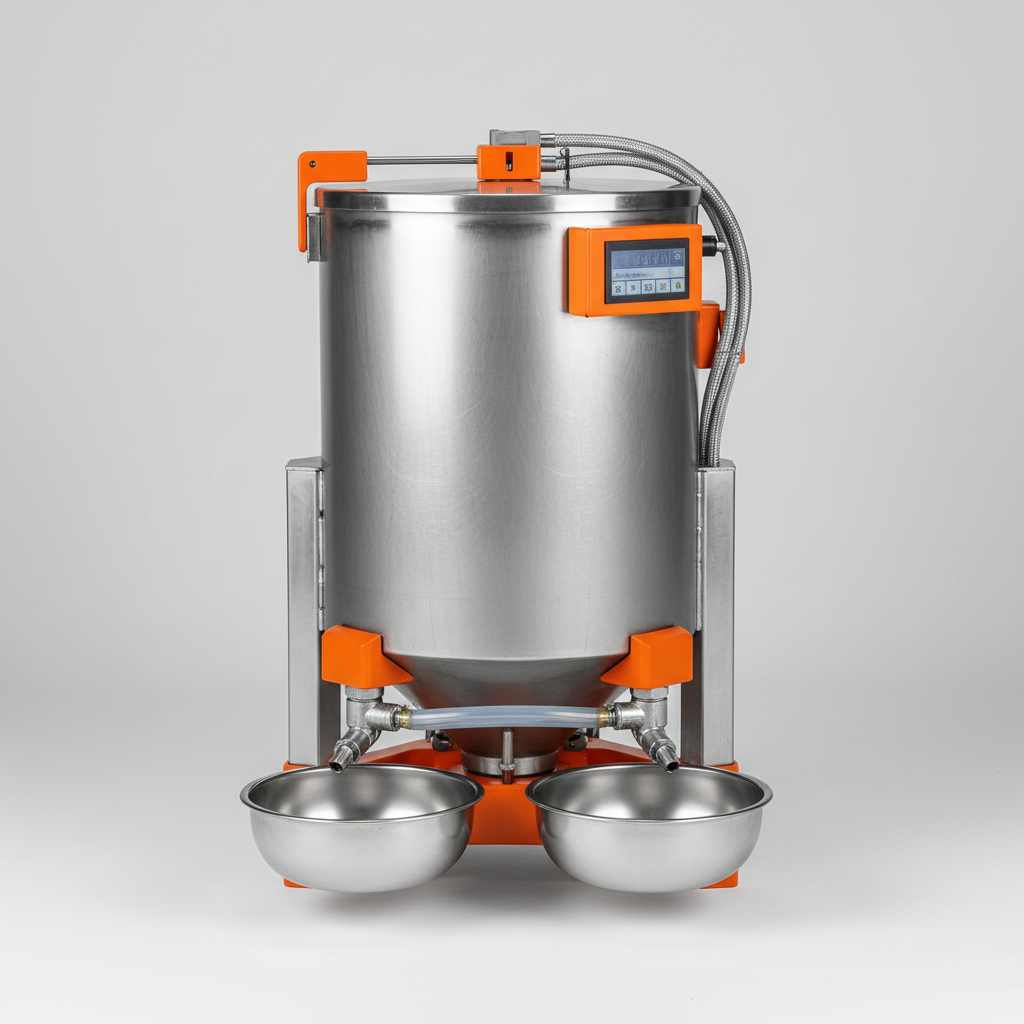
Pigs don't have sweat glands, making them particularly susceptible to overheating. Water plays a vital role in regulating their body temperature. Adequate hydration also aids in digestion, nutrient absorption, and overall metabolic function. Pigs will typically drink 2-3 times their feed intake in water, highlighting the sheer volume they require. Insufficient water intake can lead to decreased feed consumption, reduced growth rates, and increased susceptibility to illness. CXL Livestock offers a wide range of solutions to ensure optimal pig hydration.
Key Benefits of Proper Hydration: Increased feed intake, improved growth rates, better overall health, reduced stress, and decreased mortality rates.
Types of Water Feeders for Pigs
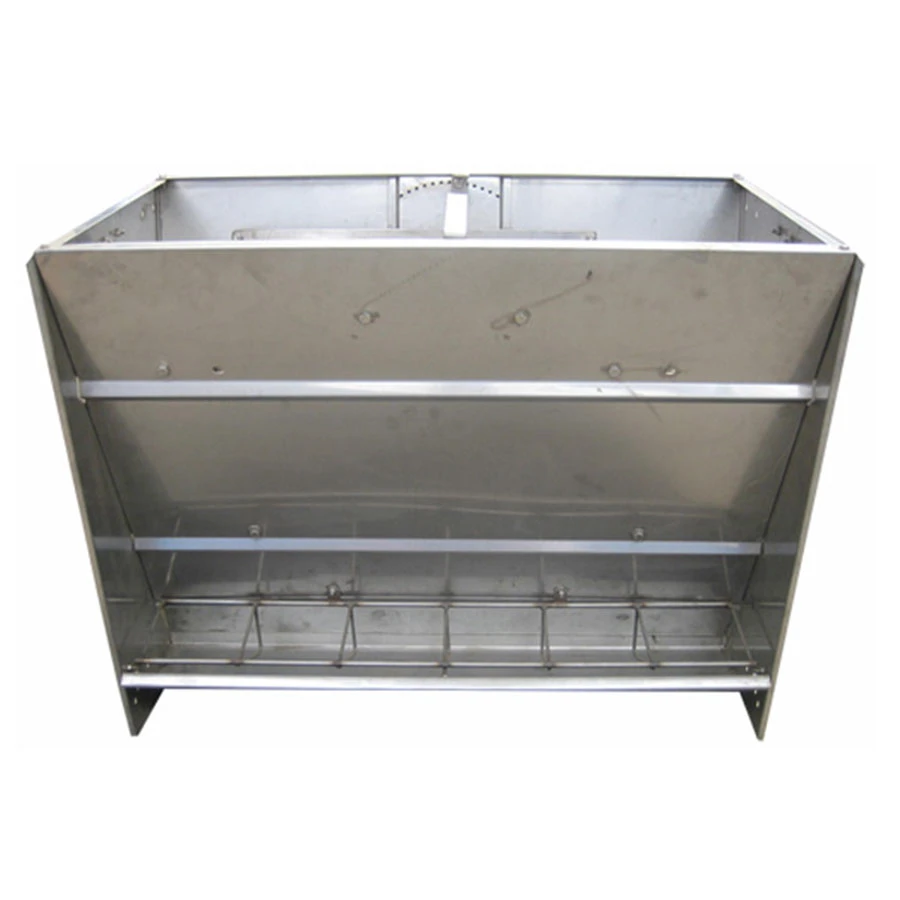
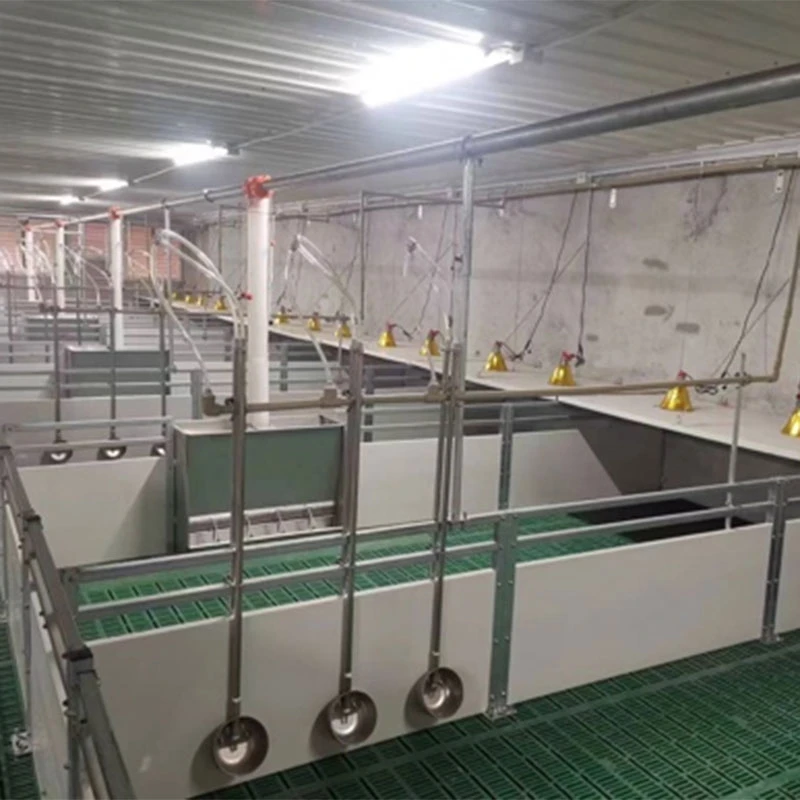
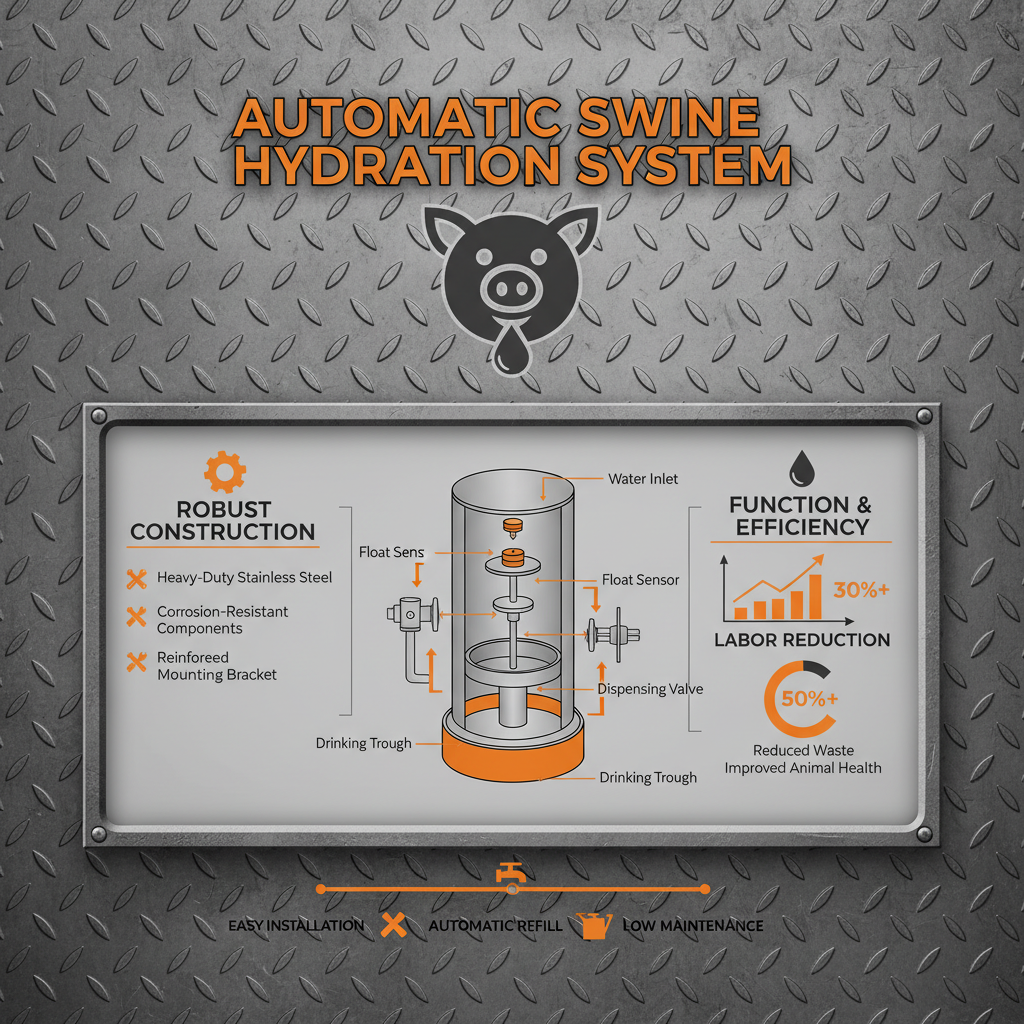
Several types of water feeders are commonly used in pig farming, each with its own advantages and disadvantages. These include nipple drinkers, bowl drinkers, trough drinkers, and automatic waterers. Nipple drinkers are a popular choice due to their hygiene and minimal water wastage. Bowl drinkers are simple and inexpensive but can be prone to contamination. Trough drinkers offer a large water supply but require regular cleaning to prevent bacterial growth. Automatic waterers provide a consistent water flow and are ideal for larger operations.
Water Feeder Options:
• Nipple Drinkers: Hygienic, minimal wastage
• Bowl Drinkers: Simple, inexpensive
• Trough Drinkers: Large water supply
• Automatic Waterers: Consistent flow, ideal for large operations
Nipple Drinkers vs. Bowl Drinkers: A Detailed Comparison
Choosing between nipple drinkers and bowl drinkers often depends on your specific needs and priorities. Nipple drinkers offer superior hygiene as the pig only accesses water when it activates the nipple, reducing contamination. They also minimize water wastage, which can translate to significant cost savings. However, they can be more expensive to install initially. Bowl drinkers are a more affordable option, but they require more frequent cleaning and are prone to water spillage. CXL Livestock's nipple drinkers are designed for durability and optimal performance.
Factors to Consider When Choosing a Water Feeder
Several factors should influence your decision when selecting a water feeder for your pigs. These include the age and size of the pigs, the number of pigs in the group, the type of housing system, and your budget. Younger pigs may require lower-positioned feeders that they can easily access. Larger pigs will need feeders that can accommodate their increased water intake. Automatic waterers are a good choice for larger operations, while simpler feeders may suffice for smaller farms.
Product Spotlight: CXL Livestock’s Premium Nipple Drinkers
CXL Livestock offers a range of high-quality nipple drinkers designed for optimal pig hydration. Our nipple drinkers are made from durable materials, ensuring long-lasting performance. They feature a 360-degree activation, allowing pigs to drink from any angle. They are easy to install and maintain, saving you time and effort. Here are the specifications:
Conclusion: Prioritizing Pig Welfare with the Right Water Feeder
Investing in a reliable water feeder for pigs is an investment in your farm’s profitability and the well-being of your animals. By choosing the right type of feeder and ensuring consistent access to clean water, you can optimize pig health, growth, and overall performance. CXL Livestock is committed to providing innovative and reliable solutions for modern pig farming.
Frequently Asked Questions (FAQs)
How often should I clean pig waterers?
Regular cleaning is crucial to prevent the buildup of bacteria and algae. Bowl drinkers should be cleaned daily, while nipple drinkers should be flushed and inspected weekly. Trough drinkers require more frequent cleaning, ideally multiple times per day. Disinfecting waterers regularly with a suitable disinfectant is also recommended. Proper cleaning minimizes the risk of disease transmission and ensures pigs have access to clean water.
What water temperature is ideal for pigs?
Pigs generally prefer water between 10-15°C (50-59°F). Cooler water encourages greater consumption, especially during warmer months. Avoid providing water that is too cold, as it can cause discomfort. Maintaining a consistent water temperature can help optimize pig hydration and overall performance.
How can I encourage pigs to use nipple drinkers?
Younger pigs may need to be trained to use nipple drinkers. Initially, you can gently guide their snout to the nipple to trigger the water flow. Ensuring the nipple is positioned at the correct height for the pigs' size is also important. Providing a consistent water supply and keeping the nipple clean can further encourage usage.
What are the benefits of automatic waterers?
Automatic waterers provide a consistent and reliable water supply, reducing the need for manual filling. They are particularly well-suited for larger operations, minimizing labor costs. Many automatic waterers also feature filtration systems, ensuring water quality. They can also help prevent water wastage, leading to cost savings.
Post time: Mar . 07, 2026