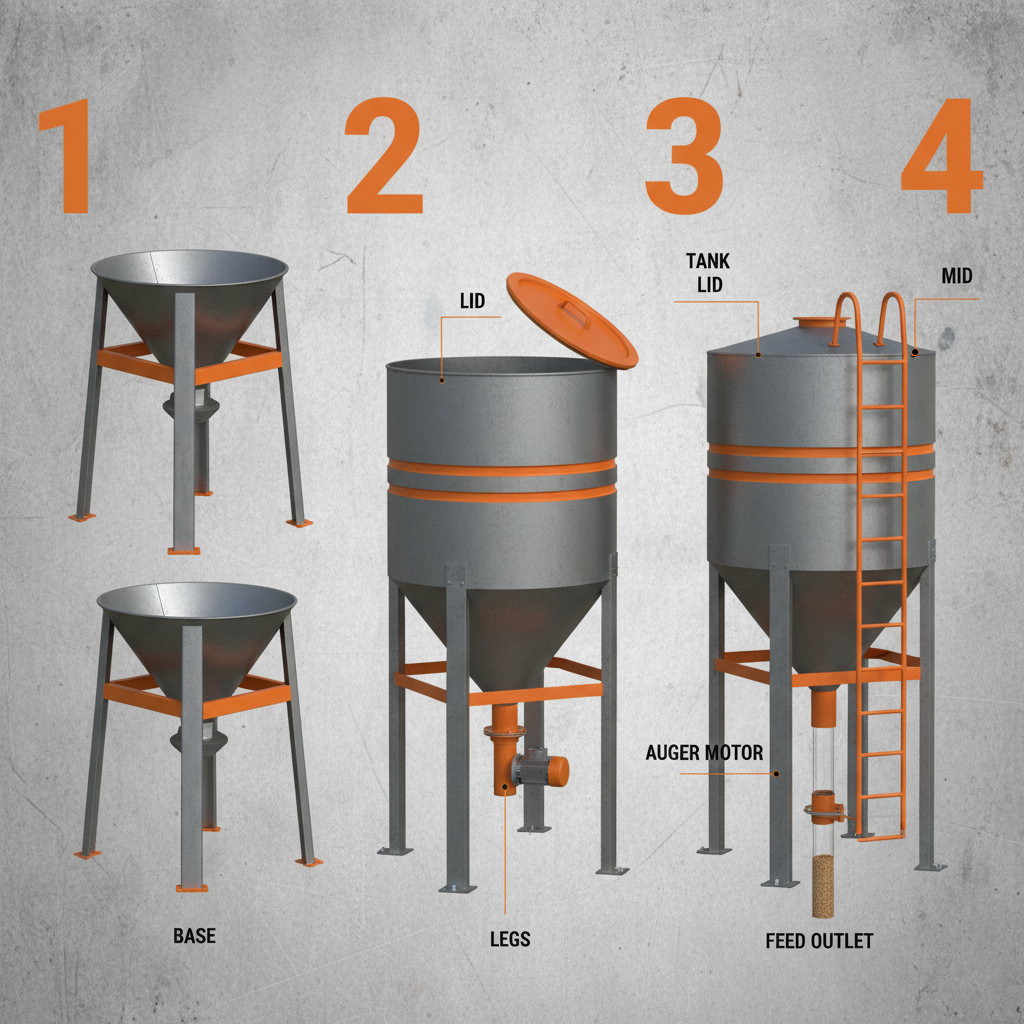
Understanding the 2 Ton Feed Bin: A Cornerstone in Livestock Management
When it comes to livestock farming, storage solutions are more than just metal structures—they're the linchpins of efficiency, safety, and sustainability. The 2 ton feed bin is a staple in this arena, playing a crucial role worldwide by safeguarding feed quality and ensuring reliable supply. Globally, livestock feed storage faces challenges from contamination, weather variations, and logistical constraints, so understanding and choosing the right feed bin is vital for farmers, agribusinesses, and humanitarian efforts alike.
Global Context: Why the 2 Ton Feed Bin Matters More Than Ever
As the global population edges toward 8 billion and the demand for animal protein rises, so does the need for efficient feeding practices. According to the Food and Agriculture Organization (FAO), feed costs can constitute up to 70% of the total cost of meat and dairy production. The 2 ton feed bin offers a practical scale for many small-to-medium sized farms around the world, especially in regions where space, investment, and feed delivery logistics are tight. It addresses a real pinch point: how to store a sufficient amount of feed safely without overburdening the operator or local infrastructure.
One could say it's not just about storage—it's about maintaining feed integrity, preventing waste, and supporting animal health, which ultimately affects food security. Interestingly, dry feed storage solutions like these are also part of some UN-backed food security programs aiming to reduce post-harvest losses in developing countries.
What is a 2 Ton Feed Bin?
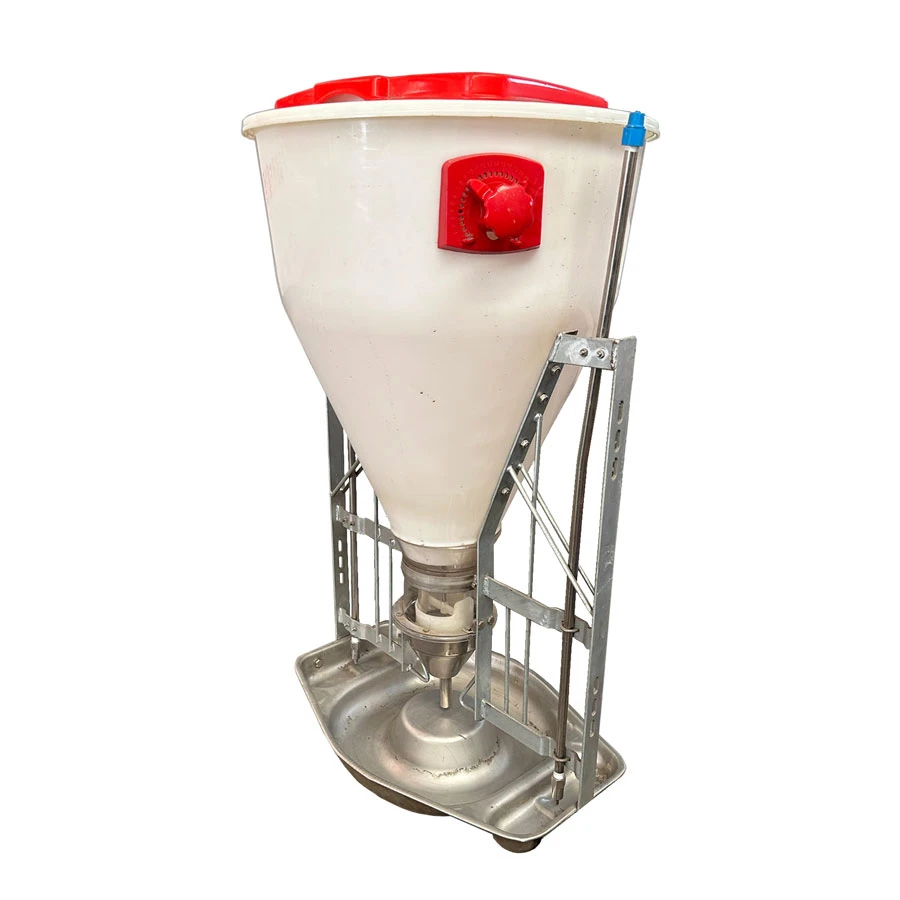
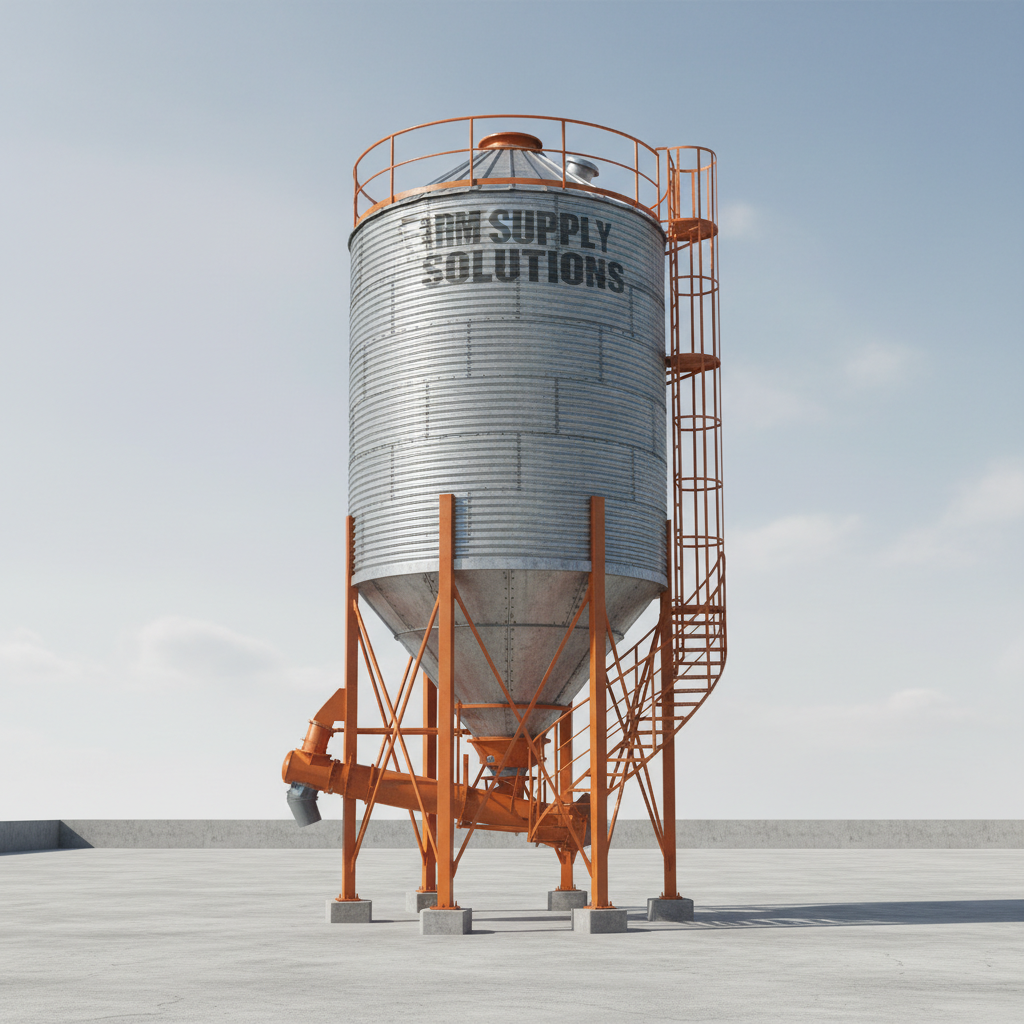
Simply put, a 2 ton feed bin is a bulk storage container designed to hold roughly two metric tons (or about 2,000 kilograms) of livestock feed. Depending on construction, it can store pelleted, crushed, or grain feed safely, protecting it from moisture, pests, and spillage. This size is particularly popular because it sits nicely between smaller, frequently refilled containers and larger, space-consuming silos.
In industries where feed consistency is critical—like dairy, poultry, or pig farming—a 2 ton feed bin helps optimize feed delivery schedules and reduce labor. In humanitarian and emergency settings, these bins can even ensure that displaced or remote communities have access to safe animal feed, which is often overlooked in disaster relief but essential for community resilience.
Key Features of the 2 Ton Feed Bin
1. Durability & Material Quality
Most 2 ton feed bins are made from galvanized steel or heavy-duty polyethylene, materials chosen for their resistance to rust, corrosion, and UV damage. This extends the lifespan of the bin, which can easily last over a decade if maintained well. As one livestock manager told me, “It feels sturdy enough to withstand both harsh winters and the occasional bump from our tractors.”
2. Weather Resistance
Proper sealing and design protect feed from rain and humidity, which are the two biggest enemies in storage. Some bins feature conical roofs and integrated vents to prevent condensation buildup, which is crucial in more humid climates.
3. Ease of Access & Loading
Accessibility is another practical consideration. Many 2 ton feed bins come with wide lids or auger-compatible discharge systems that enable quick, dust-free loading and feeding—this minimizes operator fatigue and feed spoilage.
4. Scalability and Modular Design
These bins are often modular or stackable to adapt to expanding farm needs or limited space. It’s quite neat how farms can add more units or integrate bins with automated feeders for a quasi-industrial setup.
5. Cost Efficiency
Compared to large silos or multiple small storage units, a 2 ton feed bin strikes an affordable balance for many small businesses or rural farmers. Initial investment, upkeep costs, and transportability all contribute to its popularity.
Product Specification Table for a Typical 2 Ton Feed Bin
| Specification | Details |
|---|---|
| Capacity | 2 Tons (Approx. 2,000 kg) |
| Material | Galvanized steel / Polyethylene |
| Dimensions (HxW) | Around 2.5m height x 1.8m width |
| Discharge Type | Bottom outlet with auger compatibility |
| Weatherproof Features | Waterproof lid, ventilated roof |
| Typical Lifespan | 10+ years with maintenance |
Global Applications & Real-World Use Cases
From rural farms in Iowa to remote dairy cooperatives in New Zealand to post-disaster animal relief programs in Southeast Asia, the 2 ton feed bin is everywhere. For instance, in drought-prone African nations, NGOs supply 2 ton feed bins to pastoral communities to ensure feed remains dry and accessible during dry seasons, preventing livestock losses.
Oddly enough, even urban agriculture projects are experimenting with these bins, storing feed for rooftop farms or small livestock units within city limits. It’s a testament to their versatility that at 2 ton feed bin suppliers emphasize modular designs that can be assembled or disassembled easily for transport or repurposing.
Vendor Comparison Table: Popular 2 Ton Feed Bin Suppliers
| Feature | AgriStore Inc. | FarmTech Solutions | Global Feed Bins |
|---|---|---|---|
| Material | Galvanized Steel | Polyethylene | Galvanized Steel + UV Coating |
| Weatherproofing | Standard Waterproof Lid | Enhanced Ventilation System | Hydrophobic Coating & Ventilation |
| Price Range (USD) | $1,200 - $1,500 | $1,000 - $1,300 | $1,400 - $1,700 |
| Warranty | 5 years | 3 years | 7 years |
| Best For | Durability & Heavy Use | Lightweight & Easy Assembly | Long-Term Outdoor Exposure |
Advantages & Long-Term Value of the 2 Ton Feed Bin
- Cost Savings: By reducing feed spoilage and wastage, these bins help lower daily operational expenses.
- Operational Efficiency: Less frequent refilling means more time for farm management or scaling production.
- Sustainability: Durable bins reduce plastic or metal waste associated with damaged containers.
- Animal Welfare: Fresh, uncontaminated feed supports healthier livestock and better yields.
- Peace of Mind: For farmers, knowing feed is protected from pests and weather reduces stress and unpredictability.
It's these tangible benefits that make the 2 ton feed bin not just a container, but an investment in farm productivity and sustainability.
Emerging Trends & Innovations
Technology is nudging feed storage toward smarter solutions. These days, some bins come equipped with sensors to monitor feed levels and environmental conditions, linking to farm management apps. Green innovations involve recyclable materials or solar-powered aeration to keep feed fresh naturally. While still niche, automation that feeds livestock directly from bins is growing — the future is quietly moving towards precision feeding.
Challenges & Expert Solutions
Grain quality maintenance can falter if storage isn't airtight or if pests infiltrate. Moisture control remains tricky, especially in tropical climates. Experts recommend routine inspections and combining bins with pest management strategies like fumigation or natural repellants. Also, low-cost bins sometimes compromise on build quality, so working with reputable suppliers and investing in warranty-backed products is wise.
FAQ: Common Questions About 2 Ton Feed Bins
- Q: How often should I refill a 2 ton feed bin on a medium-sized farm?
- A: Depending on herd size and feed intake, typically once every 1–2 weeks. Monitoring daily usage helps optimize refill schedules.
- Q: Are these bins suitable for outdoor storage in humid climates?
- A: Yes, if equipped with proper waterproof sealing and ventilation. Selecting UV-resistant materials also extends durability outdoors.
- Q: Can I retrofit a 2 ton feed bin with an automated feeding system?
- A: Many modern bins are compatible with augers and feeders, but always check manufacturer specs for integration options.
- Q: What types of feed can be stored safely inside?
- Grain, pellets, and crushed feed are commonly stored. Avoid highly moist or freshly ground feed without drying to prevent mold growth.
Wrapping Up: Why Invest in a 2 Ton Feed Bin?
In real terms, the 2 ton feed bin balances capacity, cost, and convenience. It’s the kind of product where the benefits pay off in operational ease, reduced waste, and ultimately, better animal health and productivity. Whether you run a small family farm, a mid-sized livestock operation, or participate in agricultural development projects, understanding and selecting the right feed bin is a smart move.
If you’re looking to explore options or upgrade your current storage, do visit us at 2 ton feed bin — where expert advice meets practical solutions for every scale.
Thanks for staying this long! I suppose, like me, you’ll appreciate how such a simple structure quietly supports millions of livelihoods worldwide.
References:
Post time: Dec . 05, 2025