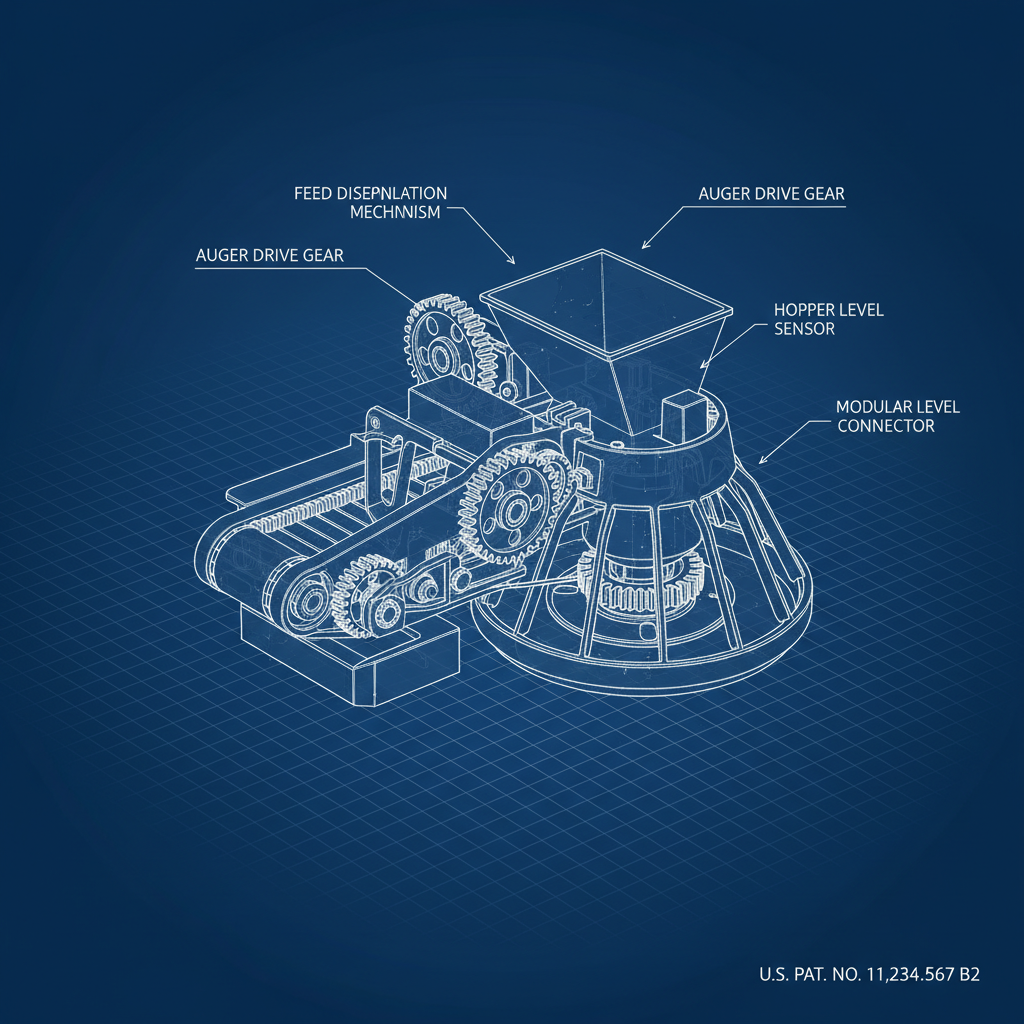
Selecting the right feeding infrastructure is a critical balance between initial capital expenditure and long-term operational efficiency. When farmers investigate cattle trough prices, they are often looking for more than just a number; they are seeking a solution that minimizes feed waste and maximizes animal growth rates.
The cost of feeding equipment is influenced by a complex interplay of materials, automation levels, and durability specifications. From simple galvanized steel basins to integrated automatic feeding systems, the price variance reflects the difference between manual labor reliance and streamlined, high-yield production.
Understanding the total cost of ownership—including maintenance, feed conversion ratios, and lifespan—is essential for any modern livestock operation aiming for sustainable profitability in the competitive husbandry market.

Analyzing Cost Drivers in Cattle Feeding Equipment

The pricing of cattle feeding equipment is rarely static, as it depends heavily on the raw materials used. Stainless steel offers the highest corrosion resistance and hygiene but carries a premium price, whereas galvanized steel and high-density plastics provide cost-effective alternatives for different environmental conditions.
Beyond materials, the level of integration plays a significant role. A standalone feeding trough is a simple commodity, but when it becomes part of an Automatic Feeding System, the cost incorporates sensors, transport mechanisms, and control software designed to reduce human intervention.
Furthermore, customization for specific livestock needs—such as specialized depth for different cattle ages or reinforced edges to prevent damage—adds to the manufacturing complexity and, consequently, the final market price.
Key Evaluation Factors for Livestock Trough Selection
When evaluating options, the primary metric should not be the sticker price, but the feed waste percentage. A cheaper trough that allows cattle to push feed onto the floor can cost a farm more in wasted nutrition over one year than the price difference between a basic and a high-end model.
Durability is the second pillar. In the livestock environment, equipment is subjected to immense physical pressure and corrosive waste. Investing in heavy-duty construction or specialized coatings ensures that the equipment does not need replacement every few years, lowering the amortized cost.
Finally, hygiene and ease of cleaning must be considered. Troughs designed with smooth internal surfaces and efficient drainage reduce the risk of respiratory and digestive diseases, which directly impacts the overall health and growth rate of the herd.
Deployment Scenarios for Different Trough Systems
For large-scale fattening operations, integrated feeding systems are the gold standard. These systems synchronize with feed silos to ensure a constant supply of nutrition, reducing labor costs and ensuring that cattle have access to feed at the optimal intervals for weight gain.
In smaller, more traditional setups, manual feeding troughs are often sufficient. However, the focus here shifts to placement and accessibility, ensuring that dominant animals cannot block weaker ones from accessing the feed, which requires specific trough lengths and spacing.
Specialized environments, such as those requiring both dry and wet feed, necessitate hybrid feeders. These systems are particularly useful for calves or weaners, where the transition between feed types is critical for digestive health and rapid early-stage growth.
Comparing Efficiency Metrics Across Feeding Methods
Comparing traditional manual feeding with automated systems reveals a clear divergence in operational efficiency. While the initial cost of automation is higher, the precision in feed delivery significantly reduces the variance in animal weight gain across the herd.
The following data illustrates the relative performance impact on key farm metrics when transitioning from basic troughs to optimized feeding systems.
Feeding System Performance Metrics
As shown, the reduction in feed waste and the decrease in labor hours provide a compelling case for the higher initial investment. The "With Optimized System" data reflects the typical improvements seen when implementing precision feeding equipment.
Strategic Procurement and Installation Considerations
Procuring livestock equipment requires a deep dive into the manufacturer's capabilities. A provider that offers one-stop services—from design and fabrication to installation—minimizes the risk of system incompatibility and installation errors that can lead to early equipment failure.
When reviewing quotes, it is vital to ask about the grade of steel or the density of the plastic used. "Cheap" equipment often uses thinner gauges of metal that warp under the weight of the cattle, creating crevices where bacteria can grow and feed can rot.
Furthermore, ensure the system is scalable. As a farm grows, the ability to add new trough sections or integrate existing basins into a future automated system prevents the need for a complete and costly teardown of the facility.
Future Trends in Automated Feeding Infrastructure
The industry is moving toward "precision livestock farming" (PLF), where feeding troughs are no longer passive containers but data collection points. We may see an increase in integrated weighing scales within troughs to monitor individual animal intake in real-time.
New materials are also emerging, focusing on antimicrobial surfaces that naturally inhibit the growth of pathogens, potentially reducing the reliance on chemical cleaning agents and improving overall animal welfare.
Integration with AI-driven farm management software is likely to become more common, allowing systems to automatically adjust feed volume and composition based on the growth stage and health status of the cattle, further optimizing the ROI of the equipment.
Decision Matrix for Cattle Trough Investment
Choosing the right system requires matching the equipment specifications to the farm's operational goals. Whether the priority is minimizing initial cost or maximizing long-term yield, the following matrix provides a clear comparison of common approaches.
The table below categorizes feeding solutions based on their application, technical approach, and typical cost-benefit profile to assist in the selection process.
| Solution Type | Primary Material | Operational Focus | Cost-to-Value Ratio |
|---|---|---|---|
| Manual Basin | Galvanized Steel | Low-scale feeding | Low Initial / High Labor |
| Heavy-Duty Trough | Stainless Steel | Durability & Hygiene | Medium Initial / Low Maint |
| Semi-Auto Feeder | Polyethylene/Steel | Reduced Labor | Balanced Investment |
| Automatic System | Integrated Alloy | Precision & Scale | High Initial / High ROI |
| Dry/Wet Hybrid | PP & Stainless | Calf/Weaner Growth | Specialized Value |
| Modular Pen System | Reinforced Steel | Flexibility/Expansion | Scalable Investment |
Ultimately, the "best" price is the one that aligns with the farm's capacity for labor and its goals for animal growth efficiency. Those looking for professional manufacturing and customized solutions can explore the equipment options available through www.cxlivestock.com.
Frequently Asked Questions
Conclusion
The quest for competitive cattle trough prices should always be balanced against the operational requirements of the farm. While lower initial costs are tempting, the true value of feeding equipment lies in its ability to protect the investment in feed and ensure the health of the livestock.
By focusing on material quality, automation potential, and the reduction of waste, producers can transition from simple feeding to precision nutrition. For those seeking durable, professional-grade livestock equipment, the solutions provided at www.cxlivestock.com offer a strategic path toward modernizing farm infrastructure.