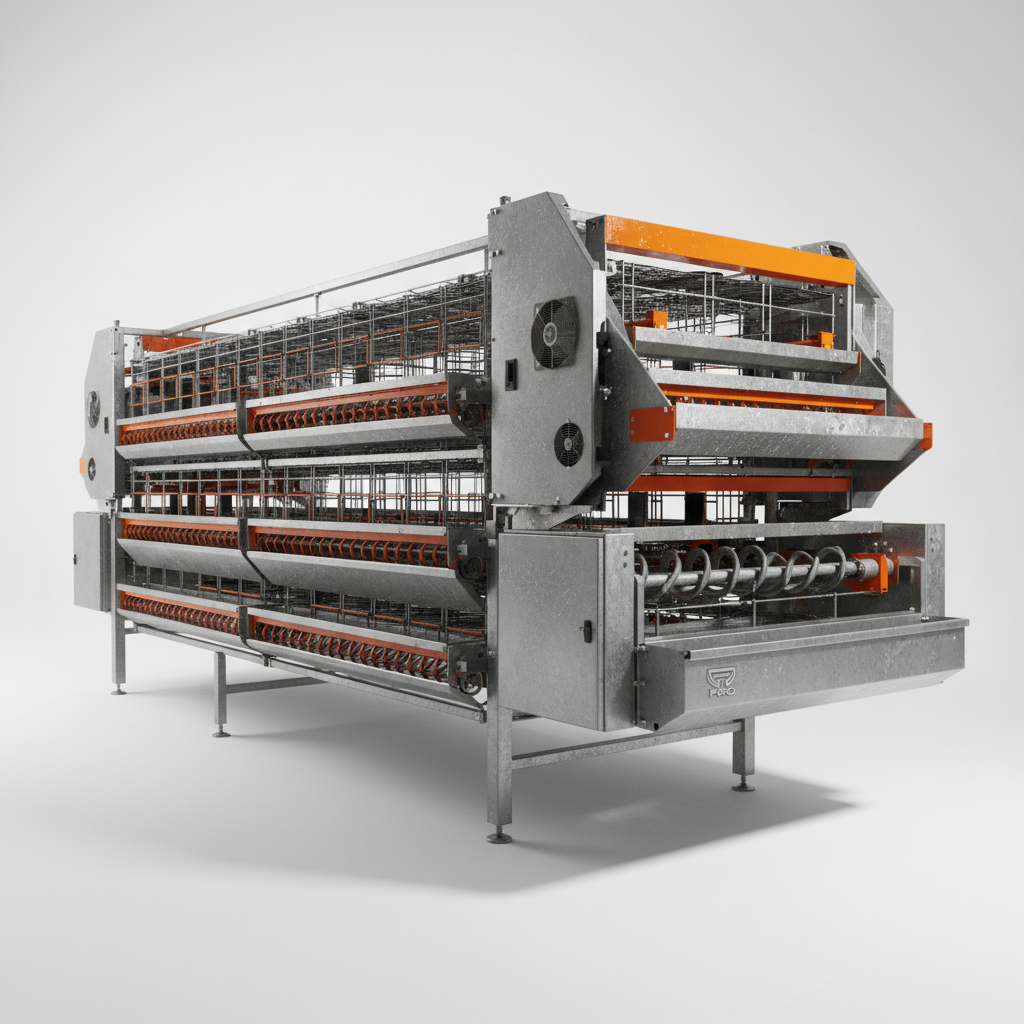
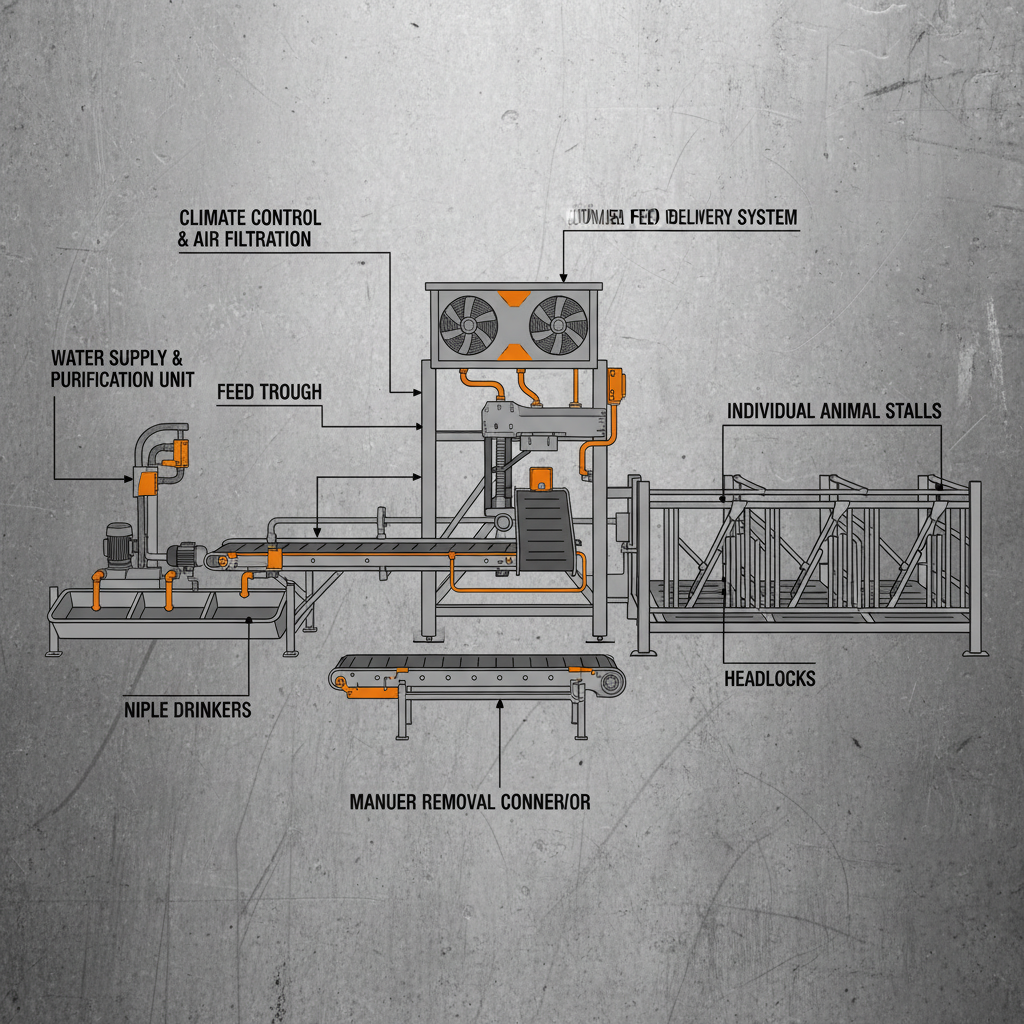
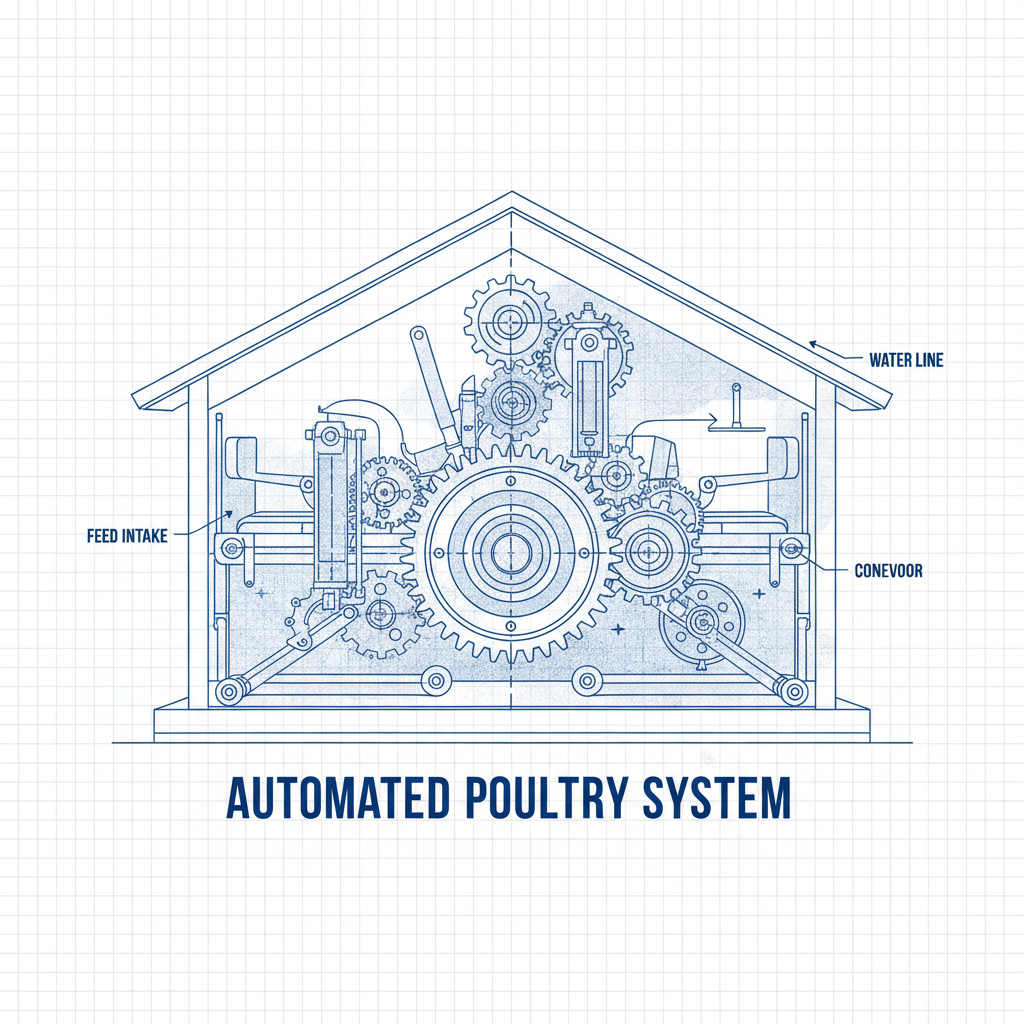
In the demanding world of livestock management, the implementation of high-quality sheep restraint equipment has become a cornerstone of modern animal husbandry. Ensuring the safety of both the handler and the animal is not merely a matter of convenience but a critical requirement for operational efficiency and animal welfare. By reducing stress during routine medical checks, shearing, and vaccinations, farmers can significantly improve the overall health and productivity of their flocks.
Globally, the shift toward precision livestock farming has highlighted the need for specialized tools that minimize physical struggle and injury. Traditional methods of manually holding sheep are often erratic and prone to accidents, leading to increased labor costs and potential losses. The integration of ergonomic sheep restraint equipment allows for a controlled environment where precise tasks can be performed quickly and humanely.
Understanding the nuances of different restraint systems—ranging from simple crushes to complex automatic systems—empowers producers to choose the right gear for their specific breed and flock size. This guide explores the technical dimensions, global applications, and future innovations of restraint technology, providing a comprehensive overview for those looking to optimize their sheep farming infrastructure.
Global Industry Context of Sheep Restraint Systems
The global livestock sector is currently facing a dual challenge: the need to increase protein production to feed a growing population and the rising demand for ethical treatment of animals. In regions like Australia, New Zealand, and the European Union, where sheep farming is a primary economic driver, the adoption of standardized sheep restraint equipment has become an industry benchmark. International standards, often aligned with ISO guidelines for agricultural machinery, emphasize the reduction of cortisol levels in animals during handling to ensure meat and wool quality.
However, many small-to-medium enterprises in developing agricultural zones still struggle with outdated manual methods. This gap leads to higher injury rates for farm workers and increased stress for the livestock, which can manifest in lower birth weights and reduced immunity. By transitioning to engineered restraint solutions, these operations can bridge the productivity gap and align with global animal welfare certifications.
Defining Modern Sheep Restraint Equipment
At its core, sheep restraint equipment refers to a specialized category of agricultural tools and structures designed to limit the movement of sheep safely and temporarily. This includes everything from simple head gates and shearing stands to sophisticated automatic crushes and tipping cradles. The primary goal is to immobilize the animal sufficiently to allow a veterinarian or farmer to perform a specific task—such as hoof trimming, dosing, or tagging—without risking injury to the animal or the operator.
Beyond simple physical limitation, modern equipment is designed with behavioral science in mind. Sheep are prey animals with a strong flocking instinct and a natural fear of enclosed spaces or sudden movements. High-quality restraint systems utilize curved race-ways and non-slip flooring to guide animals naturally, reducing the need for aggressive prodding and ensuring the process is as stress-free as possible.
In the context of the broader livestock industry, these tools are essential components of a "low-stress handling" philosophy. By transforming a chaotic process into a streamlined mechanical workflow, producers can handle hundreds of animals per day with minimal personnel, making it a critical investment for any commercial scale sheep farming operation.
Core Components of Effective Restraint Gear
Durability and material selection are the first pillars of high-performing sheep restraint equipment. Given the corrosive nature of livestock waste and the exposure to outdoor elements, the use of hot-dipped galvanized steel or high-density polymers is non-negotiable. This ensures that the equipment does not rust or degrade, maintaining structural integrity over decades of use.
Adjustability and scalability allow a single piece of equipment to accommodate various breeds, from small lambs to large rams. A truly versatile restraint system features adjustable width bars and locking mechanisms that can be tweaked in seconds, ensuring a snug fit that prevents the animal from leaping or twisting, which is where most handling injuries occur.
Finally, the integration of ergonomic controls for the handler is vital. Foot-operated levers and easy-reach locking pins allow the operator to maintain focus on the animal while controlling the restraint mechanism. This synergy between the human operator and the sheep restraint equipment minimizes the time each animal spends in the crush, further reducing stress levels.
Comparative Performance of Restraint Methods
When evaluating different types of sheep restraint equipment, farmers must weigh the trade-offs between throughput speed and the level of immobilization. For instance, a simple race is excellent for rapid vaccinations, whereas a tipping cradle is indispensable for detailed hoof care. The choice often depends on the frequency of the task and the size of the flock being managed.
To provide a clearer picture, we analyze the efficiency and stress levels associated with various restraint technologies. While manual handling is the cheapest upfront, it scores the lowest in terms of safety and efficiency. In contrast, automated systems provide the highest rating for animal welfare and operator safety, although they require a larger initial capital investment.
Efficiency and Safety Ratings of Sheep Restraint Equipment
Global Applications and Real-World Use Cases
In large-scale commercial operations across the Australian Outback, sheep restraint equipment is often integrated into massive drafting complexes. These systems allow a small team to sort thousands of sheep by weight, age, or health status, using automated gates that trigger based on sensor data. This level of application maximizes labor efficiency in remote industrial zones where manpower is scarce.
Conversely, in the hilly terrains of the UK or New Zealand, mobile restraint units are more common. These portable systems can be moved directly to the paddock, reducing the distance sheep must be driven and thereby lowering their stress. Whether it is used for emergency medical interventions in a remote pasture or high-volume shearing in a central shed, the versatility of these tools ensures consistent care across diverse environments.
Long-Term Value and Animal Welfare Benefits
The investment in professional sheep restraint equipment yields tangible economic returns over time. By reducing the time required for each animal's treatment, labor costs are slashed, and the risk of worker compensation claims due to injuries is minimized. Moreover, the precision offered by these tools reduces the likelihood of "treatment errors," such as incorrect dosing or accidental bruising, which can negatively impact the market value of the livestock.
From an emotional and ethical standpoint, the use of proper restraint tools provides dignity to the animal. A sheep that is held securely and calmly is less likely to experience panic-induced respiratory distress. This commitment to welfare not only aligns with modern sustainability goals but also builds trust with consumers who are increasingly concerned about how their food and wool are produced.
Ultimately, the reliability of these systems creates a predictable environment. When a farmer knows that their equipment will hold a stubborn ram firmly without causing pain, they can approach the task with confidence. This psychological ease for the handler translates into a calmer experience for the animal, creating a positive feedback loop of safety and efficiency.
Future Trends in Livestock Handling Technology
The future of sheep restraint equipment is leaning heavily toward digitalization and automation. We are seeing the emergence of "Smart Crushes" equipped with integrated weighing scales and RFID scanners. These systems can automatically identify an individual sheep, pull up its medical history from a cloud database, and adjust the restraint tension based on the animal's size—all without the handler lifting a finger.
Material science is also evolving, with the introduction of lightweight, carbon-fiber reinforced polymers that offer the strength of steel without the weight. This will make mobile restraint units even more portable and easier to deploy in challenging terrains. Additionally, the integration of pneumatic and hydraulic actuators is replacing manual levers, allowing for smoother, quieter movements that further minimize the "startle reflex" in sheep.
Sustainability is another driving force. Future equipment will likely be manufactured using recycled metals and finished with eco-friendly, non-toxic coatings. As the industry moves toward "Climate-Smart Agriculture," the efficiency of handling—reducing the time animals spend idling and stressed—will be recognized as a key factor in reducing the overall carbon footprint of livestock farming.
Comparison of Traditional vs. Next-Gen Sheep Restraint Technologies
| Technology Generation |
Primary Material |
Control Mechanism |
Stress Impact Score (1-10) |
| Manual Wooden Pens |
Untreated Timber |
Manual Force |
8 (High Stress) |
| Standard Steel Crushes |
Galvanized Steel |
Manual Levers |
5 (Moderate) |
| Pneumatic Restraints |
Alloy Steel |
Air Compressors |
3 (Low) |
| RFID-Integrated Systems |
Composite Materials |
Software-Driven |
2 (Very Low) |
| Hybrid Mobile Units |
Aluminum/Polymer |
Manual/Hydraulic |
4 (Low-Mid) |
| Smart-Adaptive Crushes |
Nano-coated Steel |
AI-Sensors |
1 (Minimal) |
FAQS
For small flocks, a combination of a sturdy head gate and a manual tipping cradle is usually most effective. These provide high levels of immobilization for medical tasks without the high cost of fully automated systems. They are easy to maintain and can be quickly set up in existing handling areas.
Proper equipment reduces the need for physical struggle, which lowers the animal's stress and prevents bruising or fractures. By utilizing low-stress design principles, like curved walls and non-slip floors, the animal feels more secure, resulting in lower cortisol levels and better overall health outcomes.
Yes, most modern automated systems are modular. They can be installed as an upgrade to existing race-ways or as a standalone unit. The key is to ensure that the flow of animals into the system remains logical and unobstructed to prevent bottlenecks.
In coastal environments, salt spray accelerates corrosion. Hot-dipped galvanized steel is the minimum requirement, but high-grade stainless steel or specialized UV-stabilized polymers are recommended for maximum longevity and reduced maintenance.
Equipment should be inspected monthly, and thoroughly before any major handling event (like annual shearing). Check for loose bolts, worn hinges, or sharp edges that could injure animals. Lubricating moving parts is also essential to ensure smooth, quiet operation.
Absolutely. When you calculate the reduction in labor hours, the decrease in animal injury rates, and the improvement in handler safety, the ROI is typically realized within 2-3 years. The long-term value lies in the increased efficiency and the higher quality of care provided to the flock.
Conclusion
The evolution of sheep restraint equipment represents a broader shift toward scientific, humane, and efficient livestock management. By integrating durable materials, ergonomic designs, and emerging smart technologies, farmers can transform a stressful chore into a precise operational process. The evidence clearly shows that reducing animal stress through proper restraint not only protects the handler but also enhances the productivity and welfare of the livestock.
As we look toward the future, the integration of AI and sustainable materials will further refine these systems, making them accessible to farmers of all scales. We encourage producers to evaluate their current handling infrastructure and invest in solutions that prioritize safety and efficiency. For high-quality, industry-standard solutions, visit our website: www.cxlivestock.com