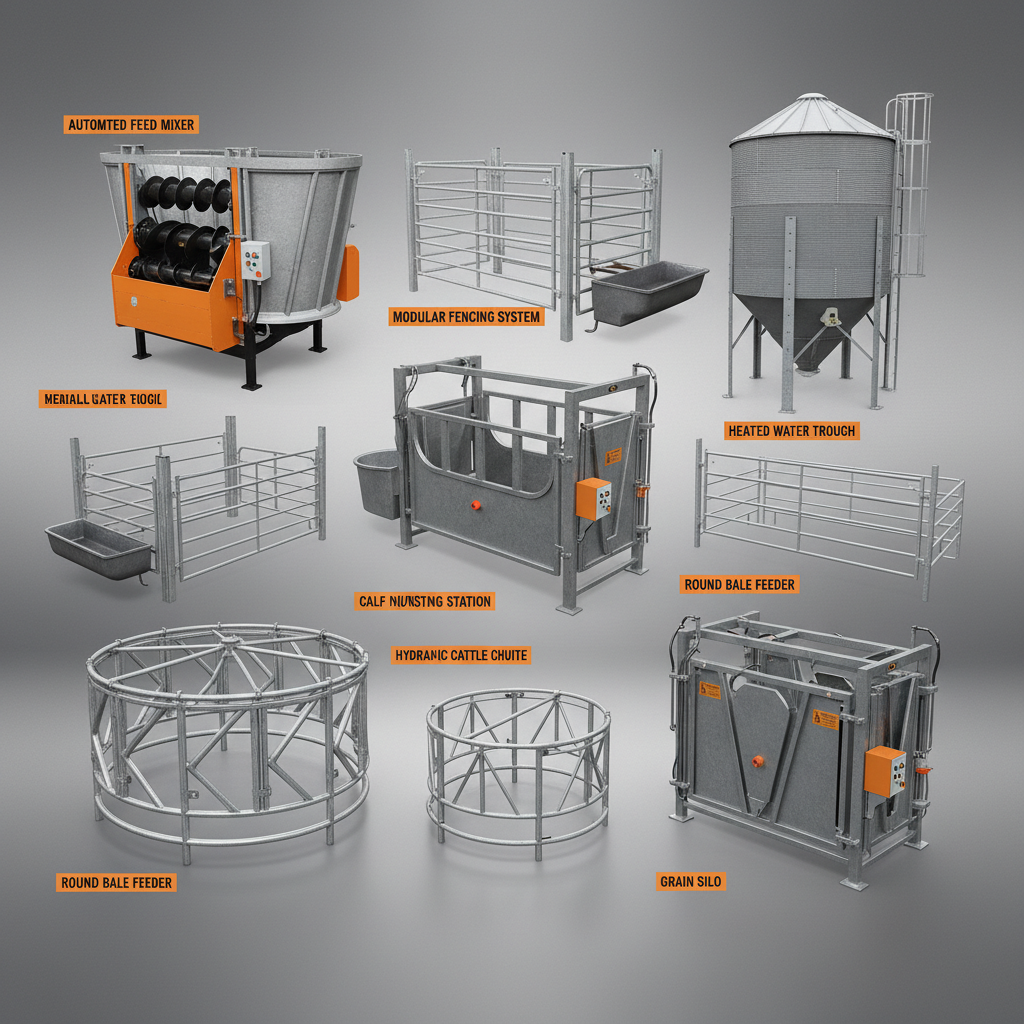
When evaluating farrowing pen price, farmers and livestock investors must look beyond the initial sticker cost and consider the total value proposition. A farrowing pen is a critical piece of infrastructure designed to provide a safe environment for sows during parturition and ensure the survival and health of newborn piglets.
The challenge in the modern swine industry lies in balancing capital expenditure with animal welfare standards. Low-cost options often lead to higher long-term expenses due to rapid depreciation, poor hygiene, and increased piglet mortality rates, which directly impact the profitability of the farm.
This guide provides a detailed analysis of the factors influencing farrowing pen price, including material selection, design ergonomics, and the return on investment (ROI) associated with high-quality livestock husbandry equipment from professional manufacturers.

1Understanding Farrowing Pen Cost Drivers

The farrowing pen price is primarily determined by the quality of raw materials and the complexity of the engineering design. High-grade stainless steel or reinforced polymers are typically more expensive than standard galvanized steel, but they offer superior resistance to corrosion caused by animal waste and cleaning chemicals.
Furthermore, the inclusion of integrated systems, such as automated feeding troughs or specialized climate control supports, adds to the base price. These features are designed to reduce manual labor and improve the precision of nutrient delivery to the sow.
Manufacturing standards also play a role. Professional manufacturers like Chengxin utilize precision fabrication techniques that ensure structural stability, reducing the risk of equipment failure and injury to the livestock, which justifies a higher price point compared to generic alternatives.
2Core Design Features Impacting Value
A high-value farrowing pen focuses on the safety of both the sow and the piglets. The use of specialized crates and stalls prevents the sow from accidentally crushing the piglets, a common cause of mortality in poorly designed systems. This safety mechanism is a primary driver of the farrowing pen price.
Hygiene is another critical factor. The integration of plastic slatted flooring or cast iron floors allows for efficient waste removal, keeping the environment clean and dry. This reduces the incidence of respiratory and enteric diseases among piglets.
Ergonomic design for the farmer, such as easy-access gates and modular components for quick replacement, also adds value. When the farrowing pen price includes these operational efficiencies, the long-term labor cost is significantly reduced.
3Application Scenarios for Different Pen Types
Depending on the scale of the operation, different pen configurations are required. Large-scale industrial farms typically invest in fully automated systems with integrated feeding and ventilation, where the farrowing pen price is bundled into a larger infrastructure project.
In contrast, smaller breeding facilities may opt for semi-automated or manual stalls. While the individual unit price is lower, these facilities must be more diligent about hygiene management to avoid the spread of illness within the herd.
Specialized needs, such as isolation stalls for sick pigs or new breeding stock, require different specifications. These stalls often focus on containment and treatment access, shifting the cost focus from throughput to specialized care features.
4Performance Analysis and Efficiency Metrics
Evaluating the farrowing pen price requires a look at performance metrics. The primary indicator of success is the "piglet survival rate." Equipment that optimizes the temperature and safety of the creep area directly increases the number of viable piglets per litter.
Another metric is "cleaning time per pen." Floors designed for rapid drainage and surfaces that resist biofilm buildup allow staff to prepare pens for new sows more quickly, increasing the overall turnover rate of the farrowing house.
farrowing pen price Performance Metrics
When comparing a budget pen to a professional solution, the difference in efficiency often offsets the price gap within the first two years of operation through lower mortality and reduced maintenance costs.
5Procurement Guide and Selection Criteria
When procuring equipment, buyers should not focus solely on the lowest farrowing pen price. Instead, a comprehensive selection matrix should be used, weighing material durability, manufacturer reputation, and after-sales support.
Compatibility with existing systems is crucial. For instance, ensure that the farrowing floors are compatible with your current waste management and drainage system to avoid expensive renovations during installation.
Requesting detailed specifications on the gauge of the steel and the grade of the plastic used can help you verify if the price reflects the quality. Avoid suppliers who provide vague descriptions of their materials.
6Industry Trends in Welfare-Based Design
The global trend toward animal welfare is shifting the farrowing pen price toward "free-access" or group stall designs. These systems allow sows more movement while still protecting the piglets, meeting stricter regulatory requirements in many regions.
Innovation in "humanized design" is becoming a standard. This includes smoother edges on all metal components to prevent skin abrasions and optimized lighting and temperature zones for newborn piglets.
These advancements may increase the initial investment, but they align the farm with international welfare standards, which can open doors to premium markets and certifications.
7Comparative Analysis of Pen Materials
Choosing the right material is the most significant variable in the farrowing pen price. Each material offers a different trade-off between initial cost, durability, and animal comfort.
Plastic flooring is highly favored for piglet areas due to its thermal properties, whereas cast iron or steel grating is often preferred for the sow's area due to its superior load-bearing capacity.
| Material Type | Durability | Hygiene Level | Cost Impact |
|---|---|---|---|
| Galvanized Steel | Medium | Medium | Low |
| Stainless Steel | Very High | High | High |
| Heavy-Duty Plastic | High | Very High | Medium |
| Cast Iron | Very High | Medium | Medium-High |
| PVC Composite | Medium | High | Low-Medium |
| Alloy Steel | High | Medium | Medium |
The most efficient farms typically use a hybrid approach, combining different materials in a single pen to optimize both the farrowing pen price and the operational outcome.
Frequently Asked Questions
Conclusion
Determining the right farrowing pen price requires a strategic balance between initial capital outlay and long-term operational gains. By prioritizing durable materials, animal welfare, and hygienic design, farmers can significantly reduce piglet mortality and labor costs, ensuring a more sustainable and profitable breeding operation.
For those seeking professional, high-yield livestock solutions, reviewing a wide range of customized equipment is the best first step. Detailed product specifications and tailored solutions can be explored at www.cxlivestock.com.