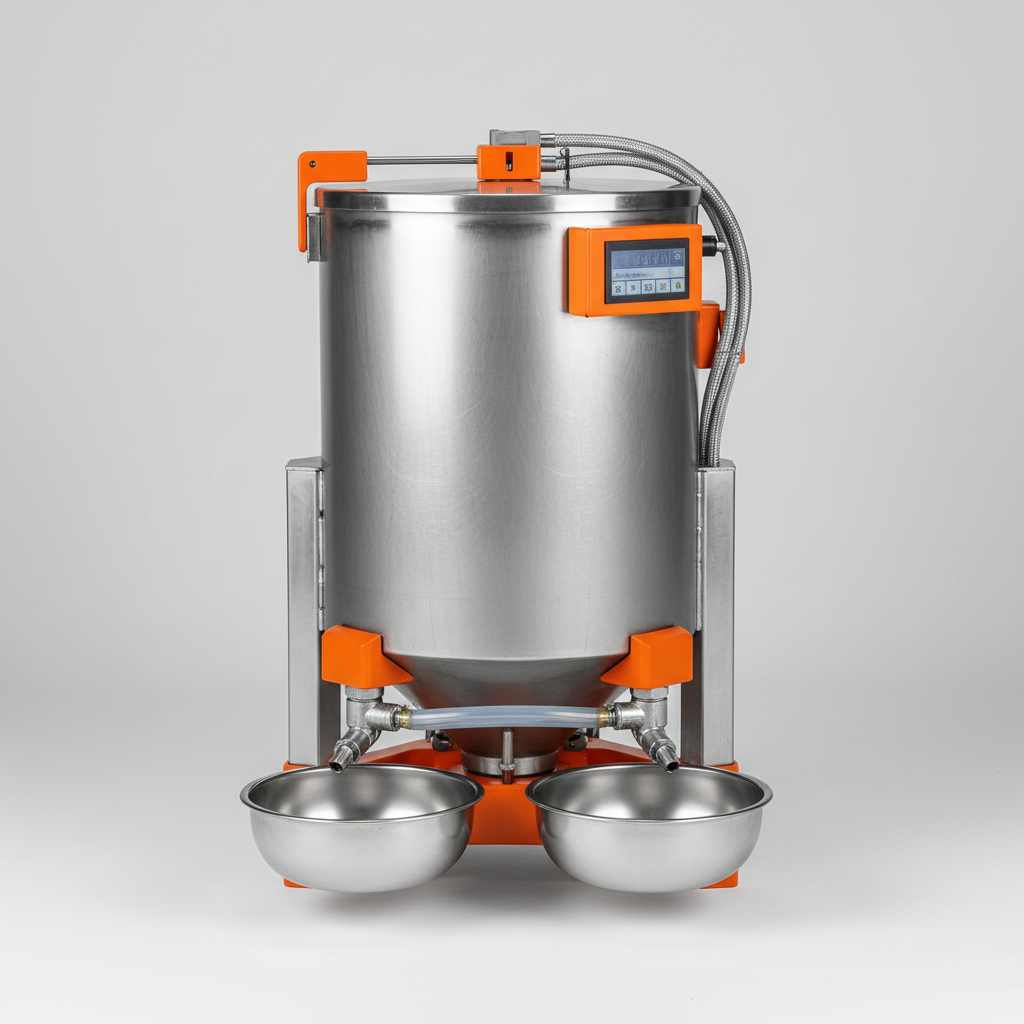
The Practical Power of the 80 Gallon Hog Waterer: Why Size and Simplicity Matter
When you first hear “80 gallon hog waterer,” you might picture a big tank for thirsty farm animals, and you wouldn’t be wrong. But this topic goes beyond just quenching the thirst of pigs. It’s a piece of the puzzle in global agricultural sustainability, food security, and improving farming practices across the world.
Globally, livestock farming is a backbone for many economies, especially in emerging regions. According to the UN Food and Agriculture Organization, nearly 60% of agricultural output worldwide depends on livestock. Proper hydration infrastructure, like reliable hog waterers, is critical — and an 80 gallon capacity hits a sweet spot for medium to large operations. If you’re managing several dozen hogs, a dedicated waterer this size helps maintain health and productivity without constant refills or monitoring.
Mini takeaway: Simply put, the 80 gallon hog waterer blends efficiency and scale to support healthier, more resilient livestock farming worldwide.
The 80 Gallon Hog Waterer in the Broader Agricultural Landscape
Livestock hydration might seem like a narrow niche, but in reality, it’s part of a bigger global story. Rapid population growth means we need more meat, sustainably produced. The World Bank estimates demand for meat will increase by over 70% in some developing countries by 2050. And livestock health directly correlates to water access. Issues like water scarcity, contamination, and infrastructure failure have serious knock-on effects for food supply chains.
Here’s where the humble 80 gallon hog waterer quietly shines. It’s a scalable, practical technology that addresses these challenges. By providing a dependable water source tailored to hog farming, it mitigates dehydration risks, reduces labor, and limits water waste.
Imagine you’re a farmer in a drought-prone region — having an 80 gallon reservoir that automatically refills or maintains water quality can be a game changer.
What Exactly is an 80 Gallon Hog Waterer?
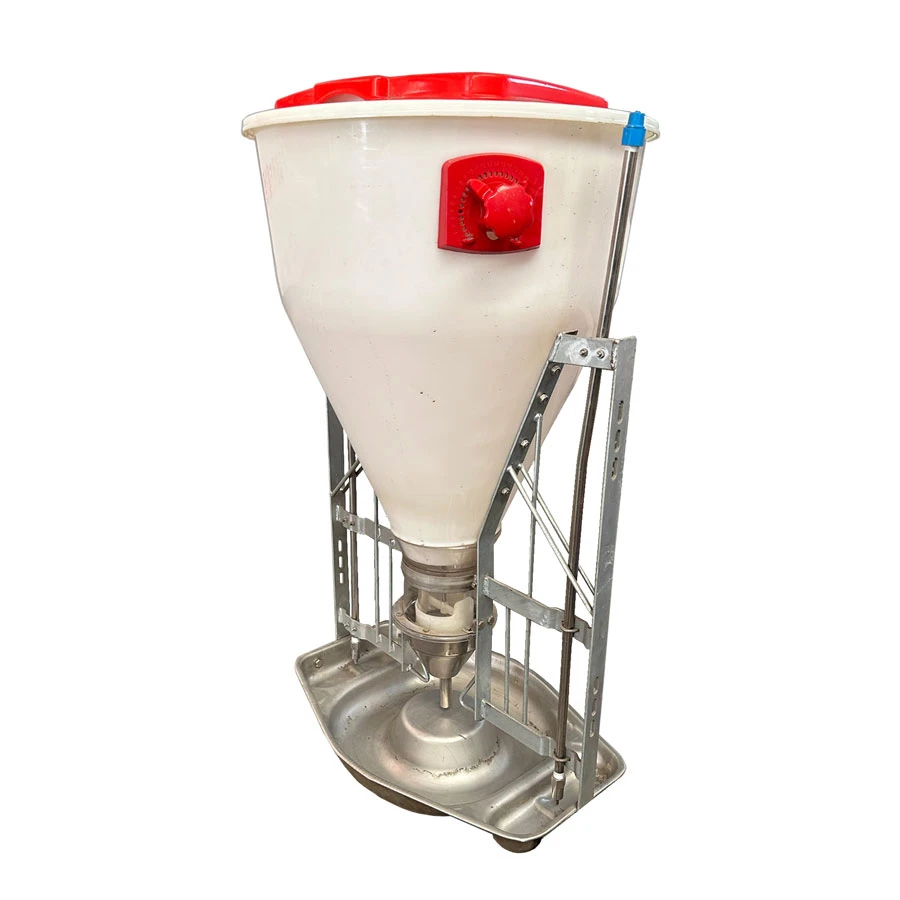
At its core, an 80 gallon hog waterer is a livestock watering device designed to hold approximately 80 gallons of water. Usually crafted from durable materials like polyethylene or galvanized steel, it often features automatic fill valves, anti-splash designs, and freeze resistance for colder climates.
But why 80 gallons? It’s essentially a “sweet spot” volume, big enough to supply multiple hogs comfortably for a day or more, yet small enough to be manageable and cost-effective. These waterers support modern livestock operations by reducing time spent on manual watering and improving animal welfare — a key factor for industry standards worldwide.
It Connects to Humanitarian & Industry Needs Too
Oddly enough, water delivery systems designed for livestock can inform humanitarian efforts. For example, in emergency animal sheltering after floods or natural disasters, portable waterers sized like this keep animals alive and reduce the labor for relief workers.
Core Components That Define a Quality 80 Gallon Hog Waterer
Durability
Most farmers I’ve talked to say durability is non-negotiable. Whether it’s rough outdoor conditions or curious hogs, the waterer’s frame and bowl must resist cracking, rust, and UV damage. Materials like rotomolded polyethylene tick those boxes nicely.
Scalability
The ability to scale is vital. Many producers start with a few dozen hogs and grow beyond that. The 80 gallon capacity supports that growth without needing constant upgrades or additional units.
Cost Efficiency
Cost-wise, these waterers tend to hit a middle ground — affordable on initial purchase and low maintenance over time. The savings on labor and water conservation often offset upfront costs quickly.
Ease of Maintenance
A waterer that’s tough to clean is a waste of time. Features like removable lids, self-draining valves, and smooth interior surfaces make routine upkeep painless for farmers who already juggle many tasks.
Water Quality Control
Some models integrate float valves and filtration attachments to maintain clean, contaminant-free water — essential for hog health.
Here’s a Sample Product Specification Table for a Typical 80 Gallon Hog Waterer:
| Specification | Details |
|---|---|
| Capacity | 80 gallons (approx. 303 liters) |
| Material | Rotomolded polyethylene, UV resistant |
| Dimensions | 48" diameter x 24" height |
| Auto Fill Valve | Standard float valve included |
| Weight (empty) | ~35 lbs (16 kg) |
| Freeze Protection | Optional insulated models available |
A Quick Comparison of Top Vendors in the 80 Gallon Hog Waterer Market
| Vendor | Price Range | Material | Warranty | Additional Features |
|---|---|---|---|---|
| AgriEquip Co. | $250 - $320 | Polyethylene | 5 years | UV resistant, insulated option |
| FarmPro Solutions | $280 - $350 | Galvanized steel + plastic liner | 3 years | Anti-splash design, easy drain |
| HydroStock | $270 - $310 | High-density polyethylene | 4 years | Freeze resistant, auto fill valve |
How Farms Worldwide Are Using 80 Gallon Hog Waterers
Across North America and Europe, farms have embraced these mid-size waterers for efficient hog management, especially in farrowing and finishing barns. They strike a balance between automation and manual control, letting farmers optimize water use while ensuring pigs stay hydrated and happy.
In developing countries, the story is a bit different but equally important. Here, access to clean water for livestock is more sporadic, so waterers with an 80 gallon capacity have been a boon in places like sub-Saharan Africa and parts of Southeast Asia. Organizations like the International Livestock Research Institute note that such infrastructure reduces disease spread and improves meat yield — a direct line to food security.
Then there’s the post-disaster angle. In relief zones struck by flooding or drought, portable 80 gallon hog waterers serve as temporary hydration stations while livestock owners rebuild. This dual-use element makes it a pretty versatile tool.
The Long-Term Benefits: More Than Just Water
Concretely, these waterers reduce labor costs since they need fewer refills versus smaller units. Water conservation is improved thanks to designs minimizing spillage and evaporation. And healthy hydration supports better growth rates, fewer illnesses, and increased welfare — all critical metrics in socioeconomic terms.
Emotionally, there’s also a reassurance factor to farmers and communities. Knowing their livestock has steady water means worry less, more focus on other parts of farming. Innovation breeds trust here; modern designs with automation feel like a leap forward that respects the age-old craft.
What the Future Holds for 80 Gallon Hog Waterers
The future is looking a bit smarter and greener. We’re seeing the integration of solar-powered auto refills, digital water quality sensors, and eco-friendly composites replacing traditional plastics. Heck, some farmers are already exploring IoT-enabled waterers that alert you on your phone if levels drop or contamination is detected.
Policy-wise, sustainability regulations and increasing animal welfare standards push vendors to innovate with less waste and higher durability — double wins for operators and the planet.
Facing Challenges: What Could Go Wrong and How to Fix It
Not all waterers are created equal, and sometimes these 80 gallon tanks face challenges like:
- Freezing in cold climates: Insulated models or heat tape can help.
- Algae or bacterial growth: Regular cleaning and UV protection matter.
- Durability under heavy hog activity: Stronger materials and strategic placement help minimize damage.
Many vendors also offer modular add-ons or maintenance plans designed to overcome these hurdles — kind of a nice layered solution rather than one-size-fits-all.
Frequently Asked Questions About 80 Gallon Hog Waterers
Q1: How many hogs can an 80 gallon waterer typically support?
A: While it depends on environmental conditions and hog size, roughly 20-30 hogs can comfortably use an 80 gallon waterer before it requires refilling. This assumes typical consumption rates and ambient temperature.
Q2: Are 80 gallon hog waterers suitable for outdoor use year-round?
A: Yes, especially if equipped with freeze protection features or insulated designs. Otherwise, waterers may need supplemental heating or relocation during harsh winters.
Q3: What maintenance is needed to keep the water safe?
A: Regular cleaning every 1-2 weeks, inspecting float valves for proper function, and checking for algae or sediment buildup helps maintain water quality.
Q4: Can these waterers be used for other livestock?
A: With some adaptations, yes. While optimized for hogs, similar waterers can support cattle or sheep, but size and design adjustments might be necessary.
Q5: Where can I buy quality 80 gallon hog waterers?
A: Leading agricultural supply vendors and specialist livestock equipment websites are great starting points. For trusted quality and variety, check out 80 gallon hog waterer options from known manufacturers.
Wrapping Up: Why the 80 Gallon Hog Waterer’s Role Matters
The 80 gallon hog waterer might just seem like a farming accessory, but in real terms, it’s a smart investment in livestock welfare, operational efficiency, and sustainable agriculture. Whether you’re running a mid-sized hog farm or supporting agricultural development programs overseas, it’s a reliable piece of tech worthy of attention.
If you want to explore models, innovations, and get expert support, visit our website: https://www.cxlivestock.com — there’s plenty more to discover and a solid team ready to help.
References
Post time: Dec . 02, 2025