Understanding Swine Water Cups: Small Devices with a Big Global Impact
It's odd how something as humble as a swine water cup can quietly transform pig farming worldwide. Though not flashy, these simple watering devices are key to animal welfare, operational efficiency, and sustainable livestock management. Why does it matter globally? Because pig production is huge—according to the FAO, over a billion pigs are raised annually across the globe, with water being a critical resource for their health and growth. Understanding swine water cups means farmers can cut down water waste, improve hygiene, and ultimately raise healthier animals, which contributes to food security and economic stability in multiple regions.
Global Context: Why Swine Water Cups Are More Than Just Farm Equipment
The global pig farming industry generates roughly $200 billion annually, employing millions and feeding billions. According to the World Bank, efficient water management in livestock farming is a growing priority amidst increasing climate stress and tightening water availability. Swine water cups help address one major problem: excessive water wastage in pig barns, which can be as high as 30%-40% with traditional watering methods. This inefficiency not only spikes costs but also risks animal health by promoting unsanitary conditions.
It’s no stretch to say swine water cups are quietly helping farms worldwide become more sustainable amid the growing pressures of climate change, population growth, and resource scarcity.
What Are Swine Water Cups, Exactly?
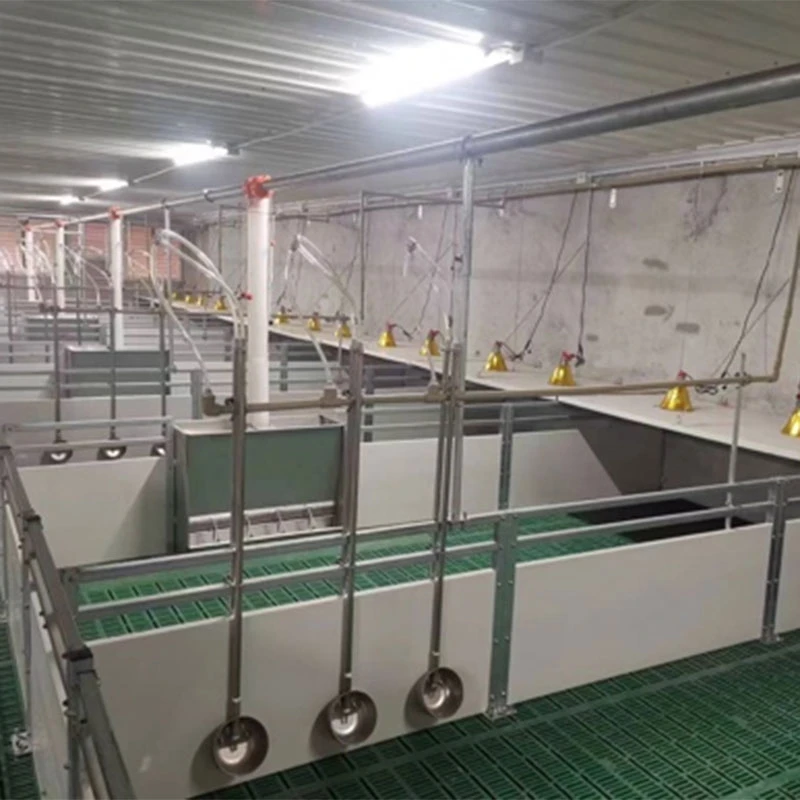
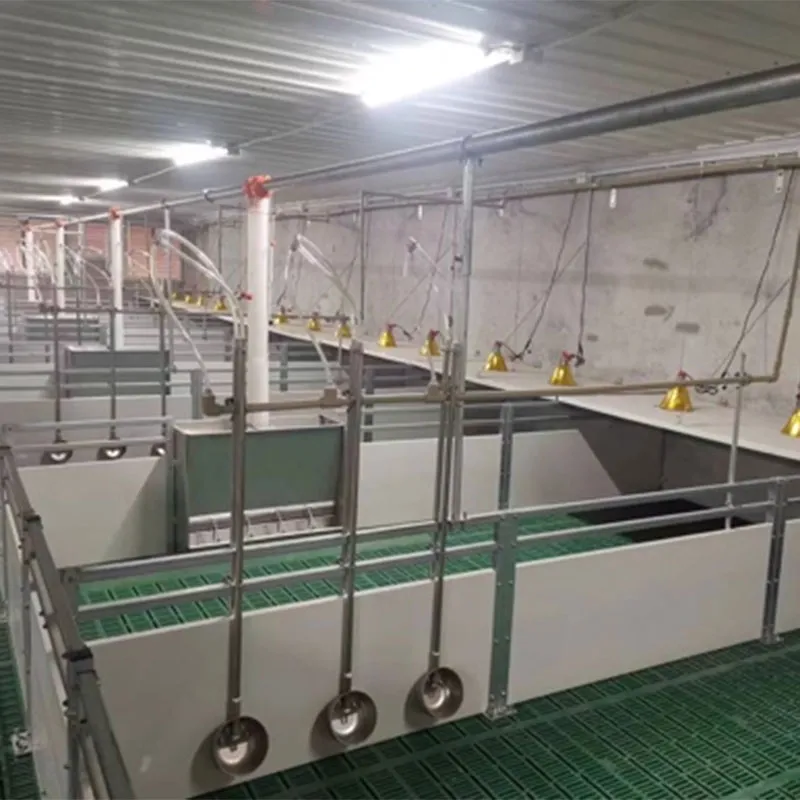
In simple terms, swine water cups are small, valve-activated cups that automatically supply fresh water to pigs when they nudge or bite the device. Unlike troughs or bowls, these cups reduce spillage and contamination, keeping water cleaner and available 24/7. They’ve become staples in modern swine housing for their ease of use, low maintenance, and ability to support better animal health.
They’re the kind of no-nonsense tech that bridges practical farm needs with humane livestock treatment—important for producers aiming to meet international standards and consumers demanding ethical sourcing.
Core Features That Set Swine Water Cups Apart
Durability and Build Quality
A typical swine water cup is made from robust materials such as stainless steel or high-grade plastic, engineered to withstand persistent pig chewing and corrosive barn environments. Some manufacturers are now experimenting with antimicrobial coatings to reduce bacterial buildup—a neat step forward if it scales.
Water Efficiency
These cups drastically cut water wastage by controlling flow with a valve mechanism activated only when the pig drinks. In real terms, a farm using water cups can save thousands of liters weekly, which means both operational savings and environmental upsides.
Ease of Installation and Maintenance
Installing these cups is generally straightforward—they connect to the existing water plumbing and require minimal upkeep. Most farmers agree that this ease translates directly to less downtime and fewer headaches, which is priceless on busy operations.
Hygiene and Health Benefits
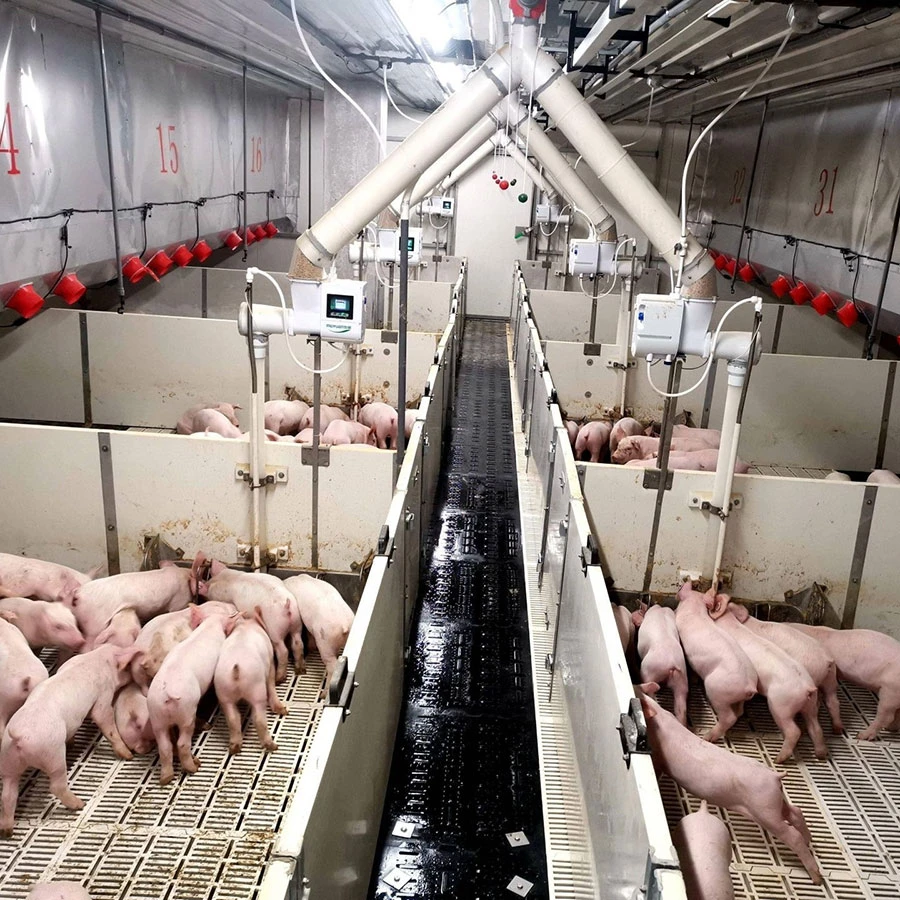
Because water in these cups isn’t sitting stagnant or easy to contaminate by bedding or feces, pigs are less exposed to pathogens compared to open troughs. The result? Lower disease rates and better growth performance.
Cost-Effectiveness
While upfront costs vary depending on manufacturer and system size (more on that below), the initial investment tends to pay off quickly through reduced water bills and healthier stock—making it a smart buy for medium-to-large farms.
Mini Takeaway:
Swine water cups embody a blend of durability, efficiency, and animal welfare that makes them an essential component in modern pig production.
Swine Water Cups in the Field: Real-World Applications
This technology is everywhere—from industrial hog farms in the US Midwest to smallholder setups in Southeast Asia. For instance, in post-disaster relief efforts where quick rebuilding of agricultural facilities is needed, swine water cups have been used to establish clean water access for livestock swiftly.
In hot climates like Brazil or Thailand, these cups help minimize water contamination and evaporation losses, crucial for sustainable production. NGOs focusing on livestock welfare often recommend them for both their practical merits and their ability to meet ISO animal welfare standards.
Even remote industrial zones or integrated farming operations utilize swine water cups because they simplify water management and reduce labor burdens.
Product Specification: Typical Swine Water Cup Models
| Feature | Model A | Model B | Model C |
|---|---|---|---|
| Material | Stainless Steel | High-Density Plastic | Coated Steel |
| Valve Type | Push Valve | Rotary Valve | Ball Valve |
| Flow Rate | 2200 ml/min | 2600 ml/min | 1800 ml/min |
| Average Lifespan | 5 years | 3 years | 4 years |
| Typical Price (per unit) | $15 | $9 | $12 |
Comparing Leading Swine Water Cup Vendors
| Vendor | Product Range | Warranty | Global Reach | Sustainability Focus |
|---|---|---|---|---|
| AgriFlow Systems | Basic to premium cups | 3 years | North America, Europe | Moderate |
| H2O Swine Solutions | Wide range including antimicrobial cups | 5 years | Global | High - eco coatings |
| PigPure Technologies | Mid-range, durable plastic cups | 2 years | Asia, Latin America | Low |
Why Swine Water Cups Are Worth the Investment
Adopting swine water cups means better water management, reducing wastage by about 30% or more, which can save farms big money in the long run. On the sustainability side, less wasted water means a smaller environmental footprint, key in the livestock sector’s push to reduce water use as outlined by the ISO standards.
Beyond dollars and cents, there’s also the undeniable improvement in animal welfare. Healthier pigs mean fewer diseases, less antibiotic use, and better growth rates, translating into stronger, more trustworthy supply chains. For some farmers, these benefits even extend emotionally—a sense that they’re doing right by their animals.
Looking Ahead: Innovations in Swine Water Cups
It’s fascinating how the humble water cup is evolving. Sensor-enabled devices are emerging that monitor water consumption patterns, alerting farmers instantly about potential health issues or broken valves. Materials are shifting toward more sustainable plastics or antimicrobial alloys. Even solar-powered water heating for extreme climates is being tested.
Automation and IoT integration feel like natural next steps, aligning with the digital transformation sweeping agriculture.
Common Challenges and How to Overcome Them
Of course, these cups aren’t perfect. Common issues include valve clogging, wear and tear from vigorous pigs, and occasional installation errors. The best solutions come from investing in quality models and regular maintenance schedules. Some farms successfully train their animals to use the water cups, reducing misuse and damage.
Additionally, suppliers offering strong customer support and warranty services help farmers navigate early hitches. Even pairing cups with water filtration systems can tackle water quality concerns.
FAQs About Swine Water Cups
- Q: How do I choose the right swine water cup for my farm size?
- A: Consider the number and size of pigs, water pressure availability, and material durability. Larger farms might prefer high-flow, stainless steel cups with antimicrobial coatings, while smaller setups could use simpler plastic models.
- Q: Are swine water cups easy to clean and maintain?
- A: Yes, most models are designed for quick maintenance. Regular flushing and occasional valve checks keep them working smoothly. Some advanced models feature removable parts for deeper cleaning.
- Q: Can swine water cups prevent disease spread among pigs?
- A: To some extent, yes. By reducing water contamination compared to open troughs, water cups help lower pathogen exposure. Combined with good barn hygiene and proper water treatment, they support healthier herds.
- Q: Do water cups save enough water to justify their cost?
- A: Generally, farms see 25-40% reductions in water waste, which quickly offsets purchase and installation costs. Savings vary depending on system size and water pricing.
- Q: Can these cups be used in all climates?
- A: Most are suitable across diverse climates, but in freezing conditions, heated variants or winterizing measures are recommended to prevent freezing and bursting.
Final Thoughts: Swine Water Cups as a Smart Sustainable Choice
It might sound overly pragmatic, but swine water cups are quietly doing heavy lifting in the big picture of global livestock sustainability. Efficient water use, healthier pigs, and operational savings come together in one neat package. Whether you run a sprawling commercial operation or a modest smallholder farm, investing in high-quality water cups can be a game-changer.
Ready to upgrade your system? Visit our website at https://www.cxlivestock.com to explore top-tier swine water cups solutions tailored for your needs.
References
Post time: Dec . 02, 2025