Understanding Small Feed Bins for Sale: A Practical Guide
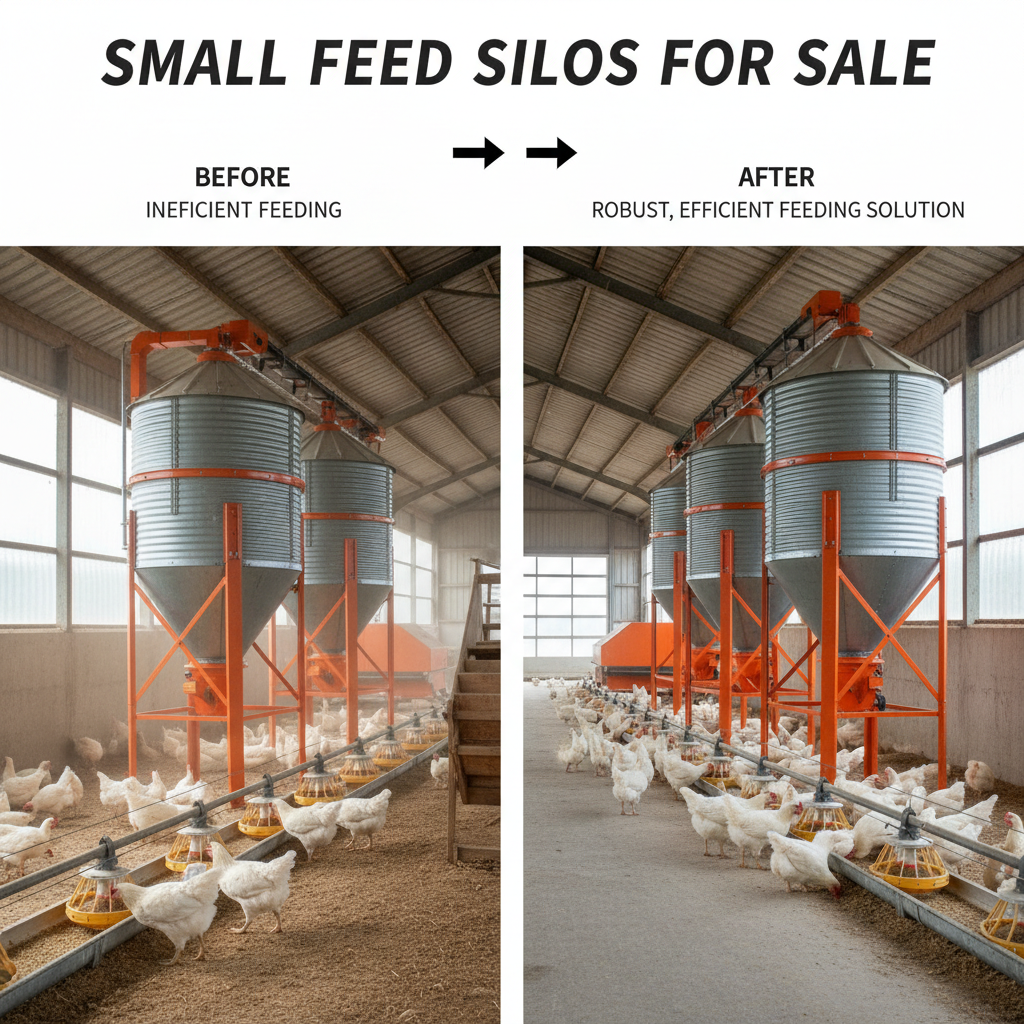
Small feed bins might sound like something niche, but in reality, they matter a lot—whether you’re managing a small farm, working in animal husbandry, or even involved in humanitarian aid. Globally, livestock feed storage is a practical cornerstone that influences food security, farm efficiency, and sustainability. Knowing about small feed bins for sale means you’ll be better equipped to keep feed fresh, reduce waste, and optimize your operations.
Introduction: Why Small Feed Bins Matter on a Global Scale
According to some recent statistics from the Food and Agriculture Organization (FAO), livestock production supports nearly 1.3 billion people worldwide. Smallholders especially often face challenges around feed storage that lead to losses and inefficiencies. Enter the humble small feed bins for sale: affordable, scalable storage solutions that help reduce spoilage and contamination. Problems like moisture ingress, rodent infestation, and poor feed quality directly impact livestock health — and by extension, farmers’ livelihoods. It’s a truly global concern, shaping agricultural practices in both developed and developing regions.
In fact, post-disaster regions and remote farms often rely heavily on compact, mobile feed storage units, making them a linchpin in both humanitarian efforts and sustainable farming operations.
What Are Small Feed Bins?
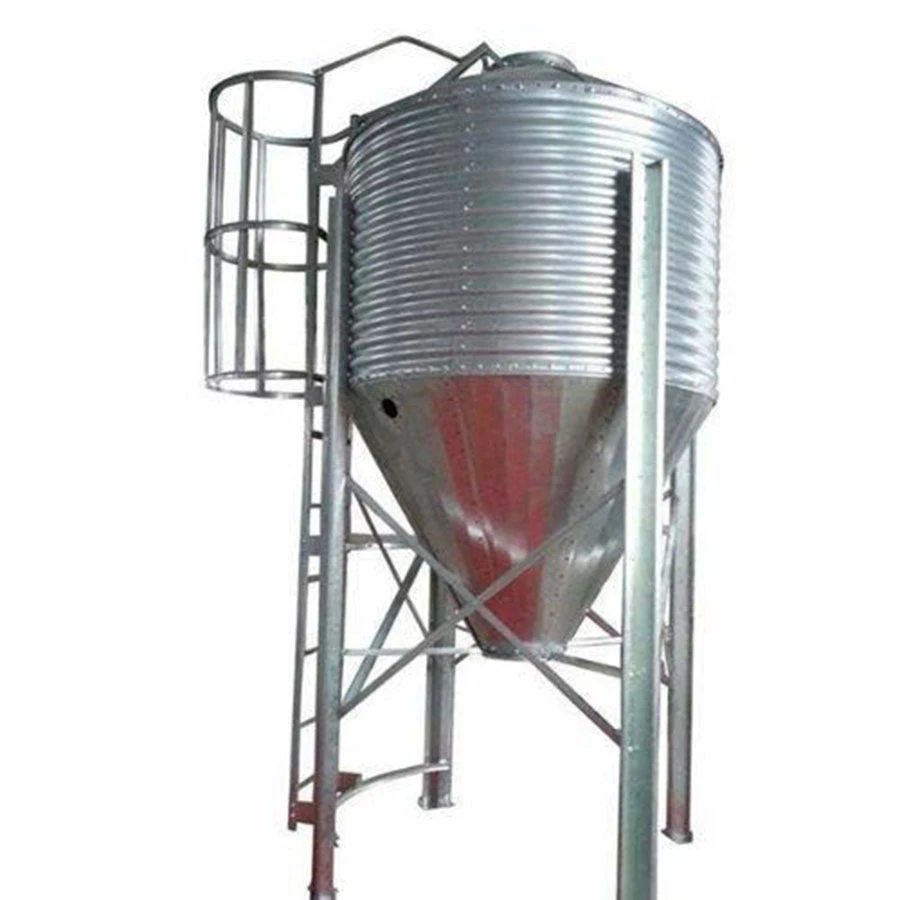
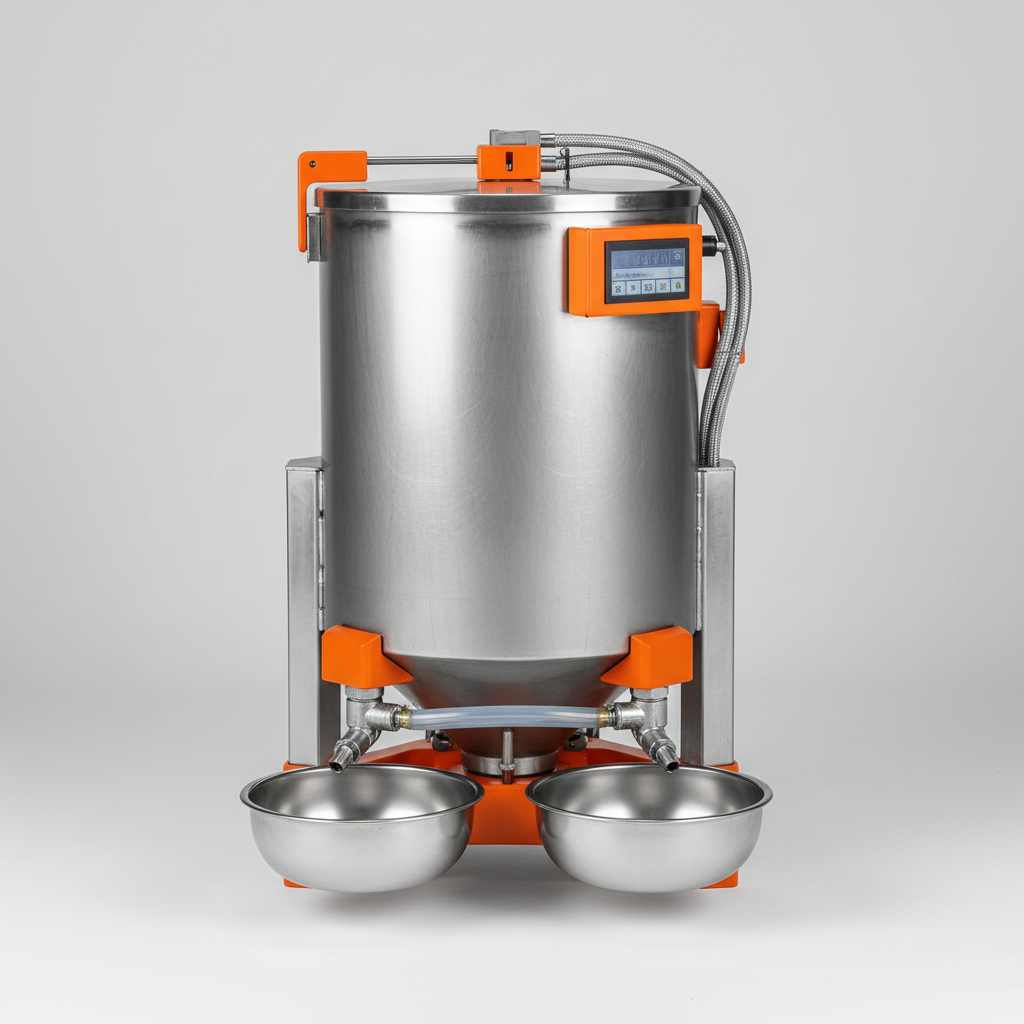
Put simply, small feed bins are storage containers designed to hold feed like grains, pellets, or mash in relatively small quantities—typically from a few hundred to a couple thousand pounds. They come in various shapes and materials but are particularly prized for protecting feed from environmental hazards, pests, and spoilage. On the industrial side, they link closely to efficient feed management systems, allowing farmers and businesses to store, portion, and dispense feed with minimal waste.
In humanitarian contexts, these bins enable reliable feed storage when supply chains are disrupted or when quick deployment of livestock support is needed.
Core Components of Small Feed Bins
1. Durability
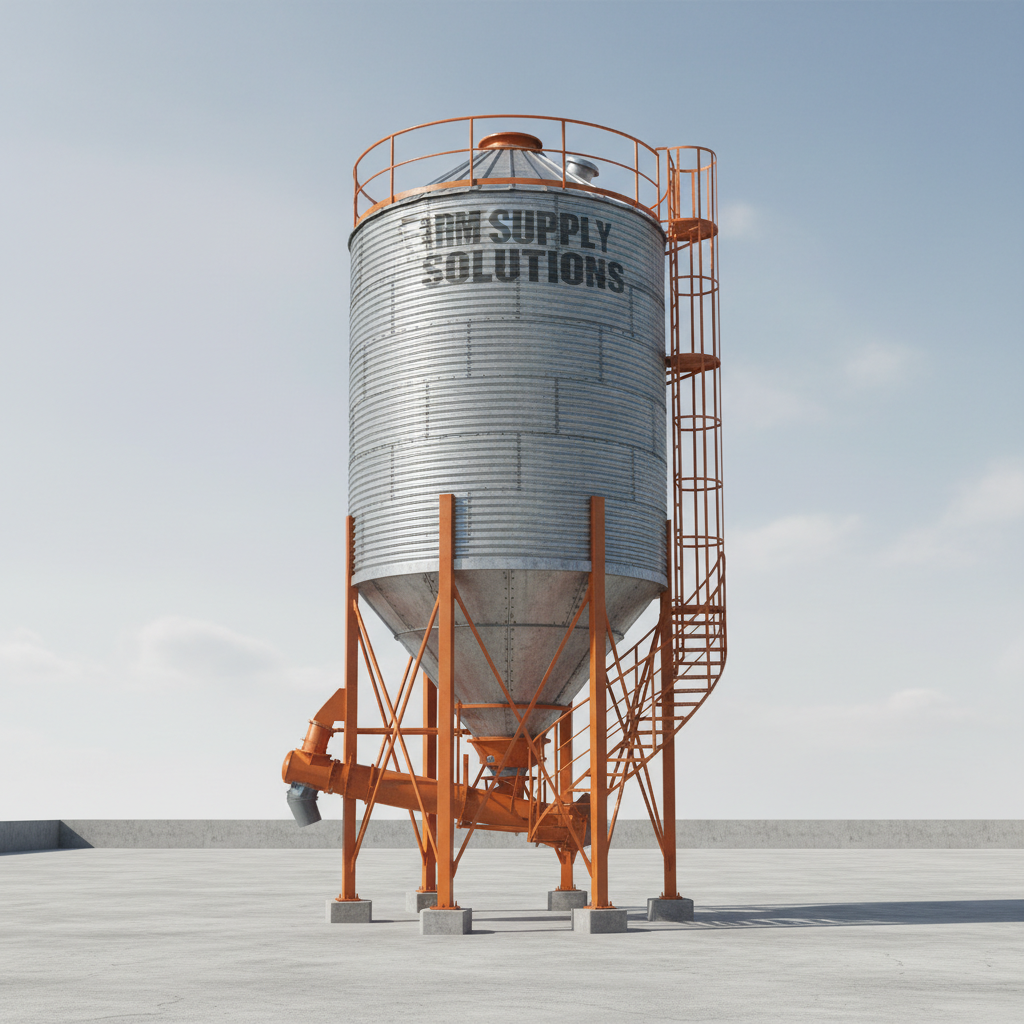
Feed bins must withstand the rigors of outdoor conditions—think UV exposure, rain, and impact. Materials like high-density polyethylene (HDPE) or galvanized steel are common. Durability ensures long-term protection of feed stocks, less replacement cost, and peace of mind.
2. Pest Resistance
Rodents and insects love moisture and carbohydrates, so an effective bin seals out pests while allowing ventilation to prevent mold. Locking lids, tight seals, and smooth interiors all help here.
3. Scalability
From small hobby farms to regional feed centers, bins come in various sizes to accommodate needs. Having modifiable or stackable options means farms can grow storage capacity without switching systems entirely.
4. Cost Efficiency
Small feed bins have to strike a balance between upfront cost and longevity. The idea is to reduce feed wastage and labor time, delivering overall savings beyond just the purchase price.
5. Ease of Use
Features like easy dispensing outlets, ergonomic designs, and portability (sometimes with wheels) make daily feeding much less of a chore.
Specifications Snapshot
| Feature | Typical Range | Material |
|---|---|---|
| Capacity | 200 - 2000 lbs (90 - 900 kg) | N/A |
| Material | N/A | HDPE, Galvanized Steel, Polypropylene |
| Dimensions (LxWxH) | 24" x 24" x 30" to 48" x 48" x 60" | N/A |
| Weight (empty) | 10 - 60 lbs (4.5 - 27 kg) | N/A |
| Special Features | N/A | Lockable lids, UV-resistant coatings, Dispensing chutes |
Global Applications & Use Cases
The versatility of small feed bins shines through around the world:
- Agricultural smallholders: In sub-Saharan Africa, many farmers use compact feed bins to store precious maize or millet feed for their poultry—and reduce losses to spoilage and pests.
- Industrial farms: In North America and Europe, automated feed bins link to dispensing systems that streamline large-scale feeding in dairy or beef operations.
- Disaster relief: In emergency livestock feeding programs, such as after floods or droughts, portable bins help NGOs distribute feed quickly and hygienically.
- Remote regions: Nomadic herders often rely on lightweight, durable bins for safeguarding feed on uneven terrain.
Small Feed Bins Vendor Comparison
| Vendor | Material | Price Range | Unique Features |
|---|---|---|---|
| FarmTech Solutions | HDPE | $150 - $400 | UV protection, stackable design |
| AgriBins Co. | Galvanized Steel | $300 - $750 | Heavy-duty, lockable lids, large capacity |
| FeedSafe Industries | Polypropylene | $200 - $500 | Lightweight, ergonomic handles, pest-resistant |
Advantages and Long-Term Value
The benefits of investing in small feed bins are obvious in real terms. They:
- Reduce feed wastage: Proper sealing against moisture, pests, and air significantly cuts down spoilage.
- Save labor: Ease of access and smart dispensing systems speed up daily work, freeing farmers’ time for other tasks.
- Enhance livestock health: Quality feed upkeep translates to healthier animals, better growth rates, and higher yields.
- Support sustainability: Reducing feed loss means less unnecessary production and waste, aligning with environmental goals.
- Provide peace of mind: Knowing that feed reserves are safe brings confidence, especially during uncertain supply chain times.
On an emotional level, there’s real comfort in having dependable storage—knowing you’re doing right by your animals and your bottom line.
Future Trends & Innovations
Small feed bins are evolving, driven by wider industry trends. Here are some you might spot soon:
- Smart sensors: Integrated moisture and temperature sensors that alert farmers on feed quality issues before losses occur.
- Sustainable materials: Bioplastics and recycled metals to lower ecological footprints without sacrificing durability.
- Automation ready: Bins designed to easily connect with automated dispensing and feed-mixing technologies.
- Modular designs: Systems that allow easy expansion and adaptability for changing farm sizes or feed types.
Challenges and Practical Solutions
Not everything is perfect — some common challenges include:
- Initial cost barrier: Quality bins can strain small farmers’ budgets, though long-term gains offset this.
- Environmental exposure: Even the best bins need proper placement and maintenance to last.
- Pest adaptation: Rodents sometimes find clever ways to breach defenses, requiring updated designs and routine checks.
Experts recommend combining bins with good farm hygiene practices, local sourcing to reduce shipping emissions, and training programs to maximize usage benefits.
FAQ: Your Questions About Small Feed Bins for Sale
Q: What size feed bin is best for a backyard poultry flock?
A: Generally, a bin with 200-400 lbs capacity suits small flocks, balancing storage needs and space. Choose a pest-resistant, airtight model to keep feed fresh.
Q: Are plastic bins better than metal ones?
A: It depends — plastic bins are lighter and resistant to rust, while metal bins often last longer and handle rough use. Consider climate and budget.
Q: Can small feed bins be customized?
A: Many vendors offer customization, including colors, sizes, and specialized lids. Custom features can enhance usability but may increase cost.
Q: How do I clean and maintain feed bins?
A: Regular cleaning with mild detergent and drying prevents mold. Inspect seals and hinges periodically to ensure integrity.
Q: Where can I find reliable small feed bins for sale?
A: Specialists like FarmTech Solutions or AgriBins Co. provide quality options. Alternatively, check small feed bins for sale for trusted suppliers and comparison.
Conclusion
Small feed bins for sale are more than just containers — they’re functional tools that improve feed management, reduce waste, and support sustainable farming practices globally. Whether you run a small farm, manage a livestock operation, or coordinate humanitarian livestock feed programs, understanding these versatile bins equips you to make smarter purchasing decisions.
For those ready to enhance feed storage or explore the latest products, feel free to visit our trusted suppliers: small feed bins for sale. It’s genuinely worth the investment for peace of mind and efficiency.
Oddly enough, once you get the right storage setup, feeding time somehow feels less like a chore and more like a small victory every day.
References:
Post time: Dec . 03, 2025