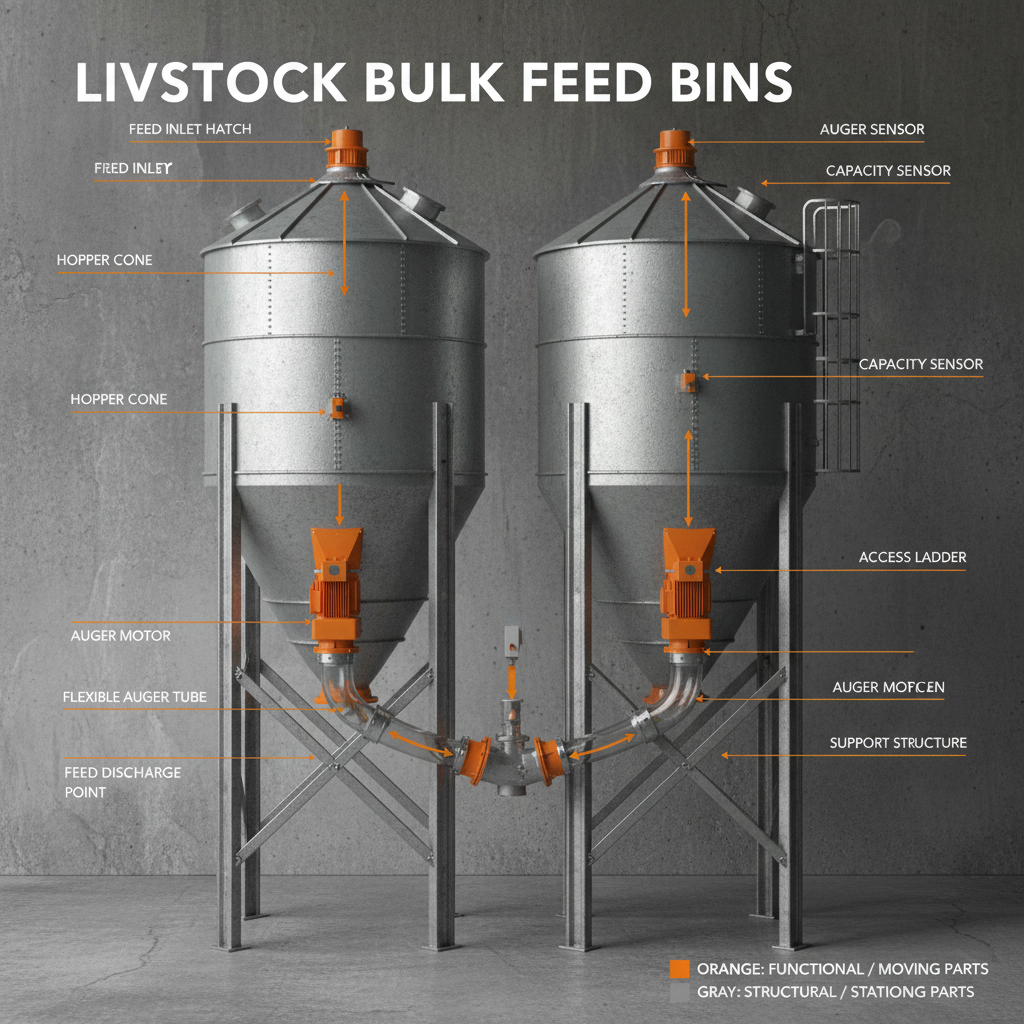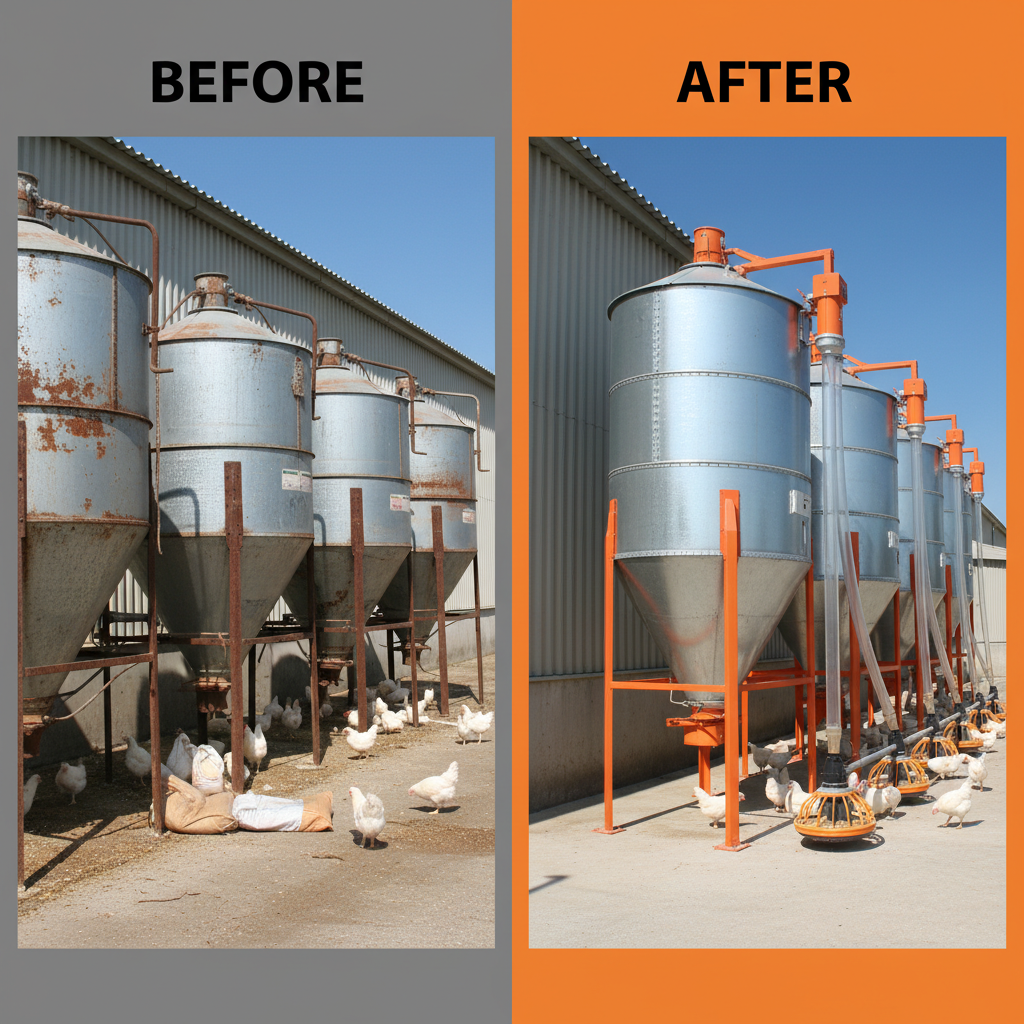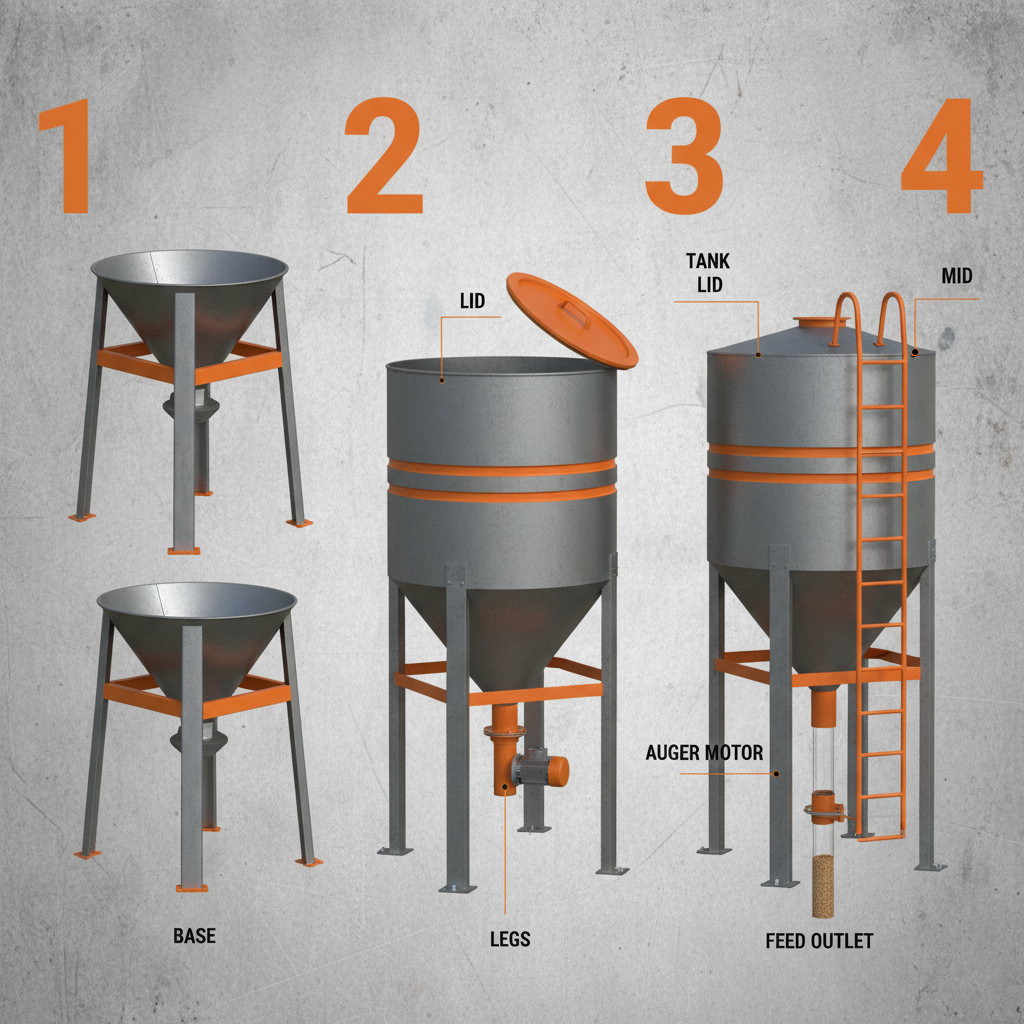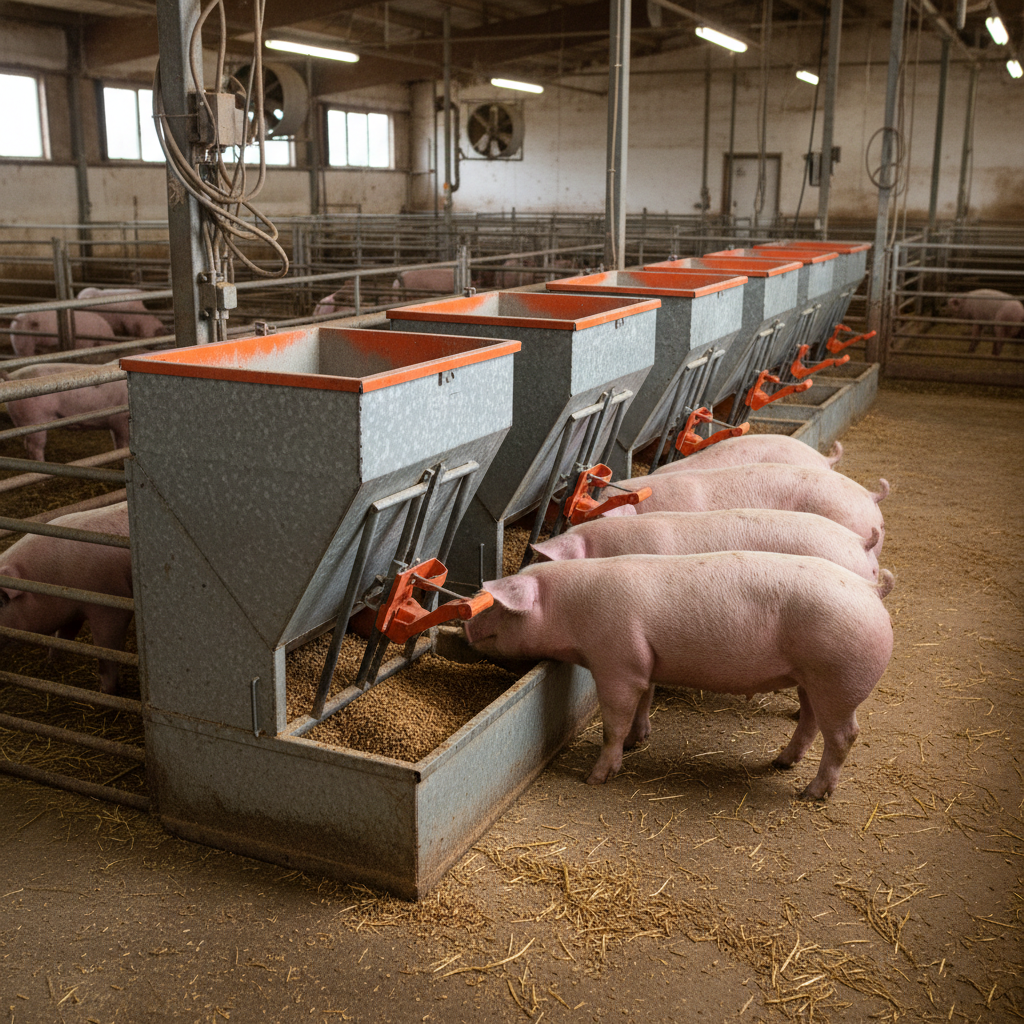
Why a Small Cow Trough Matters Globally: A Quick Overview
At first glance, a small cow trough might seem like just a farm accessory, but it’s actually a tiny yet crucial component in livestock management worldwide. These humble troughs help farmers maintain animal health, improve feeding efficiency, and conserve resources. With the global cattle population hovering above a billion head, ensuring that each cow gets appropriate feeding access is no small feat. Understanding the role of these small cow troughs helps in tackling challenges related to water scarcity, feeding logistics, and animal welfare — all vital for sustainable agriculture and food security.
Plus, for small-scale farmers or operations in remote areas, the right trough can make a dramatic difference. It’s often about practicality, affordability, and durability in tough conditions.
The Global Context of Small Cow Troughs
Worldwide, cattle farming touches everything from rural livelihoods in Sub-Saharan Africa to intensive dairy operations in Europe and North America. According to the FAO, there are approximately 1.5 billion cattle globally. Feeding and watering these animals requires careful infrastructure planning — and that's where the small cow trough comes in.
In many developing regions, access to efficient feeding systems can prevent malnutrition in herds and reduce waste. In industrialized countries, they optimize feed delivery and integrate with automation tech. However, challenges like climate change, water shortages, and rising feed prices create pressure to boost efficiency and sustainability. Proper, well-designed cow troughs could be a modest but effective part of the solution.
It's interesting that even a piece of equipment as simple as a trough is woven into vast networks of global food supply and environmental sustainability.
What Exactly is a Small Cow Trough?
Simply put, a small cow trough is a feeding or watering container designed specifically for cattle, but with a size and capacity tailored for smaller herds or limited spaces. Unlike massive communal troughs seen in large feedlots, these compact units aid in controlling portions, minimizing feed loss, and ensuring consistent access for cows in smaller setups.
They often come in materials like galvanized steel, polyethylene, or concrete, designed to withstand weather, corrosion, and the occasional bump from a curious bovine. Their design balances capacity with ease of movement or installation, making them popular among smallholder farmers, ranches, or emergency feed stations.
In humanitarian contexts, such as drought-stricken zones or post-disaster areas, these troughs are crucial for maintaining livestock health when infrastructure is shaky.
Key Features of Small Cow Troughs
Durability for Harsh Environments
The best small cow troughs last years under sun, rain, and occasional rough use. Materials must resist rust and damage. Many manufacturers use UV-stabilized plastics or galvanized metals. Farmers often tell me their troughs last multiple seasons, which saves replacement costs and reduces waste.
Portability & Size
Unlike larger troughs, small cow troughs should be easy to move or install in tight spaces. This benefits rotational grazing systems or mobile farming setups. Think of it as the difference between trying to tote a bathtub versus a cooler-sized container — size really matters.
Water and Feed Efficiency
Smaller troughs help conserve water and reduce feed spoilage by controlling quantities and exposure. This is critical in drought-prone or resource-scarce regions.
Ease of Cleaning & Maintenance
Regular maintenance is key to animal health. The ideal trough design facilitates quick cleaning to avoid contamination, algae buildup, or pests. Rounded edges and smooth surfaces do wonders here.
Cost Efficiency
Farmers are always on a budget. A small cow trough must balance quality with affordability, especially for smallholder farms or NGOs supplying relief goods.
Customizability & Accessories
Some models come with features like secure mounting points, adjustable height stands, or lids to keep feed dry and uncontaminated. These little touches can make a big difference.
Mini takeaway: When choosing or designing a small cow trough, always consider durability, size, efficiency, and ease of cleaning — ingredients for practical and sustainable livestock care.
Global Applications & Use Cases for Small Cow Troughs
From the Mongolian steppes to the small farms of Southeast Asia, small cow troughs are everywhere — each adapted to their environment. For instance:
- In African pastoral zones, small cow troughs equipped with solar-powered water pumps help ensure herds hydrate during dry seasons, preventing livestock loss.
- European organic farms use durable, easy-to-clean plastic troughs to adhere to hygiene standards and lessen water waste.
- Disaster relief NGOsdeploy portable, lightweight troughs alongside feed kits to support farmers rebuilding after floods or drought.
- Remote research stationsuse customized troughs designed for ease of transport and rugged terrain.
Oddly enough, the humble trough often represents the frontline of animal welfare in many contexts.
Advantages and Long-Term Value of Small Cow Troughs
Why invest in a high-quality small cow trough? The benefits go beyond the obvious:
- Cost savings: By reducing feed wastage and water use, farmers cut recurring expenses.
- Sustainability: Efficient water use contributes to conservation efforts (see UN Water reports).
- Animal Welfare: Easy feed access means healthier cows, higher milk yields, and fewer veterinary visits.
- Social Impact: Dairy cooperatives and small farms see improved productivity and income stability.
- Reliability: Durable troughs reduce downtime and replacement hassles.
Honestly, it's a small input with outsized returns — both practical and emotional, giving farmers peace of mind in unpredictable environments.
Future Trends and Innovations in Small Cow Troughs
Manufacturers are not standing still. Emerging developments include:
- Smart troughs: Incorporating sensors to monitor feed and water levels remotely.
- Eco-friendly materials: Recycled plastics and biodegradable composites.
- Solar-powered water refill systems, especially for arid regions.
- Modular designs allowing easy expansion or customization for herds that change size.
It’s clear that sustainability and digitization are weaving into even this traditional equipment sector — intriguing to watch.
Common Challenges & Practical Solutions
Of course, small cow troughs are not without their challenges:
- Durability Concerns: Cheap materials may crack or degrade quickly. Solution: invest in UV-stabilized polyethylene or galvanized metals.
- Cleaning Difficulty: Stagnant water can cause health issues. Solution: opt for designs with smooth surfaces and easy drainage.
- Accessibility: Some troughs may not suit all cow sizes or breeds. Solution: adjustable height models.
- Cost Barriers for Smallholders: Affordable options without sacrificing quality are critical. NGOs sometimes offer subsidized products or bulk purchase discounts.
In short, smart choices and occasional innovation help overcome most hurdles.
FAQ: Small Cow Troughs
Q1: What is the ideal size for a small cow trough?
A: Typically, small cow troughs hold 20–60 liters of feed or water, balancing space for a few cows without excessive waste. The exact size depends on herd size and usage.
Q2: Are plastic troughs better than metal ones?
A: Each has pros and cons. Plastic troughs are lighter, rust-free, and easier to clean, but may be less durable. Metals are sturdier but prone to rust unless galvanized.
Q3: Can small cow troughs be used for other animals?
A: Yes, many trough designs are versatile enough for goats, sheep, or even horses when sized appropriately.
Q4: How often should small cow troughs be cleaned?
A: Ideally daily or every few days to prevent algae, bacteria buildup, and maintain animal health.
Q5: Where can I buy reliable small cow troughs?
A: Many agricultural supply stores and specialized online vendors offer quality options. For example, check small cow trough products.
Product Specification Table
| Model | Material | Capacity (Liters) | Dimensions (cm) | Weight (kg) | Features |
|---|---|---|---|---|---|
| TroughLite 30 | UV-Stabilized Polyethylene | 30 | 60 x 35 x 25 | 4.5 | Lightweight, UV resistant, easy cleaning |
| SteelDur 50 | Galvanized Steel | 50 | 75 x 40 x 28 | 9 | Heavy-duty, rust-resistant finish, long life |
| EcoFarm 25 | Recycled Plastic Composite | 25 | 55 x 30 x 22 | 4 | Eco-friendly, durable, lightweight |
Vendor Comparison Table
| Vendor | Price Range (USD) | Material Options | Custom Orders | Shipping Regions |
|---|---|---|---|---|
| AgriFeed Supplies | 40 - 120 | Plastic, steel | Yes | North America, Europe |
| GlobalLivestock Gear | 35 - 100 | Plastic only | Limited | Worldwide |
| EcoFarm Solutions | 50 - 130 | Recycled composites | Yes | Europe, Asia |
Wrapping It Up: Why the Small Cow Trough Still Counts
So, there you have it — the story of the small cow trough, a simple yet powerful tool shaping livestock farming and welfare worldwide. By selecting the right model — one that is durable, efficient, and suitable for your context — you help your herd thrive while cutting costs and supporting sustainability. The future looks promising too, with smarter, greener innovations on the horizon.
If you're in the market or just curious, do check out the latest range of small cow trough products and see how minor adjustments in your feeding setup can have big benefits downstream. Because sometimes, the smallest changes make the biggest differences.
References
Post time: Dec . 02, 2025