Understanding Cattle Drinkers for Sale: A Global Perspective
At first glance, the idea of cattle drinkers for sale might seem like just another agricultural product on the shelf. But dig a little deeper and you’ll see it’s more than just a watering trough or an automatic bowl. It’s a vital piece of infrastructure that plays a quietly monumental role in global food security, animal welfare, and sustainable farming. With the world’s cattle population estimated at over 1 billion (according to the Food and Agriculture Organization, FAO), ensuring livestock have reliable access to clean water is not just a matter of convenience—it’s a necessity for humane and profitable animal husbandry.
Why understanding cattle drinkers matters globally is easy. Water is the cornerstone of life—for humans and animals alike. Efficient cattle hydration systems improve livestock health, reduce water waste, and even help fight disease spread. Plus, smart buying decisions around cattle drinkers for sale can make a surprising difference in farm economics and sustainability metrics. So whether you’re a farmer in Kansas, a rancher in Australia, or an aid organization helping remote communities rebuild, these systems deserve a close look.
Global Context: Why Cattle Drinkers Are an Industry Essential
Worldwide, cattle-raising underpins key economies and nutrition for billions. According to the UN’s Food and Agriculture Organization, livestock provides roughly 40% of global agricultural GDP, and water availability frequently marks a limiting factor for productivity (UN FAO, 2023). In arid regions or areas facing droughts, this challenge becomes stark—poor water delivery to cattle can lead to stress, health issues, and lower yields.
That’s where the market for cattle drinkers for sale steps in. These devices help solve the puzzle: how to reliably hydrate vast herds in challenging environments, reduce labor costs, and maintain hygiene standards. From large feedlots to smallholder farms, the availability of efficient drinkers often dictates whether cattle thrive or just survive.
What Exactly Are Cattle Drinkers for Sale?
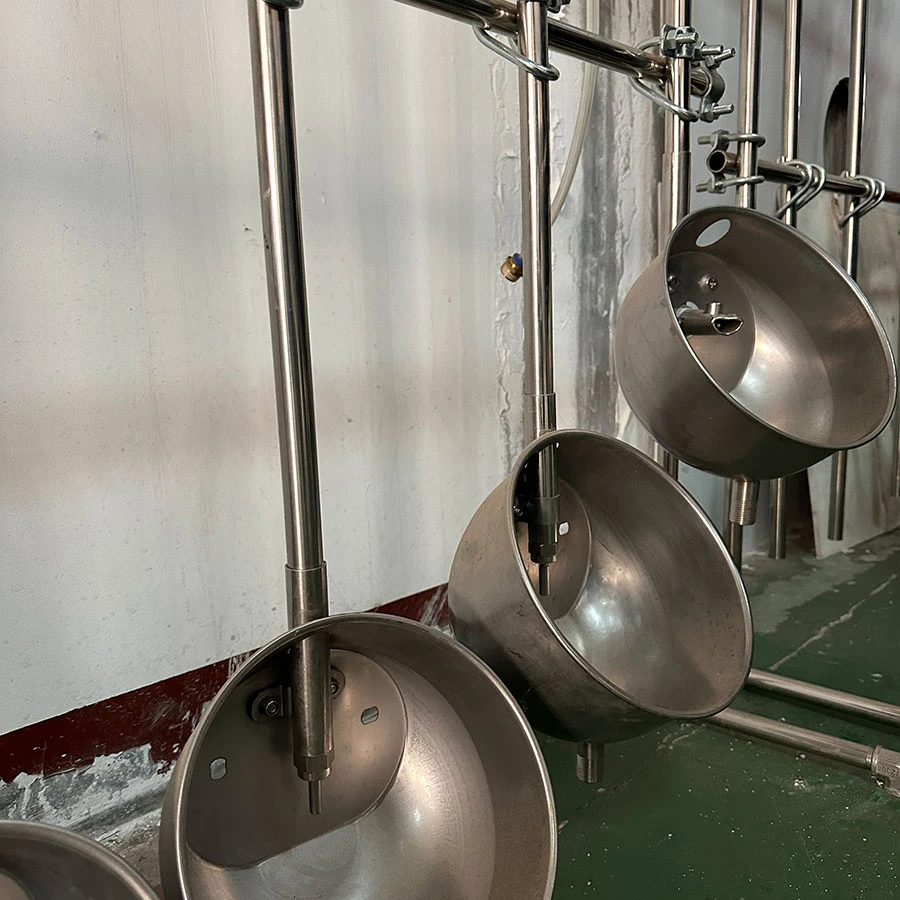
Simply put, cattle drinkers are water delivery systems designed specifically for cows, bulls, and calves. They range from basic troughs to advanced automatic watering stations with float valves, heaters, and filtration units. When you shop for cattle drinkers for sale, you’re looking at equipment tailored to meet diverse needs—like varying water quality, climate conditions, and herd sizes.
Importantly, they are connected not just to agriculture but also humanitarian projects—offering sustainable livestock watering in drought-prone regions or disaster recovery zones. The right drinker improves health, reduces stress, and keeps entire cattle operations flowing smoothly.
Key Features That Make or Break a Cattle Drinker
Durability
These drinkers must endure tough conditions: extreme weather, heavy use, and sometimes rough handling. Materials like galvanized steel or high-grade plastic often dominate to resist rust, cracks, and UV damage. If it breaks easily, well—expect downtime and frustrated cattle (and farmers).
Water Efficiency
Good cattle drinkers minimize spillage and evaporation. Automatic float valves are common here, shutting off flow when tanks are full. Efficient water use not only saves money but also protects scarce local water resources, especially in dry climates.
Ease of Maintenance
Flushable designs or easily swapped parts simplify upkeep. Clean water reduces disease risk—something that is a game-changer, as infected livestock can decimate entire herds and livelihoods.
Capacity & Scalability
Drinkers come in various sizes to fit from one calf to hundreds of head. The ability to expand or upgrade means farmers aren’t constantly replacing whole systems.
Climate Adaptability
In colder regions, heated drinkers prevent freezing, ensuring water availability year-round. In hot climates, shade attachments keep water cool, encouraging proper intake.
Mini takeaway:
When you buy cattle drinkers for sale, focus on strong materials, smart water control, practical upkeep, and matched sizing. It’s the blend of these factors that delivers real-world value.
How Cattle Drinkers Are Used Around the World
The applications of cattle drinkers are as diverse as the landscapes cattle inhabit. In North America, large commercial feedlots rely on automatic systems that supply hundreds of gallons daily. Meanwhile, in East Africa, NGOs supply hardy drinkers as part of drought recovery efforts, recognizing that water access for livestock is key to community resilience.
Interestingly, in New Zealand, many smaller farms utilize solar-powered drinkers, combining sustainability with efficiency. In post-disaster areas—like flood-affected zones—portable cattle drinkers have relieved strain on fragile water networks and allowed rapid livestock care restoration.
Mini takeaway:
- From feedlots to relief camps, cattle drinkers are flexible tools across various climates and scales.
- Even small innovations like float valves can cascade into big industry savings and improved herd health.
Advantages and Long-term Value of Investing in Quality Cattle Drinkers
It’s tempting to skimp on drinkers to save upfront, but long-term, that’s a false economy. Reliable systems ensure cattle drink enough clean water, fueling growth and milk production. Healthier cattle mean fewer vet bills and reduced mortality.
Socially, well-hydrated livestock reduce stress — which translates to better behavior and safer handling. On an emotional note, farmers often express a deep trust and bond with equipment that works consistently—kind of like a dependable field partner you can count on through thick and thin.
Environmentally, efficient drinkers cut down groundwater waste and minimize contamination risks around watering sites. This aligns with growing sustainability standards and corporate social responsibility policies.
Product Specification Table: Typical Automatic Cattle Drinker Model
| Feature | Specification |
|---|---|
| Material | Galvanized Steel with UV Stabilized Polyethylene Basin |
| Water Capacity | 100 liters (26 gallons) |
| Float Valve Type | Brass Automatic Shutoff |
| Heated Option | Optional Electric Heating Pad (110V/220V) |
| Dimensions (L×W×H) | 120 cm × 60 cm × 45 cm |
| Weight | 25 kg (empty) |
Comparing Top Vendors of Cattle Drinkers for Sale
| Vendor | Material Quality | Price Range (USD) | Customization Options | Warranty |
|---|---|---|---|---|
| AgriFlow Systems | High-grade Galvanized Steel | $250 - $450 | Size, heated option, valves | 5 years |
| HydroTrough Inc. | UV Resistant Plastic | $180 - $350 | Color, capacity, float valve type | 3 years |
| Livestock Supplies Co. | Stainless Steel with Plastic Basin | $300 - $500 | Heated, mounting, capacity | 7 years |
Looking Ahead: Innovations in Cattle Drinkers
The landscape of cattle watering is evolving, driven by the twin forces of climate change and digital innovation. Green energy drinkers powered by solar panels or kinetic pumps are becoming popular in off-grid farms. Smart drinkers equipped with sensors can now monitor water intake and detect leaks, connecting to farmer apps for remote management.
Also, biodegradable plastics and recycled materials help reduce environmental footprint. Some manufacturers experiment with modular designs that can be set up quickly or moved as herd locations change—a neat answer to today’s increasingly mobile cattle farming.
Common Challenges and How to Overcome Them
Challenges persist—especially in remote areas lacking infrastructure. Dirty or contaminated water sources remain a top problem, often due to poor drinker design or maintenance neglect. Frost and freezing can immobilize water flow, and installation costs can deter smallholders.
Innovative solutions include self-cleaning bowls, insulated systems, and community-led maintenance training that localizes technical knowhow. Financing schemes and bulk purchasing through cooperatives also help users access higher-quality drinkers affordably.
FAQ: Your Questions About Cattle Drinkers for Sale
- What makes automatic cattle drinkers more efficient than traditional troughs?
- Automatic drinkers regulate water flow using float valves, minimizing spills and constant refilling. This reduces water waste, keeps water cleaner, and saves labor, making them more efficient over time compared to manual filling of troughs.
- How do I choose the right capacity for my cattle drinker?
- Consider your herd size, average daily water consumption per animal (around 30-50 liters), and whether drinkers are supplemented by natural sources. It’s wise to select a drinker that can supply at least 1.5 times your peak herd requirement.
- Are heated drinkers necessary in cold climates?
- Yes, in freezing temperatures, heated drinkers prevent water from freezing, ensuring cattle always have access to liquid water. This reduces stress and health risks during winter months.
- Can I install a cattle drinker without plumbing expertise?
- Many modern cattle drinkers are designed for straightforward installation with basic plumbing tools. However, for automatic or heated units, professional installation is recommended to ensure proper safety and function.
- Where can I find reliable cattle drinkers for sale?
- Trusted vendors like those listed above and specialist livestock retailers offer a broad range, backed by warranties and customer support. Checking local reviews and expert advice helps ensure you buy what suits your operation best.
Conclusion: Why Invest in Good Cattle Drinkers Today?
Investing in high-quality cattle drinkers for sale is not just a purchase; it’s a commitment to healthier animals and more sustainable farming. The right system improves water use, boosts livestock productivity, and saves time and money over the long haul.
If you’re ready to enhance your cattle operation or explore solutions tailored to specific climates and herd sizes, don’t hesitate to check out the options available at https://www.cxlivestock.com. Good drinkers might not be the flashiest piece of kit, but genuinely—they often become a farmer’s quiet MVP.
References
Post time: Nov . 30, 2025