The Rising Role of Poultry Farm Plastic Floors in Modern Agriculture
In the world of poultry farming, innovations that seem mundane at first glance can actually revolutionize entire sectors. Among these, the poultry farm plastic floor is quietly reshaping how farmers manage hygiene, costs, and animal welfare. Given that poultry farming supports billions globally — it’s no surprise that improving infrastructure like flooring has rippling effects on food safety, productivity, and sustainability.
Understanding the benefits and applications of plastic flooring helps us see beyond traditional dirt or concrete setups, reflecting a bigger push towards scalable, hygienic, and eco-friendly farming practices worldwide.
Why It Matters: Global Context of Poultry Farm Plastic Floors
Globally, poultry production is on a steady rise — the FAO reports that chicken meat production topped 130 million tons in recent years, reflecting a growing appetite for affordable protein. With intense intensification comes tougher challenges: disease control, waste management, and operational efficiency all depend heavily on on-farm infrastructure.
Dirt floors can harbor pathogens and are tough to clean, while concrete floors can cause leg injuries and are expensive to install and maintain. This is where poultry farm plastic floors enter the picture, offering a hygienic, maintenance-friendly, and animal-safe alternative that aligns well with international animal welfare guidelines (think ISO 10993).
Oddly enough, even as sustainability becomes a global buzzword, many farms, especially in developing nations, still rely on suboptimal surfaces. The shift to plastic flooring offers an answer not only to efficiency but also to critical global health concerns linked to zoonotic diseases.
Mini Takeaway:
- Poultry farm plastic floors address major global farming concerns: hygiene, animal welfare, and operational efficiency.
- They align with rising poultry demands and sustainability benchmarks worldwide.
What Exactly Is a Poultry Farm Plastic Floor?
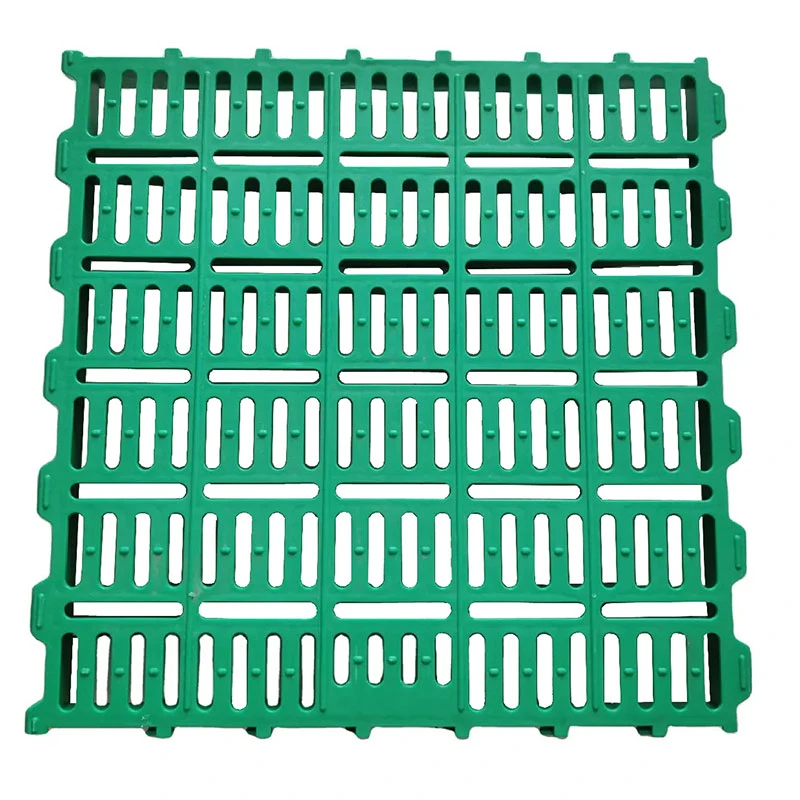
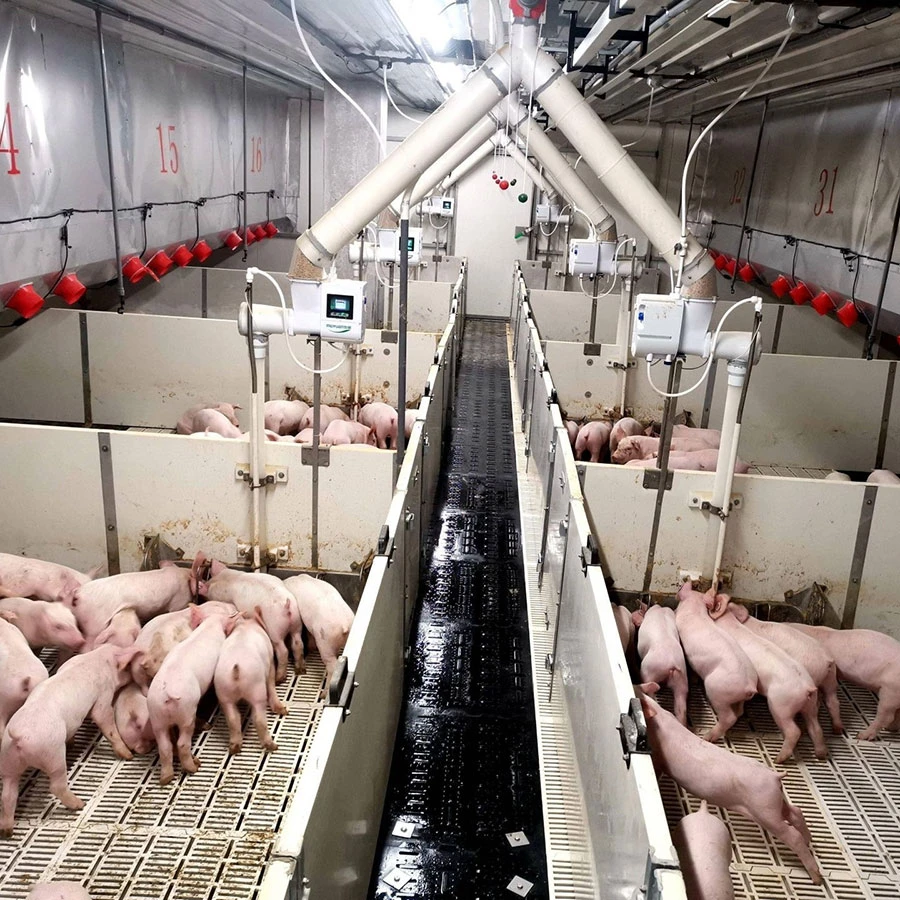
At its core, a poultry farm plastic floor is a specialized flooring system made of durable, non-toxic plastic panels designed to replace traditional substrates inside poultry houses. These floors are slatted or perforated to improve waste drainage, reduce moisture buildup, and promote ventilation right at the birds' feet.
Think of it as a modular “rack” for chickens to stand and walk on — these floors are engineered for easy cleaning, long-term wear, and better thermal comfort for birds. Modern designs often incorporate UV stabilization and anti-microbial additives, which makes sense when you consider how long they’re subjected to manure and ammonia gases.
In humanitarian or rural development scenarios, these floors also make fast construction or rehabilitation of poultry shelters possible, critical for food security in vulnerable communities.
Mini Takeaway:
- Plastic floors are modular, ventilated surfaces designed to improve hygiene and comfort in poultry houses.
- They help bridge farming best practices with quick deployment needs in resource-limited settings.
Core Components that Make Poultry Farm Plastic Floors Worthwhile
1. Durability & Material Composition
Most floors use high-density polyethylene (HDPE) or polypropylene blends, chosen for their resistance to chemicals, impact, and bacterial growth. I’ve noticed many engineers swear by UV-resistant additives to prevent cracking under sunlight exposure, which really extends lifespan — farms want to replace floors every 5–10 years max.
2. Drainage and Ventilation
Perforations or slats allow waste to drop through, reducing foot contact with manure. This improves bird health — less ammonia means lower respiratory issues. It also speeds cleaning and lowers ammonia smell — a win for workers and neighbors alike.
3. Cost Efficiency Over Time
Initially, plastic floors cost more than dirt or concrete. But when you weigh lower labor for cleaning, reduced disease-caused mortality, and less downtime, it quickly balances out — and many farmers tell me returns appear within the first full year.
4. Scalability and Customization
Panels can be customized for size and shape, making them ideal for a wide range of poultry operations — from small backyard coops to massive industrial farms. Easy panel replacement means damaged sections don’t require full refurbishing, which is a smart money saver.
5. Animal Welfare Compliance
Soft, non-slip surfaces reduce leg injuries and improve bird comfort, a subtle factor but crucial for ethical farming and consumer trust.
Mini Takeaway:
- Plastic floors combine smart material science with functional design for durability and healthier birds.
- They often bring cost savings over time and fit both small and large scale farms.
Global Applications & Real-World Use Cases
Poultry farm plastic floors are no longer niche. Asia’s booming poultry markets — China, Vietnam, India — have seen rapid adoption, aligning with government pushes for disease control and sustainable farming. Similarly, European farms use them to comply with strict regulations around animal welfare and environmental impact.
In remote or disaster-affected regions, NGOs use modular plastic flooring systems to quickly establish safe poultry housing, part of wider nutrition and economic recovery programs. For example, after floods in Southeast Asia, plastic floors have helped farmers restart chicken production without contamination risks that muddy floors would invite.
Interesting fact: some large integrators specify these floors exclusively in new commercial facilities, given their long-term reliability and easier biosecurity management.
Mini Takeaway:
- Used worldwide — in booming agriculture regions and humanitarian settings — for hygiene and rapid deployment.
- They form part of strategic responses to food security and farm biosecurity needs.
Why Choose Poultry Farm Plastic Floors? The Long-Term Benefits
- Hygiene & Biosecurity: Enhanced waste drainage and ventilation reduce pathogen buildup and disease risk.
- Durability & Cost Savings: Resistance to chemicals and weather means longer service life and less replacement.
- Animal Comfort & Welfare: Non-slip surfaces mean fewer injuries; better comfort means better productivity.
- Sustainability: Often recyclable material and reduced need for harsh cleaning chemicals.
- Worker Safety: Cleaner air and less foul smell improve working conditions.
Frankly, this kind of flooring feels like a practical innovation with gently revolutionary effects — even if it can seem like a small piece of the farming puzzle, it impacts the whole ecosystem around poultry farming.
Looking Ahead: Future Trends & Innovations in Poultry Farm Plastic Floors
The future looks bright. Companies are exploring biodegradable plastics and recycled HDPE to reduce environmental footprint. Integration with digital sensors that monitor moisture or manure accumulation is entering prototype phases, pushing toward “smart floors” that signal when cleaning is needed. Imagine, floors that talk! Automation integration with these systems could streamline farm operations.
Also, regulatory pushes globally toward more animal welfare-friendly conditions will likely increase demand for advanced flooring with better ergonomics and health benefits.
Challenges & Navigating Solutions
Not everything is perfect. Installation costs can put smaller farmers off, and improperly installed floors can trap moisture instead of draining it—so education and skilled installation are important. Additionally, plastic waste management after end-of-life is a growing concern, but recent recycling initiatives offer hope.
Many experts suggest combined strategies — training farmers and integrating plastic floors into broader biosecurity and farm management plans — as a way to get the best long-term value.
Product Specifications
| Feature | Specification | Notes |
|---|---|---|
| Material | High-density polyethylene (HDPE) | UV stabilized, non-toxic |
| Dimensions | 600 mm x 600 mm panels | Modular, customizable layouts |
| Thickness | 12 mm | Optimized for strength vs. cost |
| Weight per panel | Approximately 1.5 kg | Light enough for easy installation |
| Load capacity | Up to 500 kg/m² | Suitable for commercial poultry houses |
| Drainage type | Slotted openings, 20% open area | Efficient manure drainage |
Vendor Comparison: Leading Poultry Farm Plastic Floor Providers
| Vendor | Product Range | Price Range | Lead Time | Support & Warranty |
|---|---|---|---|---|
| FarmFloor Solutions Inc. | Standard & custom panels, antimicrobial options | $$$ (Premium) | 3-5 weeks | 5 years warranty; on-site installation support |
| AgriPlastics Co. | Modular panels, limited sizes, eco-friendly option | $$ (Mid-Range) | 2-4 weeks | 3 years warranty; remote tech support |
| EcoPoultry Surfaces Ltd. | Recycled plastic floors, bio-based additives | $$$ (Premium) | 4-6 weeks | 4 years warranty; sustainability consulting |
Frequently Asked Questions About Poultry Farm Plastic Floors
Q1: How does a plastic floor improve poultry health compared to dirt or concrete?
A1: Plastic floors reduce moisture retention and improve manure drainage, which lowers ammonia buildup—a key irritant to poultry respiratory systems. Unlike concrete, plastic panels offer better slip resistance, lowering leg injuries. And compared to dirt, it’s simply more hygienic, minimizing pathogen presence in the birds’ environment.
Q2: Are plastic floors suitable for all types of poultry farms?
A2: While most farms can benefit, smaller or backyard coops may find plastic floors a bit costly initially. However, medium to large commercial farms tend to see cost savings and efficiency benefits quickly. Also, plastic flooring panels offer modular sizes that can be customized, suitable from family-run setups to industrial-scale operations.
Q3: What maintenance is required for plastic poultry floors?
A3: Regular cleaning with water and mild detergents keeps the panels sanitary. The slotted design makes manual or automated waste removal easier. Avoid harsh chemicals that could degrade the material. With proper maintenance, floors can last 7-10 years or more.
Q4: Can these plastic floors be recycled at the end of use?
A4: Many manufacturers use recyclable HDPE, and some offer take-back programs. Recycling infrastructure varies by region, but choosing recyclable options supports circular economy goals and reduces landfill waste.
Q5: How quickly can plastic flooring be installed in existing poultry houses?
A5: Installation can be surprisingly quick — often within a day for typical sized poultry houses—provided the floor base is prepared correctly. Modular panels are lightweight and easily handled by two workers, minimizing downtime.
Conclusion: Why Poultry Farm Plastic Floors Are Here to Stay
When you zoom out, poultry farm plastic floors represent one of those quietly powerful innovations optimizing the backbone of global food supply. The blend of hygiene, animal welfare, cost-efficiency, and sustainability makes them essential in evolving farming systems. Whether you operate a small backyard coop or a large commercial facility, upgrading your floors is an investment that pays forward with healthier birds, happier workers, and ultimately more reliable production.
If you’re ready to explore modern poultry flooring options or want tailored solutions, visit our website: poultry farm plastic floor for expert advice and quality products designed to last.
References
Post time: Dec . 02, 2025