Why Does Farrowing Pen Size Matter in Today’s Livestock Industry?
If you’re dipping your toes into modern pig farming or livestock management, you’ve probably wondered: just how important is farrowing pen size anyway? Turns out, it’s not just about giving sows a comfy little spot to have piglets. It’s a global topic that affects animal welfare, productivity, and sustainability — making a serious ripple in agricultural economics worldwide.
Understanding farrowing pen size is key because it ties directly to piglet survival rates, sow comfort, and farm efficiency. In places where animal welfare standards are tightening — from the EU to parts of Asia — getting this right can be a game-changer. Plus, optimizing farrowing pens isn’t just ethical; it often leads to better returns by reducing losses and veterinary costs.
The Big Picture: Global Context of Farrowing Pen Size
Globally, pork is one of the most consumed meats, with the UN Food and Agriculture Organization estimating that in 2022, the worldwide pork production neared 120 million tonnes. Yet, the survival rate of newborn piglets directly impacts this output — and that’s where farrowing pen size steps in. A pen too cramped stresses the sow and limits piglet movement; too big, and it affects warmth retention and control.
A study from the ISO on livestock housing standards notes a consistent challenge in balancing space efficiency with animal welfare standards. Growing consumer awareness about humane farming practices creates pressure, especially in Europe, but across the US and Asia as well, larger pen sizes are being encouraged or mandated.
Still, farmers face a puzzle: How do you design a farrowing pen size that maximizes piglet survival and sow wellbeing without blowing your costs sky-high? That balancing act is exactly why it matters so much right now.
What Exactly Is Farrowing Pen Size?
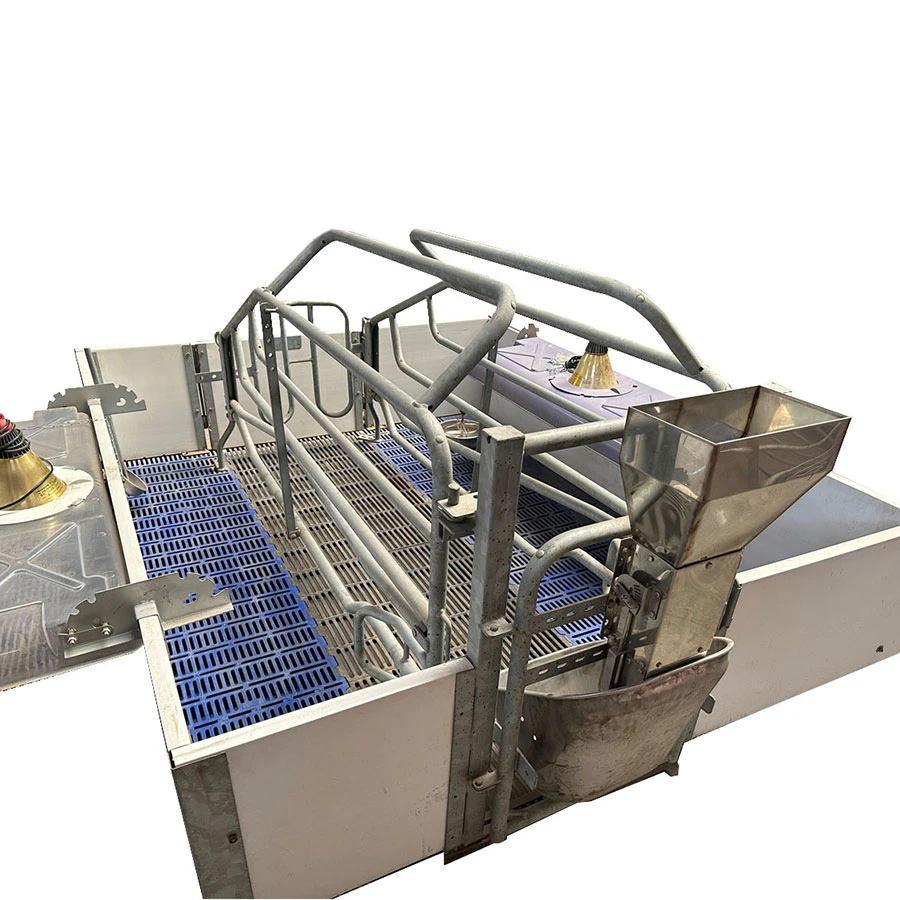
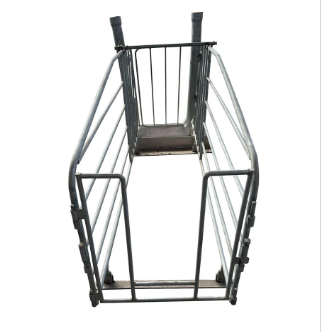
Simply put, farrowing pen size refers to the physical dimensions of the enclosure where a sow gives birth (farrows) and raises her piglets during their first few weeks. It includes space for the sow to nest, rest, and nurse, plus room for piglets to move safely without getting crushed or chilled.
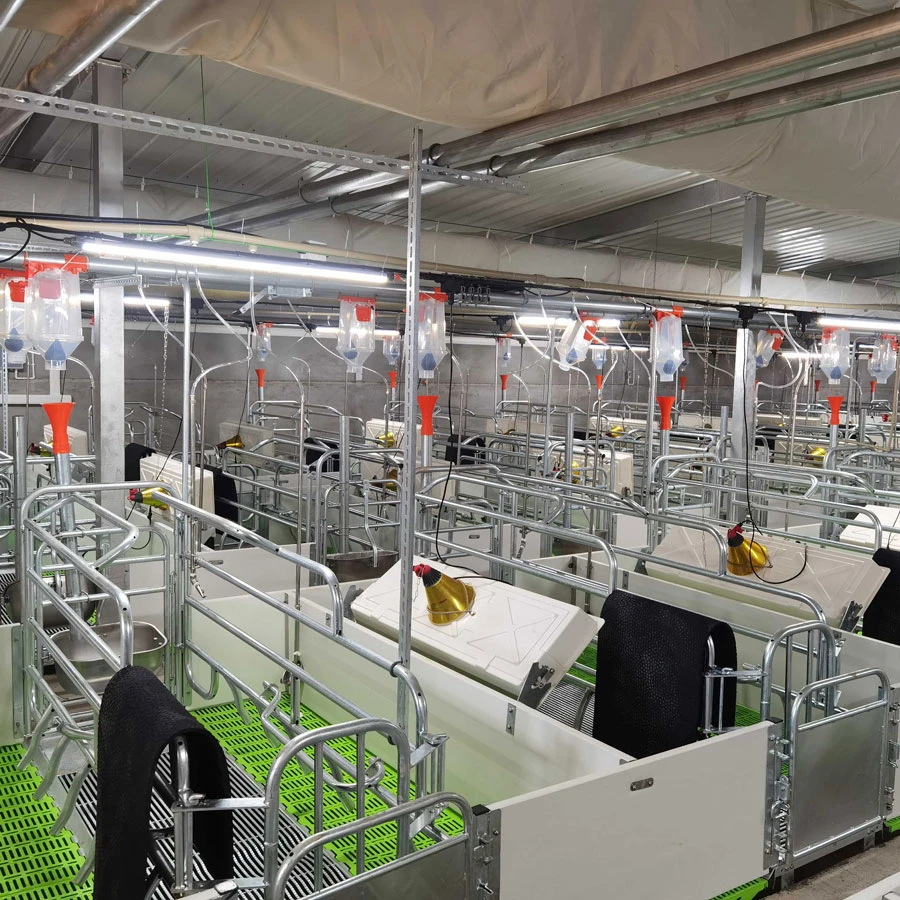
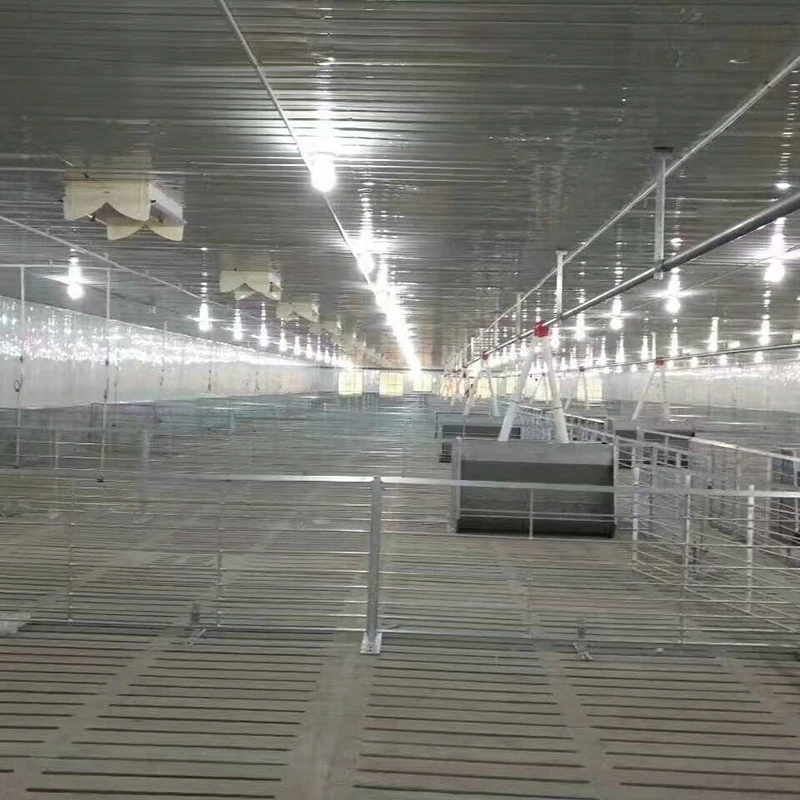
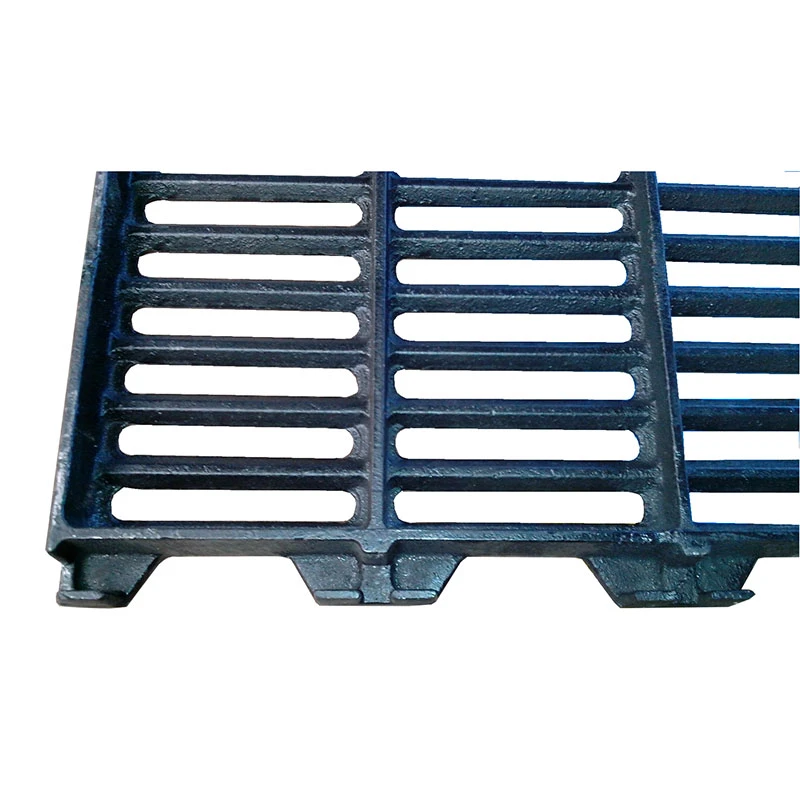
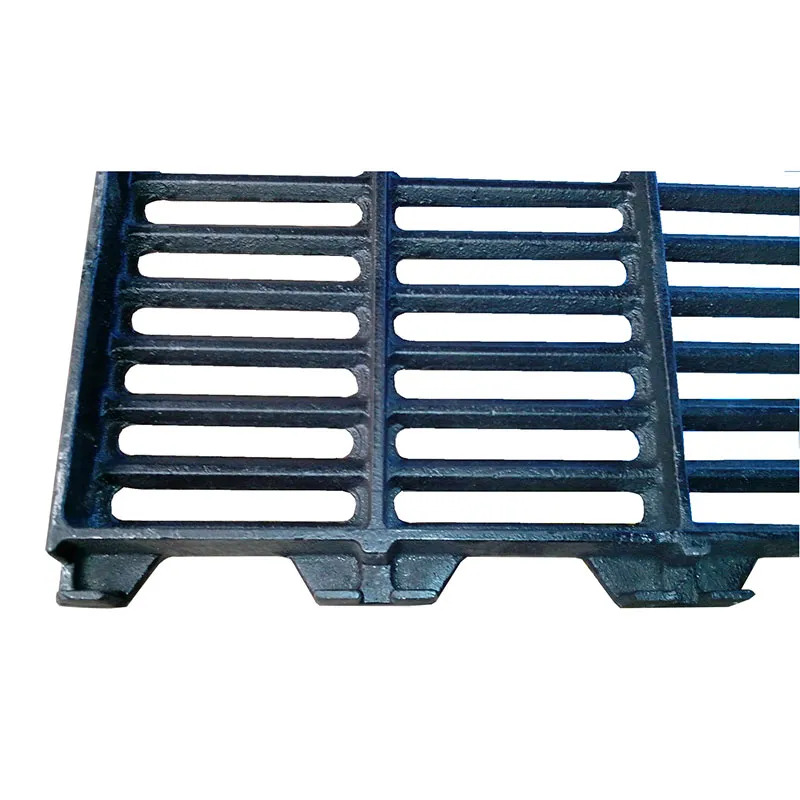
In modern pig farming, it is a carefully measured space, often standardized, to ensure animal welfare compliance and operational efficiency. Farrowing pens can be simple or highly engineered, incorporating heat lamps, anti-crush rails, and easy-clean flooring. The size and design connect directly to both humane treatment and productivity — serving as the frontline for early piglet survival.
Mini takeaway:
Farrowing pen size isn’t just a number — it’s a crucial design decision influencing animal welfare and farm economics.
Key Factors Influencing Farrowing Pen Sizes
1. Sow Comfort and Behavior
Sows need room to move naturally: to lie down, stand up, and nurse. Pens that are too small increase stress and limit these movements, which impacts health and piglet care. Many experts say a typical sow requires between 6 to 8 square meters, but this fluctuates with breed and farming system.
2. Piglet Safety and Space
The first 2-3 weeks are critical for piglets. They require warm resting areas away from the mother’s weight to prevent accidental crushing, but also need to feel close enough for feeding and warmth. Farrowing pens often include creep areas with heat sources, so size should accommodate these zones.
3. Hygiene and Maintenance
Larger pens can mean more cleaning effort, but cramped spaces get dirty faster, risking infections. Material choice and floor design interplay with size to maintain hygiene without impractical labor demands.
4. Cost Efficiency and Scalability
Wider pens cost more upfront in materials and housing space, but may reduce piglet mortality and vet bills, offering savings long term. Farmers often juggle how much pen size affects turnover versus initial investment.
5. Regulatory Compliance
Standards like the EU's Council Directive 2008/120/EC set minimum space requirements for animal welfare, shaping farrowing pen designs globally. Ignoring these can shut farms out of export markets or lead to fines.
| Parameter | Recommended Size/Value | Notes |
|---|---|---|
| Sow resting area | ~6 m² | Varies by sow size and breed |
| Piglet creep area | 1–2 m² | Includes heating lamp zone |
| Pen width | ~2.5 m | Allows sow to turn comfortably |
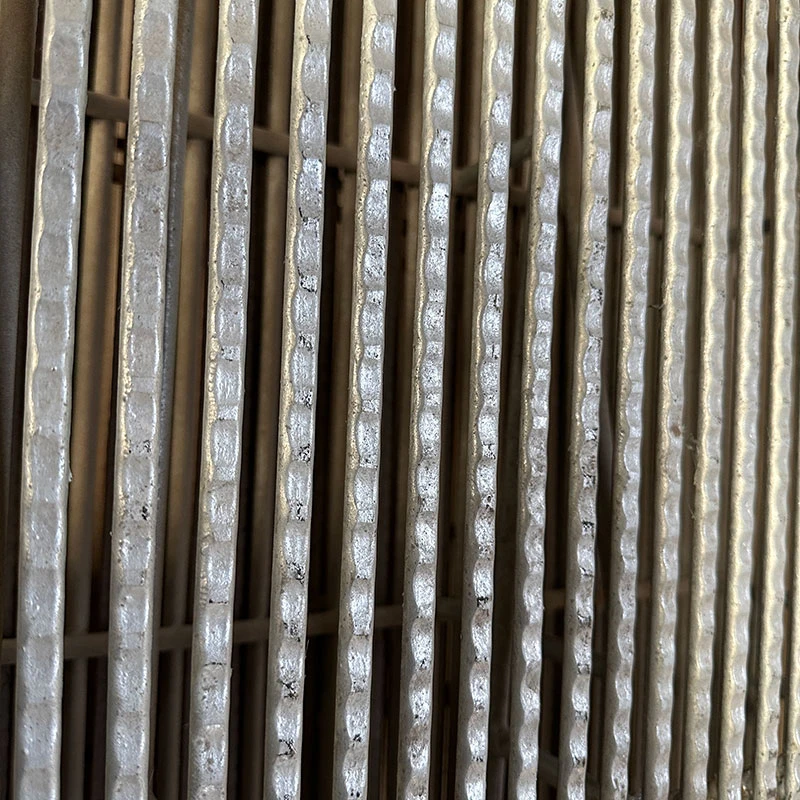
| Floor type | Slatted or solid with drainage | Optimizes hygiene, warmth retention |
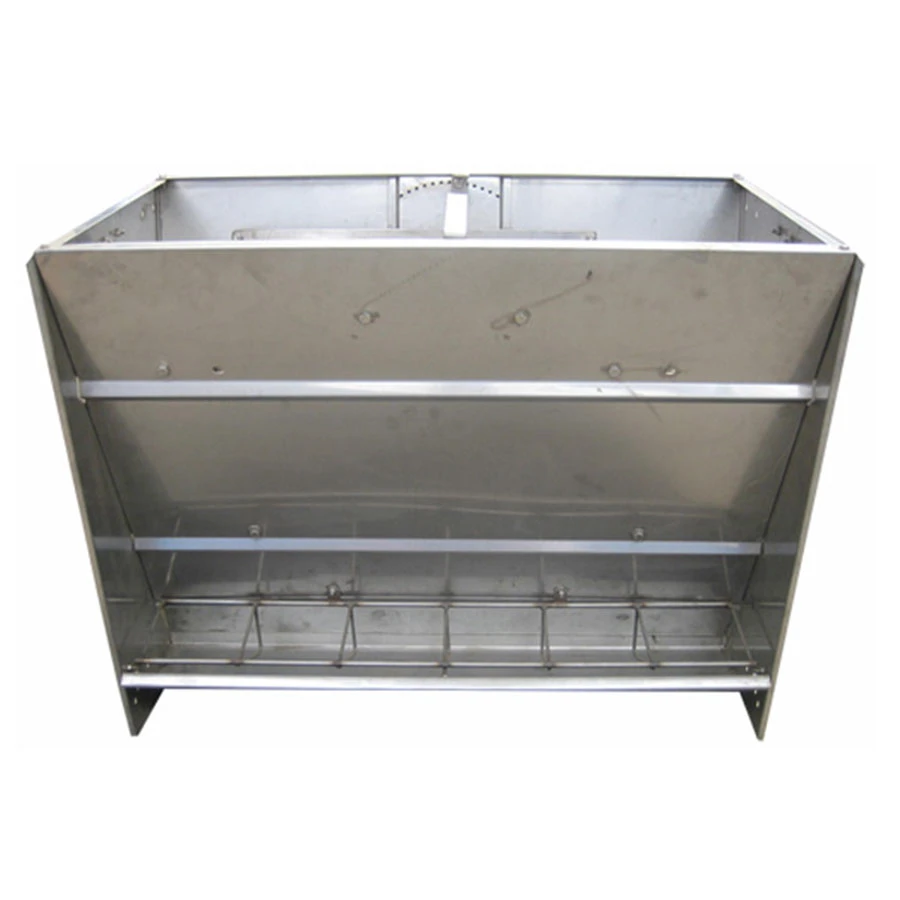
| Feeding space | Adequate access for sow | Prevents competition, stress |
Mini takeaway:
Balancing size with functionality and welfare requires attention to multiple factors — from sow comfort to hygiene and regulations.
How Farrowing Pen Size Plays Out Worldwide
Across North America and Europe, there’s a push toward welfare-friendly pens with more space and better features, driven by both regulation and consumer demand. EU countries often exceed minimum size norms, incorporating technology like automated temperature and humidity controls.
In Asia, where pork farming is growing rapidly, the challenge is often scaling pen size affordably while maintaining decent animal husbandry standards. Some modern farms adopt modular farrowing units that can be expanded or customized per seasonal needs.
Organizations like Mercy Corps and the FAO sometimes support farrowing facility improvements in developing countries to enhance food security and sustainability.
In places prone to disruption like remote rural areas or post-disaster zones, portable farrowing pens that meet space standards are increasingly seen as innovative solutions.
Mini takeaway:
Whether commercial farms or humanitarian projects, right-sized farrowing pens improve outcomes around the globe — sometimes in surprising ways.
What Are the Advantages of Optimizing Farrowing Pen Size?
- Higher Piglet Survival Rates: Better space reduces crushing risks and hypothermia.
- Improved Sow Health: Freedom of movement lowers stress and injury.
- Cost Savings Over Time: Less vet intervention, faster piglet growth.
- Sustainability: Efficient use of resources with better hygiene reduces waste.
- Positive Public Image: Ethical farming appeals to conscious consumers.
Emotionally, farmers often tell me they feel less guilt and more trust in their animals when pens provide adequate space — it’s more than just the bottom line. On the rational side, decreased piglet mortality can mean thousands saved yearly on a mid-sized farm.
Looking Ahead: Innovations Shaping Farrowing Pen Sizes
Technology is becoming a game changer. Smart monitoring systems track sow behavior and automatically adjust heat and lighting in piglet creep areas. Some farms incorporate sustainable materials like bamboo composites or recycled plastics to build pens that are both strong and eco-friendly.
Automation also influences size choices — with adjustable, modular panels, pens can expand or contract based on real-time livestock needs.
On the policy front, more governments are setting stricter space minimums aligned with animal welfare science, nudging manufacturers and farmers to innovate smart, scalable designs.
Common Challenges and How Experts Are Solving Them
Financing large pen upgrades can be prohibitive, especially for smaller farmers. Some lease-to-own or cooperative purchasing models help ease that burden. Also, space limitations in existing barns mean farms must get clever — modular pens that fold or stack offer flexible solutions.
Another hurdle is educating farm workers on optimal pen maintenance to avoid hygiene issues, which can undermine the benefits of larger pen sizes.
| Vendor | Standard Pen Size (m²) | Materials | Price Range (USD) | Special Features |
|---|---|---|---|---|
| AgriPen Solutions | 7.5 | Galvanized steel & plastic | $900–$1,200 | Modular, quick assembly |
| PigSafe Co. | 6.8 | Recycled HDPE plastic | $1,050–$1,300 | Anti-crush rails, insulated |
| FarmFlex Systems | 8.2 | Aluminum & treated wood | $1,100–$1,400 | Expandable panels, eco-friendly |
FAQ: Your Top Questions About Farrowing Pen Size
Q1: What is the optimal size for a farrowing pen to reduce piglet mortality?
A good farrowing pen generally offers about 7 to 8 square meters, balancing the sow’s needs with piglet safety. This lets piglets move freely but stay warm, reducing the risk of crushing and hypothermia. Always check local welfare regulations too since they specify minimum requirements.
Q2: Can I customize farrowing pen size for different sow breeds?
Definitely. Larger breeds like Landrace may benefit from pens slightly bigger than standard, while smaller breeds need less room. Modular pen systems allow easy resizing to accommodate various sow sizes and improve comfort accordingly.
Q3: How much does upgrading farrowing pen size impact farm costs?
Initial costs rise due to material and space requirements, but many farmers see returns in fewer piglet losses, reduced vet bills, and better sow productivity. It’s an investment that pays off especially in high-volume operations.
Q4: Are farrowing pens environmentally sustainable?
Modern pens are increasingly made from recycled or renewable materials and designed with waste management in mind. Some even incorporate solar-powered heating for piglet creeps, supporting greener operations.
Q5: Where can I find detailed guidance on farrowing pen design?
Standards from organizations like the ISO (ISO 22400) and local agricultural extensions provide detailed specs. You can also visit farrowing pen size related resources for tailored advice.
To Wrap Up: Why Paying Attention to Farrowing Pen Size Is a Smart Move
In the end, farrowing pen size really boils down to a mix of animal welfare, farm profitability, and sustainability. Thoughtfully designed pens provide sows and piglets with safe, comfortable spaces that help farms thrive while meeting rising global standards. It’s one of those quiet improvements that can feel small but add up to huge benefits over the long haul.
Want to dive deeper into specialized solutions and design options? Check out our resources on farrowing pen size and start your journey toward a better, more humane pig farming operation.
References:
1. Food and Agriculture Organization (FAO), "Livestock Production Systems," fao.org
2. ISO 22400: "Manufacturing Operations Management," International Organization for Standardization, 2021.
3. Council Directive 2008/120/EC on the protection of pigs, European Commission.
Post time: Dec . 02, 2025