Understanding the One Ton Feed Bin: A Veteran’s Perspective
Having spent a fair share of my career around one ton feed bins, I’ve come to appreciate their role far beyond just a container. For anyone deep in the industrial equipment or agriculture sectors, these feeders are a dependable workhorse, silently enabling daily operations that often go unnoticed.
Oddly enough, the simplicity of a one ton feed bin belies the thoughtful engineering behind it. In real terms, many people overlook how a perfect balance of material, design, and capacity combines to optimize feed storage and distribution. From my experience, the best bins are less about flash and more about durability and ease of use—something I always check during routine site visits.
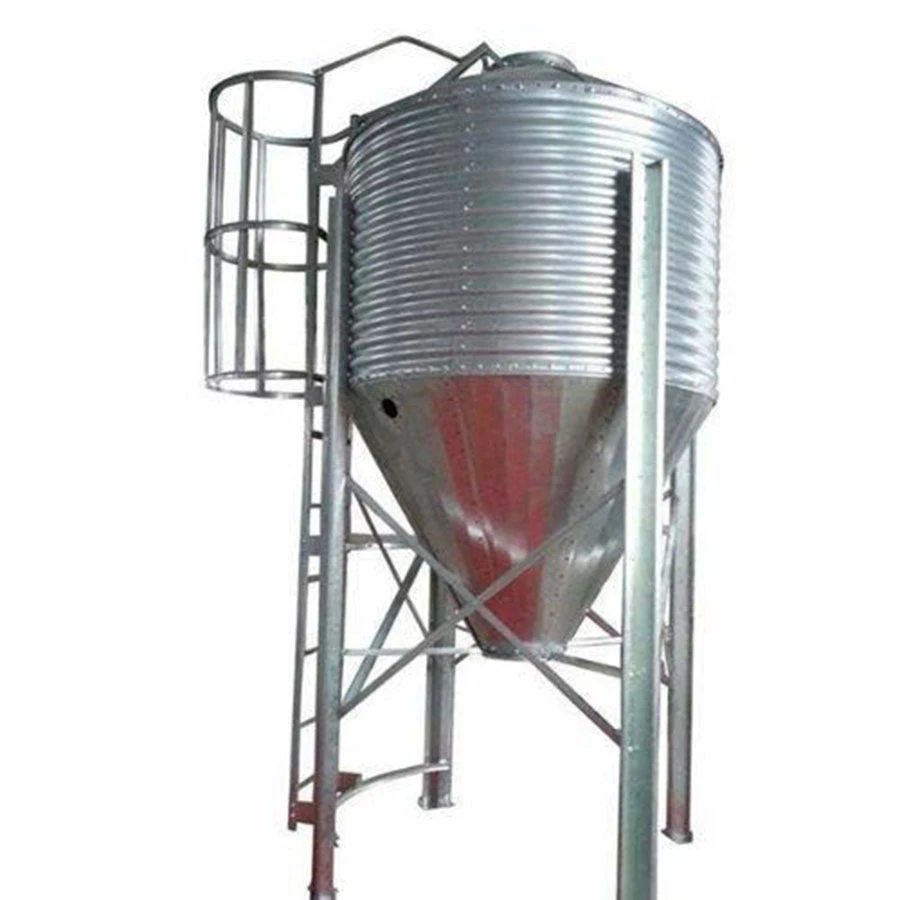
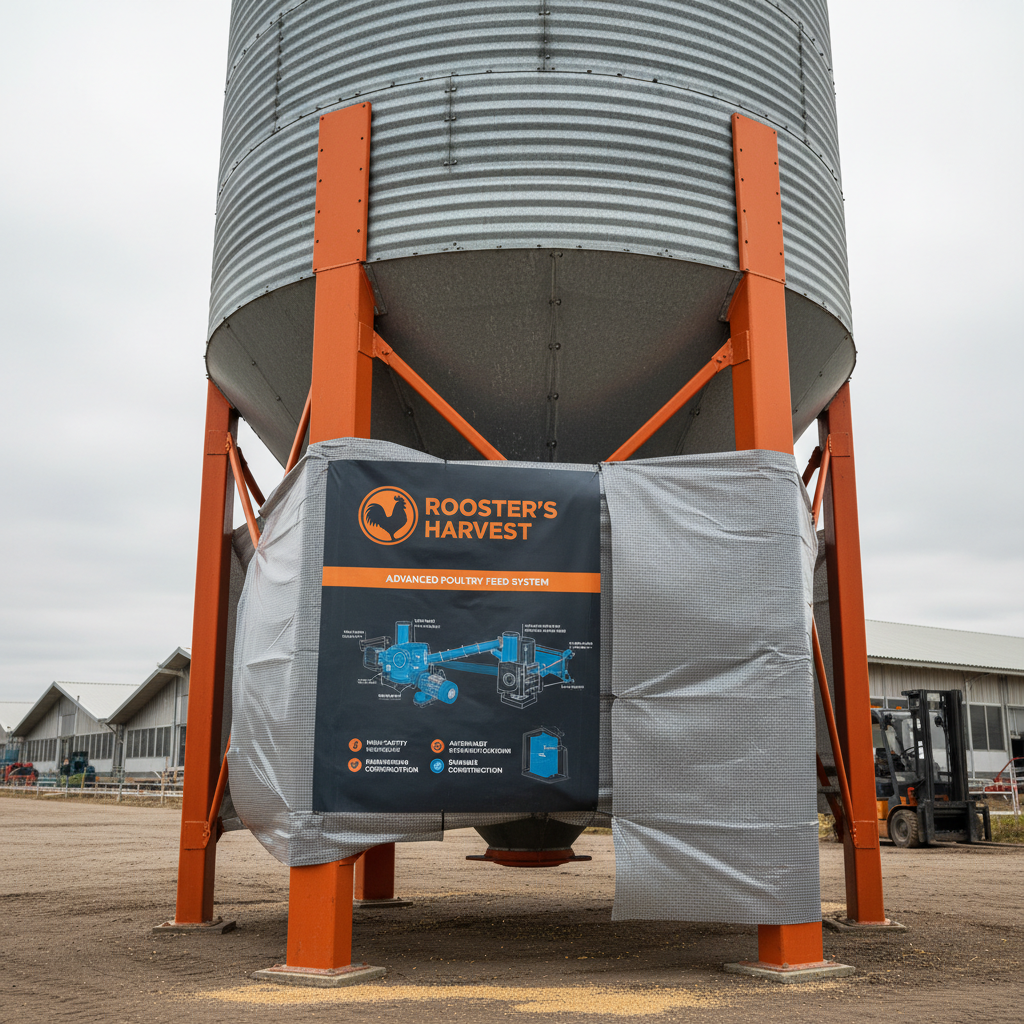
Material choice is key. Most quality bins come from heavy-gauge steel, often powder-coated or galvanized, which stands up to rain, sun, and the inevitable knocks from machinery or weather. I remember once examining a bin that had been working nonstop on a Nebraska ranch for over seven years with barely any rust. Proper coatings and maintenance have a lot to do with that longevity.
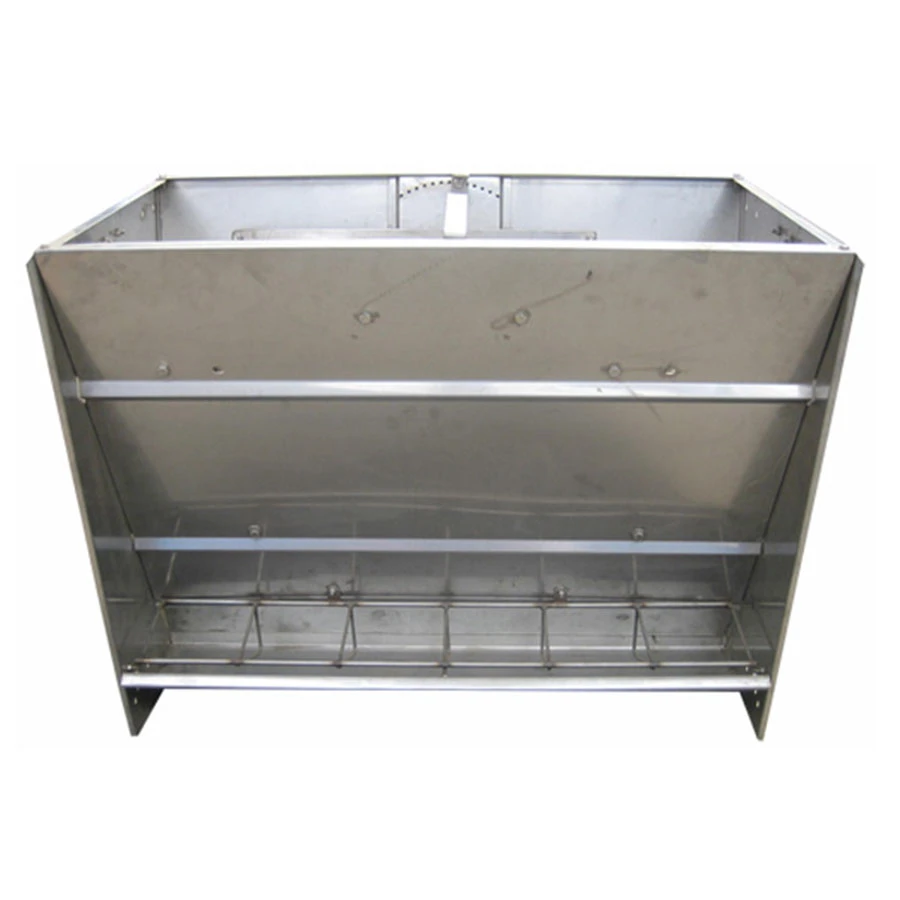
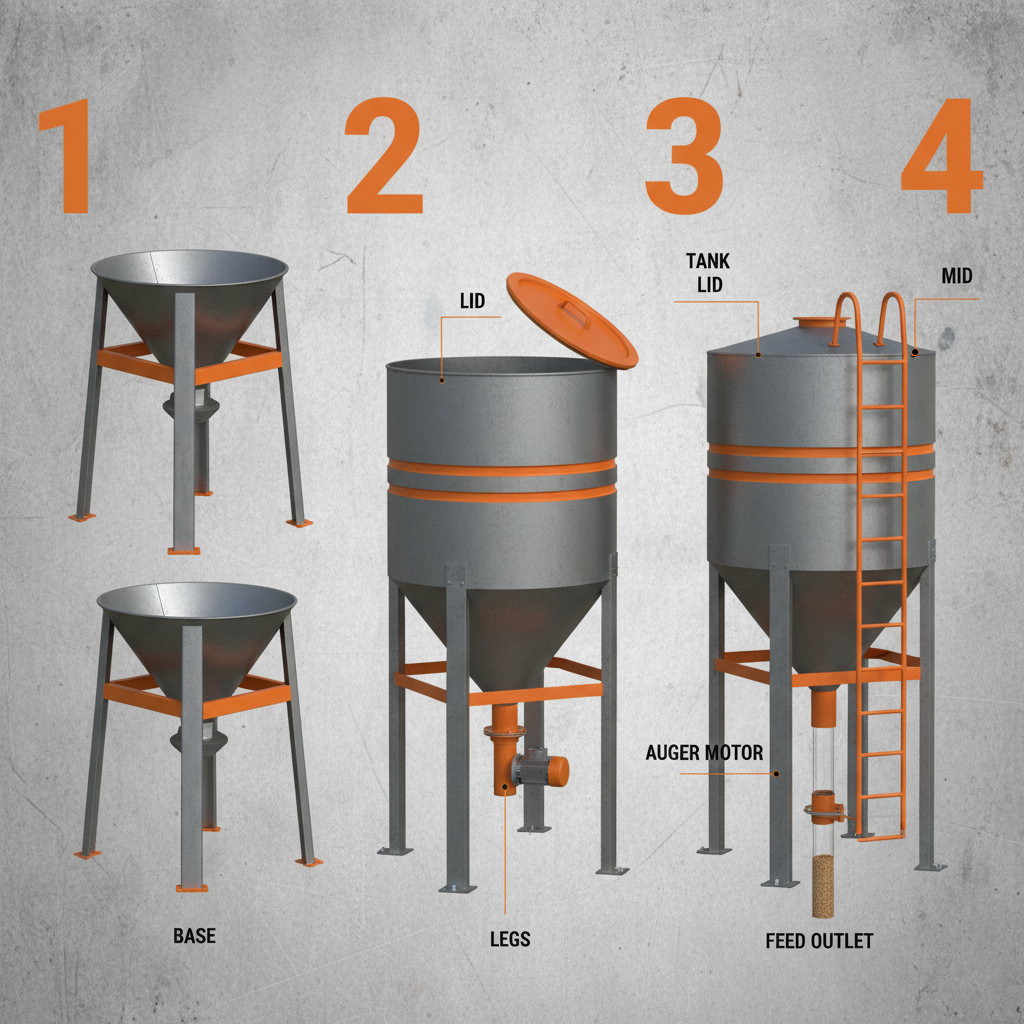
Design-wise, these bins often feature sloped bottoms with adjustable outlet openings to promote smooth feed flow. You’d be surprised how many feed bottlenecks happen because of poor design or wear and tear on discharge gates. From a technician’s angle, easy access for cleaning and inspection is an absolute must.
In terms of capacity, one ton bins hit a practical sweet spot. They hold enough feed for moderate-sized operations without intimidating bulk or the need for heavy-lift equipment. Frankly, for many farmers and feedlots, it hits that balance where you aren’t constantly refilling but also not overstocking and risking spoilage.
One thing I’ve noticed is customization is a growing trend. Vendors now often offer options like reinforced frames, foot platforms, or even smart monitoring systems to measure feed levels remotely — a little extra investment that pays off in smoother farm management.
Speaking of vendors, not all bins are created equal. I’ve pulled together a quick specs table and a vendor comparison to help you see where the differences lie. It’s an honest, straightforward snapshot.
| Feature | Specification |
|---|---|
| Capacity | 1 Ton (Approx. 35 cu. ft.) |
| Material | Heavy-gauge galvanized steel |
| Coating | Powder-coated or hot-dip galvanized |
| Discharge | Adjustable gate or slide valve |
| Dimensions (HxWxD) | Approx. 6 ft x 4.5 ft x 4.5 ft |
| Weight (empty) | ~ 400 lbs |
| Optional Features | Level indicators, reinforced frames |
| Vendor | Material Quality | Customization Options | Price Range | Delivery Time |
|---|---|---|---|---|
| CX Livestock | High-grade galvanized steel | Wide range, including smart sensors | $$$ | 2-3 weeks |
| AgriSteel | Standard galvanized steel | Limited | $$ | 3-4 weeks |
| FarmEquip Co. | Powder-coated steel | Moderate | $$$ | 1-2 weeks |
Before I close, a quick anecdote: a longtime client of mine operates one of the largest cattle operations in Kansas. He switched to a one ton feed bin with reinforced framing and smart level sensors. The change was a game-changer for feed management—avoiding waste and minimizing manual checks, which frankly saved him a lot of headaches during busy seasons.
All in all, whether you’re a small operator or someone managing a sizable feedlot, investing in a solid one ton feed bin is rarely a wrong choice. It feels like a small thing, but it impacts daily workflows, animal nutrition, and overall operations more than many realize. And while tech add-ons might not be necessary for everyone, the durability and design should always come first in your checklist.
Honestly, if you want to dig deeper or source one that hits the mark on quality and service, I’d start by exploring offerings from trusted vendors like CX Livestock—they’ve demonstrated solid expertise and product reliability over the years.
That’s enough from me. Hopefully, this gives a clearer picture of why one ton feed bins are such an indispensable part of the agricultural industrial landscape.
References:
1. Industry equipment manuals and maintenance records
2. First-hand site visits across Midwest feedlots
3. Vendor technical datasheets and customer testimonials
Post time: Dec . 09, 2025