Nursery crates for weaned piglets: what actually matters on the ground
If you’re shopping a nursery crate for 3–10 week piglets, you’ve probably heard wildly different claims from suppliers. I’ve toured a few barns, chatted with producers over muddy boots and coffee, and—yes—pulled out calipers on welds. The Weaner Nursery Stall from Hebei, China (Dongtai Road, Economic and Technological Development Zone, Huanghua City) keeps coming up in conversations because it balances biosecurity, durability, and day-to-day practicality.
Industry trends I’m seeing
- Shift to hot-dip galvanized (HDG) frames with ≥85 μm zinc for longer service life.
- PP or PVC composite slats for better thermal comfort and lower hoof lesions.
- Tool-less panel swaps and modular bays—barns are reconfiguring faster than ever.
- Biosecurity-first: smooth surfaces, fewer dirt traps, and documented disinfection routines.
What the Weaner Nursery Stall gets right
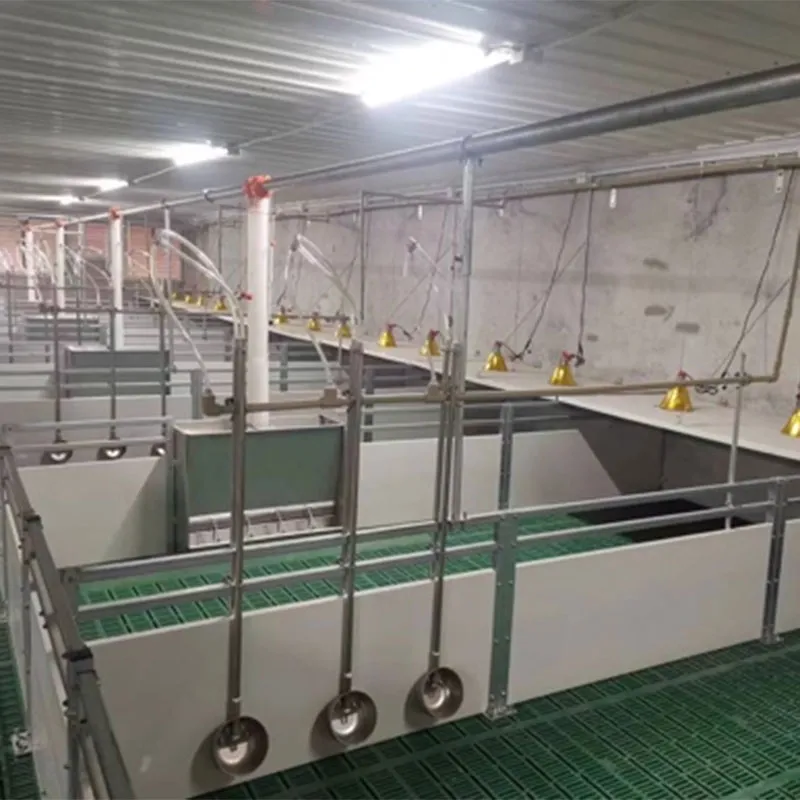
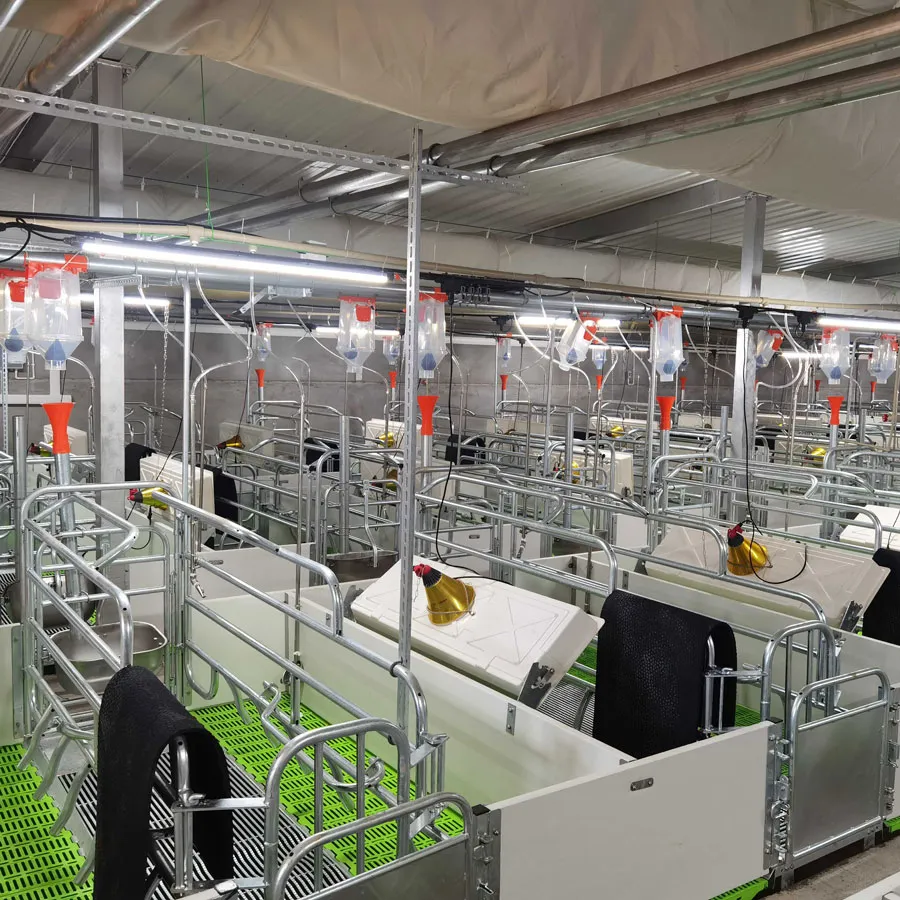
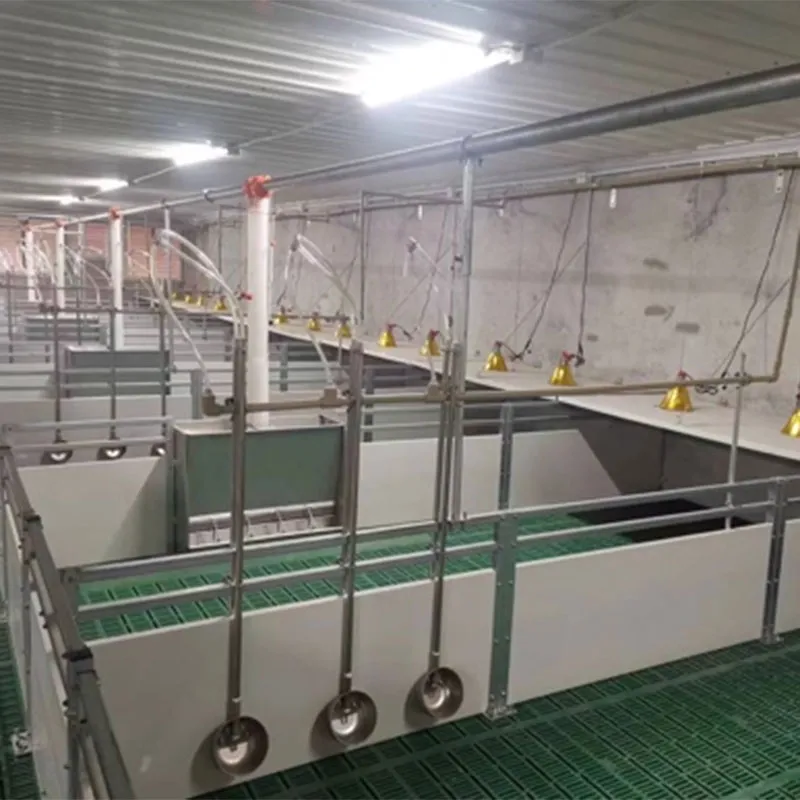
Designed for post-weaning piglets (~3 weeks onward), it isolates from the sow, stabilizes temperature, and reduces cross-contamination. Many customers say they see calmer eating behavior and cleaner pens in week two—an underrated KPI if you ask me.
Key specifications (real-world, not brochure fluff)
| Item | Spec (≈, real use may vary) |
|---|---|
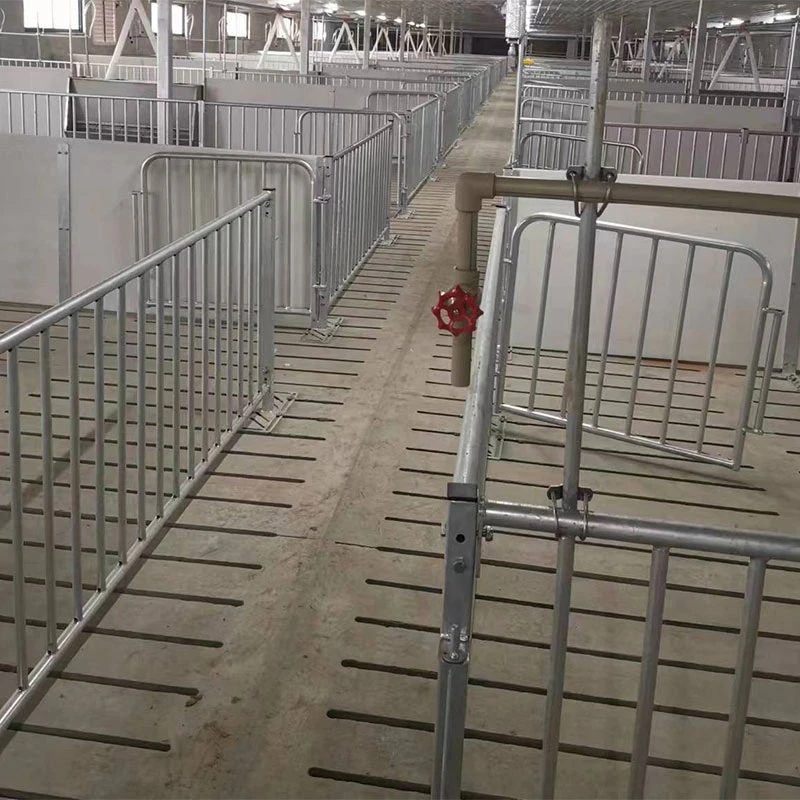
| Frame | Hot-dip galvanized steel, ISO 1461, zinc ≥85 μm avg |
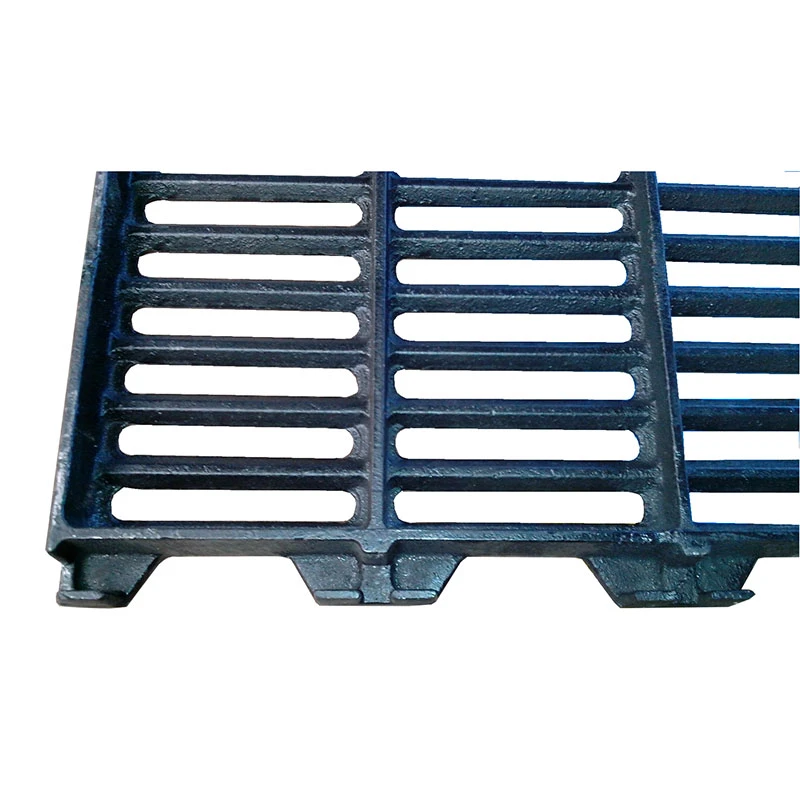
| Slats | PP composite, thermal-friendly; load test ≈ 300–350 kg/m² |
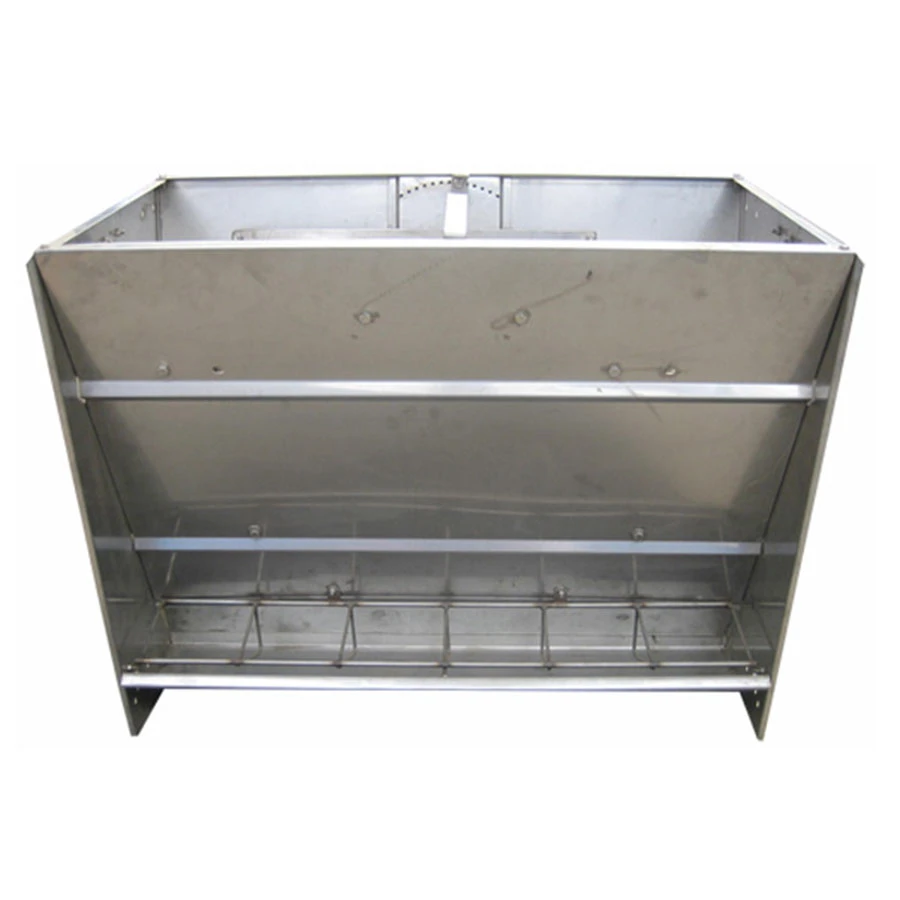
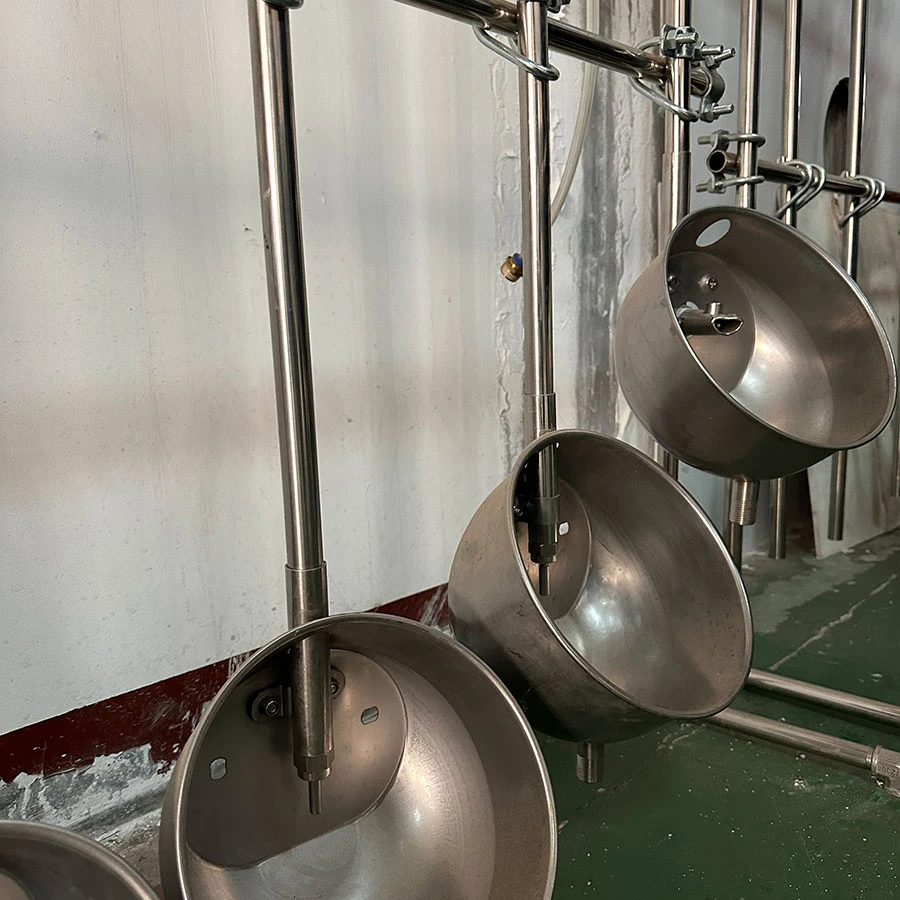
| Feeder/Drinker | SS304 or HDG options; nipple drinkers adjustable |
| Dimensions | Per bay ≈ 1.8–2.2 m L × 1.2–1.6 m W; 8–12 piglets |
| Bar spacing | ≤ 35 mm on gates/sides (piglet safety) |
| Service life | 8–12 years with standard disinfection cycles |
Process flow and testing
- Materials: Q235 steel → welding → deburring → hot-dip galvanizing (ISO 1461) → QC.
- Slats: PP injection molding → flex/impact checks (ISO 178/179, internal benchmarks).
- Coating tests: Salt spray per ASTM B117, 72–96 h (typical vendor reports show no red rust).
- Weld pull tests and gate hinge cycle tests (≥10,000 cycles, in-house).
Where it’s used
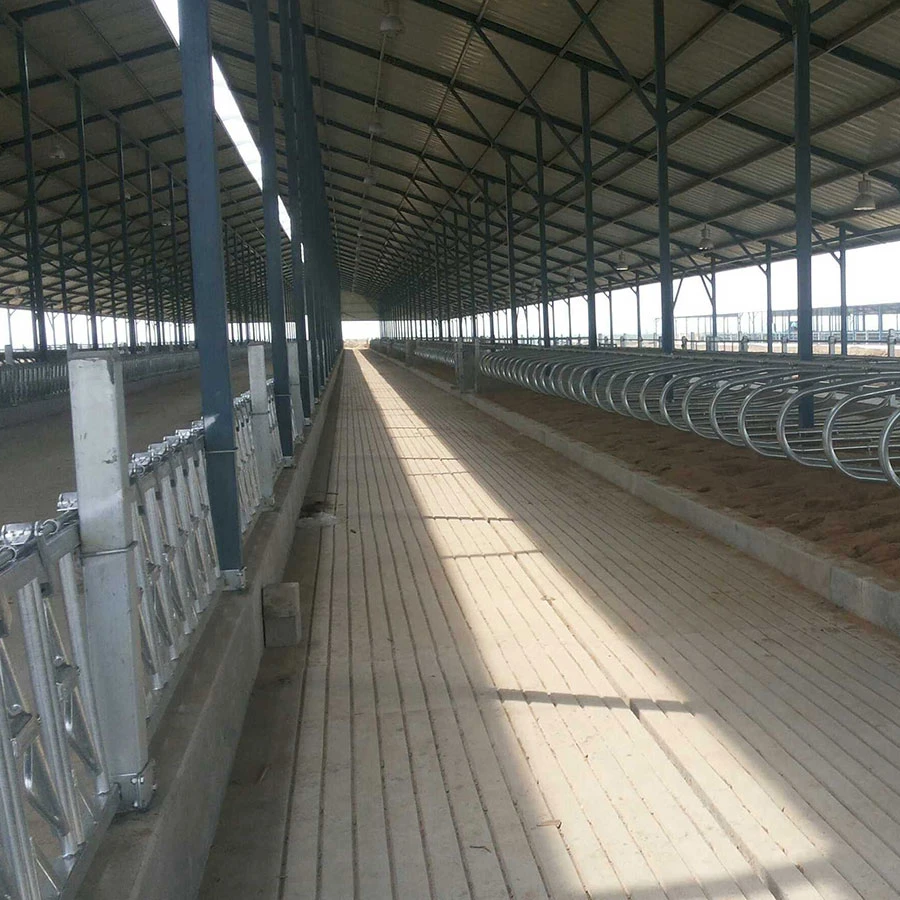
Commercial pig farms, nucleus/multiplier herds, university research barns, and smallholder expansions. In a cool-climate setup, pairing the nursery crate with under-slat heating and draft shields pays off; in hot regions, go for higher airflow and PP slats to avoid cold stress after wash-downs.
Vendor comparison (what buyers actually compare)
| Vendor | Coating | Slats | Assembly | Certs |
|---|---|---|---|---|
| CX Livestock (Weaner Nursery Stall) | HDG, ISO 1461, ≥85 μm | PP composite, anti-slip | Modular, tool-light | ISO 9001; third-party salt spray |
| Vendor B | Electro-galv., ≈ 10–15 μm | PVC, basic | Bolted, more time | Factory QA only |
| Vendor C | HDG, ≈ 60–80 μm | PP, mid-grade | Modular | ISO 9001 |
Compliance and welfare
Panel spacing and floor design align with EU pig welfare guidance, and smooth surfaces simplify washdown—key to biosecurity. I guess the main point: the nursery crate shouldn’t just hold piglets; it should make cleaning and disease control second nature.
Quick case note
A 1,200-head site in Hebei swapped older pens for this system; after two turns they reported ≈ 1.8% higher survival and noticeably steadier ADG. Not a clinical trial, but the barn manager swears the calmer pen flow reduced scours in week one.
Customization checklist
- Bay size and bar spacing per weight class.
- Feeder material (SS304 vs HDG) based on disinfectant chemistry.
- Optional heat mats, draft panels, and anti-crush gates.
- Drain slope and slat openness tuned to manure handling.
Bottom line: pick a nursery crate that’s easy to sanitize, tough on corrosion, and modular enough to evolve with your herd plan. The Weaner Nursery Stall ticks those boxes without overcomplicating life for staff.
References
- EU Council Directive 2008/120/EC on the protection of pigs.
- ISO 1461:2020 Hot dip galvanized coatings on fabricated iron and steel articles.
- ASTM B117 Standard Practice for Operating Salt Spray (Fog) Apparatus.
- WOAH (OIE) Terrestrial Animal Health Code – Biosecurity procedures in pig production.
- FAO. Good practices for biosecurity in the pig sector.
Post time: Oct . 17, 2025