Understanding the Non Crate Farrowing Pen: Why It Matters in Modern Livestock Farming
When diving into the world of sustainable and humane pig farming, the term non crate farrowing pen pops up more frequently than one might expect. It’s a solution born out of the pressing need to balance animal welfare with productivity. Globally, as farmers and livestock managers grapple with ethical farming standards alongside economic pressures, non crate farrowing pens present an exciting middle ground — promoting sow comfort without compromising piglet safety. Understanding this concept isn’t just about better farming; it also ties closely into evolving welfare laws and consumer expectations, which in today's world are as important as the price of feed.
The Growing Global Importance of Non Crate Farrowing Pens
The numbers tell the story: according to the Food and Agriculture Organization (FAO), the global pork industry is worth over $300 billion annually and continues to grow steadily, especially in Asia and parts of Europe. However, traditional farrowing crates — those restrictive stalls that hold sows tightly to reduce piglet crushing — have become focal points of animal welfare debates worldwide. The non crate farrowing pen addresses a challenge almost every modern producer faces: how to keep sows comfortable and mobile, while still protecting vulnerable piglets from accidental harm.
Society’s shifting demands, combined with stricter welfare regulations from bodies like the European Union and growing corporate responsibility policies, are pushing the livestock industry to innovate. Non crate farrowing pens represent a pivotal change for farms striving to do better by their animals, often translating to improved sow health and better overall productivity.
Mini takeaway:
In real terms, non crate farrowing pens aren’t just an animal welfare fad. They solve real, practical problems affecting millions of piglets and sows worldwide — making farming more humane and efficient.
What Exactly Is a Non Crate Farrowing Pen?
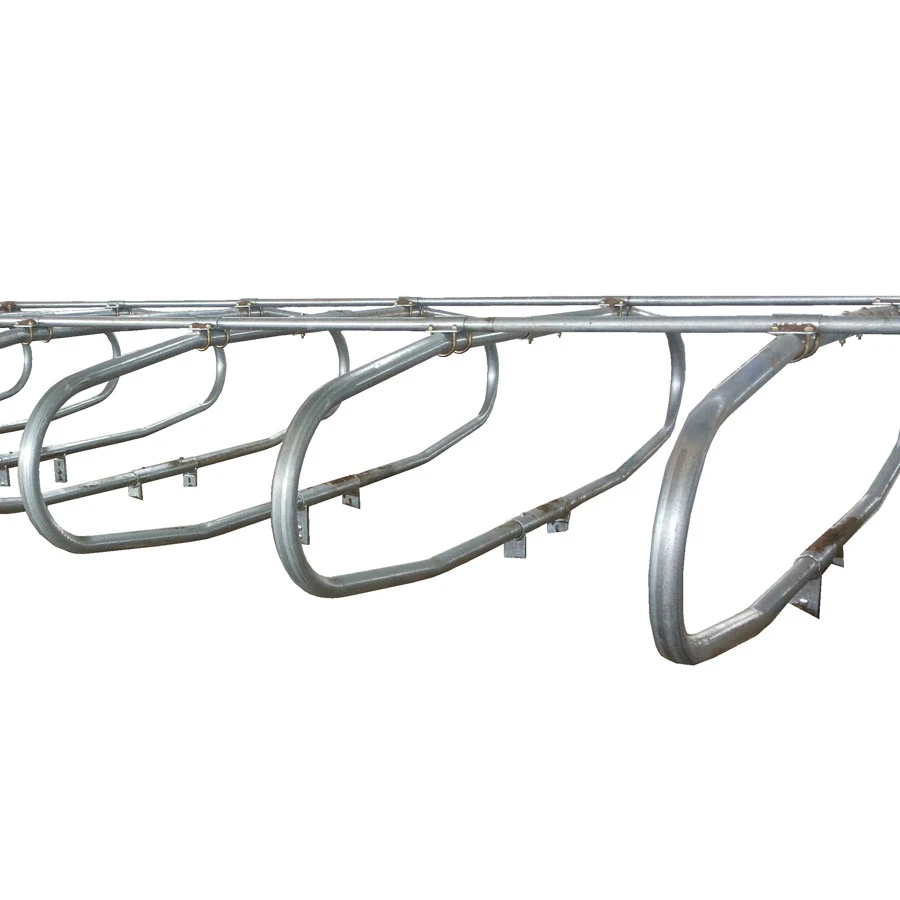
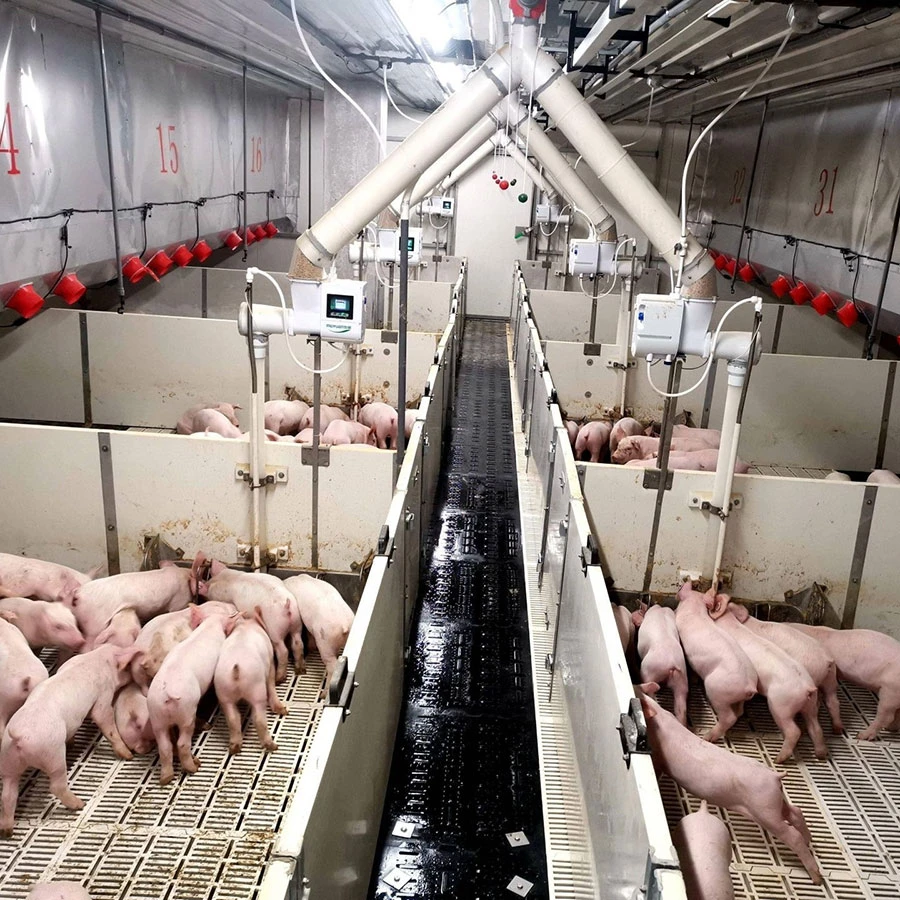
Simply put, a non crate farrowing pen is a type of housing for breeding sows that omits the traditional restrictive crate walls. Unlike classic farrowing crates that tightly confine sows, these pens offer more freedom of movement. The design typically incorporates safety features like anti-crush bars, sloped flooring, and carefully planned spaces so piglets can avoid being accidentally crushed when the sow lies down or moves.
This approach aligns with modern agricultural ethics, focusing on giving animals a higher quality of life while supporting natural behaviors. The non crate term signals the pen’s key difference: it’s less about confining and more about cohabitating safely.
Mini takeaway:
Think of non crate farrowing pens as the bridge between complete confinement and free-range. They uphold welfare without sacrificing safety — a subtle but crucial distinction in modern pig farming.
Core Components That Make Non Crate Farrowing Pens Work
1. Sow Comfort and Mobility
Sows can stand, turn, and lie down naturally without feeling trapped. This reduces stress and physical injuries, which in turn makes for healthier sows and more successful farrowing outcomes.
2. Piglet Protection Features
Despite the openness, the design incorporates elements like piglet creep areas and anti-crushing rails that protect newborns during the vulnerable first weeks.
3. Sanitation and Drainage
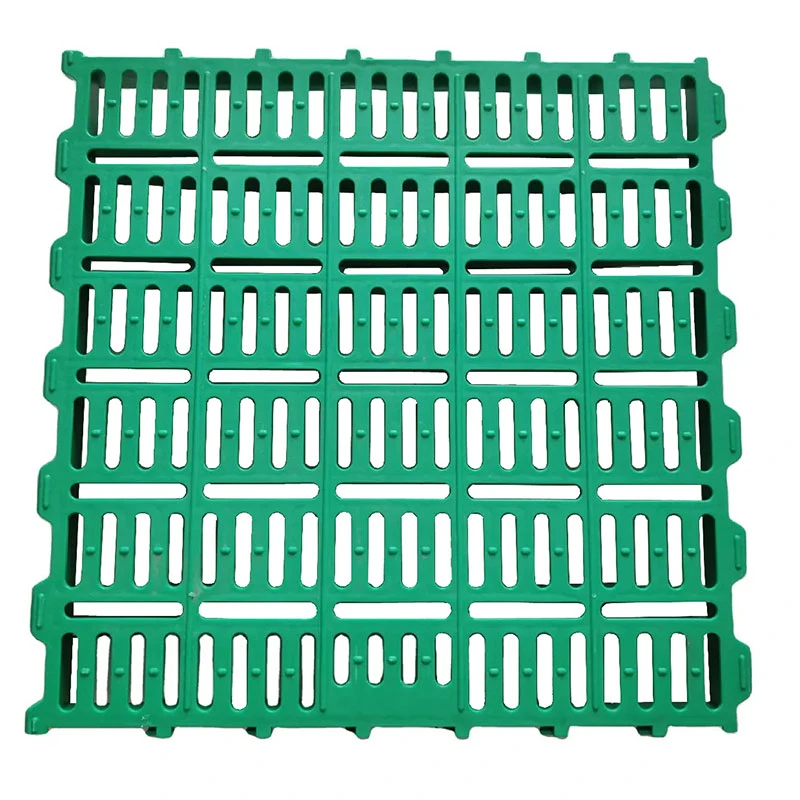
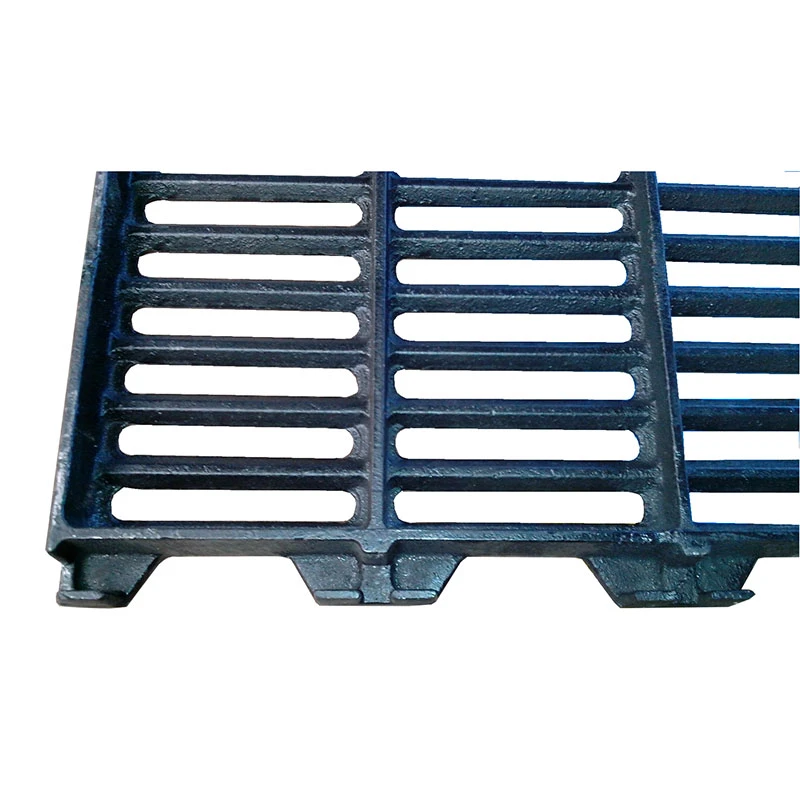
Proper flooring with slats or concrete with good drainage ensures quick waste removal, which reduces infections and improves hygiene — critical for animal health and farm biosecurity.
4. Durability and Materials
Often made from galvanized steel, durable plastics, or treated wood, non crate farrowing pens must withstand constant washing, temperature fluctuations, and the considerable weight and force of sows.
5. Cost Efficiency and Scalability
Farmers seek pens that balance upfront investment against longevity and productivity gains — pens that scale well from small farms to industrial operations.
Mini takeaway:
It’s a balancing act: design has to keep everyone safe and comfortable while suiting farm economics. Each element of the pen matters, not just the lack of crates.
Global Use Cases: Where Non Crate Farrowing Pens Make a Difference
Across Europe, especially in countries like Denmark, Germany, and the Netherlands, non crate farrowing pens are increasingly standard as governments legislate bans or phase-outs of traditional farrowing crates. Similarly, some North American producers, faced with consumer pushback, are trialing these pens to stay competitive.
In Asia, where pork demand is surging, innovations in non crate pen designs are gaining traction, especially on medium-sized farms that need both efficiency and welfare improvements. Organizations such as the International Livestock Research Institute (ILRI) have documented how transitioning to these pens reduces piglet mortality and improves sow longevity.
Even humanitarian livestock relief efforts in developing countries use such pens as part of sustainable farming projects, seeing them as tools to promote both animal health and rural economic resilience.
Mini takeaway:
This isn’t just a niche solution. Around the world, diverse players find non crate farrowing pens help them produce better pork, ethically and profitably.
Advantages & Long-Term Value of Non Crate Farrowing Pens
- Improved Animal Welfare: Less stress, fewer injuries, and natural sow behaviors lead to healthier animals.
- Economic Benefits: Lower veterinary costs, improved sow productivity, lower piglet mortality — over time this adds up.
- Compliance & Market Access: Meeting welfare laws and consumer expectations opens doors to premium markets.
- Enhanced Worker Satisfaction: Handling animals that are less stressed and healthier tends to be easier and safer.
- Sustainability: Better waste management and healthier animals reduce the environmental footprint.
Mini takeaway:
Frankly, it’s good for animals, farms, and the bottom line — a rare win-win in agriculture.
Looking Ahead: Innovations Shaping the Future of Non Crate Farrowing Pens
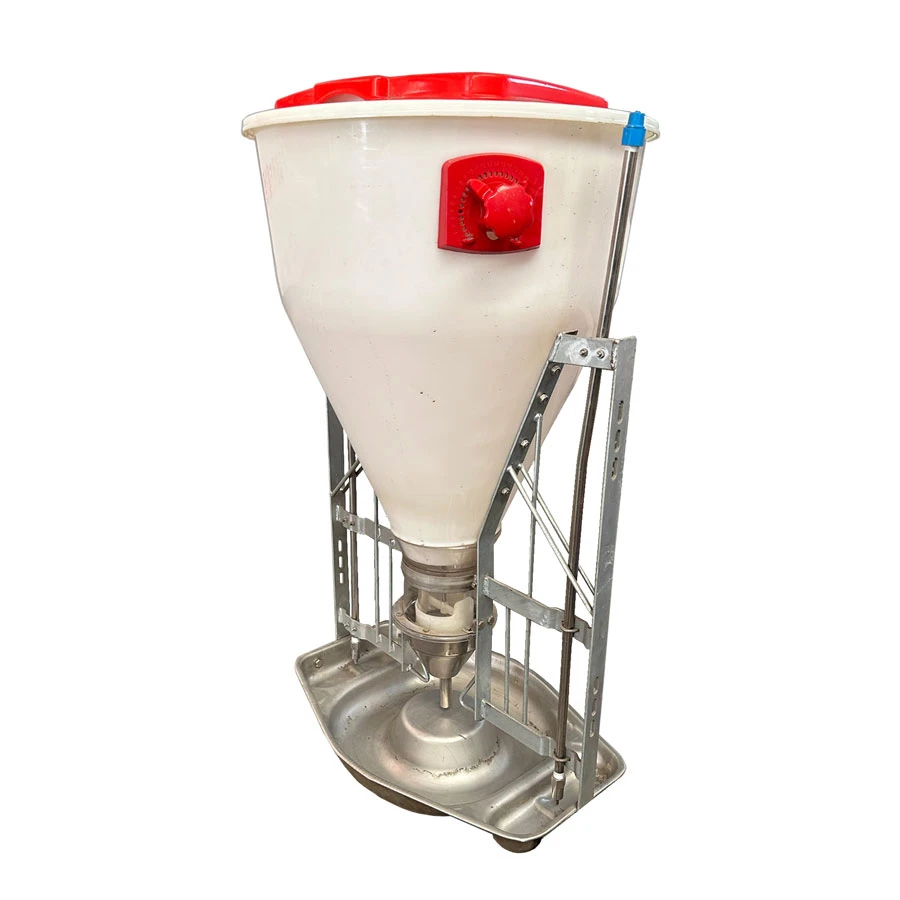
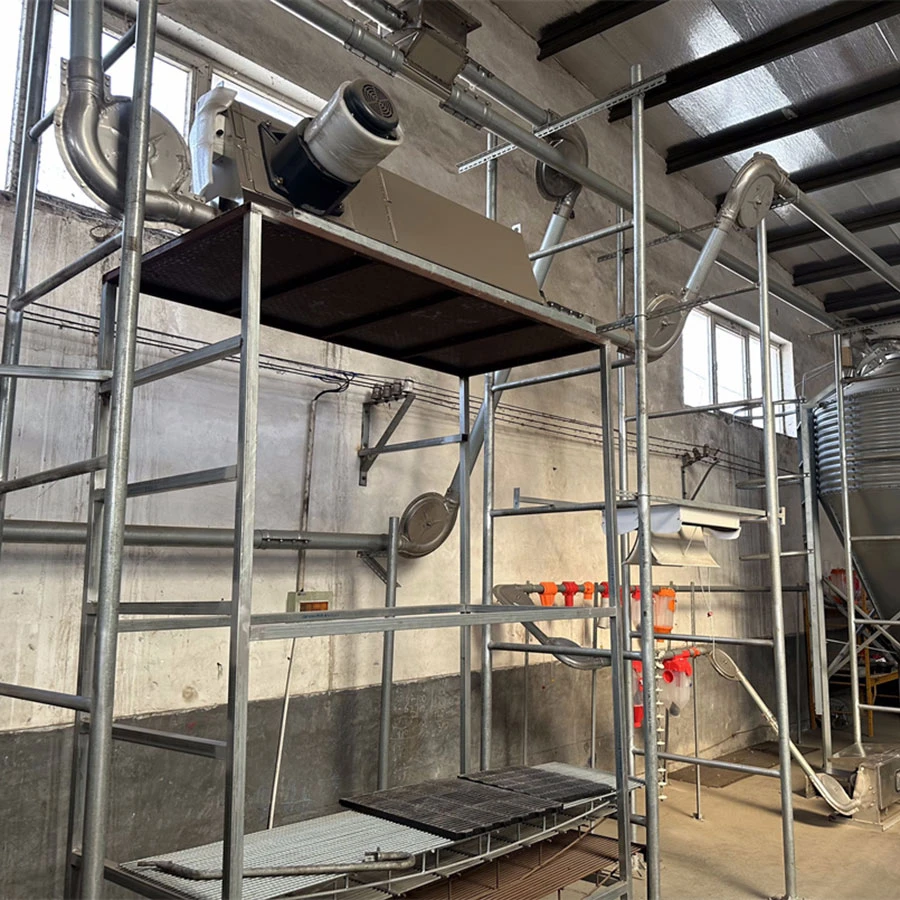
New materials like recycled plastics and modular panels are making pens lighter, greener, and easier to clean. There’s also growing interest in integrating digital monitoring — sensors tracking sow and piglet health, behavior, and environment. Smart heat mats, automated feeders, and optimized ventilation controlled remotely are in pilot phases.
Energy-efficient LED lighting and renewable energy sources tied to farming operations reduce environmental impact even more. On the policy side, international welfare standards are pushing adoption further — so watch this space.
Mini takeaway:
Non crate farrowing pens are becoming not just places to house animals but part of an integrated system for smarter, kinder livestock farming.
Challenges Farmers Face & Practical Solutions
Despite the benefits, there are hurdles — initial costs can be higher, and some farmers worry about increased piglet crushing without crates, especially during the sow’s first days.
Solutions include better staff training on sow behavior, adaptive pen designs specific to breed sizes, and gradual transitions to non crate systems. Peer networks and extension services also play key roles — many producers report improved outcomes after getting hands-on advice.
Mini takeaway:
Change is rarely easy but with smart design and support, most producers find the advantages outweigh initial challenges.
FAQ: Your Non Crate Farrowing Pen Questions Answered
Q1: What is the biggest benefit of using a non crate farrowing pen versus a traditional crate?
A1: The main benefit is improved welfare — sows can move freely and exhibit natural behaviors, which reduces stress and injury. At the same time, smart pen designs protect piglets effectively without restricting the sow.
Q2: Are non crate farrowing pens more expensive to install?
A2: They can have higher upfront costs, primarily due to more complex pen design and safety features. However, these costs are often offset by savings in veterinary care, better productivity, and access to premium markets.
Q3: How do non crate farrowing pens affect piglet mortality?
A3: When correctly designed and managed, these pens maintain or even reduce piglet mortality compared to crates by providing safe spaces and reducing sow stress.
Q4: Can non crate pens be adapted for different pig breeds and farm sizes?
A4: Yes, modular designs and adjustable partitions allow pens to be tailored to various breeds and scaled from smallholder to industrial farms.
Q5: Where can producers find reliable non crate farrowing pen suppliers?
A5: There are several specialized manufacturers with a focus on animal welfare technology. Comparing vendors by warranty, material quality, and design versatility is key.
Non Crate Farrowing Pen Model Specification Table
| Feature | Standard Model A | Enhanced Model B |
|---|---|---|
| Dimensions (LxW in meters) | 3.0 x 1.8 | 3.5 x 2.0 |
| Material | Galvanized Steel & Treated Wood | Recycled Plastic Composite & Steel |
| Piglet Protection Features | Anti-crush bars, Piglet creep area | Enhanced anti-crush rail, Sensor pads |
| Drainage System | Concrete slatted floor | Modular slats with removable trays |
| Approximate Cost per Unit (USD) | $700 | $1200 |
| Warranty | 3 years | 5 years |
Vendor Comparison: Leading Non Crate Farrowing Pen Providers
| Vendor | Product Range | Price Range (USD) | Customization Options | Warranty |
|---|---|---|---|---|
| AgriPen Solutions | Basic to Advanced Pens | $600-$1500 | Modular sizes & sensor integration | 3 years |
| Livestock Comfort Inc. | Premium recycled materials pens | $900-$1700 | Custom sizing & automated feeders | 5 years |
| Farmstead Equip Co. | Standard designs with quick install | $500-$1000 | Basic modular options | 2 years |
Wrapping Up: Why Switch to a Non Crate Farrowing Pen?
To circle back, the non crate farrowing pen represents a meaningful step forward in creating livestock environments that respect animal needs and farming demands alike. It’s not just about removing metal bars or freeing sows — it’s about rethinking how we raise animals in ways that work economically, ethically, and environmentally. Whether you run a small family farm or manage industrial-scale operations, exploring this option is worth serious consideration.
Interested in learning more or seeing non crate farrowing pens in action? Visit our website at https://www.cxlivestock.com for detailed product information, case studies, and expert advice.
Final takeaway:
Switching to non crate farrowing pens could be exactly the innovation your farm needs — safer pigs, happier sows, better business.
References
Post time: Dec . 02, 2025