Modern livestock management relies heavily on the integration of specialized technology to ensure animal welfare and operational profitability. In the realm of ovine husbandry, the implementation of high-quality sheep farming equipment has transitioned from being a luxury to a fundamental necessity for commercial success. By automating repetitive tasks and optimizing the living environment, farmers can significantly reduce labor costs while improving the overall health of their flock.
The global demand for wool, mutton, and lamb continues to grow, pushing producers to seek more scalable and efficient methods of production. The evolution of sheep farming equipment allows for precise control over nutrition, hygiene, and reproductive management, addressing the challenges of disease prevention and growth rate optimization. Whether managing a small boutique farm or a massive industrial operation, the right tools define the ceiling of a farm's productivity.
Understanding the nuances of various equipment types—from advanced feeding systems to specialized flooring—is essential for any producer looking to modernize. This guide explores the critical components of contemporary sheep farming infrastructure, highlighting how strategic investments in equipment can drive long-term sustainability and enhance the quality of livestock products in an increasingly competitive global market.
Global Importance of Sheep Farming Equipment
On a global scale, the livestock industry is under immense pressure to increase output while adhering to stricter animal welfare standards. The deployment of standardized sheep farming equipment is a primary driver in meeting these goals. According to industry trends aligned with ISO quality standards, the shift toward automated feeding and climate-controlled housing has reduced livestock mortality rates by nearly 15% in developed agricultural zones.
Furthermore, the economic impact of efficient equipment is felt most in emerging markets where sheep farming is a cornerstone of rural livelihoods. By replacing antiquated, manual methods with durable steel grating floors and automatic water bowls, farmers can scale their operations without a linear increase in labor costs, effectively breaking the cycle of subsistence farming and moving toward commercial viability.
Core Components of Modern Ovine Systems
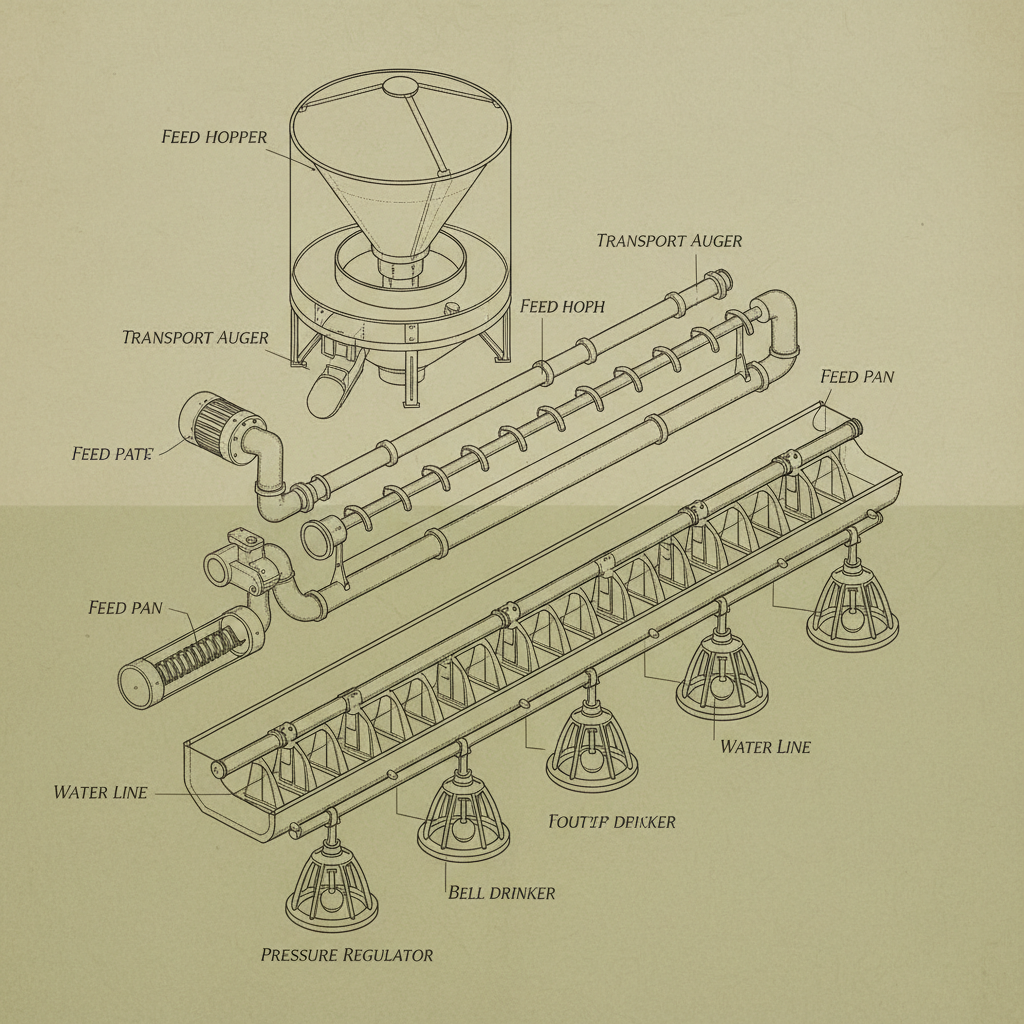
A comprehensive setup for sheep management begins with the feeding infrastructure. Automatic Feeding Systems and specialized Feeding Troughs ensure that every animal receives the correct nutrient balance while minimizing feed wastage. These systems are often paired with Feed Silos to maintain the freshness of the fodder and streamline the logistics of bulk feed delivery, which is critical for large-scale fattening operations.
Hygiene and flooring constitute the second pillar of operational efficiency. The use of Steel Grating Floors and PVC Flooring is essential for keeping sheep dry and clean, which directly prevents hoof rot and other parasitic infections. By allowing waste to fall through the slats, these flooring solutions reduce the need for constant manual cleaning and create a more sanitary environment that promotes faster weight gain.
Finally, specialized handling and housing components, such as Pen and Stall configurations, allow for the segregation of livestock based on age, health status, or pregnancy. Integrating these with Livestock Breeding Water Bowls ensures a constant supply of clean water, which is the most critical nutrient for rumen health. Together, these components form a cohesive ecosystem that maximizes the genetic potential of the flock.
Key Factors for Equipment Selection
When investing in sheep farming equipment, durability is the foremost consideration. Equipment must be able to withstand the corrosive nature of animal waste and the physical stress of livestock movement. Galvanized steel and high-density PVC are the industry standards, ensuring that the infrastructure does not rust or degrade over a decade of continuous use.
Scalability is another critical factor; a farmer must choose systems that can grow alongside their flock. Modular pen designs and expandable automatic feeding lines allow producers to increase their capacity without tearing down existing structures. This flexibility ensures that initial capital expenditures are protected as the business evolves.
Lastly, cost-efficiency should be measured by the Total Cost of Ownership (TCO) rather than the initial purchase price. High-quality sheep farming equipment may have a higher upfront cost but results in lower maintenance expenses, reduced veterinary bills due to better hygiene, and higher feed conversion ratios, leading to a faster return on investment.
Practical Applications and Use Cases
In intensive fattening operations, the focus is on maximizing growth rates within a short timeframe. Here, the use of Fatten Finishing Penning combined with high-efficiency dry and wet feeders allows for precise caloric intake. This application is widely seen in commercial feedlots across North America and Australia, where the goal is to produce high-grade mutton for export markets.
Conversely, in breeding-focused farms, the priority shifts to maternal care and lamb survival. The installation of specialized crates and stalls provides the necessary protection for ewes and their newborns, preventing crushing and ensuring a calm environment. In remote industrial zones or hilly terrains, modular sheep farming equipment is often deployed to create flexible shelters that can be adapted to seasonal weather changes.
Efficiency Impact of Various Sheep Farming Equipment Types
Long-term Value and Sustainability
The long-term value of investing in premium sheep farming equipment extends beyond mere profit. From a sustainability perspective, precision feeding systems drastically reduce the environmental footprint of the farm by preventing feed runoff and optimizing nutrient absorption. This alignment with "green farming" practices makes operations more attractive to modern consumers and regulatory bodies.
Moreover, the emotional and ethical value of improved animal welfare cannot be overstated. When sheep are housed on ergonomic flooring and have unrestricted access to clean water and feed, stress levels drop. Lower stress correlates directly with a stronger immune system and higher quality meat and wool, creating a virtuous cycle of trust, innovation, and reliable production.
Future Innovations in Livestock Tech
The future of sheep farming is inextricably linked to the digital transformation of the barn. We are seeing the rise of "Smart Barns" where sheep farming equipment is embedded with IoT sensors. These sensors can monitor the weight of the animals in real-time via integrated floor scales or track water consumption patterns to detect illness days before physical symptoms appear.
Automation is also moving toward robotic cleaning and feeding systems that operate on a 24/7 schedule, further reducing the reliance on manual labor. New materials, such as antimicrobial-coated polymers and ultra-lightweight reinforced alloys, are being introduced to make equipment even more durable and easier to install in challenging environments.
Furthermore, the integration of AI-driven climate control systems allows for the precise adjustment of temperature and humidity based on the specific growth stage of the sheep. This ensures that lambs are kept warm during critical early weeks, while adult sheep are kept cool during summer months, optimizing the metabolic rate and overall growth efficiency.
Overcoming Common Implementation Challenges
One of the primary hurdles in upgrading to modern sheep farming equipment is the initial capital requirement. Many small-to-medium farmers struggle with the transition from traditional wooden pens to steel and PVC systems. The solution lies in a phased implementation strategy, where the most critical "bottleneck" equipment—such as feeding systems—is upgraded first to generate the cash flow needed for subsequent improvements.
Another common challenge is the lack of technical expertise for maintaining automated systems. To overcome this, manufacturers are now providing comprehensive training modules and remote diagnostic tools. By investing in "plug-and-play" modular equipment, farmers can simplify the installation process and reduce the risk of operational downtime during the transition.
Finally, adapting equipment to existing barn layouts can be difficult. Customization is key here; utilizing a mix of standard components and tailored modifications ensures that the equipment fits the specific architectural constraints of the farm. Professional consultation during the planning phase is essential to ensure that the workflow remains intuitive and efficient.
Comparative Analysis of Sheep Farming Equipment Specifications
| Equipment Type |
Primary Material |
Maintenance Level |
ROI Period |
| Automatic Feeding System |
Stainless Steel/HDPE |
Medium |
12-18 Months |
| Steel Grating Floor |
Galvanized Steel |
Low |
24-36 Months |
| PVC Flooring |
Reinforced PVC |
Very Low |
18-24 Months |
| Feeding Troughs |
Polypropylene |
Low |
6-12 Months |
| Water Bowl Systems |
Cast Iron/Plastic |
Medium |
12 Months |
| Climate Control Units |
Mixed Alloys |
High |
36-48 Months |
FAQS
For beginners, focusing on basic hygiene and nutrition is key. High-quality feeding troughs and reliable water bowls are the most critical starting points. These ensure that the livestock are properly nourished and hydrated, which prevents the most common early-stage health issues. Once these basics are established, investing in specialized flooring like steel grating is the next logical step to manage waste and reduce disease.
Automatic feeding systems replace the need for manual feed distribution, which is one of the most time-consuming tasks on a farm. By automating the delivery of feed from the silo to the trough, farmers can reduce man-hours by up to 60%. Additionally, these systems minimize feed waste by delivering precise portions, reducing the amount of feed that is trampled or spoiled, which directly lowers operational costs.
The choice depends on the specific use case. Steel grating is superior for waste drainage and overall barn hygiene, making it ideal for large herds and fattening pens. PVC flooring is often preferred for nursery areas or lambing pens because it provides a softer, warmer surface that reduces joint stress and prevents chills in newborns. Many modern farms use a hybrid approach, utilizing both materials in different zones of the barn.
When constructed from high-grade materials like galvanized steel or reinforced PVC, professional equipment is designed for long-term use. Steel floors and penning systems typically have a lifespan of 10 to 20 years if properly maintained. PVC components may need replacing every 7 to 10 years depending on the intensity of use. Regular cleaning and occasional inspections for corrosion ensure the maximum lifespan of the investment.
Yes, most modern sheep farming equipment is designed with modularity in mind. Because they are composed of standardized components, they can be fitted into existing layouts. The process usually involves a site survey to determine the best placement for silos and feeders. Modular penning and flooring can be installed section-by-section, allowing the farm to remain operational during the upgrade process.
The right equipment directly addresses the "Five Freedoms" of animal welfare. Proper flooring ensures freedom from discomfort, automatic feeders ensure freedom from hunger and thirst, and specialized penning reduces stress and prevents injury. By creating a low-stress environment, farmers not only meet legal and ethical standards but also see a tangible increase in product quality, as healthy, unstressed animals produce better wool and meat.
Conclusion
In summary, the strategic integration of professional sheep farming equipment is the bridge between traditional husbandry and modern, sustainable agribusiness. From the fundamental importance of hygienic flooring and precise feeding systems to the cutting-edge potential of IoT-enabled barn management, every component plays a vital role in maximizing animal health and operational profit. By focusing on durability, scalability, and animal welfare, producers can secure a competitive advantage in the global livestock market.
As the industry moves toward a more automated and data-driven future, the significance of high-quality infrastructure will only increase. We encourage farm owners to view equipment not as an expense, but as a long-term investment in the sustainability and resilience of their operation. For those looking to modernize their facilities with industry-leading solutions, we invite you to explore our comprehensive range of livestock systems. Visit our website: www.cxlivestock.com