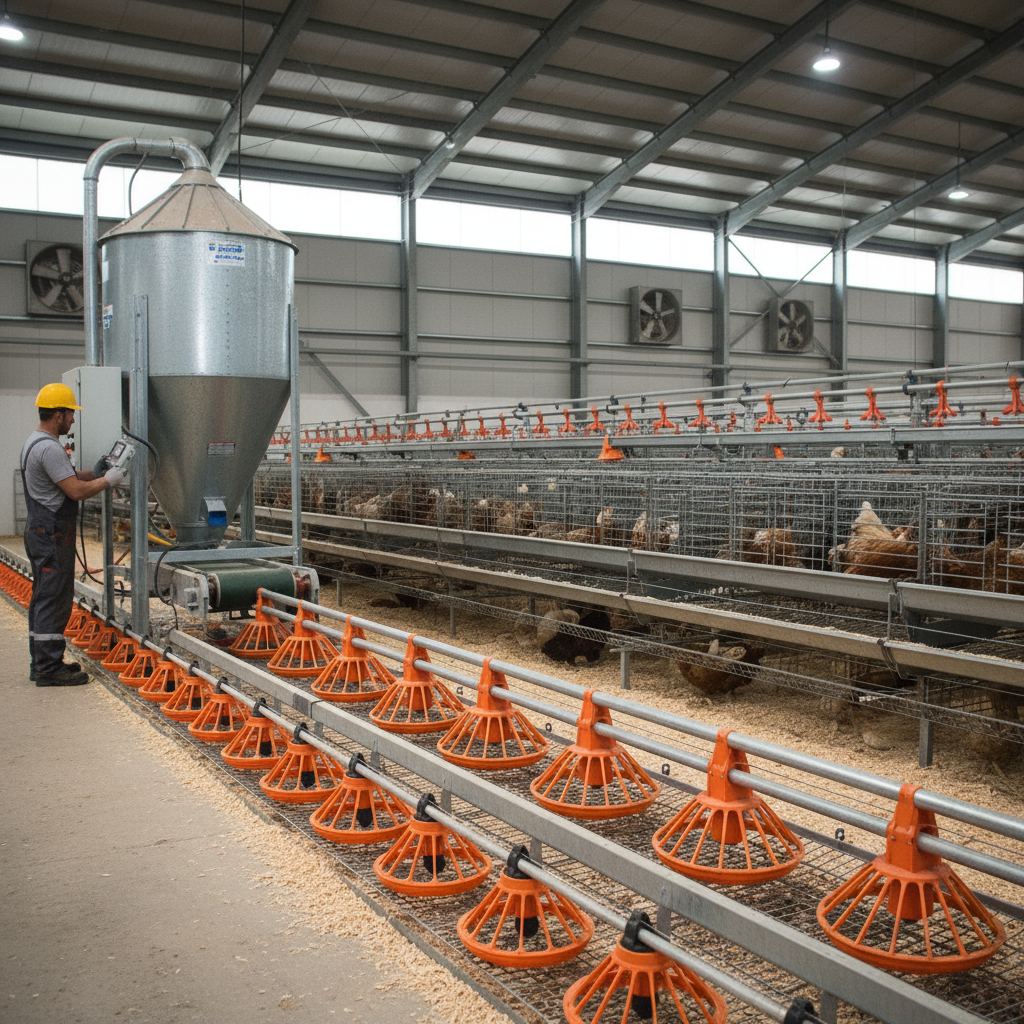
The global livestock industry is undergoing a significant transformation, where the integration of specialized sheep equipment has become pivotal for sustainable growth. As farmers transition from traditional grazing to semi-intensive and intensive farming systems, the demand for precision-engineered tools to manage nutrition, hygiene, and animal welfare has surged. Modern equipment not only streamlines labor but ensures that livestock health is maintained at an industrial standard.
Implementing high-quality sheep equipment is no longer a luxury but a necessity for commercial viability. With rising global demand for wool and mutton, producers face the challenge of scaling their operations without compromising the biological needs of the animals. The right infrastructure, from automatic feeding systems to specialized flooring, directly impacts the growth rates and overall productivity of the flock.
Understanding the nuances of livestock machinery allows producers to reduce waste and optimize resource allocation. By adopting evidence-based equipment solutions, farms can mitigate the risks of disease transmission and improve the safety of both the animals and the handlers, leading to a more resilient and profitable agricultural ecosystem.
Global Significance of Sheep Equipment
On a global scale, the livestock sector contributes significantly to the GDP of many developing and developed nations. According to data aligned with FAO and World Bank agricultural trends, the transition toward precision livestock farming (PLF) is driven by the need for food security. Specialized sheep equipment plays a critical role in this transition by reducing the reliance on manual labor and minimizing the environmental footprint of mutton production.
The primary challenge facing modern producers is the balance between high-density housing and animal welfare. Without proper infrastructure, flocks are susceptible to foot rot and respiratory infections. Advanced equipment solutions, such as ventilated flooring and automated feeding troughs, address these challenges by maintaining a hygienic environment and ensuring consistent nutritional intake, which are essential for meeting international ISO standards for livestock management.
Defining Modern Sheep Equipment Standards
In professional terms, sheep equipment refers to the comprehensive suite of mechanical, structural, and digital tools designed to facilitate the breeding, feeding, and health management of ovine livestock. This encompasses everything from the physical boundaries of the penning systems to the complex circuitry of automatic feed silos. The ultimate goal is to create a controlled environment that mimics the best aspects of natural grazing while maximizing the efficiency of an industrial setting.
Modern standards emphasize the synergy between durability and animal ergonomics. Equipment is no longer just about "containment"; it is about enhancing the biological potential of the animal. This means using materials that are non-toxic, corrosion-resistant, and designed to prevent injury. The connection to humanitarian needs is evident in how these tools allow small-scale farmers in arid regions to maintain sustainable herds, thereby ensuring local protein security.
Furthermore, the definition has expanded to include "smart" components. Integrating sensors into feeding systems or weighing scales allows for real-time data collection. This shift toward digitalization means that sheep equipment is now an integral part of the "Agri-Tech" movement, transforming the barn into a data-driven production facility where individual animal health can be monitored with surgical precision.
Core Components of High-Efficiency Systems
One of the most critical aspects of any sheep equipment setup is Material Durability. Given the corrosive nature of animal waste and the physical stress exerted by livestock, the use of hot-dip galvanized steel and high-density polymers is essential. Equipment that resists rust and wear not only reduces long-term capital expenditure but also ensures that no sharp edges develop, which could cause skin lacerations or wool damage.
Scalability and Modularity are equally vital. A professional farming operation rarely stays the same size; it grows. Modular penning and feeding systems allow farmers to expand their capacity without tearing down existing infrastructure. By using standardized components, a producer can seamlessly integrate new crates or feed lines, ensuring that the workflow remains consistent regardless of the flock size.
Finally, Biosecurity and Hygiene are the pillars of system design. Slotted flooring and automatic waste removal systems prevent the accumulation of manure, which is the primary breeding ground for pathogens. When sheep equipment is designed with drainage and airflow in mind, the reliance on antibiotics decreases, leading to a healthier product for the consumer and a more sustainable operation for the farmer.
Performance Metrics for Livestock Infrastructure
Evaluating the efficacy of livestock tools requires a quantitative approach. Most commercial farms focus on the "Return on Investment" (ROI) by measuring labor hours saved and the reduction in feed wastage. For instance, transitioning from manual troughs to an automatic feeding system can reduce feed spoilage by up to 15%, significantly impacting the bottom line in large-scale operations.
Beyond financial metrics, animal welfare scores—such as the reduction in lameness and improved weaning weights—provide a logical basis for upgrading equipment. When the infrastructure supports natural behaviors while maintaining strict sanitary controls, the biological efficiency of the flock increases, leading to higher quality wool and meat.
Efficiency Comparison of Different Sheep Equipment Methods
Global Applications and Regional Use Cases
The application of sheep equipment varies significantly by geography. In the vast rangelands of Australia and New Zealand, the focus is often on mobile handling equipment and robust shearing stations that can withstand harsh outdoor environments. In these regions, durability and ease of transport are the primary drivers of equipment selection, as livestock are often moved across immense distances.
Conversely, in the intensive farming hubs of Europe and China, the emphasis shifts toward climate-controlled housing and automated nutrient delivery. Here, the use of steel grating floors and precision feeders allows for high-density stocking without compromising hygiene. These systems are often integrated with smart sensors to monitor temperature and humidity, ensuring that the flock remains stress-free regardless of external weather conditions.
Long-Term Value and Economic Advantages
Investing in professional-grade livestock machinery offers a dual advantage: logical cost reduction and emotional peace of mind. From a logical perspective, the reduction in veterinary costs is the most immediate benefit. By utilizing hygienic flooring and stress-free handling crates, the incidence of hoof diseases and bruising is drastically lowered, ensuring that the final product fetches a premium price in the market.
From a sustainability angle, modern equipment allows for "Precision Nutrition." Instead of bulk feeding, automated systems deliver specific rations based on the animal's growth stage. This not only reduces the cost of feed—often the largest expense in sheep farming—but also reduces the nitrogen and phosphorus runoff into the environment, making the farm more eco-friendly and compliant with green regulations.
Ultimately, the long-term value lies in the stability of the production cycle. When a farmer trusts their sheep equipment, they can transition from a "crisis management" mode of farming to a "strategic growth" mode. The reliability of the hardware fosters a professional environment where innovation can thrive, and the dignity of the animals is preserved through superior care.
Future Trends in Sheep Farming Technology
The future of the industry is leaning heavily toward the "Internet of Animals." We are seeing the integration of RFID tagging with automated sorting gates, where sheep equipment can automatically identify an animal and divert it to a specific medical pen or feeding station based on its health data. This level of automation removes human error and allows for truly individualized livestock care.
Materials science is also evolving. We are moving beyond simple galvanized steel toward advanced anti-microbial coatings and recycled carbon-fiber composites that offer higher strength-to-weight ratios. These new materials will make equipment easier to install in remote areas while increasing the lifespan of the structures in highly corrosive environments.
Sustainability will remain the core driver. The next generation of equipment will likely incorporate energy-harvesting components—such as solar-powered automatic waterers—and closed-loop waste management systems that turn manure into energy on-site. This shift will transform the sheep farm from a consumer of resources into a self-sustaining biological factory.
Comparative Analysis of Next-Gen Sheep Equipment Technologies
| Technology Category |
Implementation Cost |
Labor Reduction |
Animal Welfare Impact |
| Smart Feeding Systems |
High |
80% |
Excellent |
| RFID Sorting Gates |
Medium |
60% |
Very High |
| Anti-Microbial Flooring |
Medium |
30% |
High |
| Solar Waterers |
Low |
50% |
Medium |
| Automated Weighing |
Medium |
70% |
High |
| Climate Control Units |
High |
40% |
Excellent |
FAQS
Automated feeding systems reduce costs by minimizing feed wastage through precision dispensing and drastically lowering manual labor requirements. By delivering the exact amount of nutrients needed per animal, farmers can reduce feed consumption by 10-15% while accelerating growth rates, leading to a faster turnaround for market-ready livestock.
For long-term durability, high-density PVC or hot-dip galvanized steel grating are recommended. These materials are resistant to the acidic nature of sheep urine and ammonia, preventing corrosion and reducing the risk of hoof rot. PVC is often preferred for weaning pens due to its softer surface, while steel is ideal for heavy-duty adult pens.
Yes, modularity is a core feature of professional equipment. Adjustable pen sizes and customizable feeding trough heights allow farmers to adapt the same system for different breeds, from smaller hair sheep to larger wool breeds. This flexibility ensures that the animals are neither too crowded nor given excessive space that leads to inefficient movement.
Modern equipment improves biosecurity by implementing "zoning" through physical barriers and utilizing non-porous materials that are easy to disinfect. Automated waste removal and slotted floors keep animals away from contaminated bedding, which breaks the cycle of parasite transmission and reduces the overall bacterial load in the facility.
Absolutely. While the initial cost is higher, the reduction in animal mortality and the increase in wool/meat quality provide a rapid ROI. Small farms benefit most from labor-saving tools, allowing the owner to focus on genetic improvement and herd health rather than spending hours on repetitive manual feeding and cleaning tasks.
Depending on the environment and maintenance, high-quality hot-dip galvanized equipment typically lasts between 15 to 25 years. Regular cleaning and the avoidance of harsh chemical cleaners that strip the zinc coating can extend this lifespan, making it a highly sustainable long-term investment for any livestock operation.
Conclusion
The integration of professional sheep equipment is a fundamental catalyst for moving livestock farming into the modern era. By focusing on durability, modularity, and hygienic design, producers can simultaneously enhance animal welfare and maximize commercial profitability. From the precision of automatic feeders to the biosecurity of specialized flooring, every component plays a vital role in creating a sustainable and efficient production chain.
Looking forward, the convergence of Ag-Tech and livestock machinery will continue to redefine the industry. We encourage producers to move away from legacy systems and embrace automated, data-driven solutions that ensure the long-term viability of their herds. For those seeking to upgrade their infrastructure with industry-leading standards, we invite you to explore our comprehensive solutions. Visit our website: www.cxlivestock.com