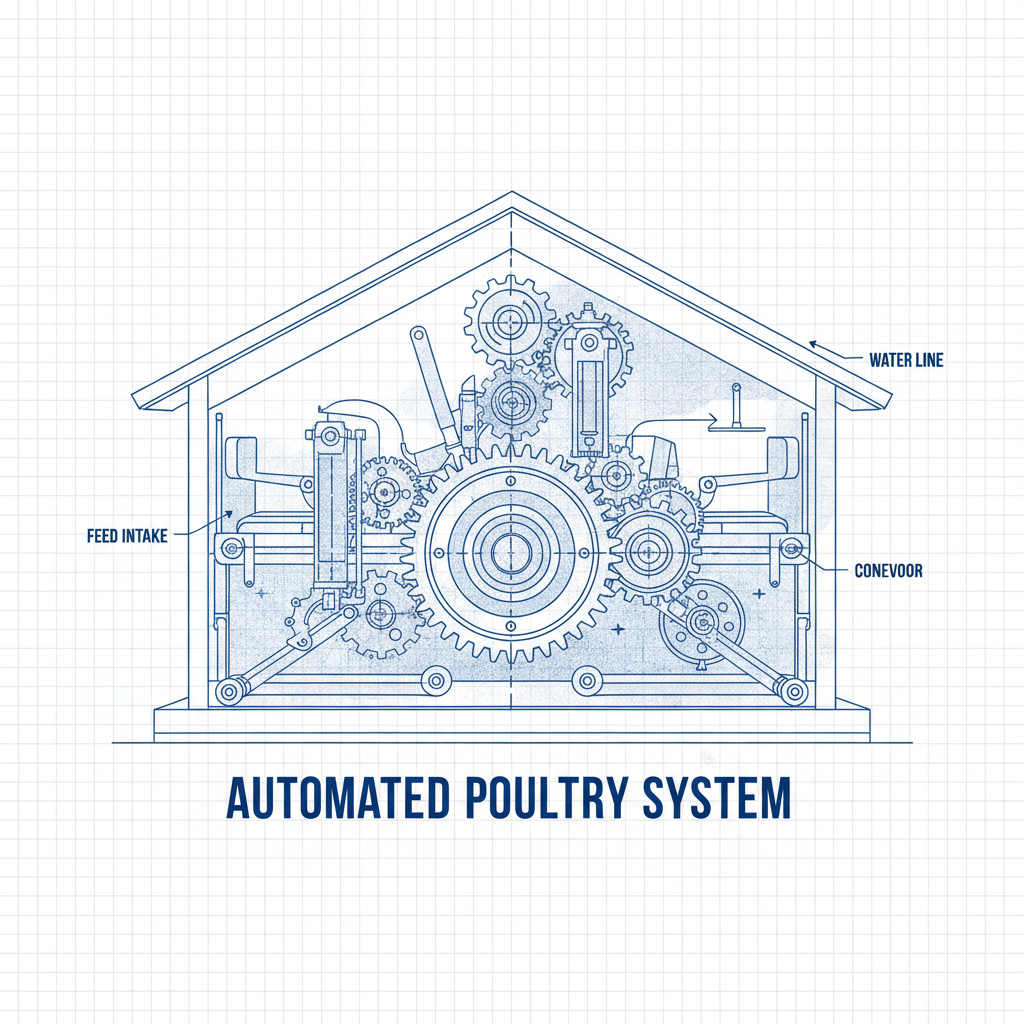
The global demand for protein is escalating at an unprecedented rate, placing immense pressure on traditional farming methods to scale efficiently without compromising animal welfare. In this context, automatic poultry farm equipment has emerged as the cornerstone of modern aviculture, transforming labor-intensive chores into streamlined, data-driven operations. By integrating precision engineering with biological needs, these systems ensure that poultry are raised in optimized environments that maximize growth rates and minimize waste.
Implementing sophisticated automation is no longer a luxury for large-scale industrial farms but a necessity for any producer aiming for sustainability and competitiveness. From precision feeding mechanisms to climate-controlled housing, the shift toward automatic poultry farm equipment reduces the margin of human error and significantly lowers operational overhead. The result is a more resilient food supply chain capable of meeting the stringent quality and safety standards of the modern consumer.
Understanding the intricacies of these systems allows farm managers to transition from reactive care to proactive management. By leveraging the benefits of automation, producers can achieve a harmonious balance between high-density production and ethical husbandry. This comprehensive guide explores how the strategic deployment of automatic poultry farm equipment is redefining the economics of the poultry industry worldwide.
The Global Impact of Automatic Poultry Farm Equipment
On a global scale, the adoption of automatic poultry farm equipment is directly linked to the goal of global food security. With the UN highlighting the need for a 70% increase in food production by 2050, the poultry sector has pivoted toward automation to increase the "feed-to-meat" conversion ratio. In regions like Southeast Asia and Brazil, the integration of automated silos and feeding lines has allowed producers to manage tens of thousands of birds with a fraction of the traditional labor force.
Beyond mere volume, the global impact is seen in the standardization of bird health. Automation allows for the precise delivery of nutrients and medications, reducing the reliance on broad-spectrum antibiotics. This shift not only aligns with World Health Organization (WHO) guidelines on antimicrobial resistance but also ensures that the end product is healthier and safer for human consumption, making automatic poultry farm equipment a tool for public health as much as for profit.
Defining Modern Automatic Poultry Farm Equipment
At its core, automatic poultry farm equipment refers to an integrated ecosystem of mechanical and digital tools designed to manage the lifecycle of poultry birds without constant human intervention. This includes everything from the Automatic Feeding Systems and Drinker Lines to sophisticated climate control sensors that adjust ventilation and temperature in real-time. It is the transition from "farming by intuition" to "farming by data."
The meaning of this equipment extends beyond simple machinery; it represents a humanitarian approach to livestock management. By automating the most grueling aspects of farm work, these systems reduce human fatigue and the risk of workplace injuries. Furthermore, they ensure that every single bird in a flock has equal access to feed and water, eliminating the "competition stress" often found in manual feeding setups.
In the modern industrial context, this equipment is categorized into primary subsystems: feeding, watering, waste removal, and environmental control. When these subsystems communicate through a central controller, they create a "smart farm" environment where the automatic poultry farm equipment can anticipate the needs of the flock based on age, weight, and ambient weather conditions.
Core Components for Operational Efficiency
Durability is the first critical factor when selecting automatic poultry farm equipment. Given the corrosive nature of ammonia in poultry houses and the abrasive quality of feed, high-grade galvanized steel and reinforced plastics are essential. Equipment that resists wear and tear minimizes downtime and ensures that the feeding cycle remains uninterrupted, which is vital for maintaining consistent bird growth.
Precision and Accuracy in feed delivery represent the second core pillar. Modern automatic poultry farm equipment utilizes load cells and programmable logic controllers (PLCs) to ensure that feed is dispensed in exact quantities. This prevents feed wastage—one of the highest costs in poultry farming—and allows for precise nutritional adjustments as the birds mature from chicks to adult poultry.
Finally, the scalability of the system determines the long-term viability of the investment. A modular approach to automatic poultry farm equipment allows a farmer to start with a basic setup and expand their capacity as their business grows. Whether adding more Feed Silos or expanding the climate control network, the ability to integrate new components without replacing the entire system is key to financial sustainability.
Scalability and Cost-Benefit Analysis
When evaluating the investment in automatic poultry farm equipment, the primary focus is often the initial capital expenditure. However, the true value lies in the reduction of operational expenses (OPEX). By automating feed and water delivery, farms can reduce labor costs by up to 60%, while the precision of automated systems typically reduces feed waste by 5-10%, which translates to thousands of dollars in savings annually for medium-to-large operations.
Moreover, the increase in "bird uniformity" is a significant economic driver. Manual feeding often leads to some birds overeating while others are undernourished. automatic poultry farm equipment ensures a level playing field, leading to a flock with consistent weights. This uniformity is highly prized by processors and buyers, allowing farmers to command premium prices and reduce the number of "rejects" during the sorting process.
Efficiency Gains across Automatic Poultry Farm Equipment Types
Real-World Applications Across Diverse Climates
The application of automatic poultry farm equipment varies significantly based on geography. In tropical regions with high humidity, the focus is heavily on automated ventilation and cooling pads. These systems prevent heat stress in birds, which can otherwise lead to mass mortality. By automating the airflow, the equipment maintains a constant internal temperature regardless of the scorching heat outside.
Conversely, in colder climates, the same automatic poultry farm equipment is configured for optimized heating and insulation management. In remote industrial zones where labor is scarce or expensive, fully autonomous systems are deployed, where feed silos are refilled via automated logistics and the entire house can be managed from a smartphone app, allowing one manager to oversee multiple sites across hundreds of kilometers.
Long-Term Value and Sustainability Gains
The long-term value of investing in automatic poultry farm equipment is most evident in its contribution to environmental sustainability. Precision feeding reduces the amount of nitrogen and phosphorus excreted into the environment, which in turn lowers the risk of groundwater contamination. By optimizing the resources used per bird, automation helps the industry move toward a circular economy.
From an emotional and ethical perspective, automation brings a sense of dignity to the farming profession. It removes the physical drudgery and replaces it with a role focused on animal science and data analysis. This evolution makes poultry farming more attractive to the younger, tech-savvy generation, ensuring that the industry doesn't suffer from a critical labor shortage in the coming decades.
Furthermore, the reliability of automatic poultry farm equipment creates a foundation of trust with stakeholders. When a producer can prove through digital logs that their birds have been fed according to strict nutritional guidelines and kept in a temperature-controlled environment, they gain easier access to certifications (such as Global GAP), which opens doors to high-value export markets.
Future Trends in Poultry Automation
The future of automatic poultry farm equipment is inextricably linked to Artificial Intelligence (AI) and the Internet of Things (IoT). We are seeing the rise of "predictive poultry farming," where sensors can detect the earliest acoustic signs of respiratory distress in a flock before a human ear could ever hear it. This allows for targeted intervention, preventing the spread of disease and reducing the need for flock-wide medication.
Sustainability is also driving the adoption of green energy within these systems. Future iterations of automatic poultry farm equipment are being designed to run on solar and wind power, reducing the carbon footprint of the farm. Additionally, the integration of robotics for egg collection and cleaning is becoming more refined, further reducing the physical contact between humans and birds to minimize biosecurity risks.
Finally, we expect a shift toward "precision nutrition," where automated systems adjust the feed composition in real-time based on the growth stage and health status of the birds. This level of granularity will push the efficiency of automatic poultry farm equipment to its absolute limit, ensuring that no single gram of feed is wasted and no bird is under-nourished.
Comparison of Automation Levels in Poultry Farm Equipment
| Automation Level |
Primary Equipment Focus |
Labor Reduction |
Investment Recovery (ROI) |
| Basic Automation |
Manual Feeders + Auto-Waterers |
20% - 30% |
Fast (1-2 Years) |
| Intermediate |
Automatic Feed Lines + Silos |
40% - 60% |
Moderate (2-4 Years) |
| Advanced |
Climate Control + Auto-Feeding |
70% - 80% |
Steady (3-5 Years) |
| Fully Autonomous |
AI Monitoring + Robot Collection |
90% + |
Long-term (5+ Years) |
| Eco-Smart |
Solar Integrated + Precision Feed |
60% - 70% |
Moderate (Via Energy Savings) |
| Integrated Hybrid |
Multi-species Modular Equipment |
50% - 70% |
Flexible (Based on Scale) |
FAQS
The primary advantage is the drastic reduction in labor costs combined with an increase in precision. Automatic systems ensure that every bird receives the exact amount of nutrition and water required, which eliminates feed waste and reduces growth variability across the flock. This leads to a more predictable harvest and higher profit margins per bird.
Automation improves welfare by creating a stable, stress-free environment. Automated climate control prevents heat stress and respiratory issues, while automatic feeding systems prevent the aggressive competition for food often seen in manual setups. Additionally, reduced human presence in the house minimizes stress for the birds, leading to lower cortisol levels and better overall health.
Yes, provided they choose modular systems. While a full-scale industrial setup is expensive, many producers offer scalable automatic poultry farm equipment. Starting with automated drinking lines and a basic feeding system can provide immediate ROI through labor savings and reduced mortality, allowing the farmer to reinvest profits into further automation as they grow.
Maintenance primarily involves regular cleaning of feeding lines to prevent mold and checking sensor calibration for climate control. Because these systems operate in dusty and corrosive environments, lubricating moving parts and inspecting galvanized coatings for rust is essential. Most modern systems include self-diagnostic tools that alert the manager to a malfunction before it becomes critical.
Absolutely. By reducing the number of human entries into the poultry house, automation significantly lowers the risk of introducing external pathogens. Furthermore, AI-driven monitoring systems can detect changes in bird behavior or sound (such as coughing), allowing farmers to isolate sick birds much faster than manual observation would allow, thus preventing a widespread outbreak.
Choice depends on whether you are raising broilers, layers, or breeders. Broilers require high-efficiency growth feeding systems, while layers need specialized automatic egg collection and nesting equipment. It is recommended to consult with a specialist to ensure the equipment's throughput matches your flock size and that the climate control is suited for your specific geographical region.
Conclusion
The transition toward automatic poultry farm equipment represents a fundamental shift in the agricultural paradigm, moving from labor-intensive husbandry to a precision-driven industrial process. By integrating durable hardware with intelligent software, producers can now optimize feed conversion, ensure superior animal welfare, and drastically reduce operational overhead. The synergy between scalability, efficiency, and sustainability makes automation the only viable path for meeting the growing global demand for poultry products.
Looking forward, the continued evolution of AI and green energy will further refine these systems, making poultry farming not only more profitable but also more environmentally responsible. For farmers and investors, the strategic adoption of automation is no longer an option but a critical requirement for long-term survival in a competitive global market. To explore the best solutions for your facility, visit our website: www.cxlivestock.com