Gestation Stalls for Pigs: What They Are and Why They Matter Globally
Gestation stalls pigs — the term might sound mundane, but it carries global significance in modern livestock management, animal welfare debates, and food security challenges. These are specialized enclosures designed to house pregnant sows during their gestation period, controlling their environment and interactions. Understanding their design, use, and impact is crucial not only for farmers and industry pros but also for regulators, animal welfare advocates, and consumers increasingly concerned with sustainable meat production.
At its core, knowing about gestation stalls offers benefits like improving animal health, optimizing farm productivity, and aligning with wider sustainability goals. It’s a niche but growing part of an agricultural puzzle essential to feeding a booming global population.
Setting the Stage: The Global Context of Gestation Stalls Pigs
Why should anyone outside the farming belt care about gestation stalls? Well, pig farming worldwide accounts for roughly 35% of global meat production — and it's expanding, especially in Asia and Latin America according to FAO data. The exact figure varies, but consider this: over one billion pigs are raised yearly across various farming systems.
The challenge? Balancing productivity with animal welfare and environmental sustainability is a constant struggle. Gestation stalls have been criticized for restricting pigs’ natural behaviors, yet they provide control over feed intake and health monitoring. The World Organization for Animal Health (OIE) gives evolving guidelines encouraging alternative housing but acknowledges that stalls still serve global needs when managed responsibly.
This tension reflects a broader industry trend — how to meet rising meat demand while improving animal welfare and reducing environmental footprints.
What Exactly Are Gestation Stalls for Pigs?
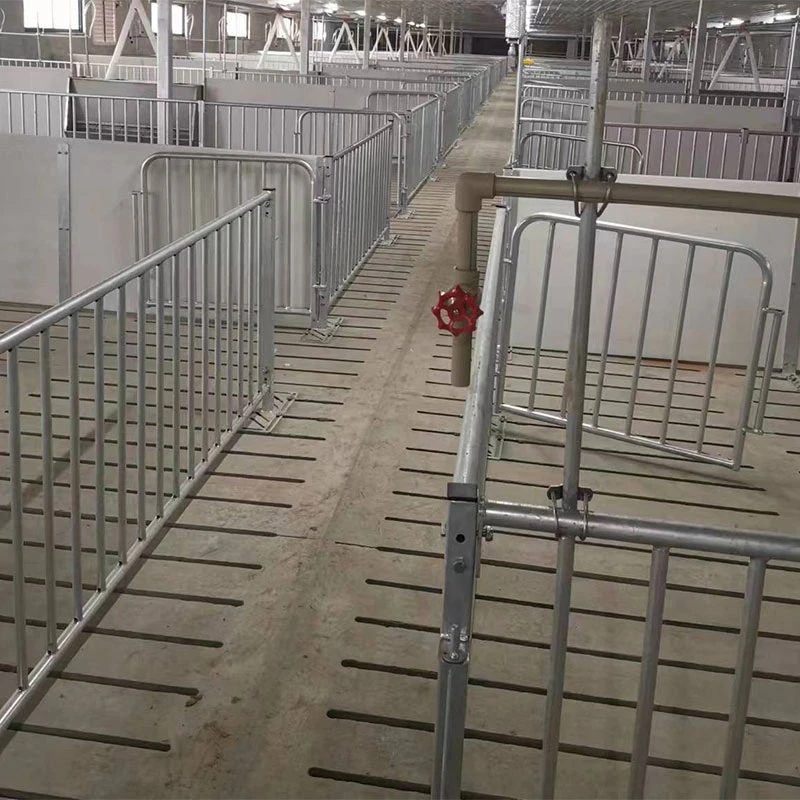
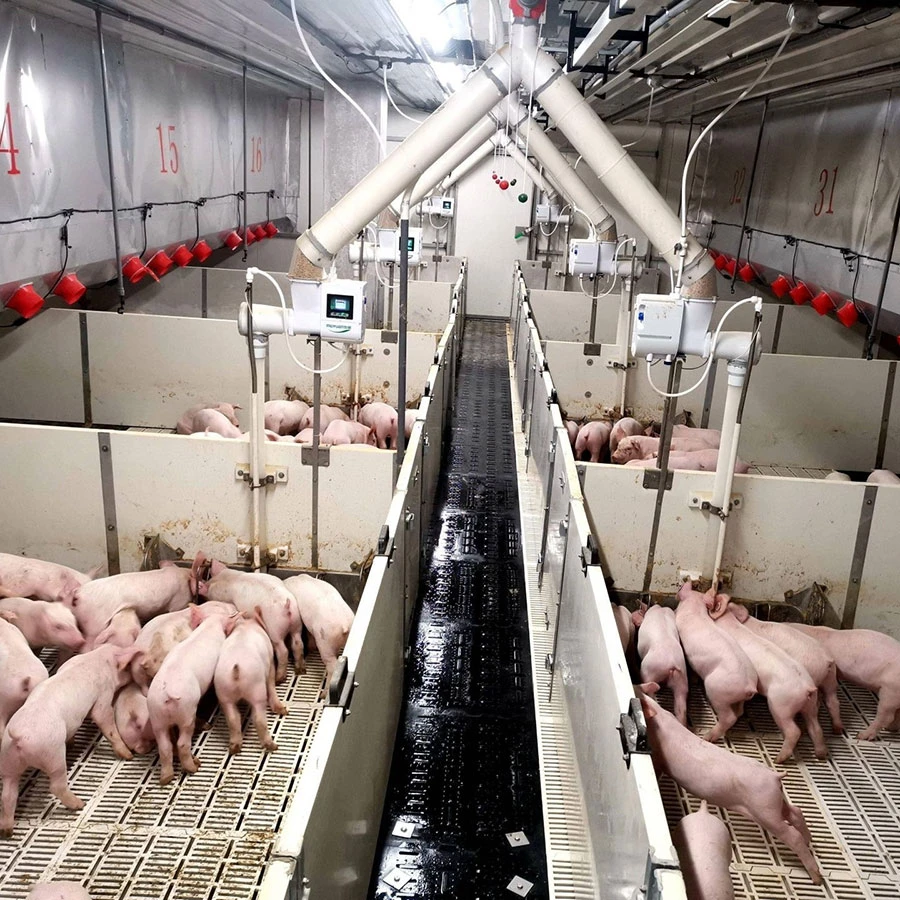
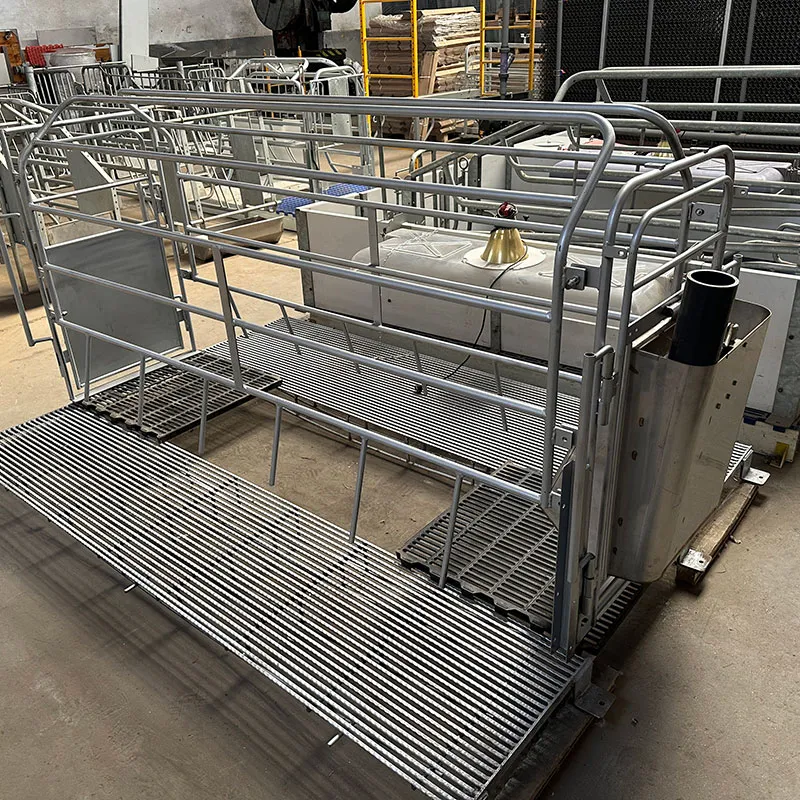
Simply put, gestation stalls are narrow, individual enclosures used to house pregnant sows, typically during most of their 114-day pregnancy. Imagine a fenced-off, well-ventilated space just wide enough for a pig to stand up and lie down but restricting turning or interacting too freely with others.
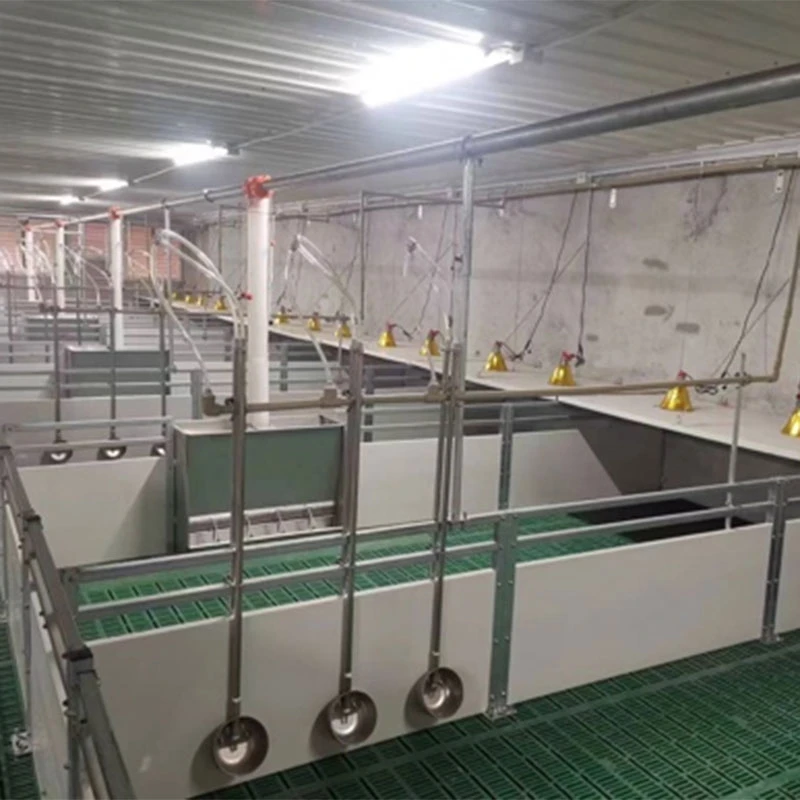
These stalls connect to modern industrial farming by allowing controlled feeding schedules, preventing fighting among sows, and easing health checks. At the same time, they raise humanitarian concerns over the animals’ ability to express natural behaviors, sparking innovations in housing design globally.
Key Components of Gestation Stalls: What Really Matters
Durability & Material Quality
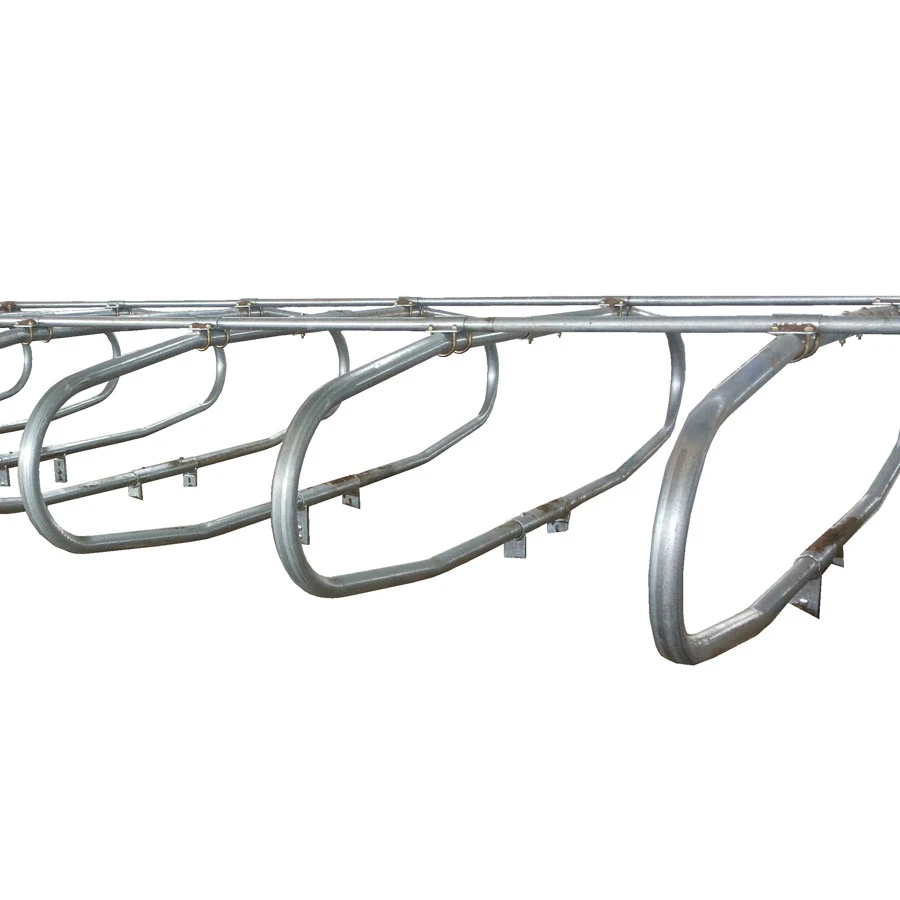
Most gestation stalls are made from galvanized steel or stainless steel to resist corrosion, given their humid environment. Engineers often note how the choice of materials directly impacts lifespan, maintenance costs, and even animal safety. Rough edges or poorly made panels can lead to injury, so quality craftsmanship here is non-negotiable.
Size & Comfort
While classic stalls are narrow, modern regulations push for larger dimensions to allow some movement. Typically, stalls measure around 2 m long by 60 cm wide — but that’s changing as welfare standards evolve. Proper sizing affects stress levels and, by extension, pig health and productivity.
Ventilation & Hygiene
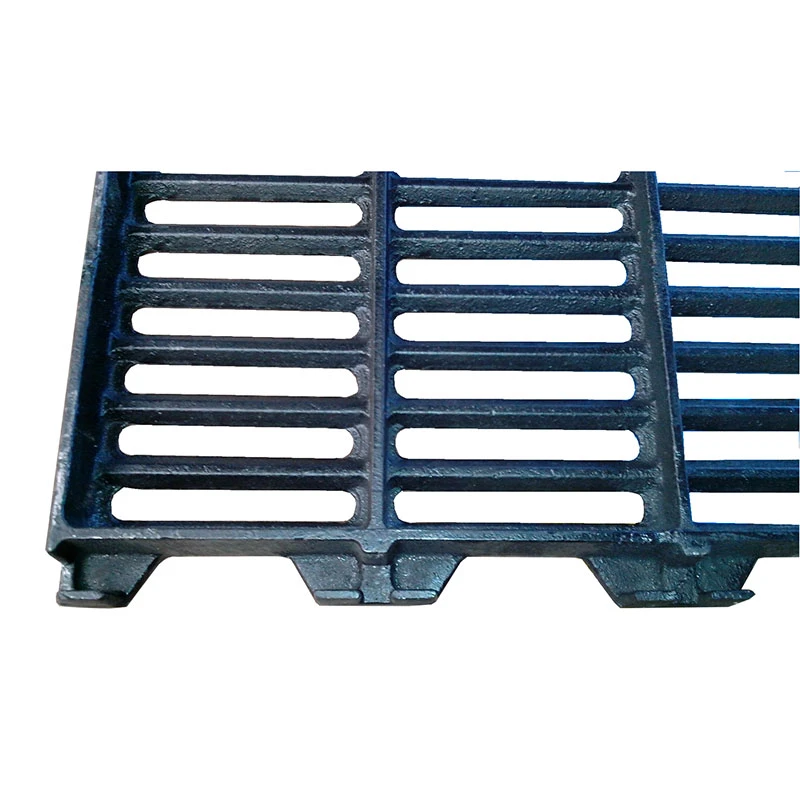
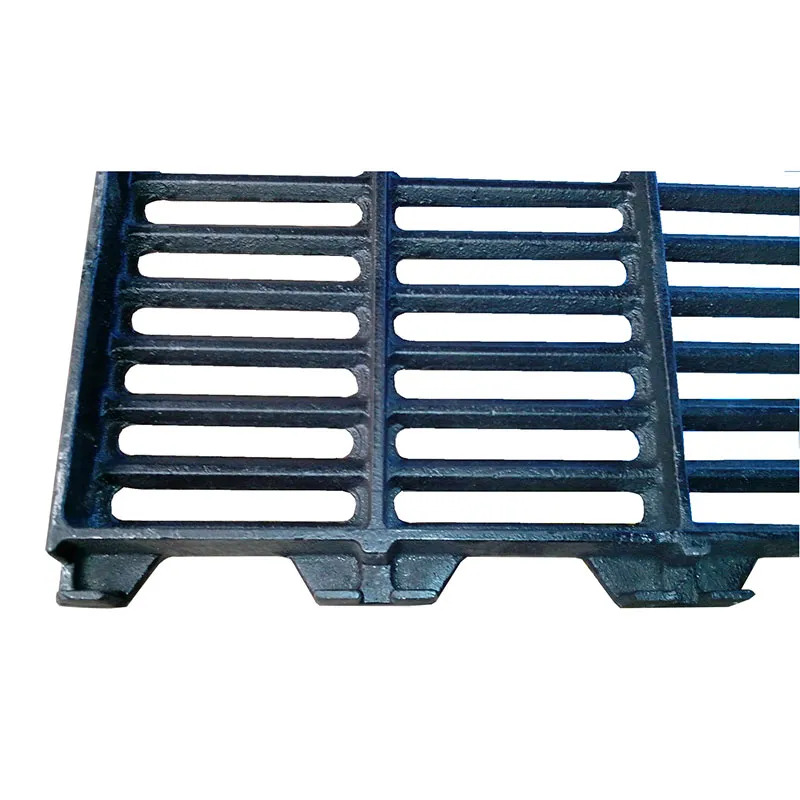
Optimal airflow reduces the buildup of airborne pathogens and ammonia, improving sow well-being. Stalls often incorporate slatted flooring systems to allow waste disposal beneath, a neat trick for hygiene but which also influences manure management practices on a farmwide scale.
Cost Efficiency & Scalability
For farms, cost isn’t just upfront — it’s ongoing maintenance, labor, and space utilization. Gestation stalls scale best in medium-to-large operations, but initial investment varies widely depending on design, materials, and supplier. Luckily, bulk buying and modular systems allow improvements in cost efficiency over time.
How Are Gestation Stalls Actually Used Around the World?
In Asia’s booming pork industries—think China, which slaughters over 700 million pigs yearly—gestation stalls are standard. They help manage sows in intensive environments, where space is limited but precision feeding and disease control are priorities.
Europe, increasingly pushing for sow freedom, still uses modified or group housing systems but often within stalls that allow easier monitoring. The U.S. is a bit of a patchwork, with some states phasing stalls out by legislation and others maintaining widespread use.
Interestingly, large-scale international relief efforts for agricultural rebuilding occasionally install temporary gestation stall units to quickly restart pork production in disaster-hit zones, reflecting their practical value beyond stable farms.
Mini takeaway:
Gestation stalls, beyond their animal welfare debates, are indispensable tools for managing pig pregnancies worldwide—especially where scale and control matter most.
Advantages & Long-Term Value of Gestation Stalls
- Efficient feed management: Individual sows get tailored diets, preventing over- and underfeeding.
- Reduced aggression: Sows housed alone are less likely to fight, minimizing injuries and stress.
- Health monitoring: Easier for farm workers to check animals for illness or pregnancy complications.
- Space optimization: Compact designs fit more animals into existing barns without extensive renovations.
- Economic resilience: Higher productivity per sow and better piglet survival rates help sustainability of farms in volatile markets.
Emotionally, farmers often express reassurance in stalls’ ability to keep sows “safe” during a vulnerable period. Though there’s a push for more open housing, the confidence in predictability and reduced losses is hard to dismiss completely.
The Future of Gestation Stalls: Trends and Innovations
Industry insiders foresee stalls becoming more adaptable and humane. Some trends on the rise include:
- Smart sensors and IoT: Automated feeding, health tracking, and environmental controls to optimize animal welfare and resource use.
- Sustainable materials: Moving from metals to recycled composites or bio-based plastics that reduce carbon footprints.
- Modular designs: Quick assembly stalls that can be expanded, relocated, or reconfigured depending on herd sizes.
- Group stalls: Innovative designs that blend confinement benefits with opportunities for social interaction.
Parallel policy shifts encourage more welfare-centric designs, reflecting a global movement towards greener, smarter farming systems.
Challenges & Solutions in Gestation Stall Use
Of course, it's not all smooth sailing. Common challenges include:
- Animal welfare concerns: Many argue that restricting sow movement impacts mental health and behavior.
- Regulatory restrictions: Some regions ban or limit use, forcing costly adaptations.
- Maintenance: Corrosion and flooring wear can lead to injury or costly repairs.
- Initial cost barrier: Small farms may struggle to invest in quality stall infrastructure.
Expert tips: Incorporating soft bedding, variable sizing, and rotational use of group housing alongside stalls can mitigate welfare problems. Advances in materials and modularity also provide economic and operational relief.
Understanding Gestation Stalls Pigs: Frequently Asked Questions
- What are gestation stalls used for in pig farming?
- Gestation stalls house pregnant sows individually to control feeding, prevent fighting, and monitor health during pregnancy. They help optimize reproduction and reduce stress-related injuries.
- Are gestation stalls considered humane?
- The debate is ongoing. While stalls limit natural behaviors, they ensure safety and care during pregnancy. Welfare standards now promote improved stall sizes and alternative group housing where feasible.
- How long are sows kept in gestation stalls?
- Sows are typically housed in stalls for most of the 114-day gestation period, often between 4 to 7 weeks post-insemination until farrowing preparations begin.
- Can gestation stalls be adapted for better welfare?
- Yes, by increasing space, adding enrichment, improving ventilation, and using softer flooring, farms can enhance sow comfort while still gaining the benefits of individual housing.
- Where can I learn more about gestation stall product options?
- Looking for detailed specs and solutions? Check manufacturers and suppliers specializing in gestation stalls pigs for customized offerings and sustainable designs.
Product Specification Table: Typical Gestation Stall Features
| Feature | Specification | Remarks |
|---|---|---|
| Material | Galvanized Steel or Stainless Steel | Corrosion-resistant for wet environments |
| Standard Dimensions | 2 m (L) × 0.6 m (W) × 1.2 m (H) | Allows standing and lying, limited turning |
| Flooring | Slatted Concrete or Steel Grates | Facilitates waste drainage |
| Ventilation | Natural & Mechanical Ventilation Options | Prevents ammonia buildup |
| Modular Design | Available | Allows easy expansion and relocation |
Vendor Comparison: Leading Gestation Stall Suppliers
| Vendor | Material Quality | Customization Options | Pricing | Sustainability Features |
|---|---|---|---|---|
| FarmEquip Co. | High Grade Galvanized Steel | Size, Flooring Type, Ventilation | $$$ | Recycled materials option |
| AgriStall Solutions | Stainless Steel | Modular, IoT Ready | $$$$ | Energy-efficient manufacturing |
| PigCo Innovates | Composite Materials | Eco-friendly, Custom Sizes | $$ | Biodegradable components |
Wrapping It Up: The Last Word on Gestation Stalls for Pigs
In real terms, gestation stalls for pigs remain essential fixtures in global pork production. They represent a crossroads of efficiency, animal welfare, and evolving farming philosophies. While the industry wrestles with their drawbacks, advances in design, technology, and materials offer promising ways to preserve productivity without sacrificing dignity or sustainability.
If you’re involved in pig farming or livestock infrastructure planning, it’s worthwhile keeping tabs on how these stalls evolve. For detailed product options, innovations, and best practices, don’t hesitate to visit gestation stalls pigs.
Mini takeaway:
Gestation stalls are more than steel bars and dimensions — they’re part of the bigger story of feeding the planet responsibly while respecting the animals behind our food.
References:
Post time: Dec . 02, 2025