What Is Gestation Crate Free Pork and Why It Matters Globally
Gestation crate free pork is more than just a buzzword in the pork industry; it reflects a meaningful shift in how modern farming treats pregnant sows and how consumers choose their meat. Globally, this topic resonates with farmers, retailers, policy makers, and ethically-minded buyers alike. Knowing about it isn’t only a moral conversation—it’s an economic and environmental one as well.
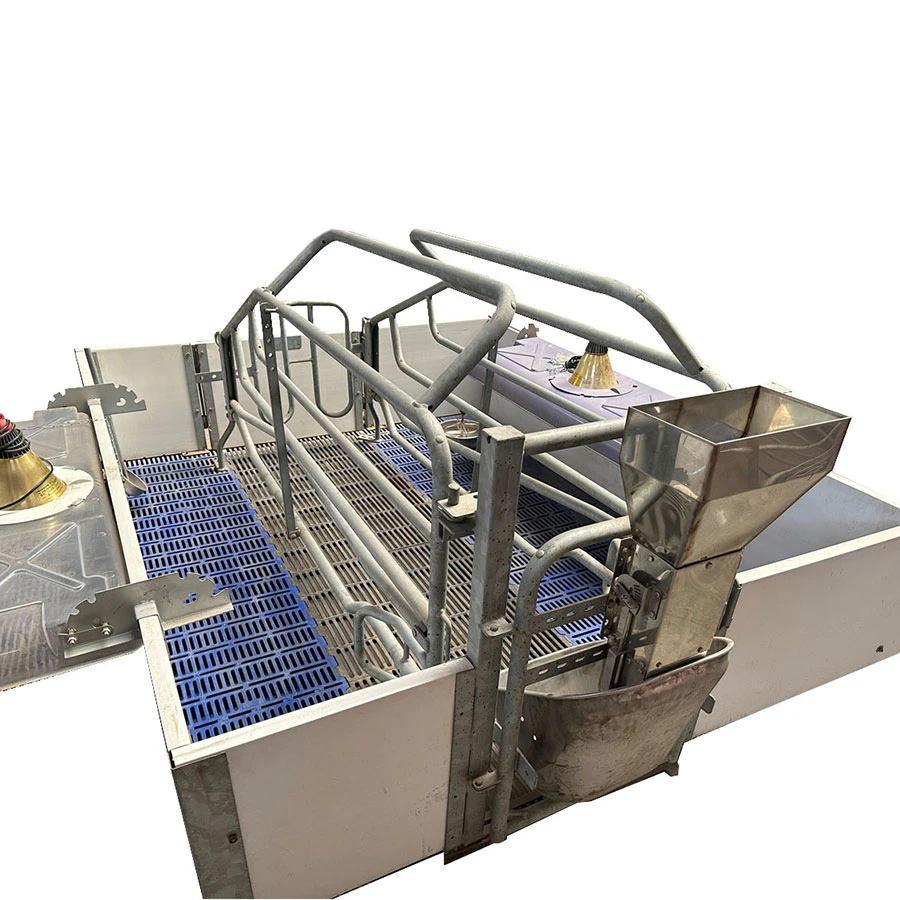
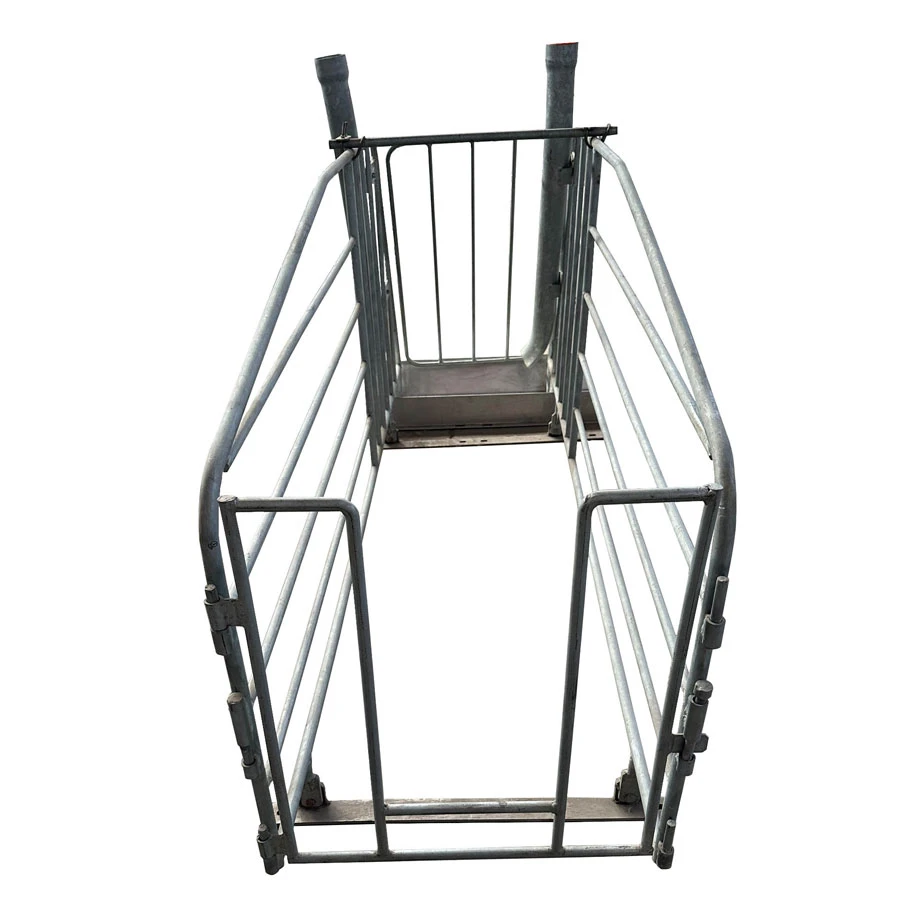
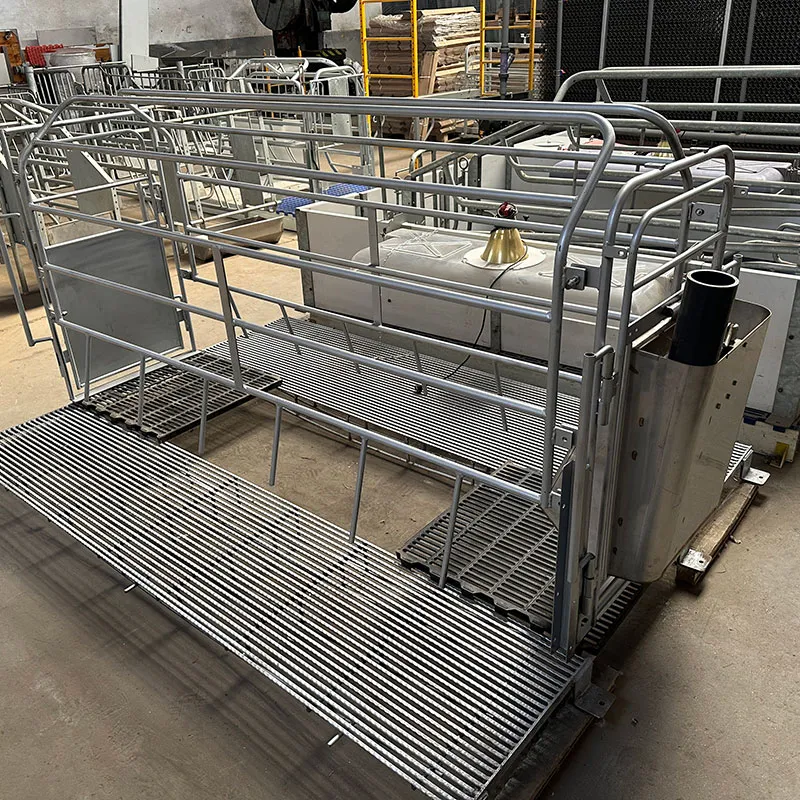
Why all the fuss? Simply put, gestation crates are small metal enclosures where pregnant pigs spend much of their lives during pregnancy, often confined so tightly they cannot turn around. Gestation crate free pork comes from farms that avoid this practice, offering animals more humane spaces. Globally, this practice aligns with rising consumer demand for ethical meat and is increasingly tied to sustainability goals.
Global Context: The Growing Importance of Humane Pork Production
According to the Food and Agriculture Organization (FAO) and World Bank data, the global pork market is valued in the hundreds of billions USD and employs millions worldwide. However, the environmental impact of intensive pig farming and animal welfare issues have put pressure on the sector. The United Nations' Sustainable Development Goals (SDGs) encourage more ethical and sustainable food production models.
Gestation crate free farming represents one solution—addressing animal welfare, reducing environmental damage through better farm management, and meeting evolving consumer standards. Industry reports show countries like the U.S., UK, and EU members are leaders pushing for bans or restrictions on gestation crates, while developing countries watch closely, balancing modernization and traditional practices.
Still, bridging industry growth with welfare practices is tricky. Farmers often worry about costs or space, while consumers wonder what exactly they're paying more for. Gestation crate free pork helps clarify this debate.
Mini Takeaway:
Understanding gestation crate free pork offers insight into a global shift toward more ethical, sustainable food sources—a shift that combines economics, welfare, and consumer ethics in one package.
What Exactly Is Gestation Crate Free Pork?
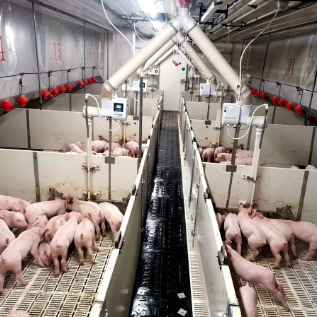
In the simplest terms: gestation crate free pork comes from sows raised without being confined in restrictive metal crates while pregnant. Instead, these pigs live in larger pens that allow movement and natural behaviors like turning around, nesting, and interacting socially. This contrasts the traditional gestation crate, sometimes called the "battery cage" of pig farming.
The meaning extends beyond animal treatment—it reflects changing farming practices, retail commitments to animal welfare, and the growing demand from consumers who want their choices to align with personal values or legal standards. For many producers, it means redesigning housing, adapting management practices, and communicating transparently.
Mini Takeaway:
Gestation crate free pork is not just a label but a promise that pregnant pigs were raised with space and dignity, reflecting broader humanitarian and industrial concerns.
Core Components of Gestation Crate Free Pork Production
1. Animal Welfare and Comfort
The cornerstone of gestation crate free pork is ensuring sows have freedom to move. This improves health outcomes and lowers stress, which can affect meat quality. Diverse pen space, natural bedding, and environmental enrichment are key.
2. Farm Design and Infrastructure
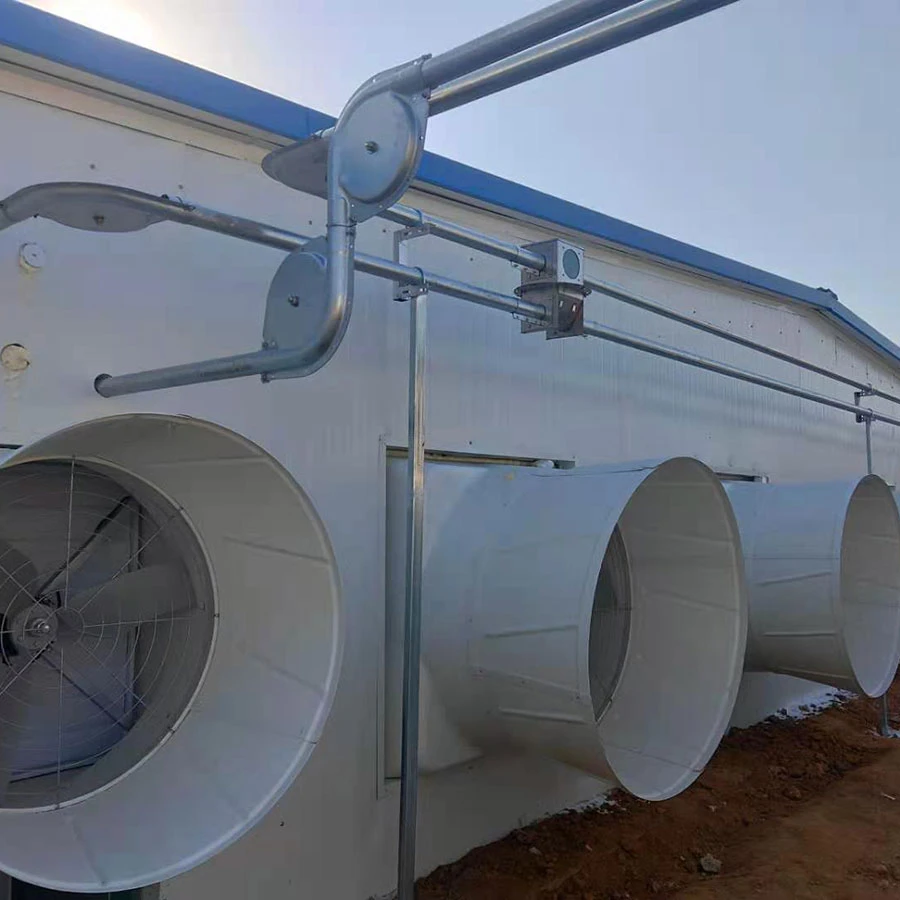
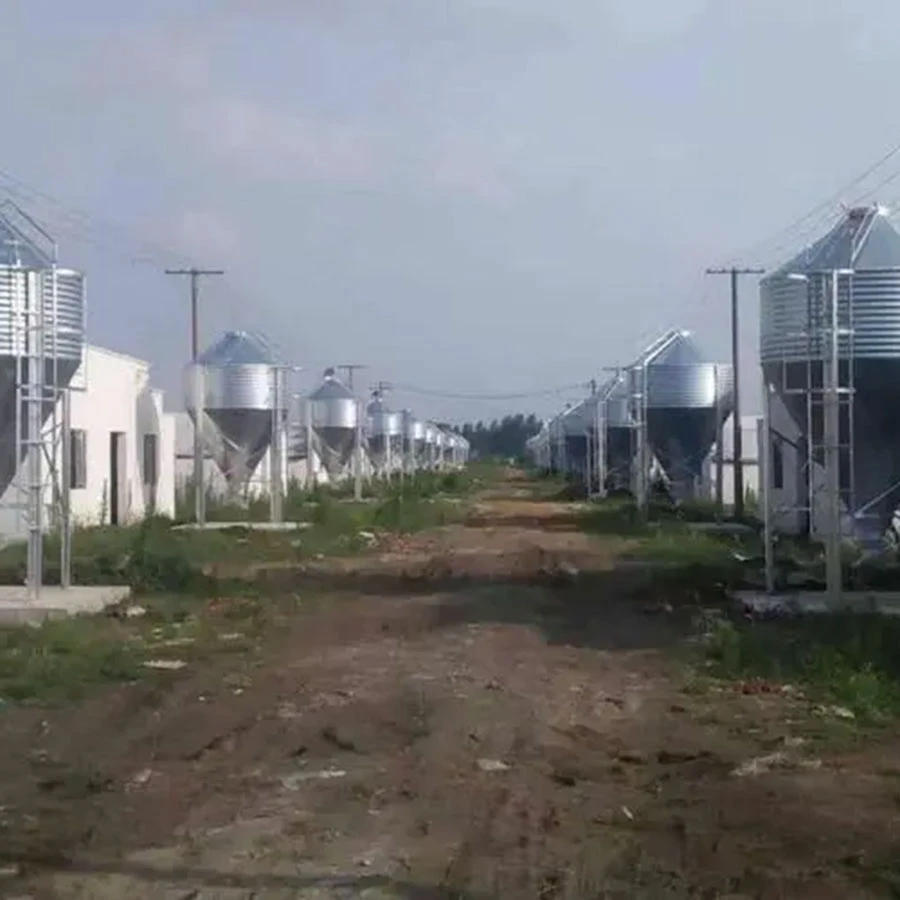
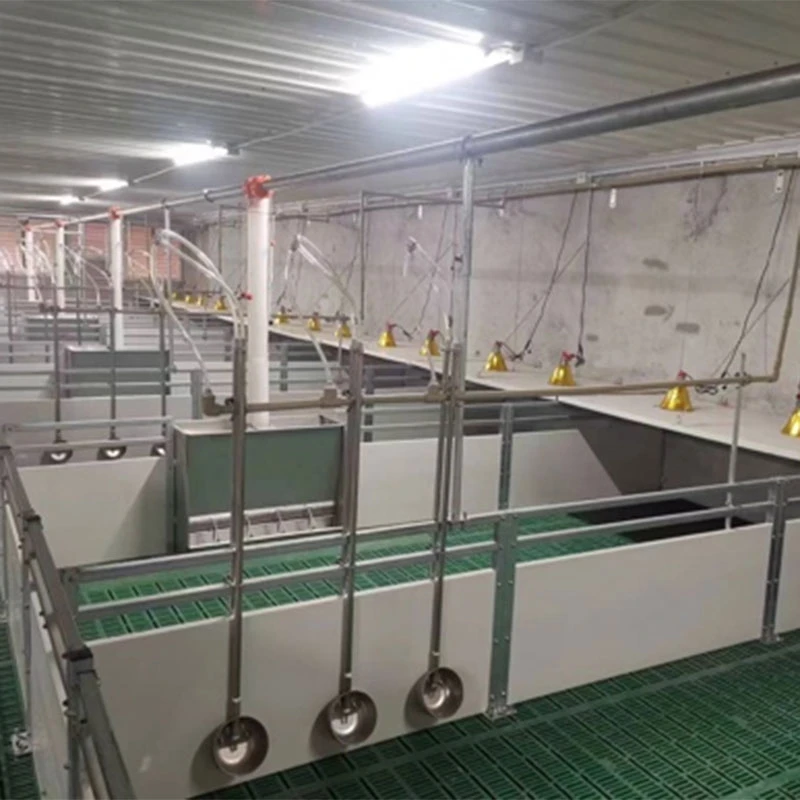
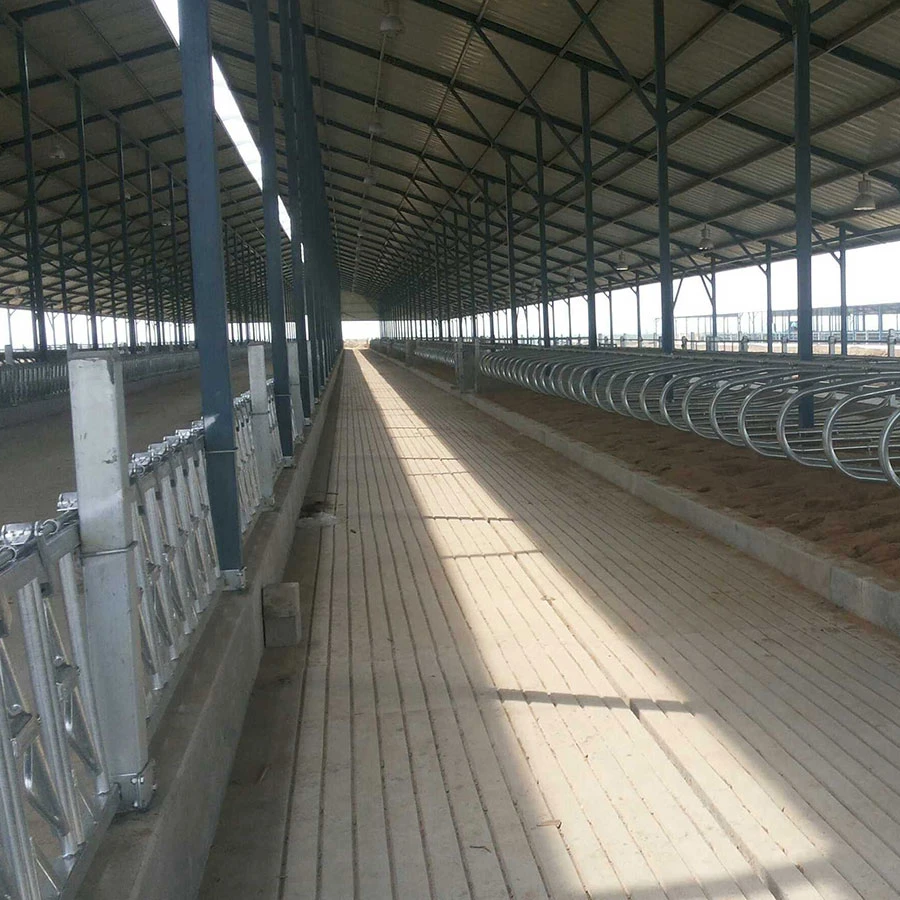
Transitioning from crates to pens requires significant infrastructure changes—bigger buildings, adjustable flooring, proper drainage, and ventilation. Durability and ease of cleaning remain critical.
3. Cost Efficiency and Pricing
More space means higher overhead per animal, but many producers say initial investments are offset by better sow health and consumer willingness to pay a premium for humane pork.
4. Scalability
Whether a small family farm or a large commercial facility, scalability is crucial. Best practices focus on flexible pen designs that accommodate farm sizes and management styles.
5. Market Demand and Regulations
Policies banning gestation crates are increasing in North America and Europe, while consumer awareness and product labeling reinforce demand.
6. Supply Chain Traceability
Consumers want proof. Platforms for tracking animal welfare standards through the supply chain make gestation crate free pork more credible and easier to verify.
Mini Takeaway:
The gestation crate free approach includes animal welfare, engineering, economics, and market forces intertwined—each demands attention to succeed.
How Gestation Crate Free Pork Is Applied Worldwide
Across the globe, many farms and retailers embrace gestation crate free pork for different reasons. In the U.S., states like California and Michigan have enacted laws banning gestation crates, pushing farmers toward alternative systems.
European nations like Sweden and the Netherlands lead with long-standing bans and consumer education campaigns. Meanwhile, in Asia, rising middle-class consumers show interest in ethically-produced pork, leading some export farms to adopt crate free methods to meet international standards.
Major retailers such as supermarket chains and restaurants increasingly require gestation crate free pork from suppliers as part of sustainability commitments. Some farming cooperatives collaborate to share pen design blueprints and husbandry techniques.
Even humanitarian groups promoting sustainable agriculture find gestation crate free approaches useful in animal husbandry training in rural or post-disaster settings, promoting dignity and better livelihoods.
Mini Takeaway:
Gestation crate free pork is no longer niche—it’s reaching farms, businesses, and communities worldwide, each adapting it to local needs and markets.
Advantages and Lasting Value of Gestation Crate Free Pork
- Animal Health & Welfare: Reduced injury, stress, and disease rates.
- Consumer Trust: Transparent welfare-friendly products build brand loyalty.
- Environmental Impact: Better manure management and welfare correlate to sustainability goals.
- Economic Upsides: Often a price premium compensates for added costs, improving profit margins.
- Social Responsibility: It aligns business with growing ethical standards and legislation.
On a human level, it’s a win for safety, dignity, and progress. Many farmers say adopting gestation crate free practices feels like restoring respect to their work and livestock alike.
Emerging Trends and Innovations in Pork Production
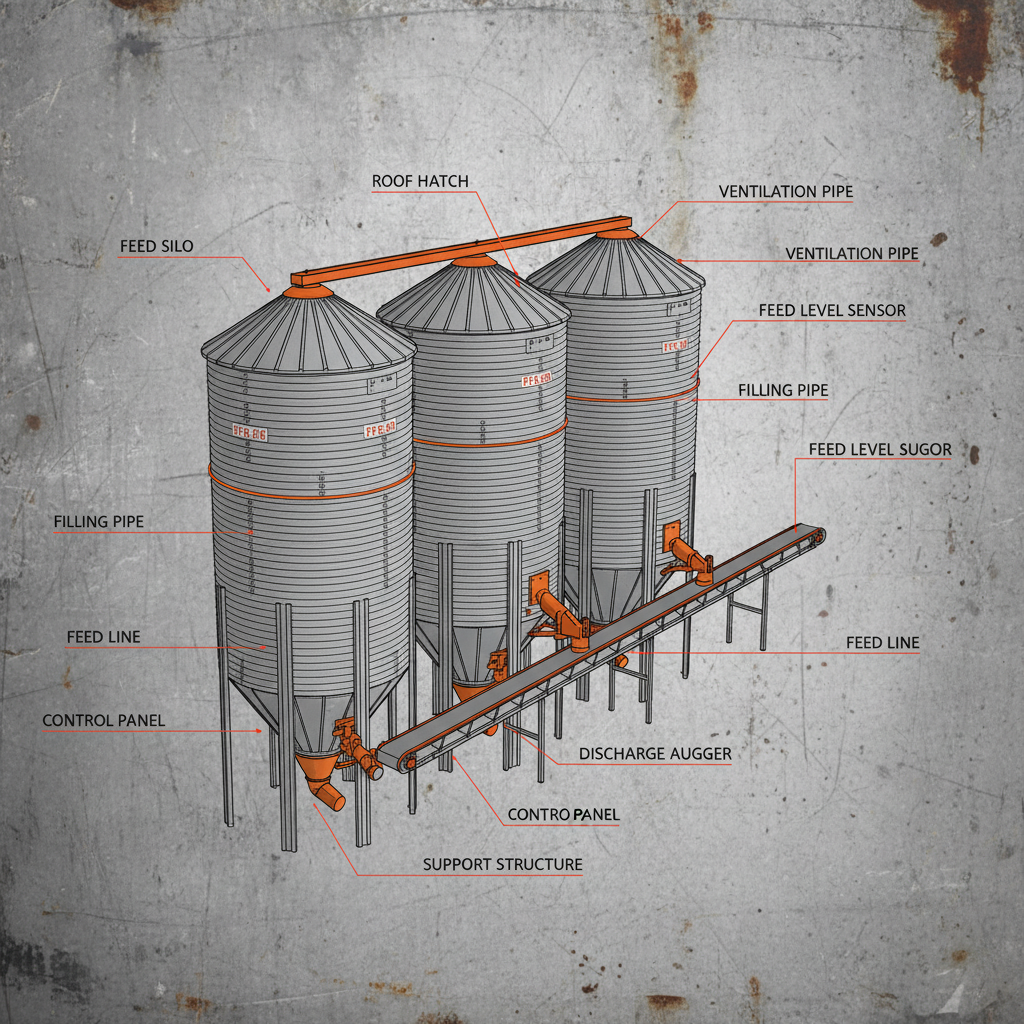
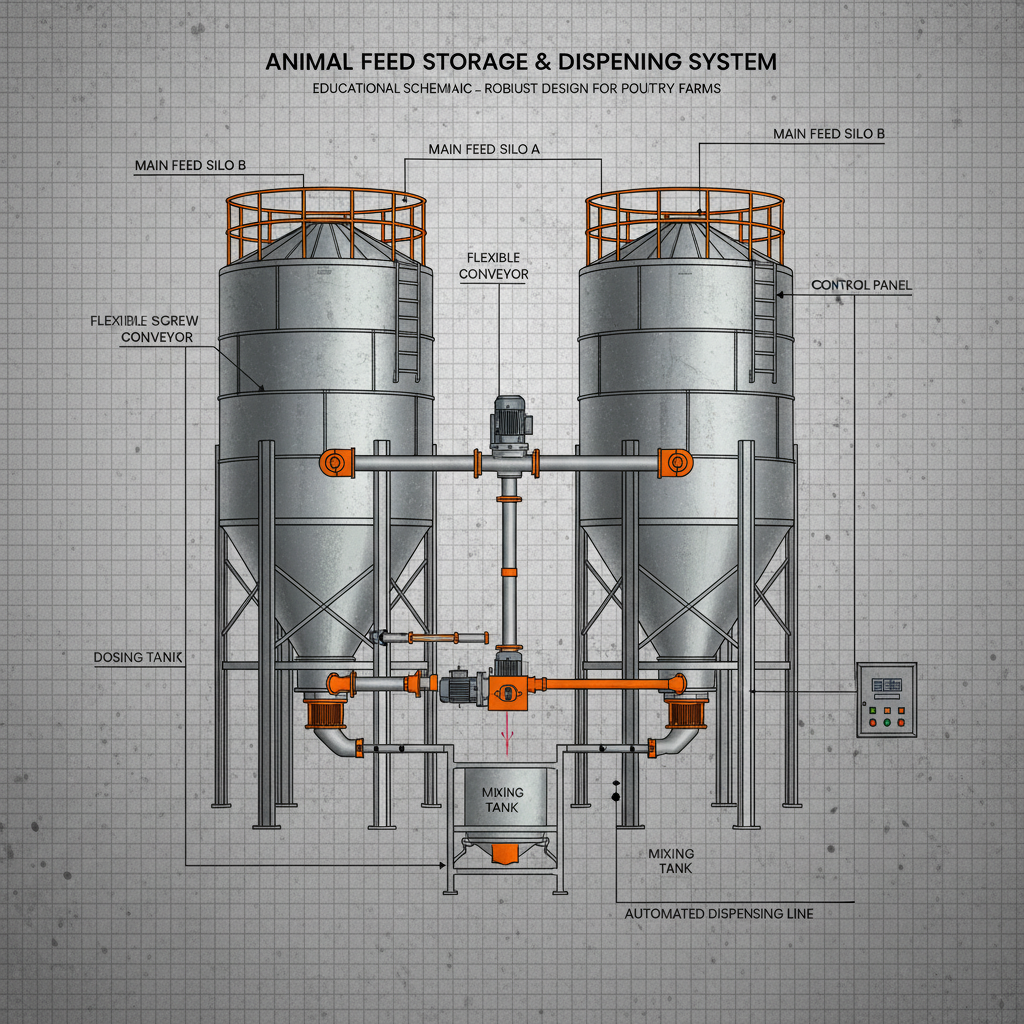
The future is shaping up with smart farming tech—digital monitoring for sow health, AI-assisted pen designs optimizing space and comfort, and even automated feeding and cleaning to reduce labor costs.
New materials like recycled composites and antimicrobial coatings improve durability and hygiene in housing. On the policy side, international standardization efforts seek global certifications for gestation crate free pork, smoothing trade barriers.
Eco-conscious brands are also tying gestation crate free pork to regenerative agriculture, integrating crop-livestock systems to build soil health and reduce carbon footprints.
Common Challenges and Practical Solutions
Cost remains the biggest hurdle for many producers, especially smaller farms. Space constraints and capital investments can be daunting. Moreover, transitioning needs training and patience—changing decades-old routines isn’t easy.
Yet, innovative financing programs and cooperative models help spread investment risk. Education initiatives and extension services teach effective management of group housing. Plus, emerging supply chains for crate free pork help build stable demand and fair pricing.
Mini Takeaway:
Challenges exist but aren’t insurmountable. With collaboration and innovation, gestation crate free pork is well on its way to becoming the norm.
Product Specification: Typical Gestation Crate Free Pork Farm Setup
| Feature | Details |
|---|---|
| Pen Size per Sow | Minimum 6 sqm (approx.) allowing full movement |
| Flooring | Non-slip, slatted concrete with bedding options |
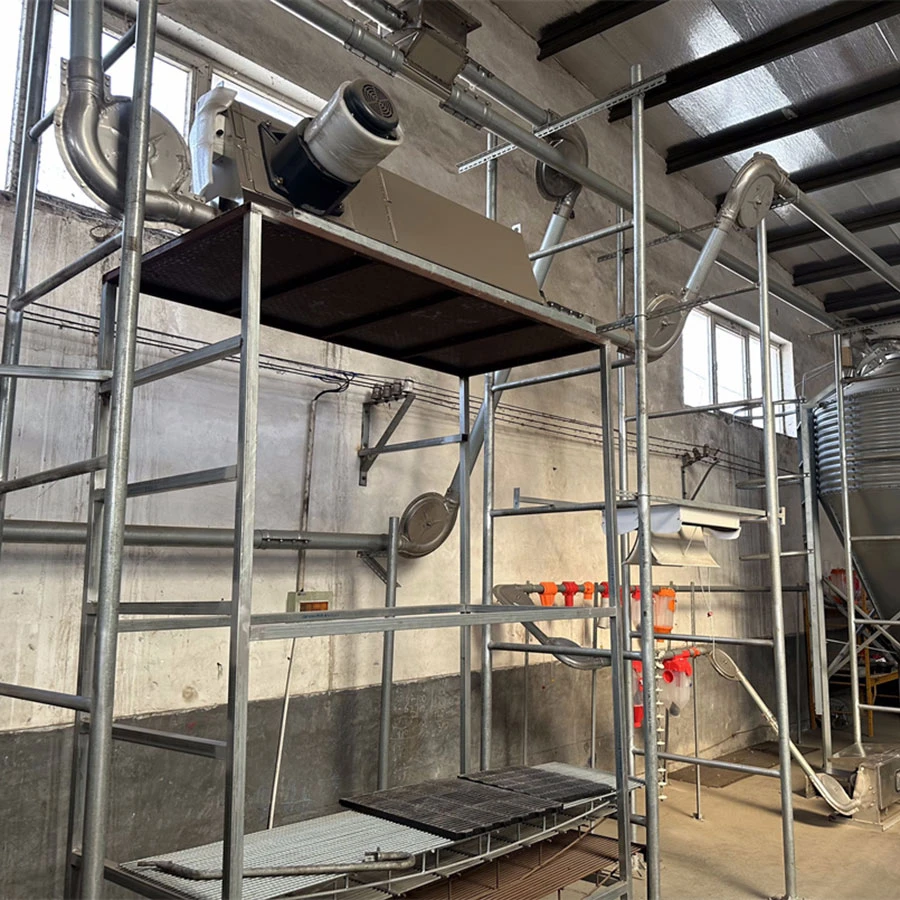
| Ventilation | Mechanical ventilation system to maintain airflow and temperature |
| Feeding System | Automated or trough systems designed for group feeding |
| Waste Management | Manure scrapers or flush systems to maintain sanitation |
Vendor Comparison: Leading Suppliers of Gestation Crate Free Equipment
| Vendor | Product Highlights | Price Range (USD) | Service & Support |
|---|---|---|---|
| AgriPen Solutions | Modular pen kits, eco-friendly materials, customizable sizes | $5,000 - $20,000 per unit | Installation, training, 24/7 support |
| FarmCare Innovations | Automated feeding integration, durable composite structures | $8,000 - $25,000 per system | Consulting, maintenance plans |
| EcoSow Solutions | Natural bedding systems, green energy powered units | $7,000 - $22,000 per setup | Sustainability consulting, onsite training |
Frequently Asked Questions About Gestation Crate Free Pork
Q1: How does gestation crate free pork affect the taste or quality of the meat?
A1: Studies suggest that pigs raised in more natural, less stressful environments generally produce meat with better texture and flavor. Freedom of movement and reduced stress hormones can positively influence meat quality, though genetics and feed also play a role.
Q2: Is gestation crate free farming more expensive for farmers?
A2: Initially, yes. Upgrading facilities involves capital investment and sometimes more space per animal. However, many farmers find that improved sow health and market premiums balance these costs, making it economically viable in the long run.
Q3: How can consumers be sure pork is truly gestation crate free?
A3: Look for third-party certifications and transparent labeling. Supply chain traceability tools and retailer programs help verify claims. Asking producers or checking platforms dedicated to animal welfare standards is also helpful.
Q4: Are gestation crate bans legally enforced everywhere?
A4: No, but many regions have started implementing bans or limitations (e.g., EU member states, certain U.S. states). Other countries encourage voluntary adoption. The global landscape is evolving, so awareness of local policy is important.
Q5: Can gestation crate free systems be integrated into existing farms?
A5: Generally, yes. Many farms retrofit or redesign enclosures to meet welfare standards. However, the scale and cost vary, and expert guidance is recommended to optimize animal health and farm productivity.
Conclusion: Why Gestation Crate Free Pork Is a Smart Choice for the Future
The move toward gestation crate free pork is about more than compliance—it’s a statement of values, innovation, and long-term sustainability. For producers, it can mean healthier animals and loyal customers. For consumers, a peace of mind that their food was raised with care and respect.
If you want to explore more about how this ethical meat fits into the evolving landscape, learn standards, or even find trusted suppliers, do visit our website at https://www.cxlivestock.com.
References:
Post time: Dec . 02, 2025