Why Feeder Pigs for Sale Matter in Today's Global Agriculture
Feeder pigs may not be the flashiest topic in farming, but they quietly fuel the backbone of pork production worldwide. Understanding the ins and outs of feeder pigs for sale allows stakeholders – from smallholders to large producers – to optimize growth cycles, improve profitability, and contribute to food security in a sustainably managed way. Globally, pork accounts for about 38% of all meat consumed (UN Food and Agriculture Organization, 2023), so feeder pigs are basically the starting point for that significant slice of our daily protein.
Introduction: A Global Perspective on Feeder Pigs
The demand for pork is shifting as populations increase, urbanize, and change eating habits. Worldwide, the pig industry is adapting to these shifts by refining how feeder pigs are sourced and managed. According to the UN FAO, Asia alone accounts for more than 60% of the global pig population. This makes understanding the market dynamics of feeder pigs for sale crucial for food chains and economies alike.
But here's the catch – supply challenges ranging from disease outbreaks, feed costs, and environmental pressures mean that getting feeder pigs healthy and to market efficiently is both more critical and more complex than ever.
What Exactly Are Feeder Pigs?
Simply put, feeder pigs are young pigs that weigh about 40 to 60 pounds and are sold to farmers to be raised until they reach market weight (usually around 250 pounds). They are the “middle child” between piglets and market hogs, a stage where proper nutrition and care can make a huge difference to ultimate growth.
Think of feeder pigs as the startup phase of pig farming. How you buy, transport, and care for these animals impacts the entire downstream pork supply chain, whether in rural farms or industrial-scale operations.
The Building Blocks of Successful Feeder Pig Management
Health and Biosecurity
A paramount consideration. Feeder pigs need vaccinations, parasite control, and a stress-minimized environment to thrive. Introducing animals that carry disease or are stressed can devastate entire herds — and farmers’ livelihoods. Many countries enforce strict biosecurity protocols on farms and during transport.
Nutrition and Feeding Strategies
Balanced diets rich in energy, protein, vitamins, and minerals support rapid growth. Feed efficiency directly impacts profitability, especially as feed can be ~70% of production costs. Understanding local feed availability lets farmers plan accordingly.
Genetics and Breeding Quality
Not all feeder pigs are created equal. Genetics influence growth rate, feed conversion ratio, and disease resistance. Selective breeding has pushed performance sustainably up in recent decades, yielding hardier feeder pigs for sale.
Environmental and Housing Conditions
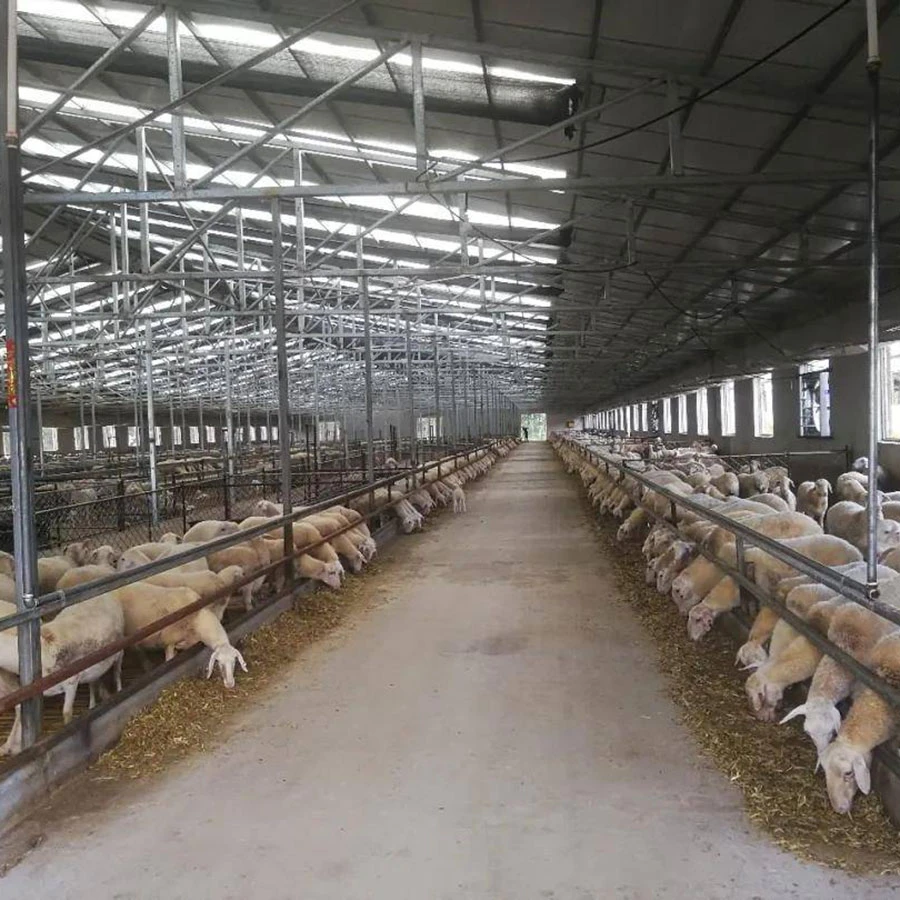
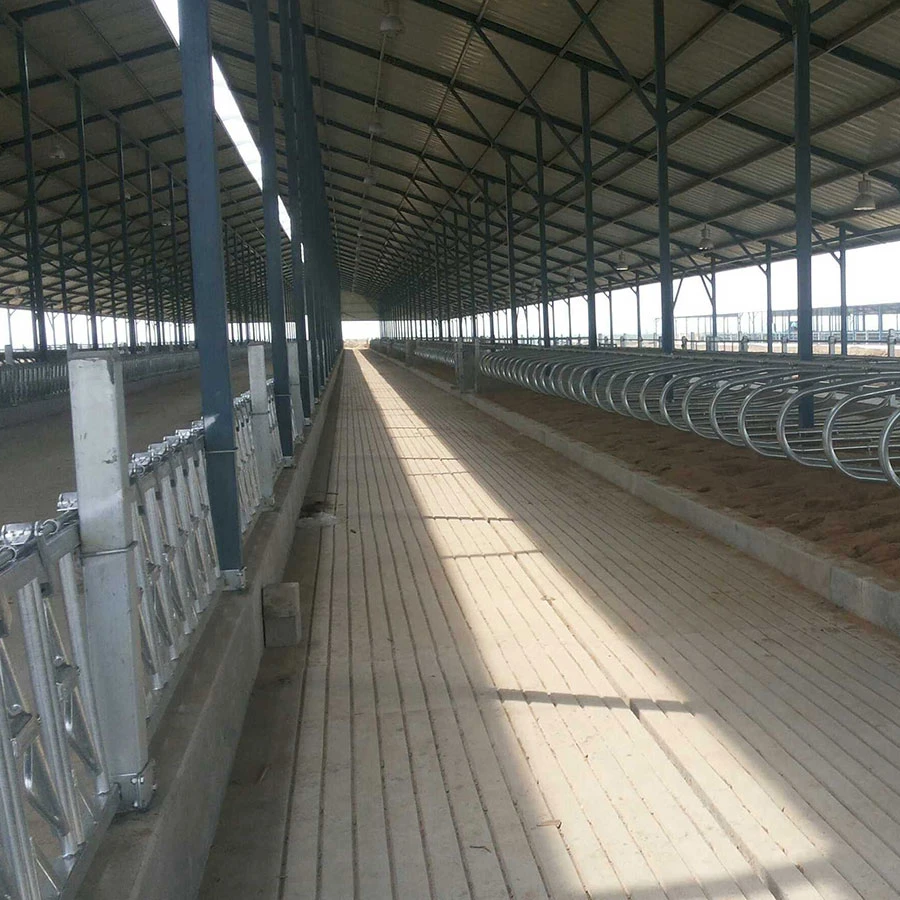
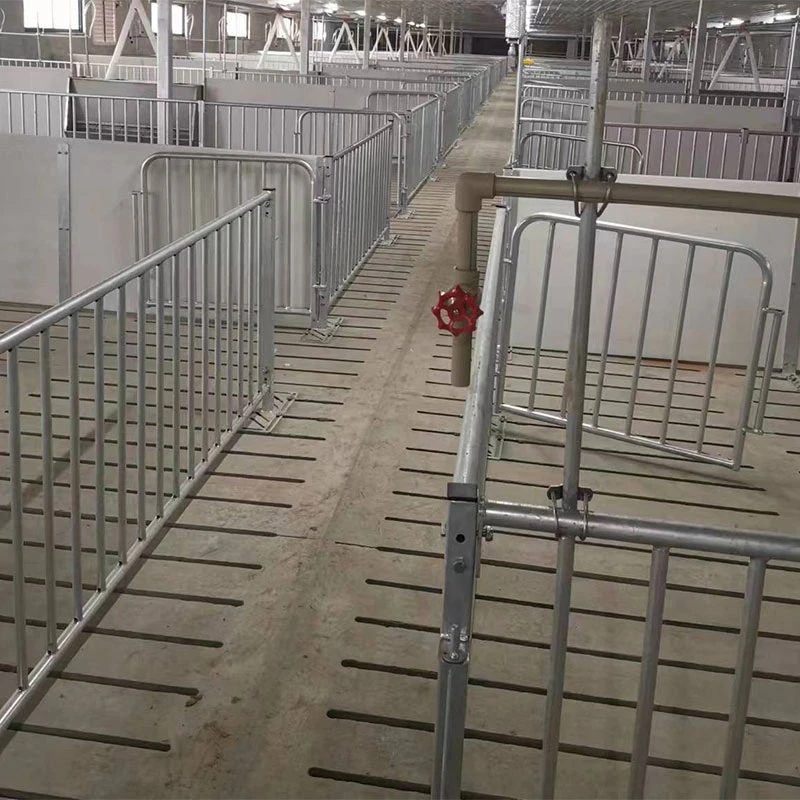
Pigs perform best when housed in well-ventilated, clean, and ideally climate-controlled facilities. Proper housing reduces stress, prevents illness, and boosts feed uptake.
Mini Takeaway:
Understanding these core components is essential for anyone looking to buy or raise feeder pigs effectively. It’s a mix of animal science, business sense, and a touch of farmyard intuition.
Where Feeder Pigs Fit Into the Global Picture
You’ll find feeder pigs for sale across regions — from smallholder farms scattered in Vietnam, Nigeria, and Peru, to massive pig production hubs in the U.S., EU, and China. In developing nations, feeder pigs often represent a direct path to protein self-sufficiency and economic upliftment for rural families.
Aside from commercial farming, feeder pigs pop up in disaster recovery efforts as a form of livelihood restoration — think post-hurricane zones in the Caribbean or drought-prone areas in Sub-Saharan Africa.
Industrial meat processors rely on feeder pigs to maintain steady supply chains, which is why they often partner with specialized suppliers or brokers listing feeder pigs for sale.
Quick Specs on Typical Feeder Pig Characteristics
| Characteristic | Typical Range/Value | Comments |
|---|---|---|
| Weight at Sale | 40-60 lbs (18-27 kg) | Ideal weaning completion point |
| Age | 6-8 weeks old | Post-weaning piglets |
| Feed Conversion Ratio | 2.5 to 3.0 | Feed needed per kg weight gain |
| Common Breeds | Yorkshire, Duroc, Landrace, Hampshire | Adapted to commercial conditions |
| Typical Price (Market Dependent) | $30 - $70 per head | Depends on region, demand, breed |
Comparing Feeder Pig Vendors: What to Look For
| Vendor | Health Certification | Delivery Options | Price Range | Customer Service |
|---|---|---|---|---|
| AgriPigs Ltd. | Full Vet Inspection | Nationwide Transport | $$$ | 24/7 Support |
| Local Swine Traders | Basic Health Records | Pick-up Only | $ | Office Hours Only |
| Premium Pig Solutions | Certified Disease-Free | Custom Delivery Plans | $$$$ | Dedicated Account Managers |
Advantages and Long-Term Value of Buying Feeder Pigs
- Cost-Effectiveness: Buying feeder pigs instead of breeding from piglets saves time and upfront investments.
- Sustainable Growth: Enables more efficient land and feed use per pound of meat produced.
- Enhanced Animal Welfare: Care protocols at sale points mean healthier pigs on arrival.
- Social Impact: Many smallholders rely on feeder pigs for income and food security.
Frankly, the emotional peace of knowing you’re starting your pig operation with healthy, robust feeder pigs is hard to overstate. There’s a trust factor — in the vendor, in the animals, and ultimately your market.
Emerging Trends That Will Change Feeder Pig Markets
Automation and digital tracking are being woven into livestock management, with sensors monitoring pig health in real time. Genetic editing tools promise future animals with better disease resistance and feed efficiency — though these will bring debates, too. Sustainability also drives innovations in feed ingredients, focusing on reducing the environmental footprint.
Challenges & How to Navigate Them
Disease outbreaks remain one of the toughest hurdles. African Swine Fever, for example, has repeatedly devastated parts of Asia and Europe. The best approach involves integrated biosecurity practices, vigilant health monitoring, and sourcing only from certified suppliers — which loops back to why a trusted vendor is so vital.
Frequently Asked Questions About Feeder Pigs for Sale
Q1: What should I look for before buying feeder pigs?
A1: Check health certifications, breed suitability, and vendor reputation. Also consider logistics: transport timing and biosecurity measures. Healthy pigs with documented vaccinations and genetic robustness are essential for success.
Q2: How much feed will feeder pigs typically consume before market weight?
A2: Usually, feeder pigs consume roughly 2.5 to 3 times their weight in feed to reach market size. Feed quality and formulation also heavily influence consumption and growth speed.
Q3: Is it better to buy feeder pigs locally or import them?
A3: Local purchases reduce transport stress and biosecurity risks but might limit breed options. Importing allows access to specialized genetics but raises cost and quarantine considerations.
Q4: How do I reduce mortality during the feeder pig growth phase?
A4: Invest in good housing, maintain strict hygiene, and ensure balanced feeding. Stress reduction during transport and gradual acclimation to new environments also help keep mortality low.
Q5: Can feeder pigs be part of sustainable farming systems?
A5: Absolutely; integrated approaches mixing crops and livestock optimize nutrient cycling and land use, improving sustainability. Selecting feeder pigs adapted to local conditions enhances this further.
Final Thoughts
Understanding the nuances of feeder pigs for sale not only improves farming outcomes but strengthens food security and farmer livelihoods worldwide. Whether you’re a new farmer scouting options or an established operation refining supply chains, this knowledge pays off.
Next time you’re considering feeder pigs, remember it’s not just about buying animals — it’s investing in growth, sustainability, and the future of meat production. For more detailed listings and expert advice, be sure to visit https://www.cxlivestock.com and explore the options tailored to your needs.
References
Post time: Dec . 02, 2025