What Exactly Is Farrowing Pens Design—and Why Should You Care?
Farrowing pens design might not be a phrase that pops up in everyday chatter, but ask anyone involved in pig farming or animal welfare, and you’ll quickly discover its hefty significance. In simple terms, farrowing pens are specialized enclosures designed to house sows (mother pigs) and their newborn piglets during the critical farrowing period—the time around giving birth. The way these pens are designed can drastically impact not only piglet survival rates but also the wellbeing of the sow, farm efficiency, and even global food sustainability.
From a global perspective, as demand for pork steadily rises—reaching an estimated 120 million metric tons worldwide annually according to the Food and Agriculture Organization (FAO)—efficient and humane farrowing pen designs have become absolutely crucial. They marry animal welfare concerns with the agricultural sector’s economic realities. Frankly, the right design does a world of good: reducing piglet mortality, improving sow comfort, and cutting costs on unnecessary feed or veterinary interventions.
Mini takeaway: Farrowing pens design is more than just "fancy pig stalls" — it’s a critical junction of welfare, economics, and sustainability influencing global pork production.
farrowing pens design is a hot topic, and here’s a bit more on why industries and governments worldwide are keen to optimize it.Setting the Stage: How Farrowing Pens Design Fits Into the Global Industry Puzzle
The world’s pork industry generates hundreds of billions annually. But with growing urbanization and environmental pressures, how to house sows safely and efficiently is a challenge facing all levels—from small backyard farms in Southeast Asia to mega-production facilities in Europe or North America.
UN data suggests that improving animal housing conditions reduces disease outbreaks by up to 30%, highlighting a practical reason for optimized pen designs. Plus, with ISO standards evolving around livestock welfare and hygiene, producing pens that meet these criteria isn’t just good ethics; it’s essential compliance.
However, there's a catch: Many farms, especially in developing regions, still use outdated or makeshift pens that cause high piglet mortality rates (sometimes up to 20%). Farrowing pens design directly addresses this pain point by delivering safer, more controlled environments tailored to both sow and piglet needs.
Mini takeaway: The global pork market’s growth depends on smarter, safer housing solutions, making farrowing pens design a key industry focus.
What is Farrowing Pens Design? A Friendly Definition
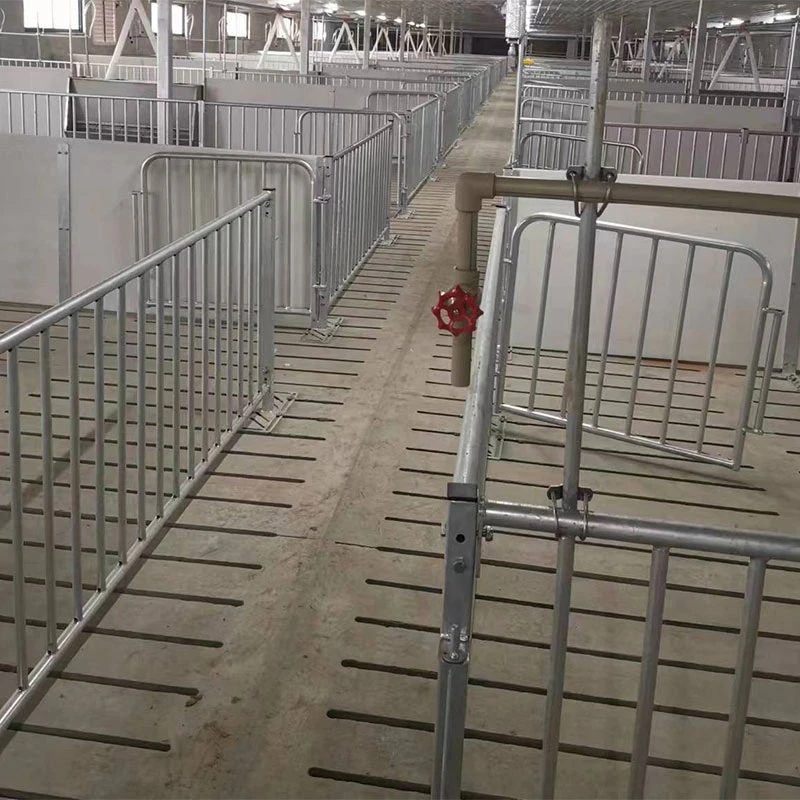
Think of farrowing pens as carefully arranged furniture for a sow giving birth and raising her piglets. Farrowing pens design involves the planning and crafting of these enclosures to balance space, safety, hygiene, temperature control, and accessibility for farm workers.
It's a blend of agriculture, veterinary science, and even a bit of architecture. Good designs consider: How much floor area does a sow need? How to prevent piglet crushing? What materials balance longevity with cleanliness? It’s totally a problem of “form follows function.” Farrowing pens also tie into humanitarian needs in disaster or poverty-stricken areas where livestock is a critical food source or income method.
Core Components of Effective Farrowing Pens Design
1. Safety for Piglets and Sow
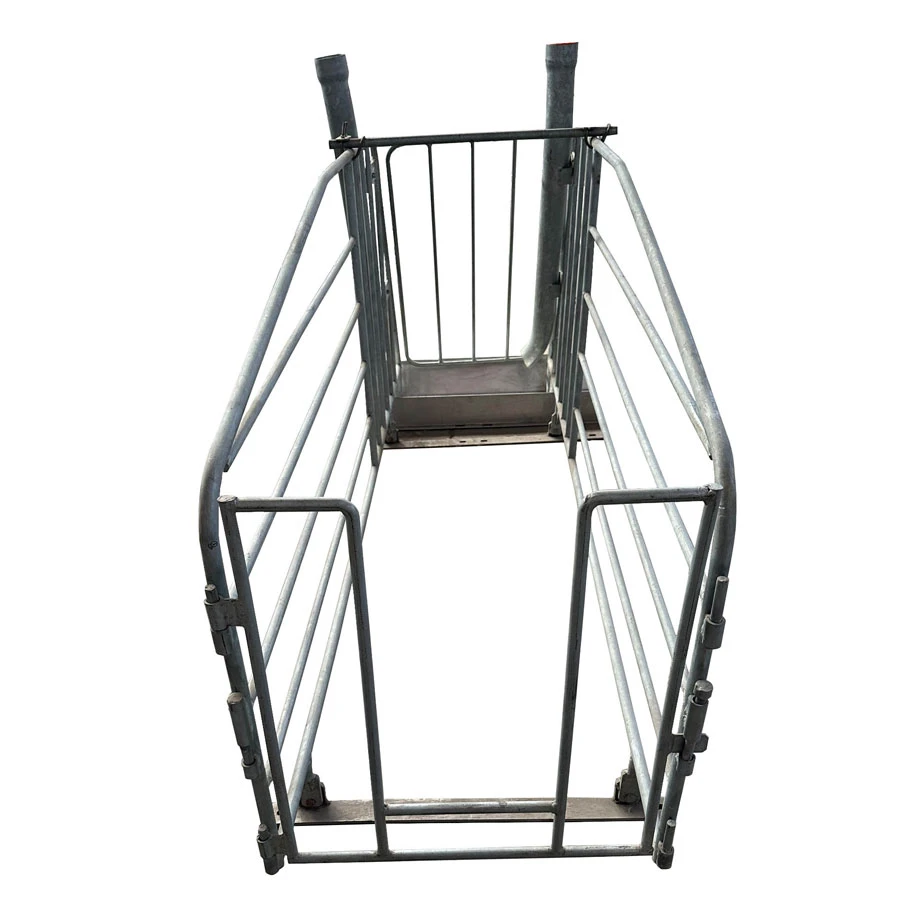
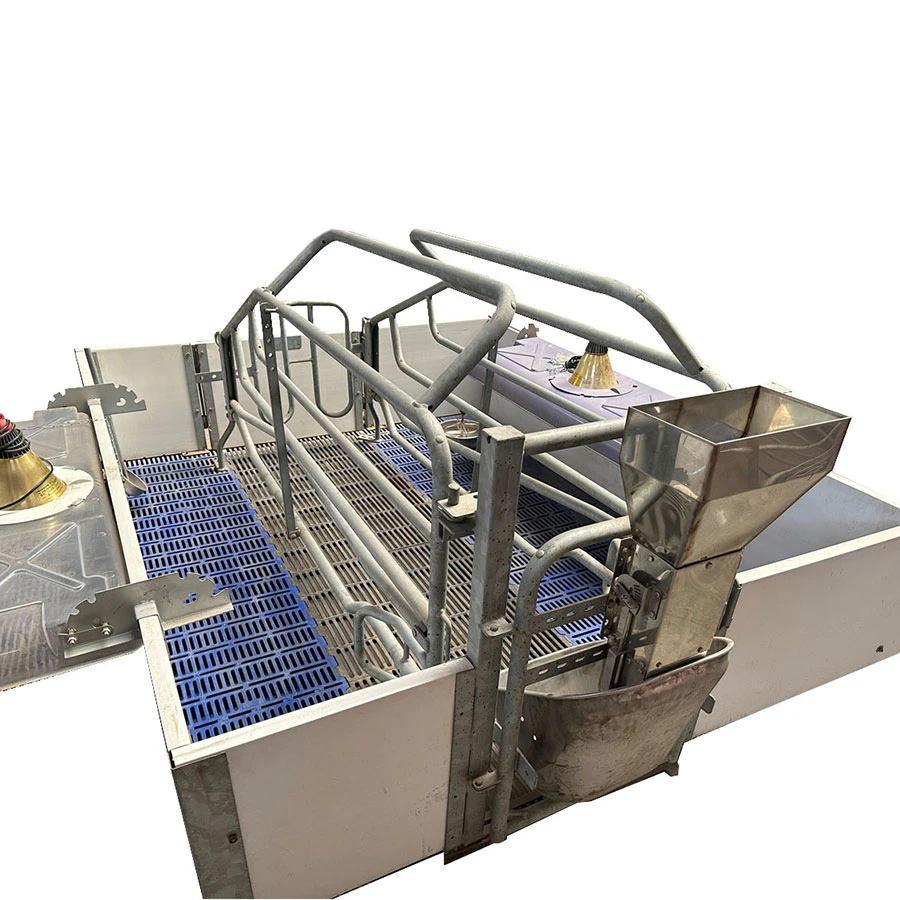
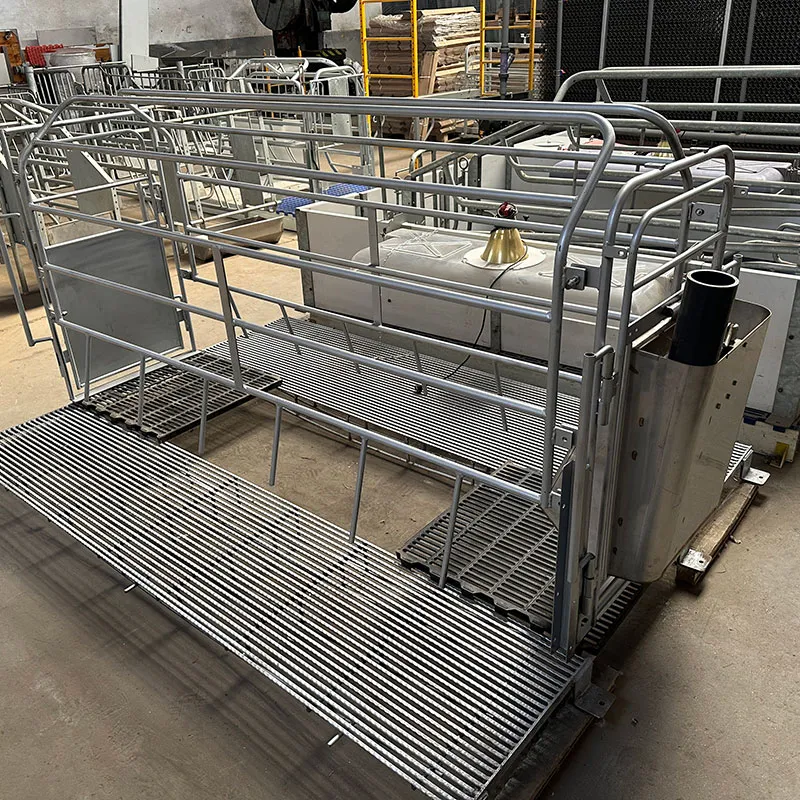
The biggest issue in farrowing is piglet crushing — that’s when sows accidentally smother their piglets by rolling over. Quality pen designs incorporate features like anti-crush bars or guard rails to reduce this risk.
2. Thermal Comfort
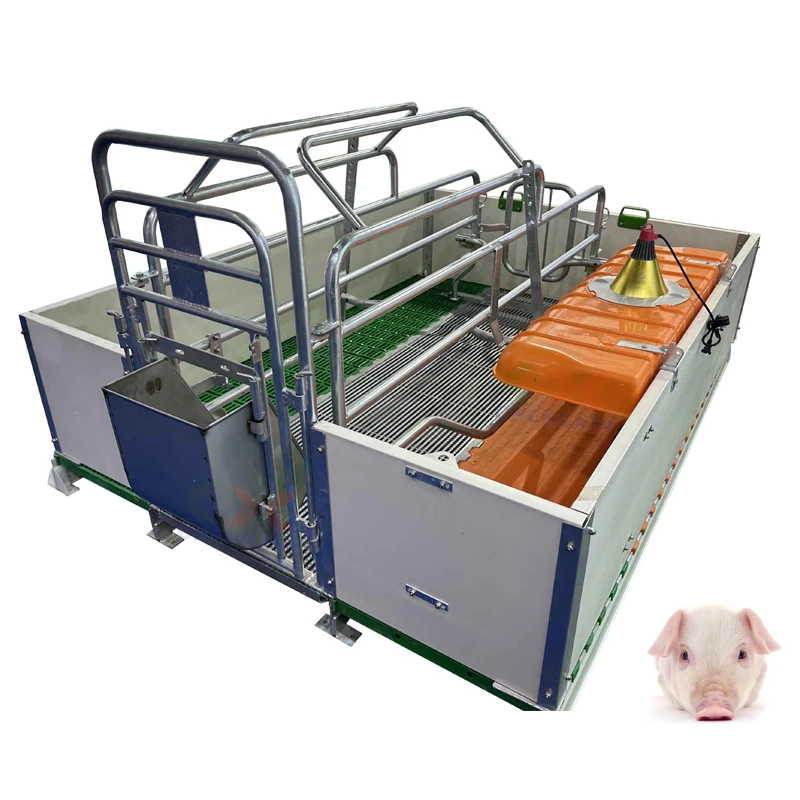
Newborn piglets need warmth to survive—often about 30-32°C—while sows prefer cooler. Pens with separate heated creep areas for piglets and cooler zones for sows prevent stress and sickness.
3. Hygiene and Ease of Cleaning
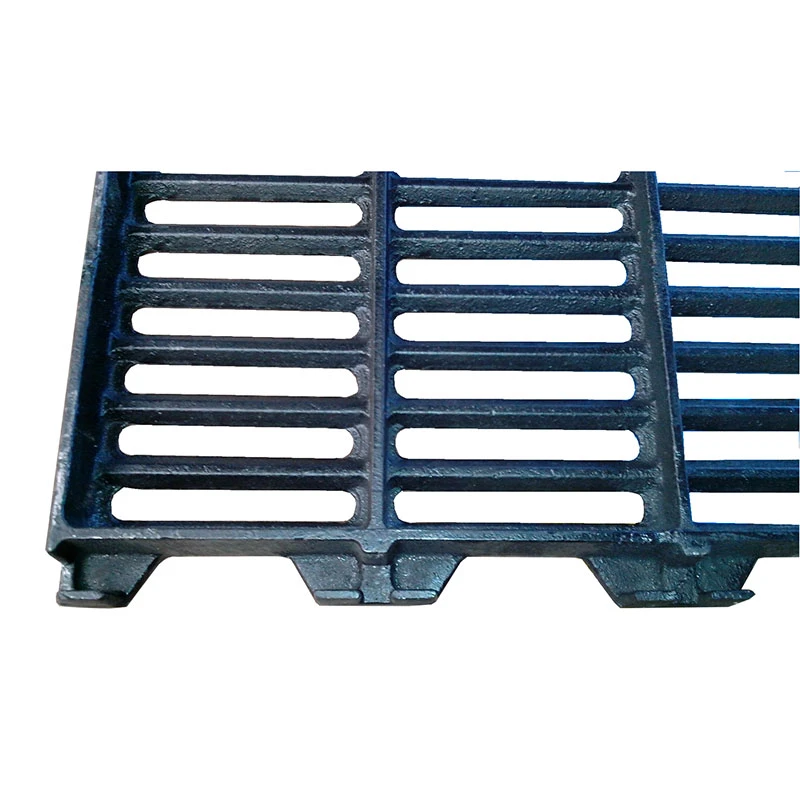
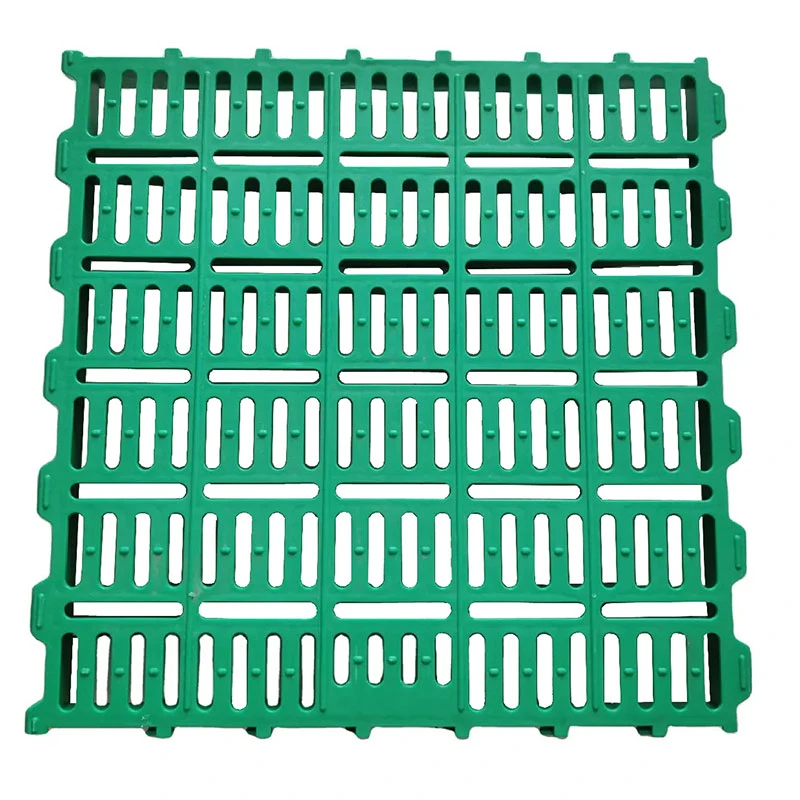
Proper drainage, non-porous materials, and smooth surfaces are critical to keep bacteria low. This reduces disease outbreaks that impact both piglets and overall farm productivity.
4. Material Durability and Cost-Efficiency
Since farms vary greatly in resources, designs need to balance durability (to last multiple cycles) with affordable materials—sometimes steel mesh, sometimes coated plywood or treated plastics do the job.
5. Scalability & Modularity
Modern designs often focus on modular units that can be quickly assembled, expanded, or relocated—very handy for seasonal or smallholder farms adapting to changing demands.
6. Worker Accessibility & Welfare
Easily accessible pens make sow monitoring and piglet care less stressful, lowering labor time and improving overall farm efficiency. Ergonomics matter for the humans here too.
Mini takeaway: Safety, comfort, hygiene, and economy are the pillars of thoughtful farrowing pens design—all working in concert.
How Farrowing Pens Design Works Around the World
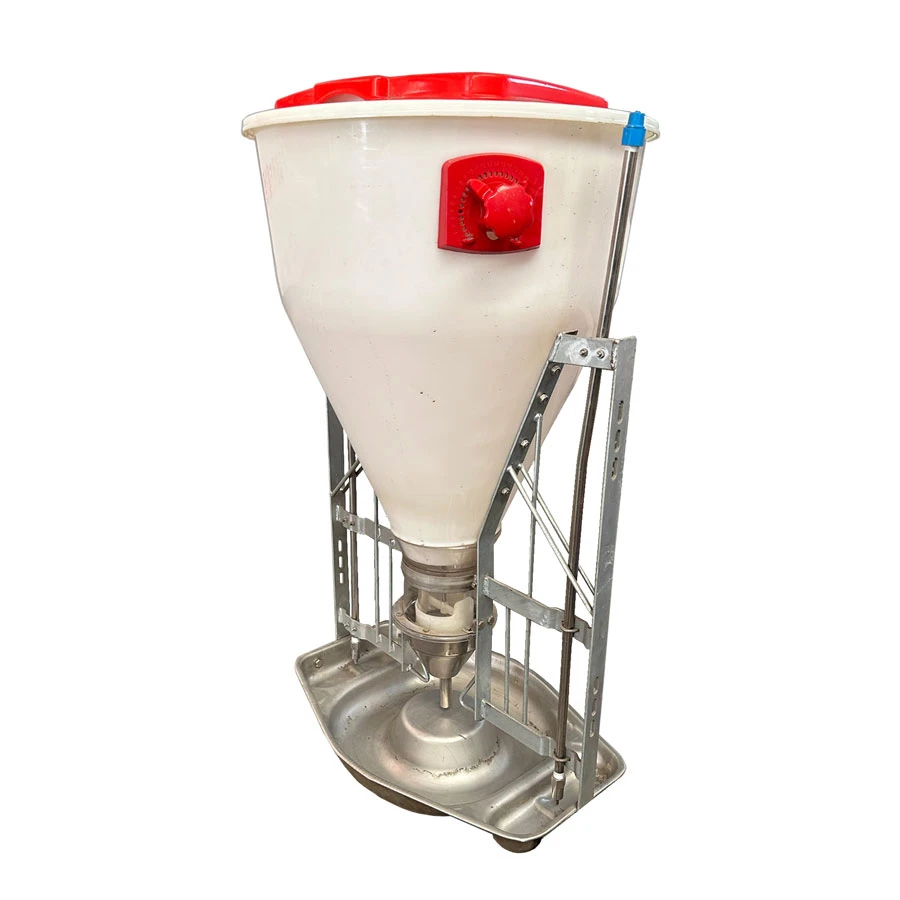
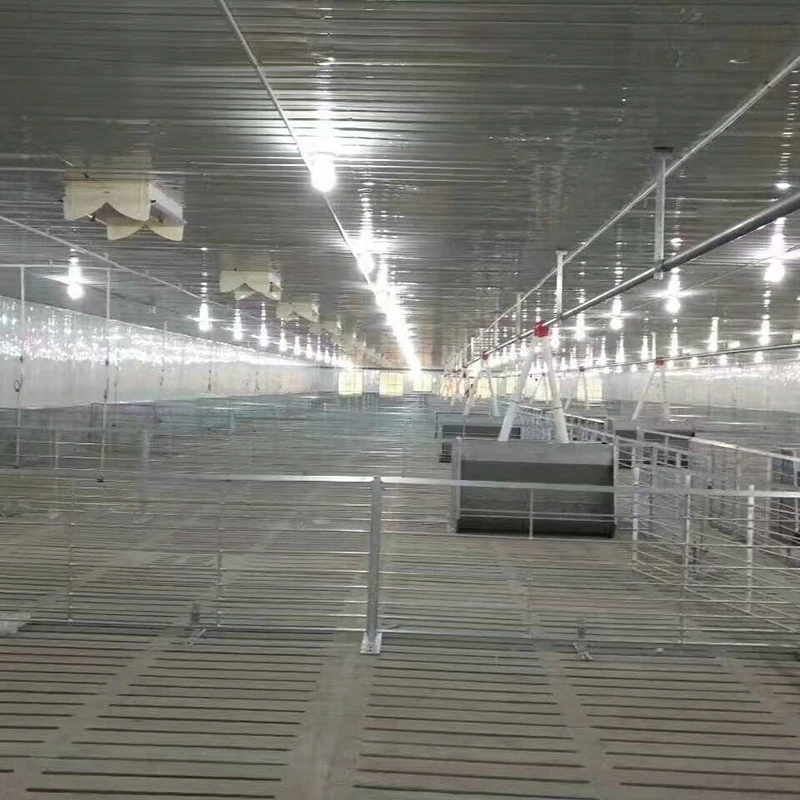
In commercial hog production hubs like Denmark or the US Midwest, farrowing pens often integrate automated feeding, temperature control, and robust anti-crush systems that reflect decades of research. Meanwhile, NGOs operating in sub-Saharan Africa might champion simpler, low-cost modular designs to help small farmers build safer, disease-resistant pig shelters that improve livelihoods.
For instance, in post-disaster regions like flood-affected parts of Southeast Asia, quick-to-install farrowing pens help farmers restart pork production—which is critical to food security and economic recovery.
Similarly, remote industrial zones—for example, mining operations in Australia—use disposable or reusable farrowing pens in controlled livestock units, benefitting from design advances like lightweight, insulated panels for easy relocation.
Advantages Beyond the Obvious
- Economic benefits: Lower piglet mortality means more market-ready piglets and fewer veterinary bills.
- Animal welfare: Reduced stress and injuries promote better growth and reproductive success.
- Environmental impact: Hygienic pens help contain waste, minimizing contamination risks related to soil and water.
- Human benefits: Safer conditions mean less labor stress, higher job satisfaction, and a boost to rural economies.
Ultimately, a thoughtfully designed farrowing pen is a trust-building tool between farmer, animal, and environment—there’s something deeply satisfying about that harmony.
Looking Ahead: Future Trends in Farrowing Pens Design
Innovation isn’t standing still. We’re seeing exciting trends such as:
- Smart pens: Sensors monitoring temperature, sow movement, and piglet health allow real-time alerts.
- Sustainable materials: Biodegradable composites and recycled plastics replacing steel and concrete.
- Automation: Robotic cleaning and feeding systems improve hygiene and reduce labor.
- Energy-efficient designs: Incorporation of solar-powered heating zones decreases energy costs and environmental footprint.
Some companies are experimenting with modular, foldable pens made of composite fabrics, promising super-fast setup times for emergency farming scenarios.
Common Challenges and How to Tackle Them
Despite the gains, challenges remain:
- Cost barriers: Advanced pens sometimes seem cost-prohibitive for small farmers. Grants, subsidies, or cooperative buying can help bridge this.
- Maintenance: Pens require regular upkeep to maintain hygiene and functionality—neglected pens turn into disease hotbeds.
- Cultural resistance: Some traditional farms resist change. Education and demonstration farms can slowly shift perceptions.
- Regulatory hurdles: Inconsistent animal welfare regulations can complicate standardization.
Experts increasingly advocate for flexible designs customizable to local needs and resources, plus integration of digital tools for farmer training.
Frequently Asked Questions About Farrowing Pens Design
Q1: How does farrowing pens design prevent piglet crushing?
A1: Good designs incorporate anti-crush bars or rails positioned low to the ground so the sow can lie down safely without rolling onto piglets. Separate piglet creep areas with warmth also encourage newborns to keep away from the sow’s heavier body.
Q2: What materials are best for farrowing pens?
A2: Durable yet hygienic materials like galvanized steel, coated plywood, or treated plastic composites are common. The choice depends on climate, budget, and need for easy cleaning.
Q3: Can farrowing pens be modular and portable?
A3: Absolutely. Modular pens designed for quick assembly and relocation help small or seasonal farms adapt to changing herd sizes or environments.
Q4: Are automated farrowing pens worth the investment?
A4: For large-scale operations, yes. Automation can reduce labor, improve monitoring, and raise piglet survival rates, often paying off the initial cost over cycles.
Q5: How can smallholders in developing countries access good farrowing pens?
A5: NGOs and government programs often subsidize kits or training. Additionally, locally sourced materials combined with proven designs can be implemented cost-effectively.
Product Specification Table: Standard Farrowing Pen Features
| Feature | Specification | Benefit |
|---|---|---|
| Dimensions | 2.1 m x 1.5 m (typical size per sow) | Adequate space for sow comfort and piglet movement |
| Material | Galvanized steel frame + plastic-coated flooring | Durable, easy to clean, rust-resistant |
| Heating System | Electric heated creep area with thermostat | Maintains optimal piglet temperature (30-32°C) |
| Safety Features | Anti-crush rails and adjustable bars | Protect piglets, reduce crushing risk |
| Drainage System | Sloped floors with drainage channels | Maintains hygiene, prevents water pooling |
| Modularity | Interlocking panels for flexible sizing | Easy expansion and transportability |
Comparing Top Farrowing Pen Vendors
| Vendor | Material | Price Range | Unique Feature | Suitable For |
|---|---|---|---|---|
| AgroSafe Pens | Galvanized steel + HDPE | $$$ | Integrated heating & remote monitoring | Large commercial farms |
| EcoPig Solutions | Recycled wood + Plastic composites | $$ | Eco-friendly materials, easy assembly | Mid-size organic farms |
| ModuPig Kits | Lightweight composite fabric & metal frames | $ | Foldable, portable, quick setup | Smallholders & emergency use |
Wrapping It Up: Why Farrowing Pens Design Matters for the Long Haul
In the end, farrowing pens design sits at a fascinating intersection of agriculture, technology, and ethics. It reflects how we treat the animals helping feed billions and supports farming communities striving to boost productivity while caring for their herds humanely. Whether you’re a small-scale farmer or a large pork producer, investing in the right pen design leads to healthier piglets, more comfortable sows, and stronger businesses.
Curious to learn more about improving or choosing your farrowing pens? Visit https://www.cxlivestock.com for detailed guides, expert advice, and product options tailored for your needs.
Mini takeaway: The future of pork farming is bright — and it starts with well-designed farrowing pens.
References:
- Food and Agriculture Organization of the United Nations (FAO), “World pork production statistics,” 2023.
- International Organization for Standardization (ISO), “ISO 3678: Livestock housing standards,” 2022.
- United Nations Environment Programme, “Livestock and environmental sustainability,” 2021.
Post time: Dec . 02, 2025