Understanding the Equipment Needed to Start a Cattle Farm: Why It Matters Globally
Starting a cattle farm is a venture that reaches beyond just raising animals — it’s about food security, rural development, and sustainable agriculture on a global scale. The equipment needed to start a cattle farm is a cornerstone of this process. Without the right tools, even the most experienced farmers can struggle to maintain animal health, optimize feed efficiency, or ensure safety. Given that cattle farming accounts for a significant percentage of global meat and dairy supply, understanding this equipment not only benefits individual farmers but also supports worldwide food supply chains and economic livelihood. For stakeholders anywhere from smallholders in Africa to commercial farms in the Americas, recognizing the essential gear helps unlock improved productivity and animal welfare. Let’s dive into what this means from a practical and global perspective.Global Context: Why the Right Cattle Farming Equipment is Crucial Today
According to the Food and Agriculture Organization (FAO), there are roughly 1 billion cattle worldwide, serving as vital assets for meat, milk, leather, and draft power. Yet, many farms especially in developing regions face challenges such as poor infrastructure, lack of mechanized tools, and inefficient feeding systems. This results in lower yields and animal stress. Globally, modernization of cattle farms is boosting yield and sustainability. The World Bank also highlights that investments in rural farm equipment correlate positively with food security and poverty reduction. Clearly, the equipment needed to start a cattle farm plays a pivotal role in addressing these hurdles — by enabling better feeding strategies, health monitoring, and facility management. Oddly enough, even small-scale farms benefit enormously from seemingly “basic” equipment — fencing, water troughs, or proper handling facilities can change the game entirely.Mini takeaway:
Upgrading cattle farm equipment is not just a technical move; it’s a global necessity tied to food security and economic growth.
What Does “Equipment Needed to Start a Cattle Farm” Actually Mean?
In simple terms, this phrase refers to the collection of tools, machines, and infrastructure essential for raising and managing cattle efficiently. It ranges from physical items like feeders and fencing to mechanized aids such as tractors or automated waterers. The goal? To create an environment that maximizes productivity while minimizing stress on animals and farmers alike. This equipment has ties not only to conventional farming but also humanitarian goals — for example, post-disaster recovery programs often prioritize quick deployment of cattle shelters or feeding systems to secure livelihoods.Mini takeaway:
The right equipment blends traditional farming needs with modern technology, addressing welfare, efficiency, and resilience.
Core Components of Essential Cattle Farming Equipment
1. Durable Fencing and Animal Housing
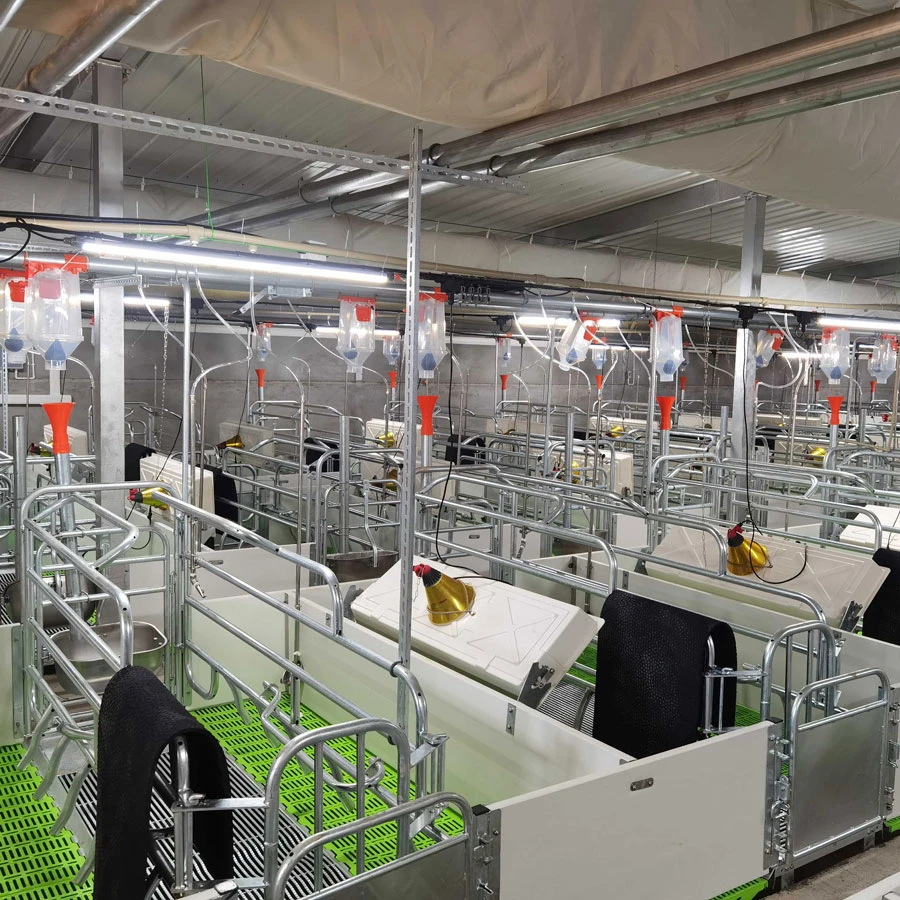
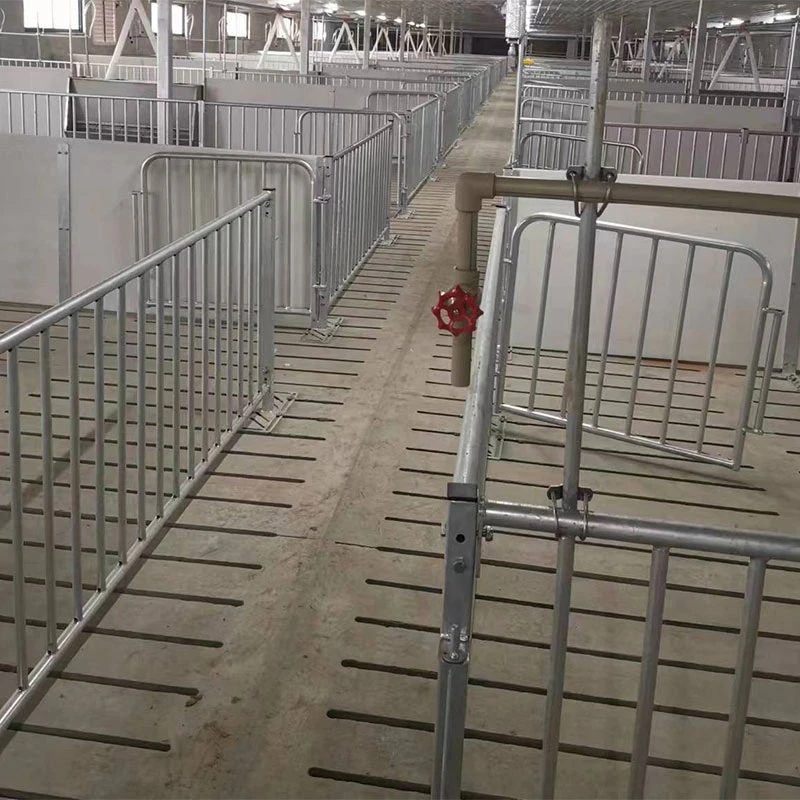
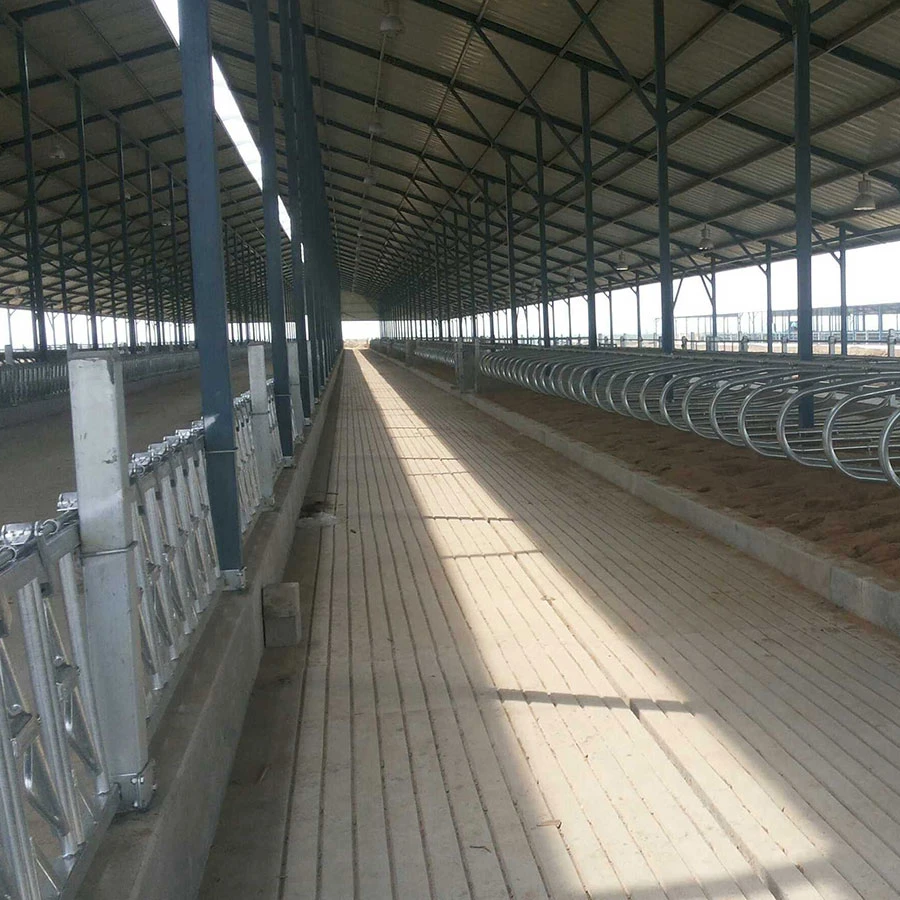
Strong fences and well-designed cattle sheds protect animals from predators and harsh weather. Materials like galvanized steel or treated wood ensure longevity and safety.2. Feeding and Watering Systems
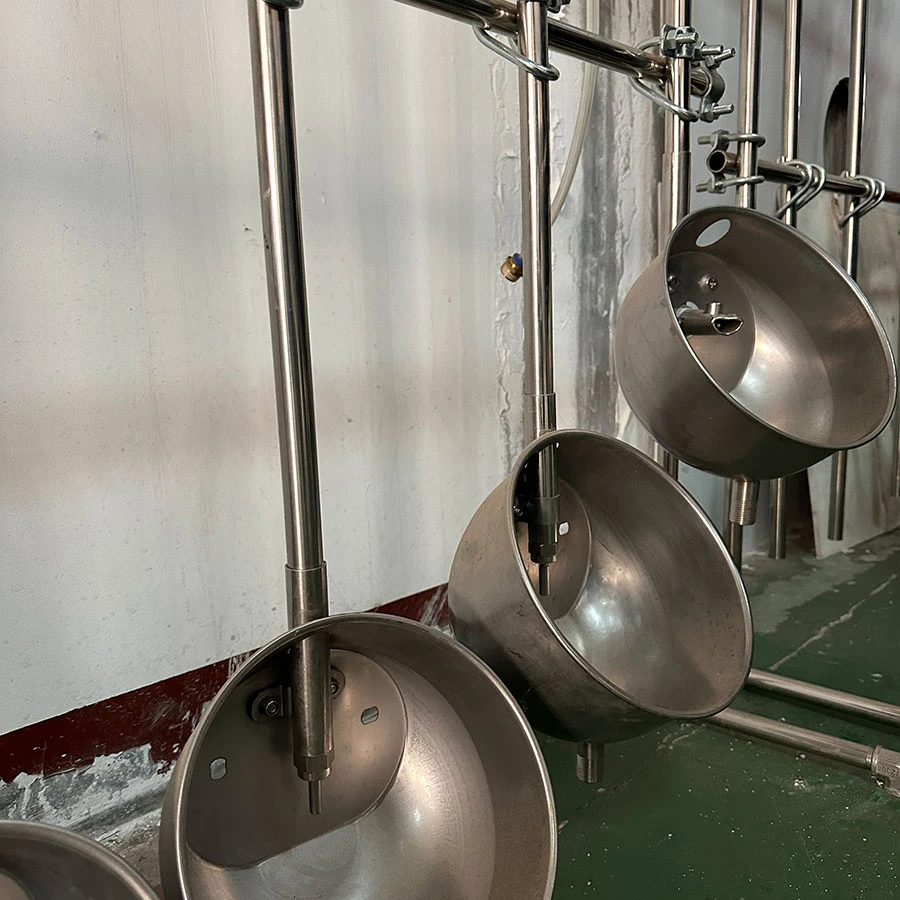
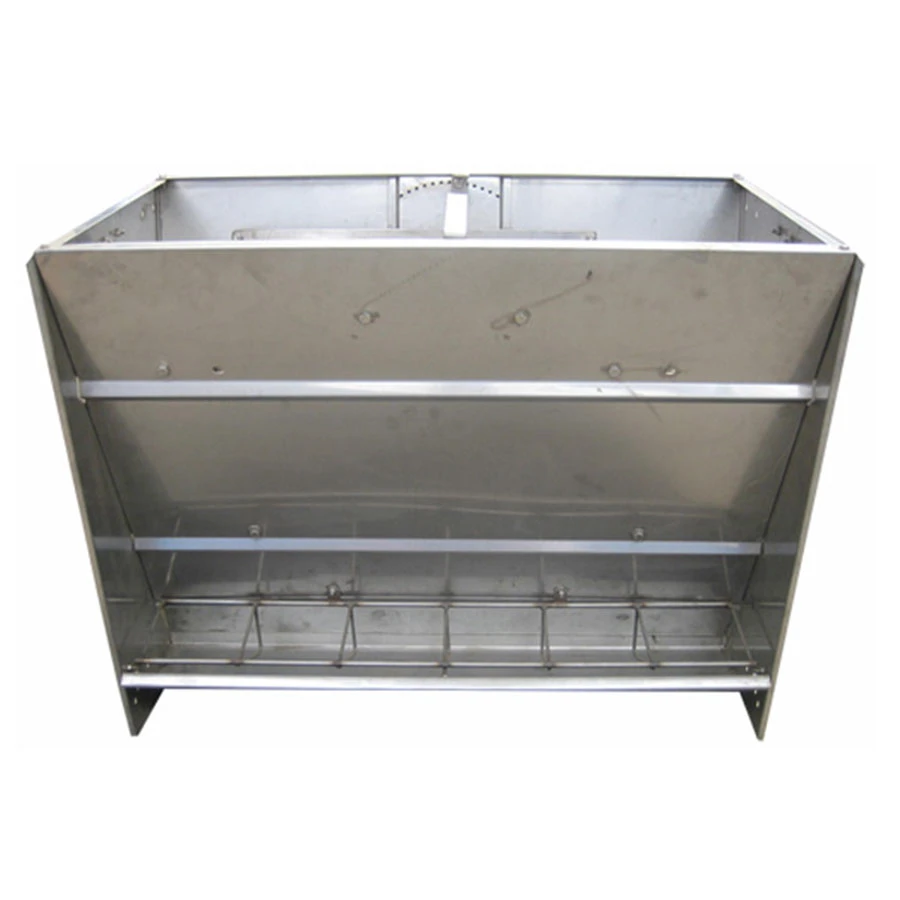
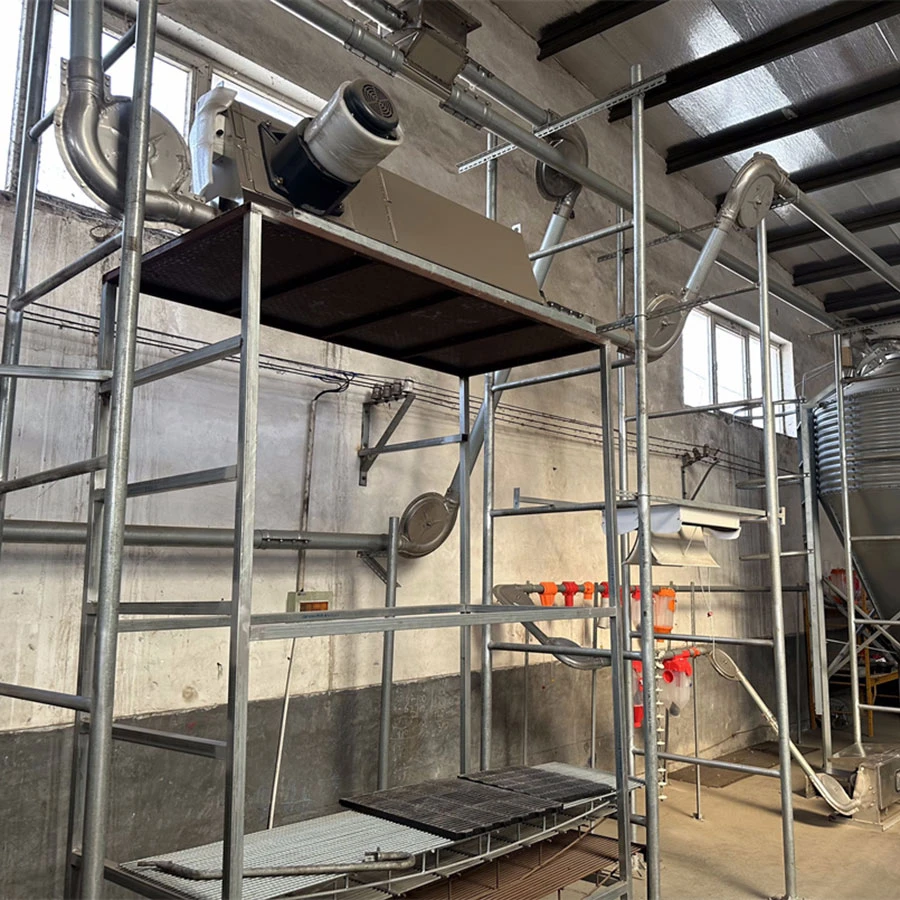
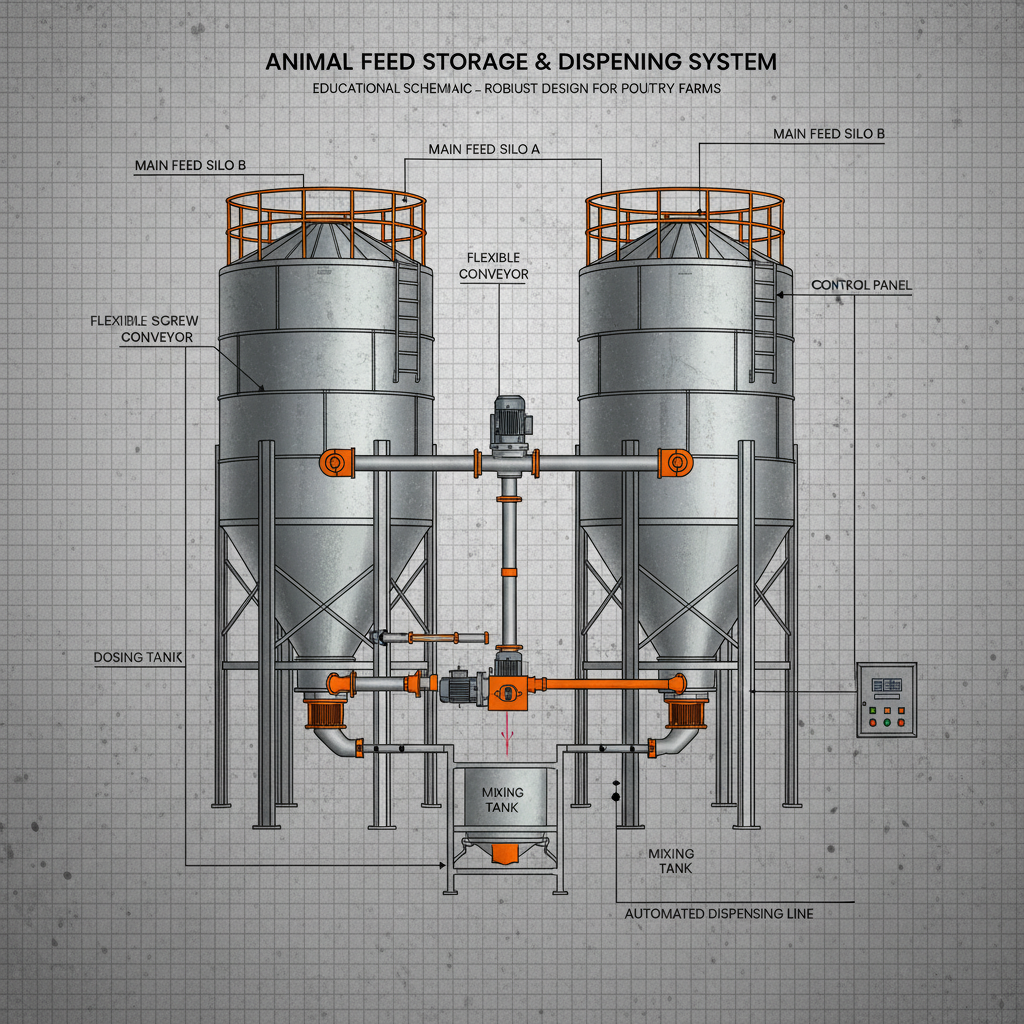
From adjustable feeders to automatic waterers, these systems reduce wastage and promote consistent nutrition — absolutely crucial for growth and milk production.3. Handling and Restraint Equipment
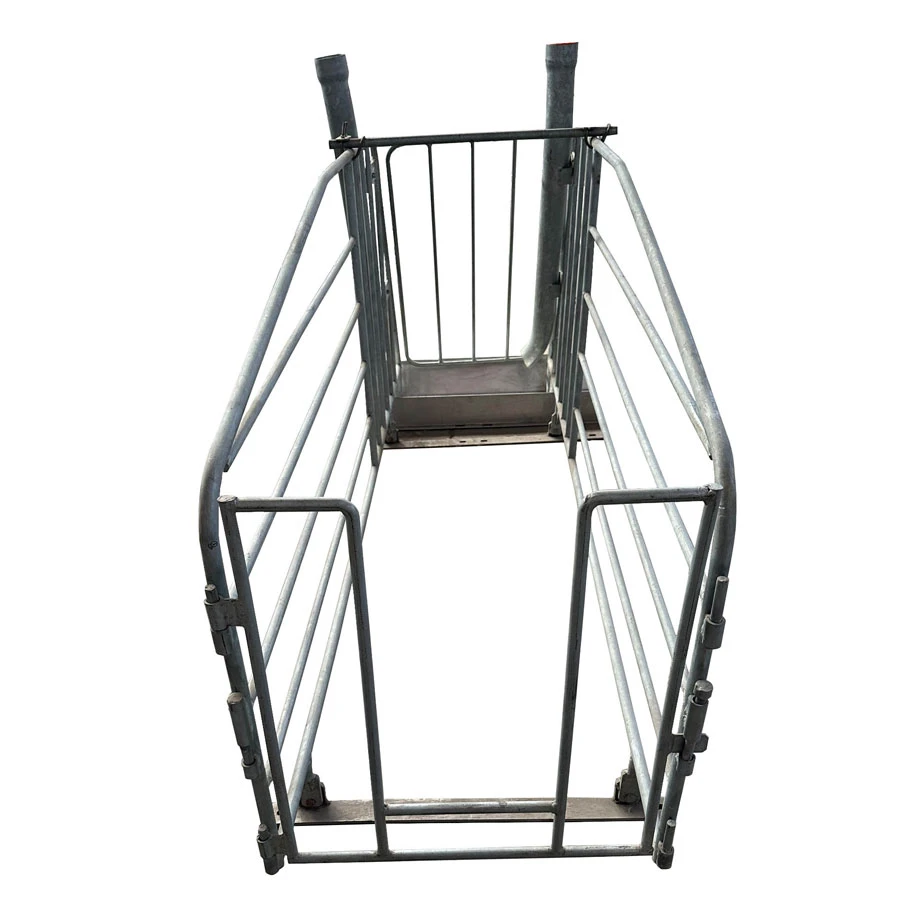
Chutes, head gates, and squeeze crushes help with vaccinations, health checks, and breeding programs, all while ensuring safety for handlers and cattle.4. Machinery for Land Preparation
Tractors, plows, and seeders enable pasture management and feed crop growing, which are fundamental for a self-sustaining farm.5. Health Monitoring Tools
Basic veterinary kits and digital devices for temperature and movement monitoring are becoming increasingly common, supporting early disease detection.6. Waste Management Equipment
Composters or manure spreaders help maintain hygiene and turn waste into fertilizer, closing the nutrient loop.Mini takeaway:
Picking equipment isn’t random — it responds to practical needs that impact the daily rhythm of farm life and long-term success.
Equipment in Action: Real-World Applications Around the World
In South America, large ranches integrate automated feeding systems that adapt to each animal’s nutritional needs, improving milk yield. In sub-Saharan Africa, rugged mobile fencing enables nomadic herders to manage cattle migration paths safely. Meanwhile, in North America and Europe, sensor-driven health monitors are saving countless animals by predicting illness before symptoms show. Also, NGOs in post-disaster zones have successfully deployed temporary cattle housing and feeding units to preserve livestock assets — underlining the humanitarian importance.| Equipment | Material | Capacity / Size | Price Range (USD) | Key Benefit |
|---|---|---|---|---|
| Galvanized Steel Fence | Steel Wire Mesh | 100 meters | $200 - $350 | Long-lasting, predator-proof |
| Automated Waterer | Plastic & Stainless Steel | 50 liters | $450 - $600 | Consistent hydration with low labor |
| Feed Trough | Recycled Plastic | 2 meters long | $80 - $120 | Reduces feed waste |
| Cattle Handling Chute | Steel | For 5-6 head | $1,000 - $1,500 | Safe handling for vaccinations |
| Tractor | Metal & Engine Components | 50-70 HP | $8,000 - $15,000 | Land prep and feed crop management |
Weighing the Advantages: Why Proper Equipment Pays Off Long Term
The right equipment reduces stress on cattle, often an underestimated factor impacting growth and reproductive rates. Logically, this translates into better yields and healthier herds. Cost savings emerge from reduced labor needs and fewer veterinary bills. Plus, sustainably choosing materials and waste management tools contributes to ecological balance — something I think more farmers are appreciating these days. Socially, well-maintained farms build community trust and offer safer workplaces. There’s a dignity aspect here — treating animals and workers right, facilitated by the proper tools, uplifts those involved.Mini takeaway:
Investing in good equipment is not just practical economics — it touches on sustainability, safety, and social responsibility.
Future Trends Shaping Cattle Farming Equipment
Farmers and manufacturers alike are embracing digital transformation. IoT-enabled feeders and waterers that customize to animal needs are becoming mainstream. Solar-powered equipment is slashing energy dependencies. Automation — like robotic cleaning or feeding — is headed toward even small farms as costs fall. Materials science innovations mean more recyclable plastics and corrosion-resistant metals, making equipment lighter and more eco-friendly. Regulations are tightening around animal welfare and emissions, nudging the equipment industry to innovate responsibly.Overcoming Challenges: Practical Solutions for Equipment Barriers
Cost remains a hurdle, especially for small-scale farmers. Leasing equipment or community cooperatives provide partial solutions. Also, technology adoption requires training — many extension programs now emphasize hands-on learning. Durability issues in harsh climates call for regional customization. For example, rust-resistant coatings work well in humid tropics. Partnering with local manufacturers can cut costs and improve relevancy.Quick FAQ: Common Questions About Equipment Needed to Start a Cattle Farm
- 1. What basic equipment should I prioritize for a first-time cattle farmer?
- Start with durable fencing, feeding and watering systems, and a cattle handling chute. These cover animal safety, nutrition, and basic health management, forming the farm’s backbone.
- 2. How important is automated watering equipment?
- Automated waterers ensure a constant supply without daily labor, reduce contamination risk, and help maintain hydration levels critical for cattle health, especially in hot climates.
- 3. Can small farms benefit from investing in machinery like tractors?
- Yes, but it depends on scale and cash flow. Compact tractors improve productivity in pasture preparation and feed crop growing, increasing self-sufficiency and potentially offsetting costs over time.
- 4. Are there eco-friendly options for cattle farm equipment?
- Increasingly, yes. Solar-powered waterers, recyclable plastic feeders, and manure composters all contribute to a lower environmental footprint, aligning with sustainable agriculture goals.
- 5. What are the biggest mistakes when selecting equipment?
- Common errors include prioritizing upfront cost over durability, ignoring compatibility with local climate, or omitting basic handling safety equipment. A balanced approach saves money and stress.
Vendor Comparison: Popular Equipment Suppliers for New Cattle Farms
| Supplier | Product Range | Price Level | Specialty | Customer Support |
|---|---|---|---|---|
| AgriEquip Co. | Fencing, Feeders, Waterers | $$ | Durability-focused | 24/7 phone & online |
| FarmTech Solutions | Handling Chutes, Machinery | $$$ | High-tech equipment | On-site training available |
| GreenPastures | Eco-friendly feeders & waterers | $$$ | Sustainability-certified | Email support + guides |
| LocalFarm Hardware | Basic cattle equipment | $ | Budget-friendly options | In-store assistance |
Final Thoughts and Next Steps
Properly selecting the equipment needed to start a cattle farm is a journey worth investing in — from securing animal well-being to improving profitability and social impact. As technologies evolve and global agricultural demands grow, farmers better equipped today will be the ones thriving tomorrow. For those eager to explore tailored equipment solutions and expert advice, visit our hub at https://www.cxlivestock.com. Getting started well-informed makes all the difference, trust me.References
Post time: Nov . 25, 2025