Industry Trends in Automated Livestock Feeding
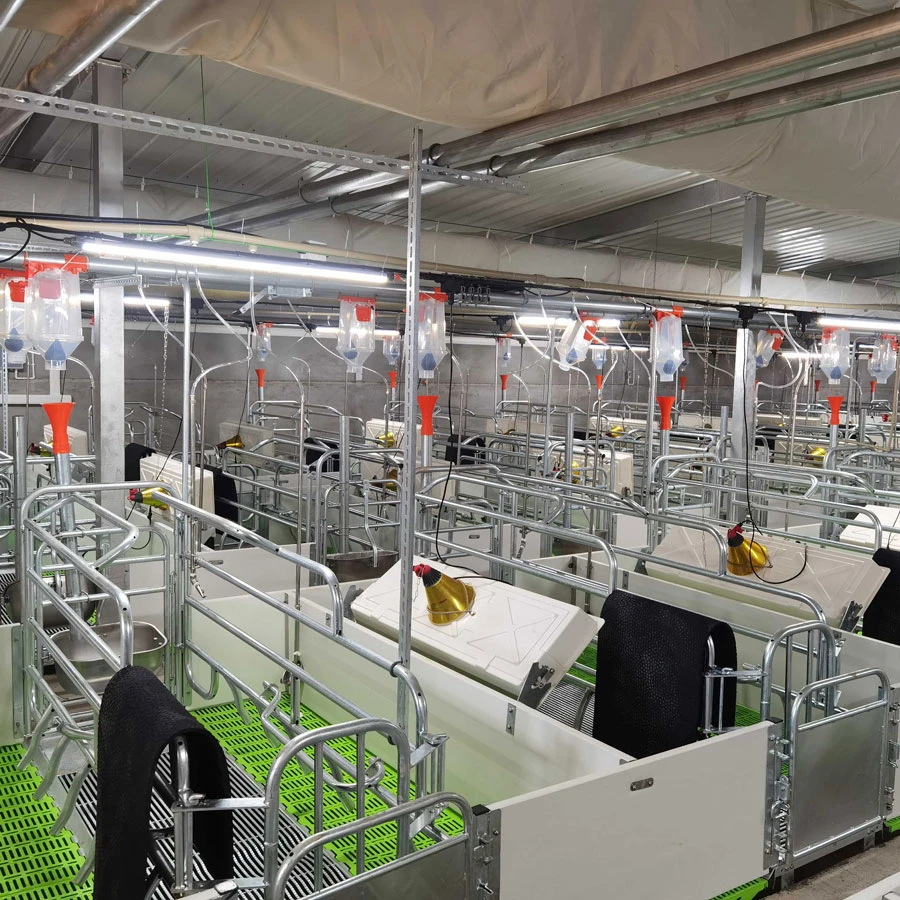
The global livestock industry is undergoing a significant transformation, driven by demands for increased efficiency, reduced labor costs, and improved animal welfare. At the forefront of this evolution is the widespread adoption of automatic animal feeding system technology. This shift is not merely about mechanization but involves sophisticated integration of sensors, data analytics, and automation to optimize feed delivery and consumption.
Current trends indicate a move towards highly customizable and modular feeding solutions. Farmers are seeking systems that can cater to various animal types, growth stages, and dietary requirements, ensuring precise nutrient delivery and minimizing feed waste. The integration of IoT (Internet of Things) devices allows for real-time monitoring of feed levels, consumption rates, and animal health metrics, providing invaluable data for informed decision-making. Furthermore, there's a growing emphasis on hygiene and biosecurity, leading to innovations in materials and designs that are easy to clean and resistant to microbial contamination.
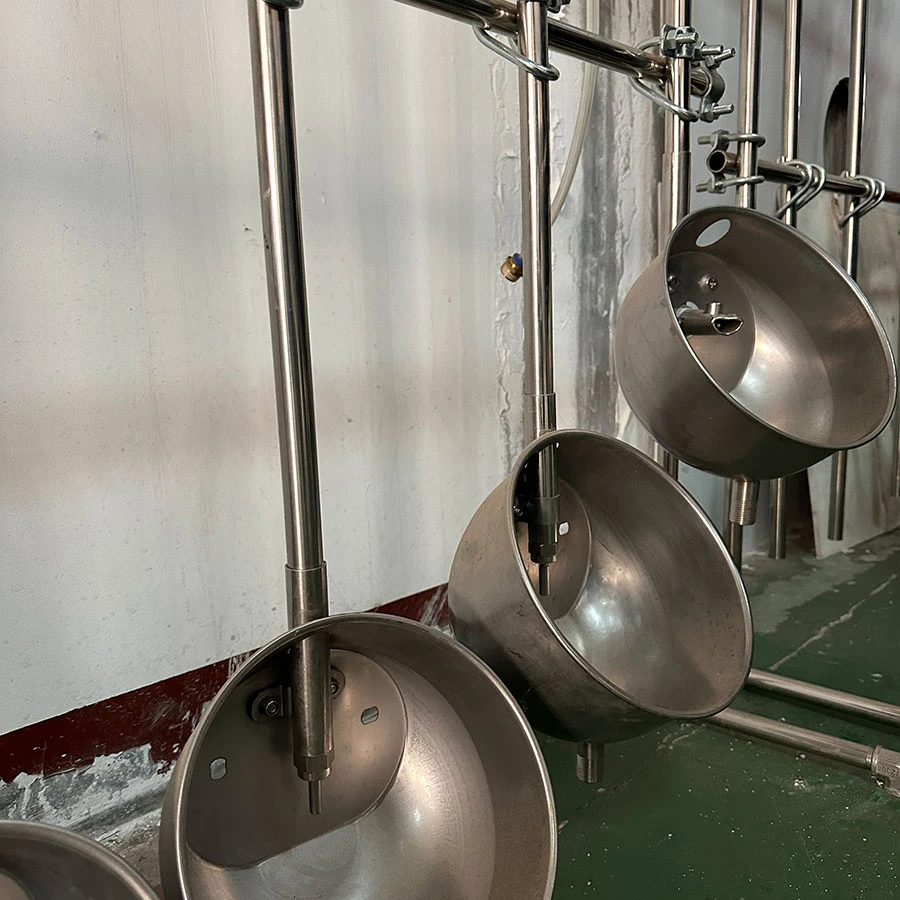
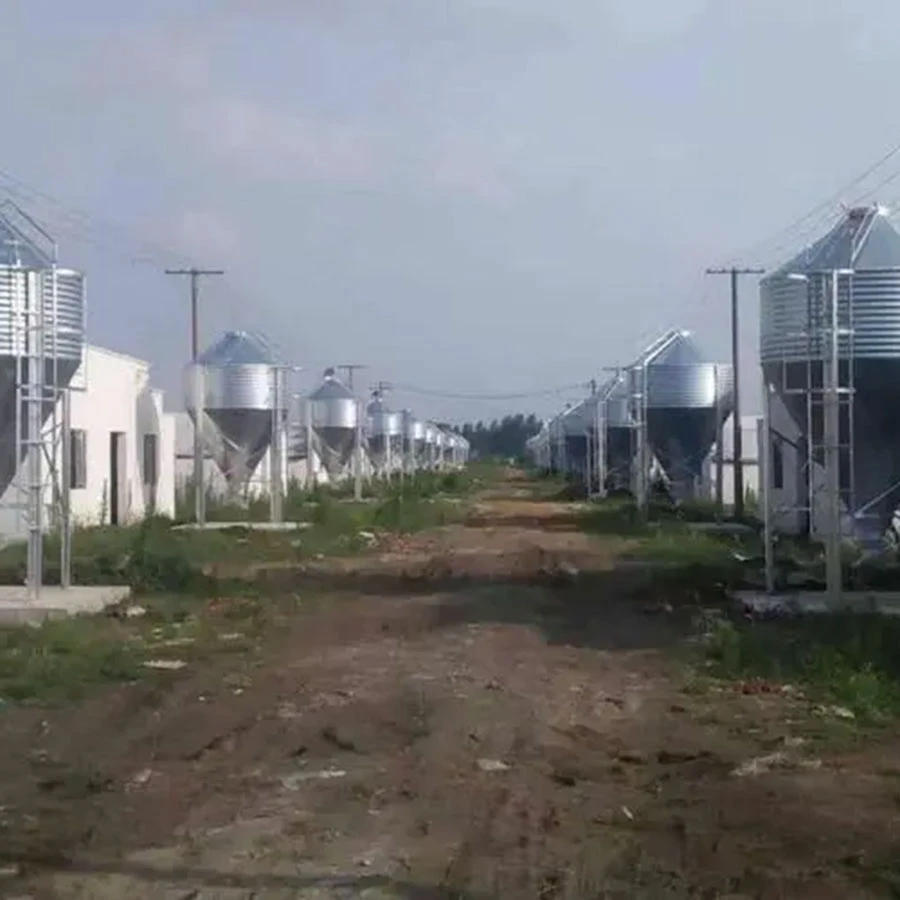
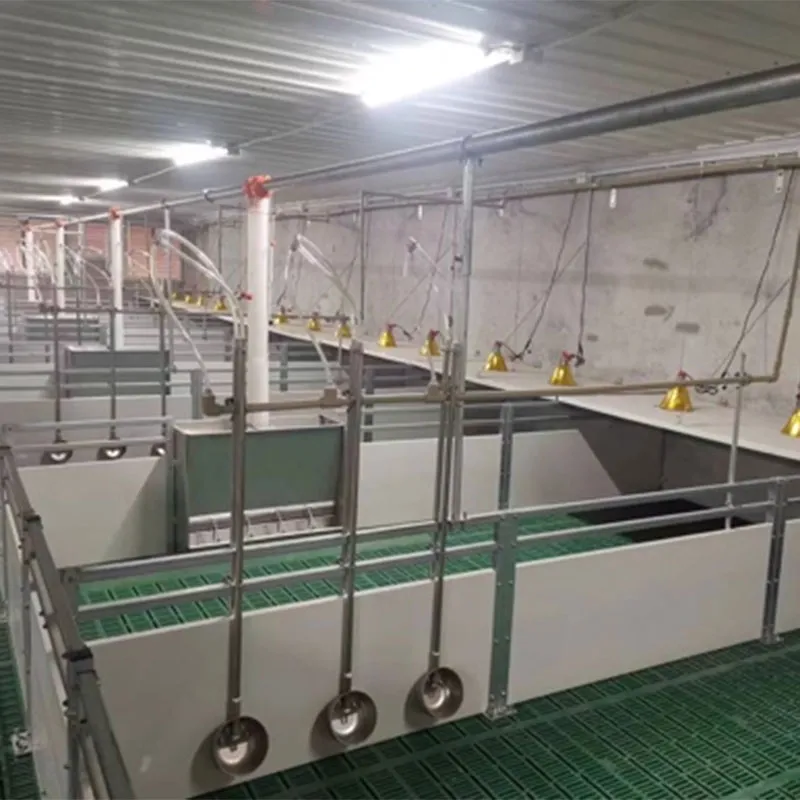
Beyond large-scale operations, even smaller and medium-sized farms are exploring automated solutions to remain competitive. For instance, the market for a 1 ton hog feeder is expanding, indicating a demand for robust, high-capacity solutions that reduce manual labor while ensuring consistent feed availability. Similarly, advanced hydration systems, such as an 80 gallon hog waterer equipped with automated refill and purification capabilities, are becoming standard to support optimal animal health and productivity.
Detailed Manufacturing Process of Automated Feeding System Consumables
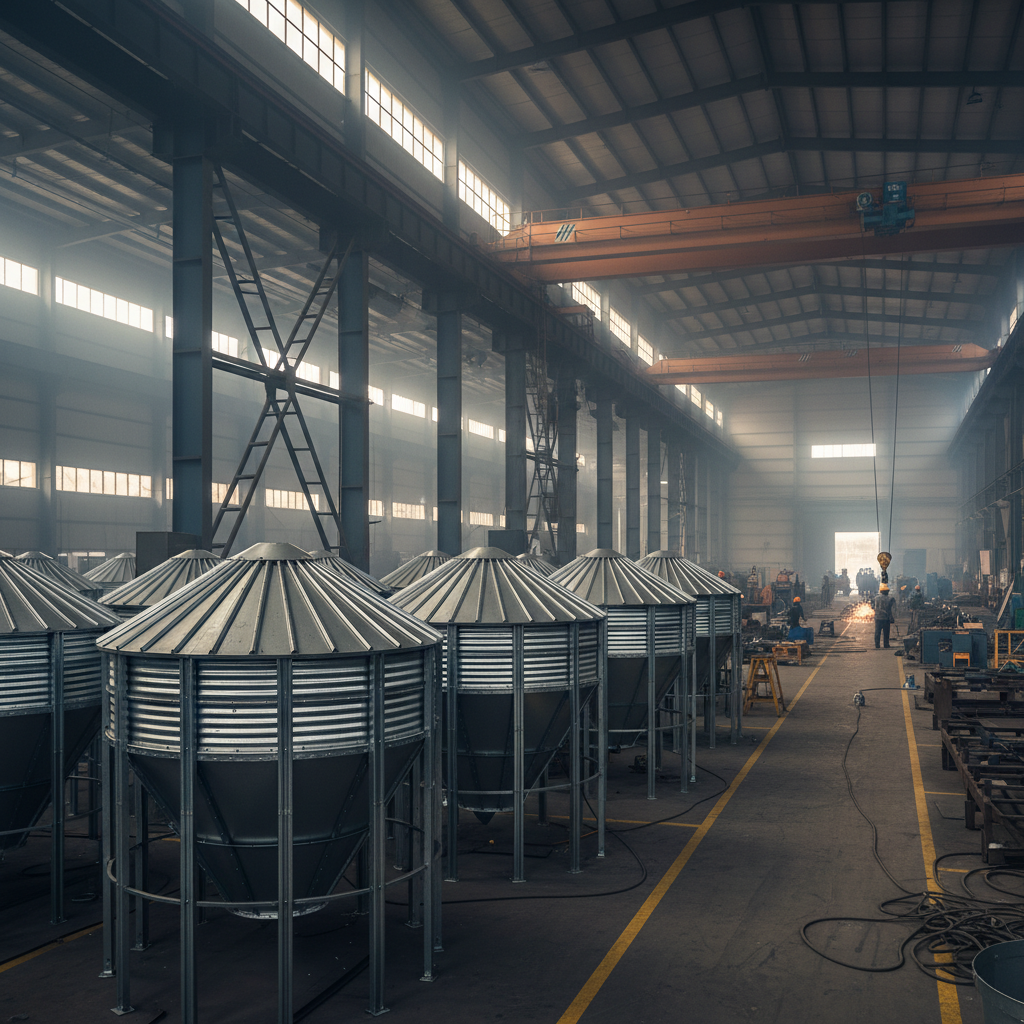
The reliability and longevity of an automatic animal feeding system are fundamentally determined by the quality of its components. The manufacturing process for consumables in pig farming equipment, such as feeder troughs, dispenser mechanisms, and tubing, involves stringent steps to ensure durability, hygiene, and performance. Our process flow emphasizes precision engineering and material science.
Process Flow Overview:
- Material Selection & Sourcing: Selection of food-grade, high-impact virgin plastics (e.g., polypropylene, HDPE) for feed contact surfaces, known for their chemical resistance and durability. Stainless steel (304/316L) is chosen for critical mechanical components for corrosion resistance and strength. Materials are sourced from ISO-certified suppliers.
-
Component Manufacturing:
- Injection Molding (Plastic Components): Precision injection molding machines create feeder troughs, drop tubes, and various dispenser parts. Molds are designed for smooth surfaces to prevent feed accumulation and facilitate cleaning. This process ensures consistent dimensions and structural integrity, reducing wear and tear.
- CNC Machining & Forging (Metal Components): Stainless steel parts, such as auger shafts or specialized brackets, undergo CNC machining for high precision. Forged components are utilized where extreme strength and fatigue resistance are required, ensuring long service life under continuous operation.
- Welding & Assembly: Robotic welding ensures strong, consistent joints for metal frameworks and support structures, minimizing stress points. Components are then assembled in a controlled environment to maintain cleanliness and functionality.
- Surface Treatment: For specific metal components, passivation or electro-polishing treatments are applied to enhance corrosion resistance and create an ultra-smooth, hygienic surface, critical in demanding agricultural environments.
-
Quality Control & Testing:
- Dimensional Accuracy: Components are checked against CAD specifications using laser scanners and calipers.
- Material Integrity: Non-destructive testing (NDT) such as ultrasonic testing or X-ray inspection is used for critical metal parts. Plastic components undergo impact resistance and fatigue testing.
- Functionality Testing: Assembled modules are tested for smooth operation, feed flow consistency, and leak prevention.
- Compliance: Products adhere to relevant international standards, including ISO 9001 for quality management and ANSI standards where applicable for specific mechanical parts. Material safety data sheets (MSDS) confirm food-grade compliance.
- Packaging & Distribution: Components are carefully packaged to prevent damage during transit and ensure they arrive in pristine condition, ready for installation.
Advantages in Application Scenarios:
Our manufacturing emphasis translates directly into significant advantages in typical application scenarios within livestock farming:
- Feed Saving & Efficiency: Precision manufacturing of feeding mechanisms minimizes feed spillage and ensures consistent dosing, leading to significant reductions in feed waste – analogous to "energy saving" in industrial terms. Studies show automated systems can reduce feed waste by 5-10%.
- Corrosion Resistance & Hygiene: The use of high-grade stainless steel and food-grade plastics provides superior resistance to corrosive farm environments (e.g., acids from feed, cleaning agents) and ensures easy sanitation, crucial for preventing disease transmission and maintaining animal health. This extends the service life beyond typical systems.
- Target Industries: While applicable broadly in agriculture, our systems are particularly vital for large-scale swine, poultry, and aquaculture operations where precise feed management and robust equipment are paramount. The "water supply & drainage" parallel for general industrial components can be seen in our highly efficient 80 gallon hog waterer solutions, which ensure consistent, clean hydration and efficient waste management.
- Enhanced Service Life: Rigorous material selection and manufacturing processes contribute to an extended service life of 10-15 years for major components, minimizing downtime and replacement costs.
Technical Specifications and Parameters
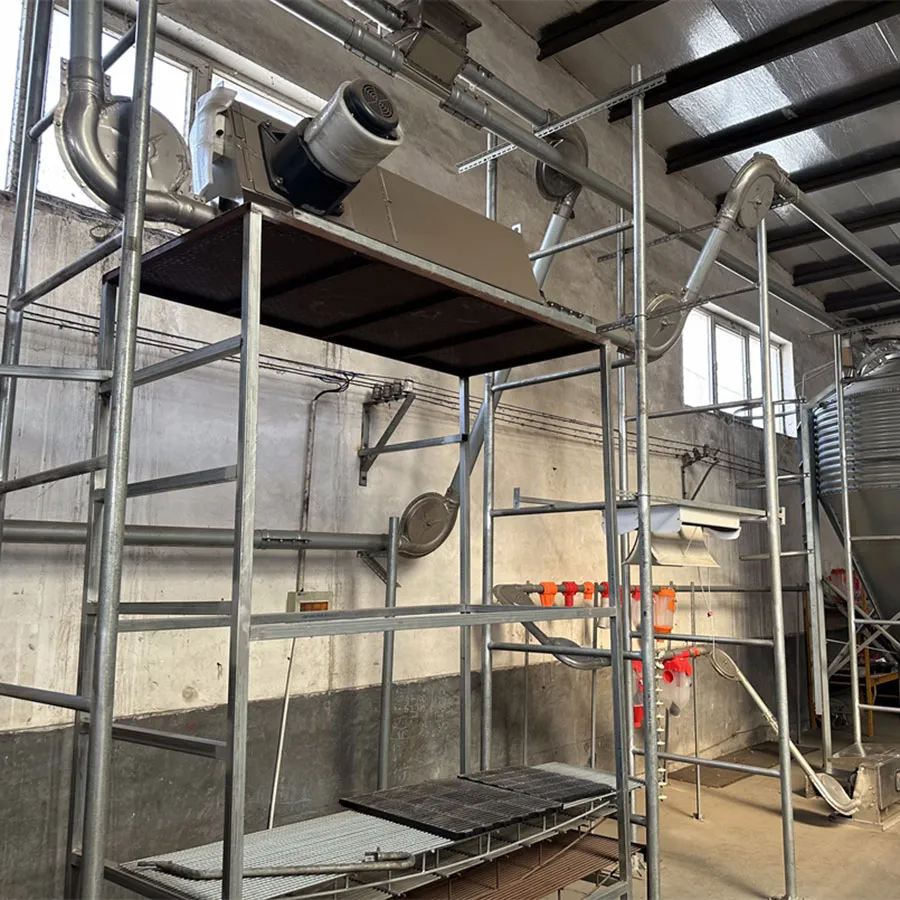
Our automatic animal feeding system solutions are engineered for precision and reliability. Below are key technical parameters and specifications for representative components, illustrating our commitment to robust design and performance.
Product Specification Table: Automated Pig Feeder Module
| Parameter | Specification | Benefit |
|---|---|---|
| Capacity (Hopper) | Up to 1 ton (1000 kg) dry feed (e.g., 1 ton hog feeder) | Reduced refill frequency, significant labor savings for large herds. |
| Material (Feed Contact) | Virgin Polypropylene (PP) / 304 Stainless Steel | Exceptional corrosion resistance, food-grade safety, easy to clean, hygienic. |
| Dispensing Accuracy | ±2% per cycle | Optimal feed conversion ratio, minimizes feed waste, precise nutrient delivery. |
| Power Supply | 220V/380V, 50/60Hz, 0.75kW motor | Energy-efficient operation, compatible with standard farm electrical infrastructure. |
| Control System | PLC-based with touch screen interface, optional remote access | Intuitive programming, real-time monitoring, remote management capabilities. |
| Operating Temperature | -20°C to +50°C | Reliable performance across diverse climatic conditions. |
Sensor Integration and Data Reporting:
Our systems incorporate advanced sensors for optimal performance:
- Capacitive Feed Level Sensors: Monitor feed levels in hoppers with ±1% accuracy, triggering automated refill alerts.
- RFID/NFC Animal Identification (Optional): Enables individual animal feeding protocols and precise data tracking for growth and health management.
- Weight Sensors: Integrated into select feeder models for precise feed intake monitoring per group or individual animal, offering highly granular data for feed conversion analysis.
Data collected from these sensors is transmitted via secure protocols (e.g., Ethernet, Wi-Fi, 4G/5G) to a central management platform, allowing for comprehensive reporting and analytical insights into farm operations.
Application Scenarios and Case Studies
The versatility of our automatic animal feeding system allows for seamless integration across a multitude of livestock farming operations, from small-scale family farms to expansive commercial facilities.
Typical Application Scenarios:
- Swine Production: Automated dry/wet feeding systems for gestation, farrowing, nursery, and finishing pigs. Ensures precise feed delivery tailored to specific dietary needs, supporting optimal growth rates and reducing feed waste. This includes the efficient deployment of a 1 ton hog feeder in large finishing pens.
- Poultry Farms: Chain or pan feeding systems for broiler, layer, and breeder operations. Maintains consistent feed availability and distribution, crucial for uniform flock development and egg production.
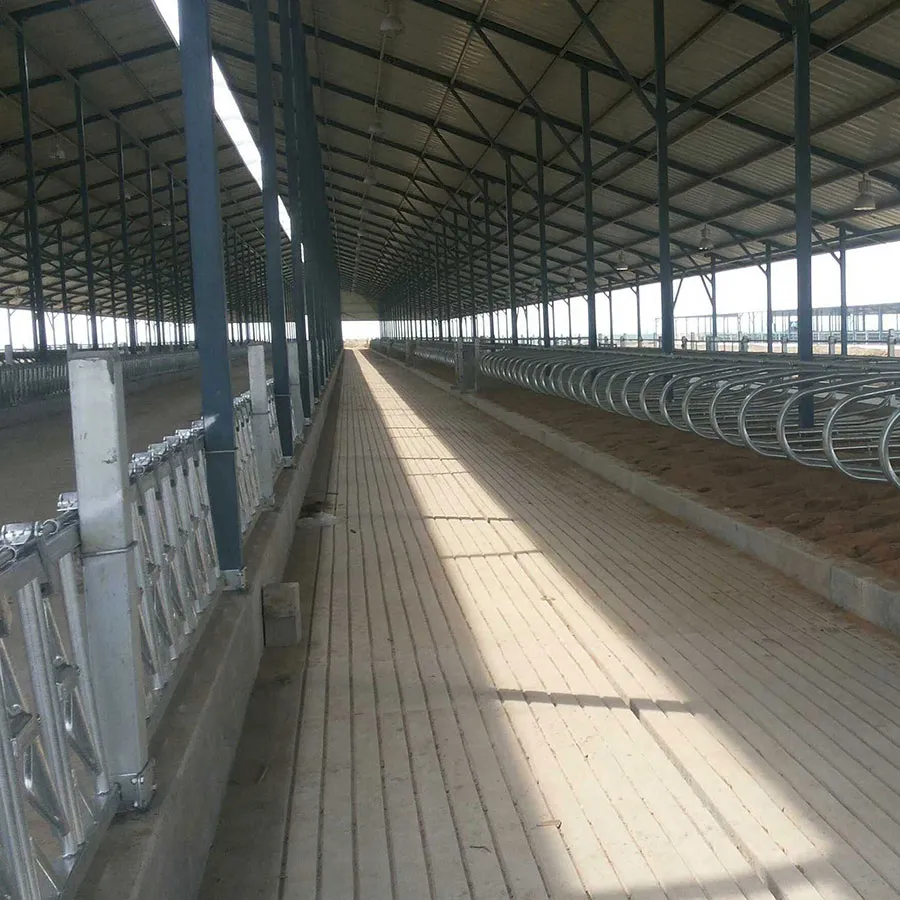
- Dairy & Beef Cattle: Specialized forage and concentrate delivery systems. Can be integrated with milking parlors or feed alleys to provide individualized rations based on milk yield or growth targets.
- Aquaculture: Automated pellet dispensers for fish and shrimp farms, optimizing feed conversion and minimizing environmental impact by preventing overfeeding.
Customer Feedback and Service Case Details:
"Our transition to the automated feeding system provided by [Your Company Name] revolutionized our pig farm. We saw a verifiable 8% reduction in feed consumption while achieving better daily gain weight due to more consistent feeding schedules. The 1 ton hog feeder capacity is perfect for our large finishing groups, significantly cutting down on manual labor for refills." - John D., Large-scale Swine Producer, Iowa.
Another client, a poultry breeder in Vietnam, noted: "The reliability of the system's components, especially the high-grade plastic parts, has minimized downtime. We've experienced zero blockages in over two years of continuous operation, a testament to the quality manufacturing."
Application Case Study: Integrated Swine Feeding & Hydration System
Client: "Green Acres Pork," a leading commercial piggery with 5,000 sows in the Midwest, faced challenges with labor shortages, inconsistent feed delivery, and water wastage, impacting herd health and overall productivity.
Solution Implemented: We designed and installed a comprehensive automated feeding and hydration system. This included 20 units of our 1-ton capacity automated hog feeders, centrally controlled by a PLC system. Alongside, 50 units of our 80 gallon hog waterer with integrated float-valve technology were deployed, ensuring continuous access to fresh water while preventing overflow.
Results:
- Labor Reduction: Daily labor hours dedicated to feeding and watering decreased by 60%, allowing staff to focus on animal health and facility maintenance.
- Feed Efficiency: A measured 7.5% improvement in feed conversion ratio (FCR) due to precise, consistent feeding schedules and reduced spillage. This translated to an estimated annual saving of over $150,000 on feed costs.
- Water Conservation: The automated waterers reduced water wastage by 25%, contributing to environmental sustainability and lower utility bills.
- Animal Health & Growth: Improved uniformity in weight gain across batches and a noticeable reduction in stress-related behaviors among pigs, attributed to consistent access to feed and water.
This case exemplifies how a well-implemented automatic animal feeding system can deliver substantial operational and economic benefits.
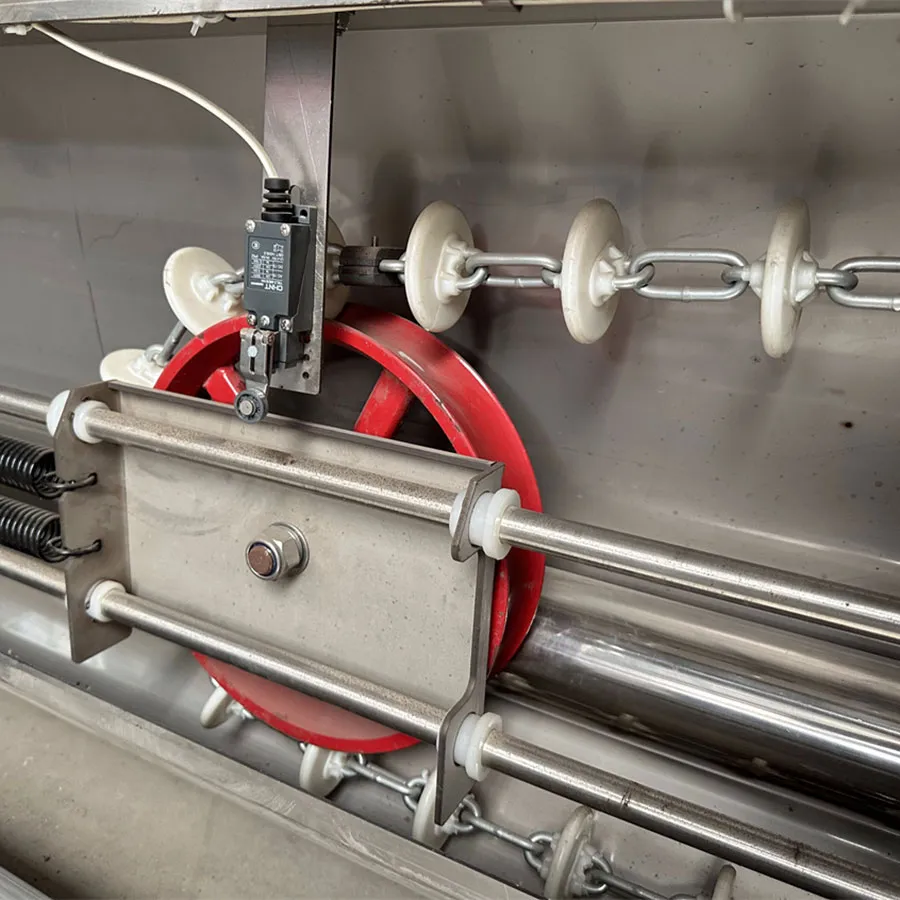
Technical Advantages and Vendor Comparison
Our commitment to innovation and quality provides distinct technical advantages, setting our automatic animal feeding system apart in a competitive market.
Core Technical Advantages:
- Robust Design for Harsh Environments: Engineered with IP67-rated motors and control panels, ensuring protection against dust and water ingress, essential for agricultural settings.
- Modular and Scalable Architecture: Our systems are designed for easy expansion, allowing farms to start with a basic setup and add modules (e.g., additional 1 ton hog feeder units, specialized dispensers) as their operations grow, without needing to overhaul the entire infrastructure.
- Integrated Biosecurity Features: Smooth surfaces, minimal crevices, and easily disassemblable components for thorough cleaning, reducing pathogen harbor points. UV-C sterilization options for water lines in the 80 gallon hog waterer system further enhance hygiene.
- Advanced Diagnostic & Predictive Maintenance: Built-in sensor arrays monitor component wear and system performance, providing alerts for preventative maintenance, thus minimizing unexpected downtime and extending equipment lifespan.
- Energy Efficiency: Optimized motor controls and efficient drive mechanisms reduce power consumption, contributing to lower operational costs and a smaller carbon footprint.
Vendor Comparison: Key Differentiators
Choosing the right vendor for an automated feeding system is a critical decision. Below is a comparative overview highlighting key areas where our solutions excel:
| Feature/Criterion | Our Solution | Typical Competitor |
|---|---|---|
| Material Quality | Virgin PP, 304/316L SS, UV-stabilized. ISO-certified. | Recycled plastics, lower grade steel, variable UV resistance. |
| Control System | Advanced PLC with HMI, IoT connectivity, cloud analytics. | Basic timer-based, limited data feedback. |
| Customization Options | High degree of modularity, bespoke designs, various sensor integrations. | Limited standard configurations only. |
| Service Life (Estim.) | 10-15 years for major components. | 5-8 years, higher maintenance frequency. |
| After-Sales Support | 24/7 technical support, regional service centers, remote diagnostics. | Limited hours, delayed responses, often third-party. |
Customized Solutions and Authoritativeness
Recognizing that every farm operation has unique requirements, we specialize in providing customized automatic animal feeding system solutions. Our engineering team works closely with clients to design systems that precisely match their operational scale, animal types, facility layout, and budgetary constraints.
Customization Capabilities:
- Layout & Capacity Optimization: Tailoring auger lengths, pipe routing, hopper sizes (e.g., specific 1 ton hog feeder configurations), and feeder distribution to maximize efficiency within existing farm structures.
- Feed Type Adaptations: Configuring systems for various feed consistencies—dry meal, pellets, wet/liquid feed—with specialized dispensers and mixing units.
- Integration with Existing Farm Management Systems: Developing APIs and software modules to seamlessly connect our feeding systems with farm ERPs, climate control, and health monitoring platforms.
- Environmental & Climatic Considerations: Designing components suitable for extreme temperatures, high humidity, or corrosive environments, ensuring sustained performance.
Authoritativeness and Certifications:
Our commitment to quality and industry leadership is substantiated by robust certifications and a proven track record.
- ISO 9001:2015 Certified: Our manufacturing facilities and processes adhere to international standards for quality management systems, ensuring consistent product excellence.
- CE & RoHS Compliance: All electronic and electrical components meet European safety and environmental standards.
- Years of Service: With over 15 years in the livestock equipment industry, we have accumulated extensive expertise and deployed thousands of feeding systems globally.
- Key Partner Clients: We proudly serve major agricultural conglomerates and leading independent producers across North America, Europe, and Asia, including "AgriFarm Solutions Inc." and "Global Livestock Holdings."
- Test Data and Chart-Based Analysis: Independent lab tests confirm material durability (e.g., ASTM D256 impact strength > 15 J/cm for PP components) and operational efficiency (e.g., FCR improvements of up to 10% in controlled trials). Our systems consistently demonstrate superior uptime and lower maintenance requirements compared to industry averages, as evidenced by our extensive operational data.
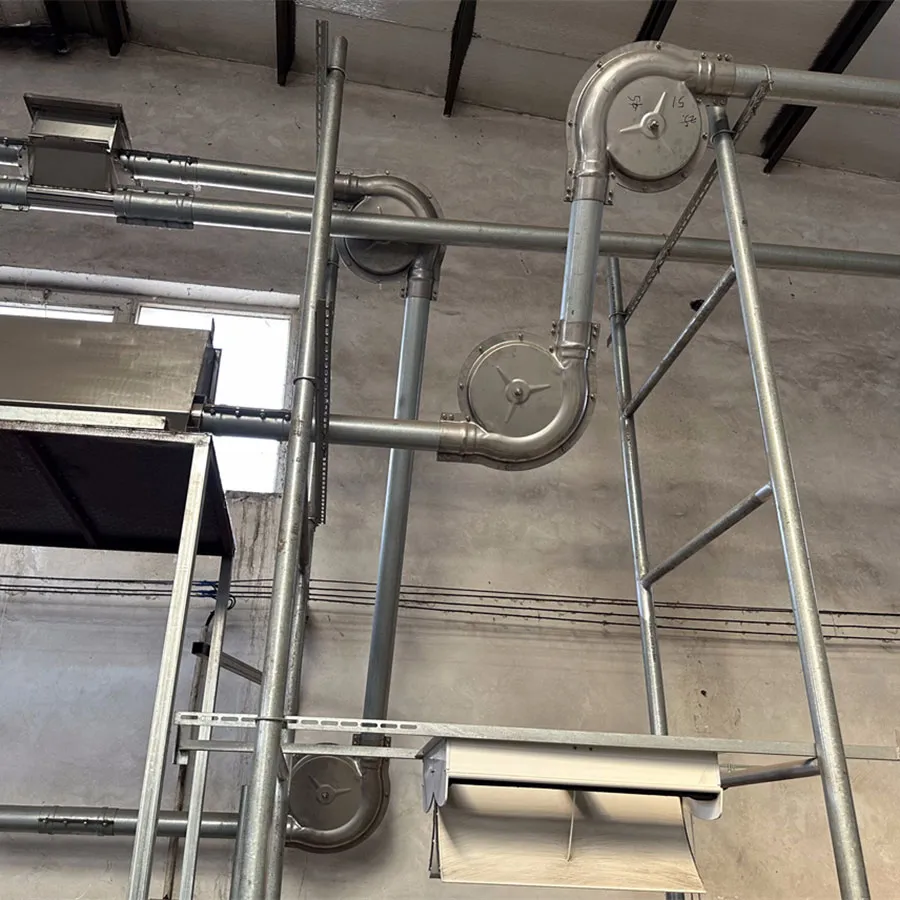
Trustworthiness, Support, and Logistics
Frequently Asked Questions (FAQ):
- Q: What is the typical lead time for a complete automatic animal feeding system?
- A: Standard system components typically have a lead time of 4-6 weeks from order confirmation. Customized solutions may require 8-12 weeks, depending on complexity. We maintain strategic inventory for common parts to expedite delivery.
- Q: What kind of warranty do you offer on your feeding systems?
- A: We offer a comprehensive 2-year warranty on all mechanical and electrical components, covering defects in materials and workmanship. Extended warranty options are available. Consumable items are covered for 6 months.
- Q: How does installation and commissioning work?
- A: Our technical team provides detailed installation guides and remote support. For larger or more complex projects, we offer on-site supervision and commissioning services to ensure optimal setup and performance.
- Q: Are spare parts readily available?
- A: Yes, we maintain a comprehensive inventory of spare parts for all our systems. Parts can be ordered directly through our customer support or authorized distributors and are typically dispatched within 48 hours.
Lead Time and Fulfillment Details:
Our robust supply chain and efficient manufacturing processes allow for predictable lead times. We prioritize transparency and communicate closely with clients throughout the order fulfillment process, from design approval to delivery. Shipping options include sea freight, air freight, and ground transport, tailored to client needs and urgency. All shipments are meticulously packed to prevent damage.
Warranty Commitments:
Beyond our standard warranty, we stand by the quality of our products with robust support mechanisms. Our warranty ensures peace of mind, backed by a dedicated team ready to address any issues promptly. We also offer comprehensive maintenance contracts for long-term operational assurance.
Customer Support and After-Sales Service:
Our commitment extends well beyond the sale. We provide 24/7 technical support via phone, email, and a dedicated online portal. Our global network of certified technicians is available for on-site troubleshooting, routine maintenance, and emergency repairs. Training programs for farm personnel are also available to ensure optimal system operation and basic maintenance capabilities.
References
- Food and Agriculture Organization of the United Nations (FAO). "The Future of Food and Agriculture – Trends and Challenges." 2021.
- National Agricultural Library (USDA). "Automated Feeding Systems for Livestock." Journal of Animal Science. Vol. 98, Issue 5, May 2020.
- European Commission. "Animal Welfare and Digital Technologies in Farming." Directorate-General for Agriculture and Rural Development. 2023.
Post time: Sep . 22, 2025