Understanding Mesh Grating Flooring: Why It Matters Globally
Mesh grating flooring might sound like a niche industrial term, but it's actually an unsung hero in sectors from construction to humanitarian aid. At its core, mesh grating flooring serves as a durable, lightweight, and cost-effective surface that supports heavy loads while allowing air and water to pass through. Why the fuss about something as seemingly simple as grating? Because in today’s fast-changing, safety-conscious, and environmentally aware world, these floors help tackle a range of global challenges — from improving workplace safety in factories to facilitating swift post-disaster relief setups.
Worldwide, industries grapple with balancing cost, durability, and environmental impact for flooring solutions. The United Nations Sustainable Development Goals (SDGs), for instance, call for infrastructure that is resilient and sustainable, a need mesh grating flooring meets quite naturally. Plus, sectors like mining, agriculture, disaster recovery, and even livestock farming depend increasingly on these solutions to maintain efficient operations.
Global Context: Why Mesh Grating Flooring Is More Relevant Than Ever
So, here’s the thing: as urban populations surge — the UN estimates nearly 70% of people will live in cities by 2050 — infrastructure demands are skyrocketing. Traditional flooring options often falter under weight, water exposure, or the need for quick installation. According to ISO data on industrial safety, slips and falls remain a top workplace hazard, with unsafe flooring as a leading cause. Mesh grating flooring solves many of those issues thanks to its slip resistance and drainage properties.
Moreover, in regions prone to flooding or with high humidity, airflow beneath flooring is vital to prevent mold and structural damage. Globally, emergency response teams rely on it for fast-deploy platforms that can be assembled on uneven ground. Think of the challenges in disaster zones, like after a typhoon or earthquake, where establishing safe, sustainable temporary structures is imperative.
What Exactly Is Mesh Grating Flooring?
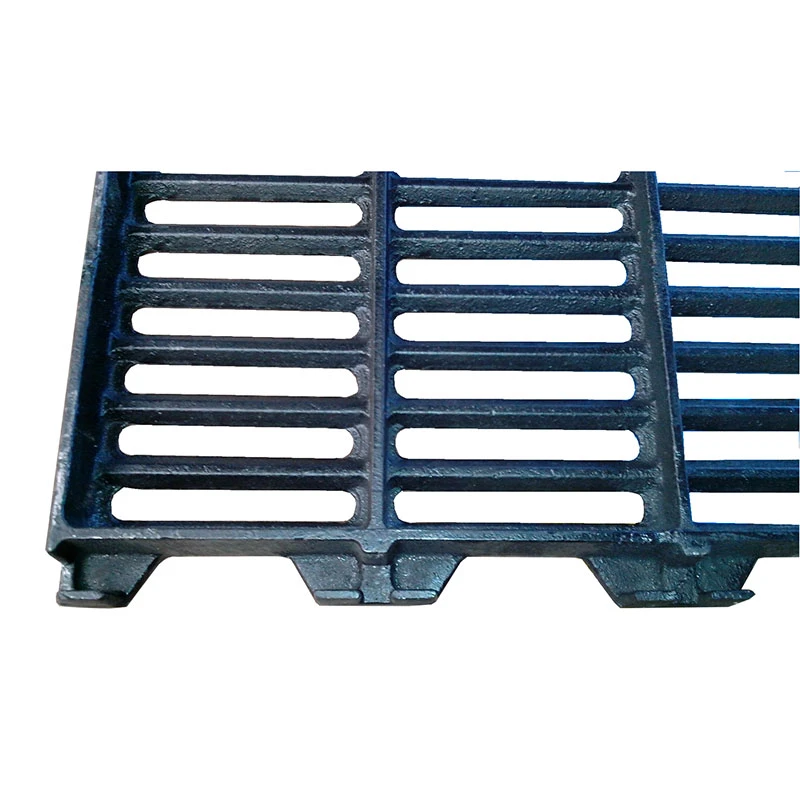
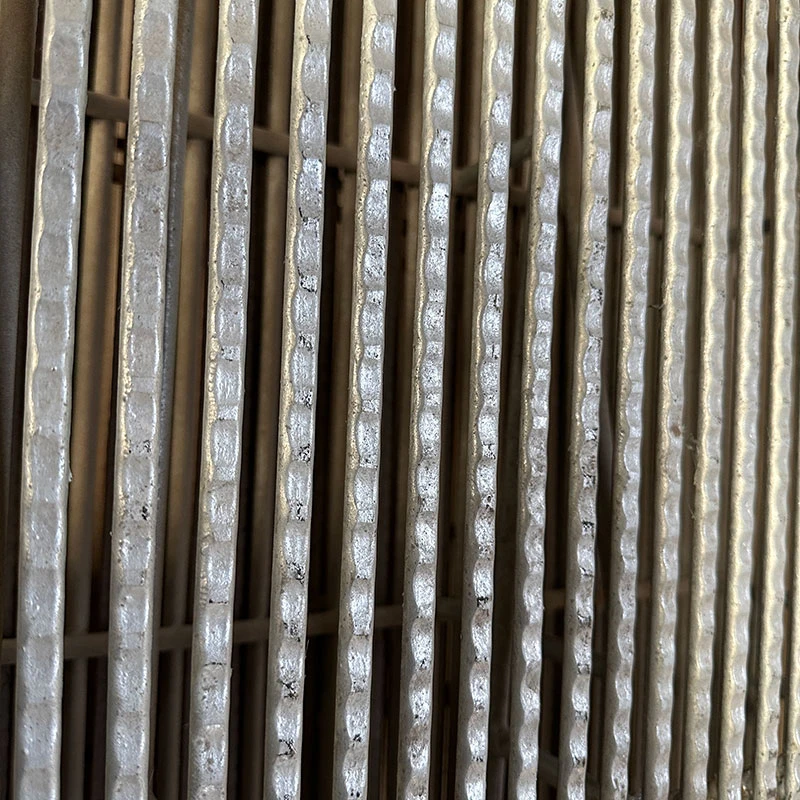
Let’s break it down. Mesh grating flooring is a type of flooring composed of steel or aluminum bars arranged in a grid pattern, forming open spaces called “meshes.” This allows water, air, or small debris to pass through while providing a strong, slip-resistant walking surface. Think of a sturdy grate you might see on a drain cover, but engineered to support human and machine traffic reliably.
This type of flooring is integral to modern industry — used in factories, walkways, loading docks, and livestock pens alike. The open design also means fewer opportunities for water accumulation and corrosion, extending the lifespan compared to solid floors.
Key Factors in Mesh Grating Flooring
1. Durability & Strength
The backbone of good grating flooring is robust material, usually galvanized steel or aluminum. These metals resist corrosion and stand up to hefty weights — vital in industrial zones or farms where equipment and animal traffic are constant.
2. Slip Resistance & Safety
Open mesh patterns reduce wet surface hazards, and some designs include serrated edges to improve grip. This addresses one of the toughest workplace safety issues: slips and falls.
3. Cost Efficiency & Installation
Mesh grating often comes in modular panels, making it relatively easy and quick to install or replace. Compared to concrete or wooden floors, it’s more budget-friendly upfront and for long-term maintenance.
4. Ventilation & Drainage
The open mesh allows air circulation and liquids to drain, key for preserving structural integrity below and preventing water damage or mold — especially important in humid climates or livestock housing.
5. Scalability and Customization
Manufacturers can tailor mesh size, thickness, and coating based on specific load requirements or environmental conditions, ensuring the flooring fits diverse use cases from industrial plants to emergency shelters.
| Specification | Details |
|---|---|
| Material | Galvanized steel, Aluminum alloy |
| Mesh Opening Size | Typically 25mm x 25mm to 100mm x 100mm |
| Load Capacity | Up to 1000 kg/m² (varies by thickness) |
| Coating | Hot-dip galvanized, powder coating, epoxy |
| Standard Sizes | Typically 1m x 2m panels (customizable) |
Where Mesh Grating Flooring Makes a Difference
Mesh grating flooring really shines in a handful of key sectors:
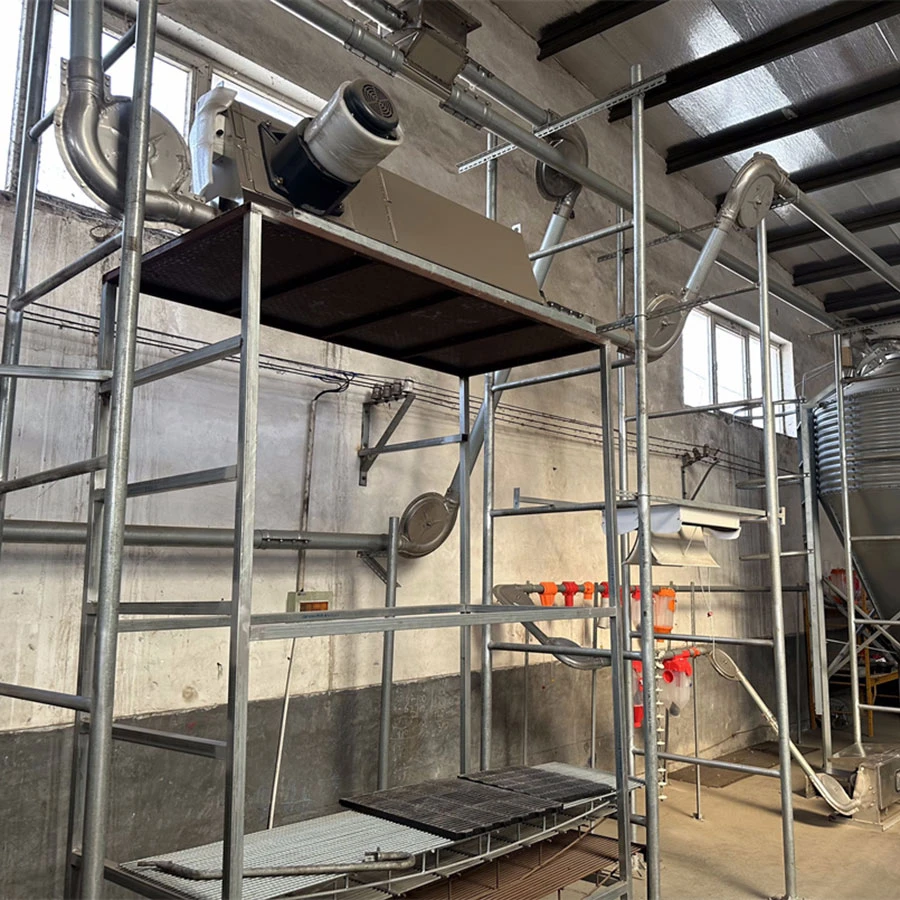
- Industrial settings: Factories and warehouses use grating for platforms and walkways, avoiding slips and facilitating easy cleaning.
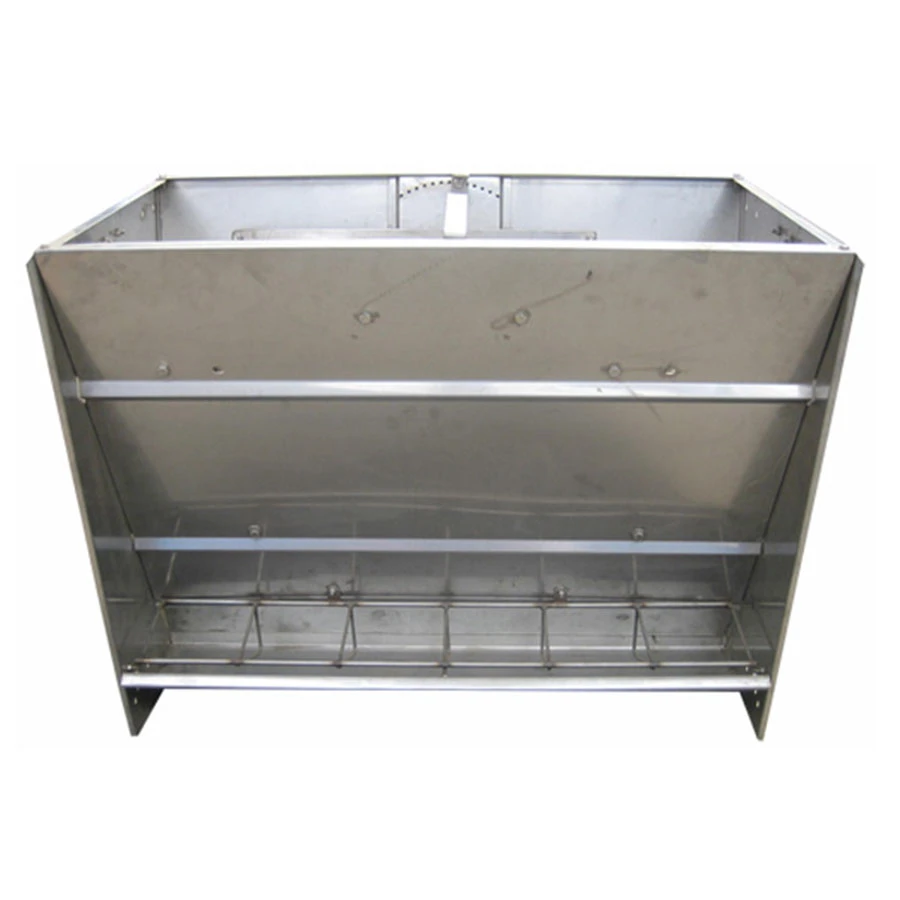
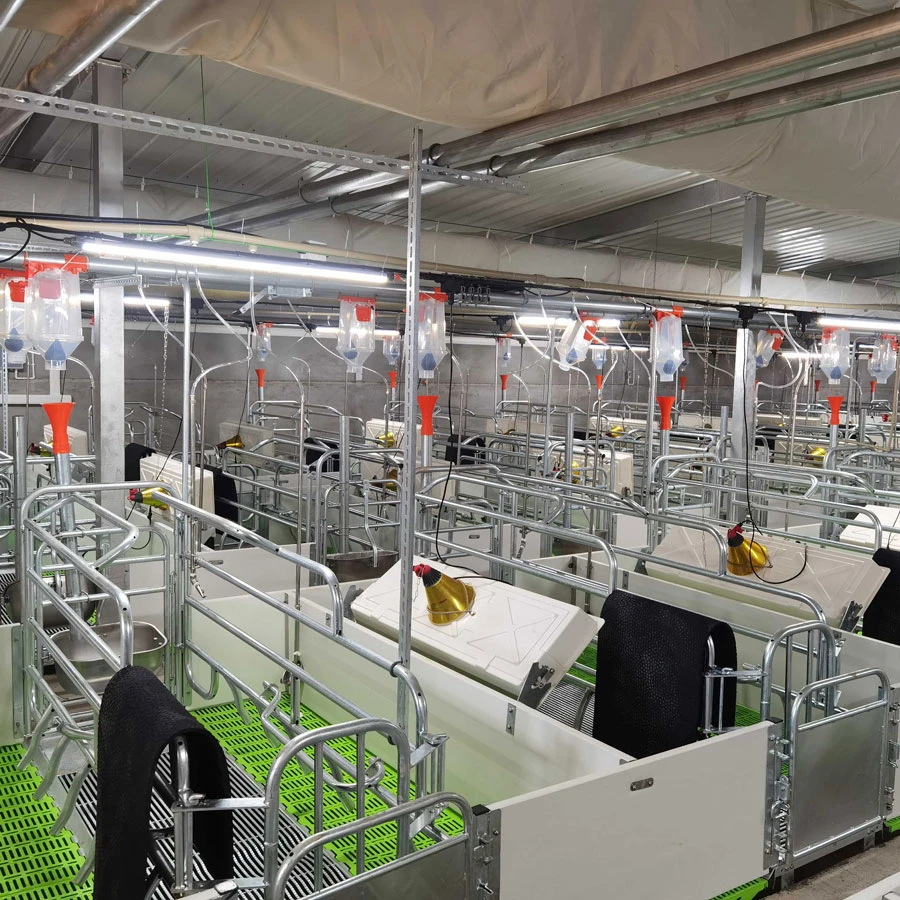
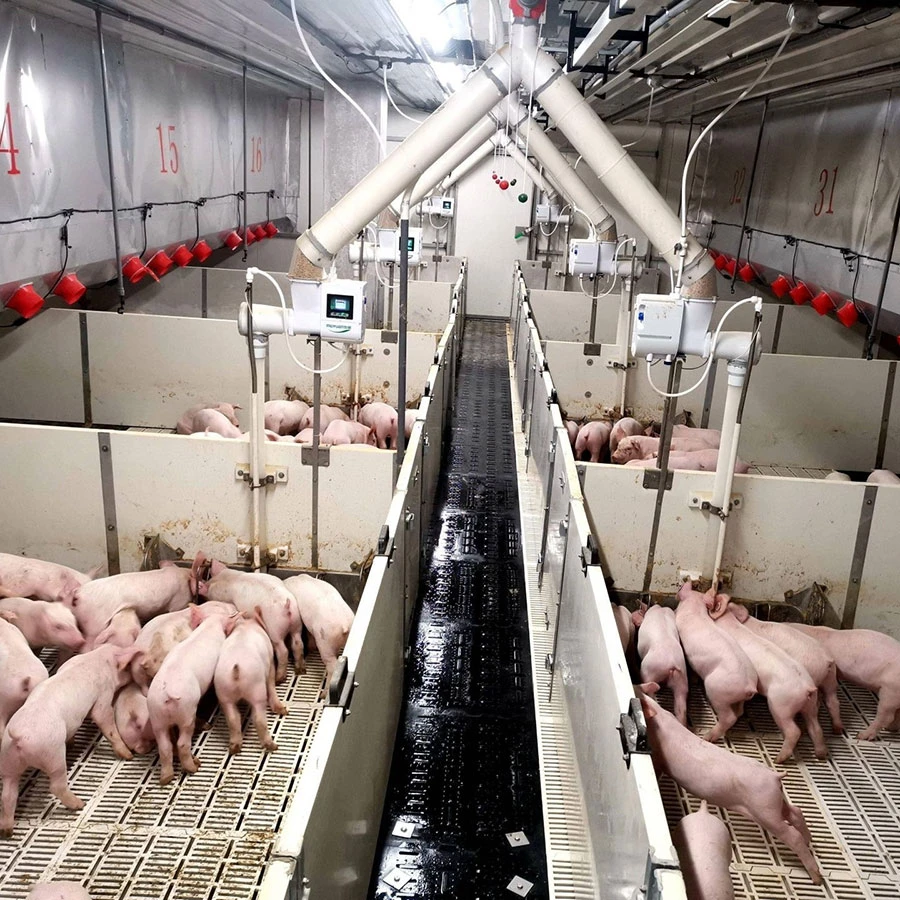
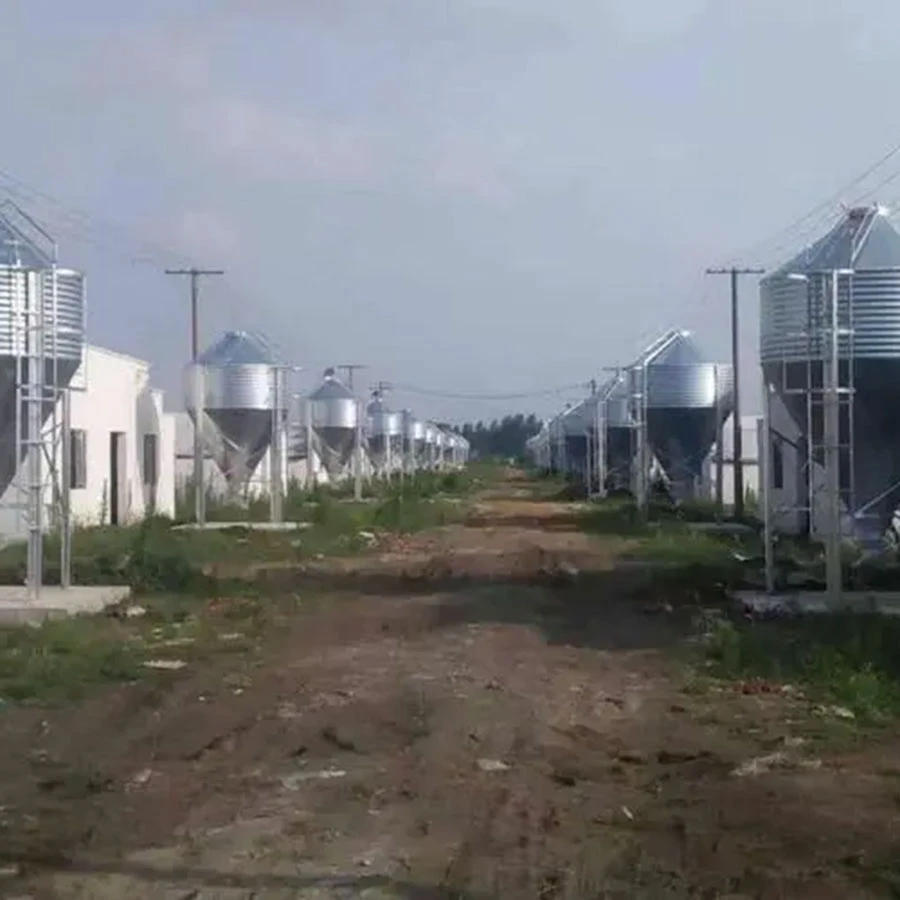
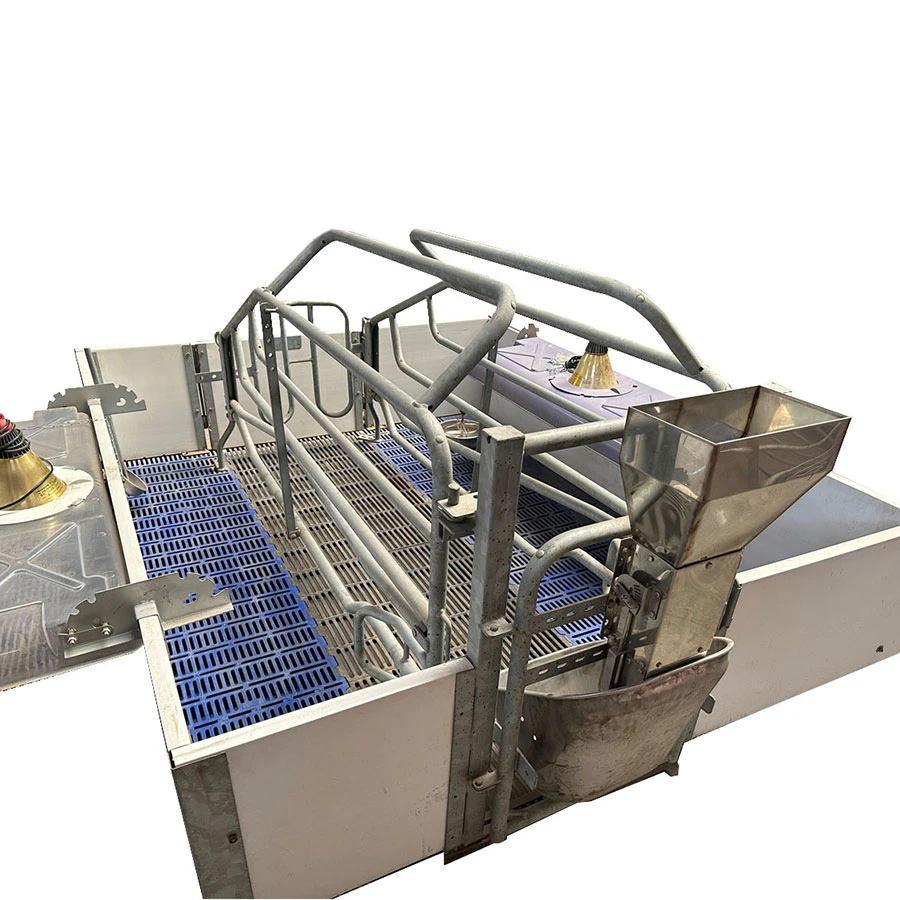
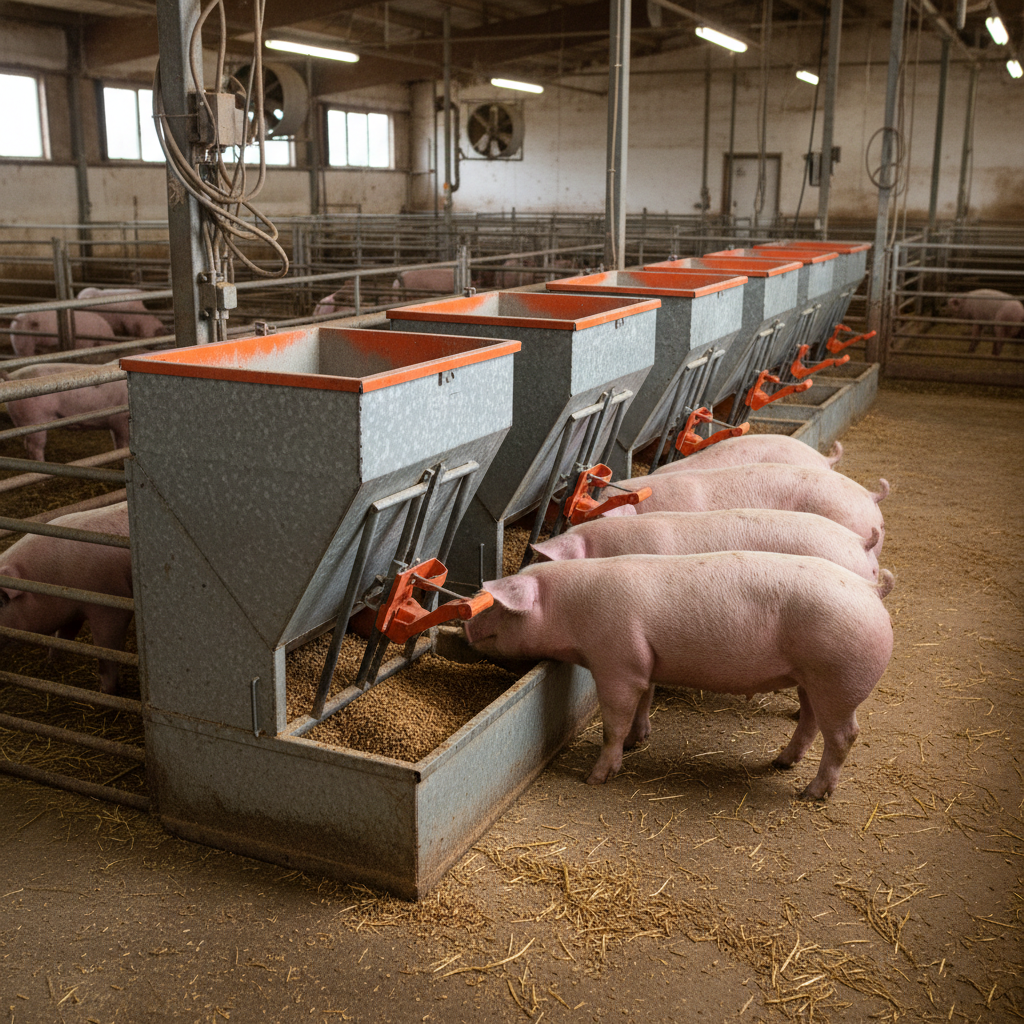
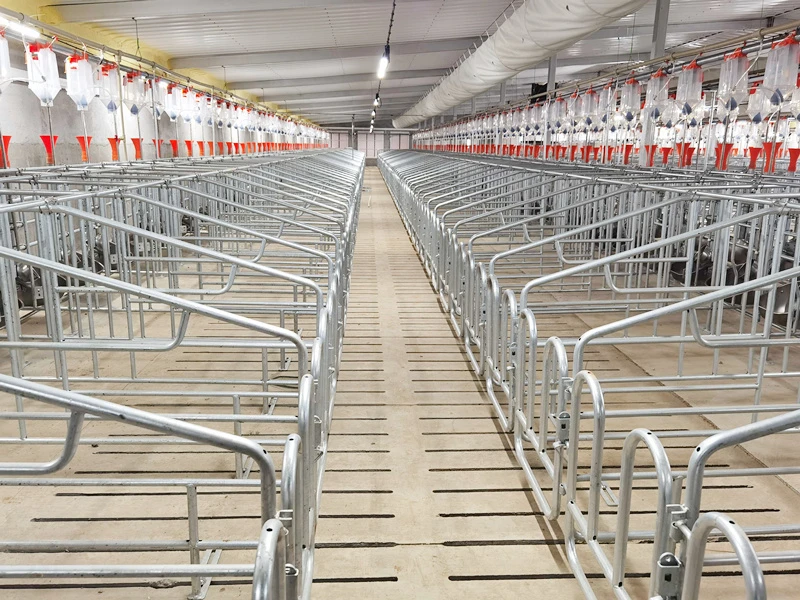
- Livestock and agricultural operations: Mesh floors allow waste to fall through, providing cleaner, healthier environments for animals. Learn more about mesh grating flooring in livestock contexts.
- Disaster relief and remote infrastructure: Temporary structures benefit from lightweight, modular flooring that can resist harsh conditions.
- Urban construction sites: For quick access walkways that drain rainwater and support heavy equipment.
For example, after the 2018 Indonesian tsunami, emergency teams deployed modular mesh grating flooring panels for medical tents and walkways in flooded zones. It wasn’t just practical — it saved precious time and resources.
Advantages & Long-Term Value of Mesh Grating Flooring
Beyond the technical specs, there’s something deeper at play. Cost savings surface quickly, but the real value lies in sustainability — many manufacturers now use eco-friendly coatings and recycled metals. The longevity of mesh grating flooring means less frequent replacements and waste.
There’s also a strong social component. Safer walkways reduce workplace injuries. Livestock environments improve animal welfare. And in humanitarian projects, it enables dignity and safety in trying conditions.
Emerging Trends & Innovations
Looking ahead, developers are experimenting with composite materials — mixing fiberglass or polymer resins — to reduce weight while maintaining strength. Smart flooring with embedded sensors may soon monitor load stresses or detect structural issues early. In line with digital transformation, some firms incorporate QR labels on panels for inventory and maintenance tracking.
And the sustainability push continues: solar-reflective coatings and biodegradable surface treatments are on the horizon, along with tighter international standards to guide safe, eco-conscious floor design.
Common Challenges and How Innovators are Tackling Them
Challenges include corrosion in extremely harsh environments, installation complexity in uneven terrains, and cost concerns for small-scale users. But experts suggest treatment improvements like enhanced galvanization, flexible anchor systems, and modular designs that cut installation times.
Some companies now offer customizable panels with adjustable mesh sizes that can serve a broader range of applications, balancing performance with affordability. It's a classic example of engineering adapting to real-world messiness.
| Vendor | Product Range | Customization | Pricing | Lead Time |
|---|---|---|---|---|
| GratePro Inc. | Steel, Aluminum, Fiberglass | High (mesh size, coatings) | $$$ | 4-6 weeks |
| EcoGrate Solutions | Recycled Steel, Polymer blends | Medium (pre-set designs) | $$ | 3-5 weeks |
| RapidMesh Flooring | Steel Mesh Panels only | Low (stock sizes) | $ | 2-3 weeks |
Frequently Asked Questions About Mesh Grating Flooring
1. How does mesh grating flooring compare to solid flooring in terms of safety?
Mesh grating flooring provides superior slip resistance thanks to its open design, which allows liquids and debris to pass through. This reduces the risk of pooling water and slippery surfaces, common hazards with solid flooring. Additionally, serrated edges on some panels enhance grip for workers or animals. Overall, it improves safety in wet or industrial environments.
2. Can mesh grating panels be installed outdoors in harsh weather?
Absolutely. Many mesh grating floors are galvanized or coated to resist rust and corrosion, making them suitable for outdoor use even in humid or marine environments. Proper maintenance and choosing the right coating extend lifespan significantly.
3. Is mesh grating flooring suitable for use in livestock pens?
Yes, it’s a popular option in the livestock industry because it enables waste to fall through the gaps, improving hygiene and animal health. It also enhances airflow and drainage, crucial for creating comfortable animal housing.
4. How easily can mesh grating flooring be customized?
Manufacturers typically offer customization in mesh size, panel dimensions, material thickness, and coatings, making it versatile for different load and environmental requirements. Custom orders generally require lead time but result in a product tailored to specific needs.
5. Where can businesses or NGOs source reliable mesh grating flooring for remote projects?
There are specialized suppliers focusing on quick turnaround and logistics support for remote or humanitarian projects. Vendors like those listed above often ship internationally and provide modular solutions that simplify deployment in challenging locations.
In Conclusion: Why Invest in Mesh Grating Flooring?
To sum it up, mesh grating flooring offers a practical, durable, and sustainable solution to many of today’s infrastructure challenges. Whether improving industrial safety, supporting sustainable livestock farming, or enabling rapid disaster relief, its benefits ripple across diverse spheres.
Exploring options from reputable manufacturers and considering innovations in materials and coatings can help you maximize long-term value. If you’re building, upgrading, or planning for crises — mesh grating flooring deserves a spot on your radar.
For tailored solutions and expert advice, visit our website: https://www.cxlivestock.com.
References
Post time: Dec . 02, 2025