What is a Steel Grating Floor and Why It Matters Globally
Steel grating floors are those sturdy, open-grid metal platforms you might have seen in factories, walkways, or heavy-duty industrial settings. Think industrial flooring but with a breathable, non-slip twist. Globally, their importance is no joke — these floors are essential in environments where safety, durability, and drainage are key, ranging from oil rigs offshore to urban parking structures downtown. As infrastructure evolves and safety standards tighten worldwide, understanding steel grating floors offers clear benefits. You get longevity, cost efficiency, and even sustainability all rolled into a seemingly simple flooring system.
Mini takeaway: Steel grating floors symbolize how practical industrial design solves complex global challenges, especially safety and environmental concerns.
Steel Grating Floor: A Global Perspective
Global industrial output is on an upswing, with manufacturing hubs from Asia to the Americas expanding rapidly — a World Bank report highlights over 4% annual growth in heavy industry sectors in 2023. With such expansion comes the challenge of durable infrastructure. Steel grating floors answer many of these demands, particularly in sectors like energy, manufacturing, transportation, and even humanitarian infrastructure. According to ISO norms on workplace safety, non-slip proven flooring materials improve accident prevention in high-risk work areas by almost 40%. That’s not trivial.
Here’s an issue that crops up regularly — traditional concrete or wooden flooring can’t always manage industrial spills, heavy load-bearing, or ventilation needs, especially outdoors or in wet environments. Steel grating floors tackle that neatly by allowing water, debris, or even hazardous liquids to pass through while still holding up the weight of heavy machinery or foot traffic.
Mini takeaway: In a world moving faster and heavier, steel grating floors are a quietly essential piece of infrastructure seldom appreciated outside engineering circles.
Defining Steel Grating Floor in Plain Terms
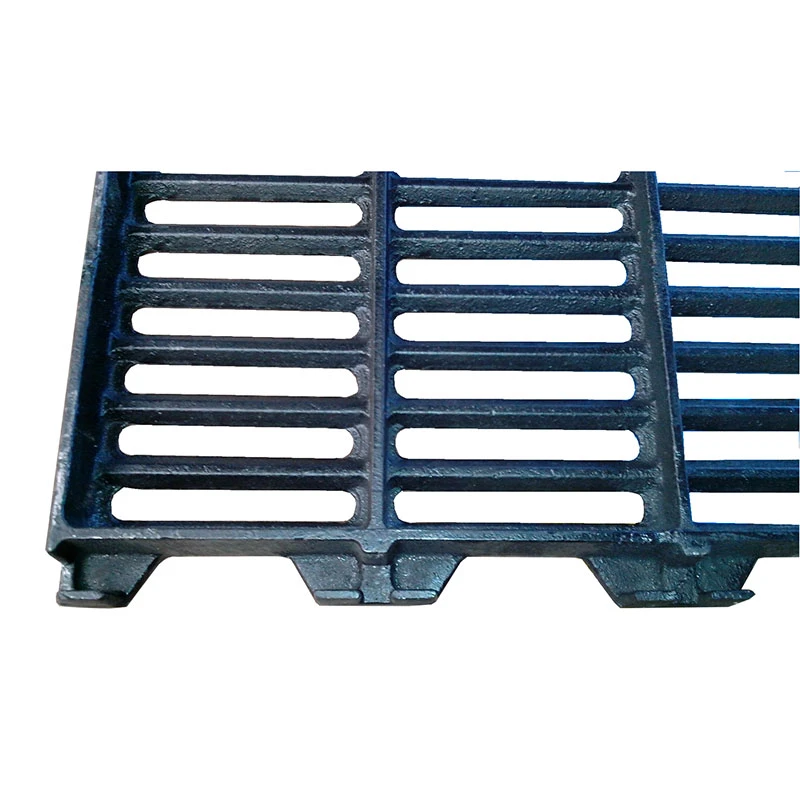
At heart, a steel grating floor is exactly what it sounds like: a floor made from a matrix of steel bars fabricated in a grid. These grids come in different styles — welded bar gratings, pressure-locked, or bolted types — all designed to support loads while ensuring drainage and airflow. Imagine walking on a floor that’s open enough for dirt or liquids to pass through but firm enough to hold forklifts or dozens of workers simultaneously without buckling.
The connection to modern industry is direct: these floors support everything from electricity substations needing cool airflow to shipping docks where saltwater spray is constant. In humanitarian contexts, these floors even appear in temporary bridges or walkways aiding disaster relief – they’re quick to install, highly durable, and relatively low maintenance.
Mini takeaway: Steel grating floors combine smart design with raw strength—an intersection of utility and innovation that industries depend on.
Core Components of a Steel Grating Floor
Durability
We’re talking corrosion-resistant steel alloys or galvanized finishes that extend life beyond 30 years in the harshest chemical or marine environments.
Load Capacity
Steel grating floors are engineered by design standards to support light foot traffic up to heavy equipment – often rated by clear spans and bar thicknesses to suit all requirements.
Slip Resistance
With serrated surfaces or specialized coatings, these floors dramatically reduce fall risks – a major plus in areas prone to oil, water, or snow.
Ventilation & Drainage
The open grid design prevents water pooling, aiding indoor air quality and structural safety—critical in chemical plants or outdoor walkways.
Customization & Scalability
They can be fabricated to virtually any size or shape, with cutouts or bolted designs for modular installations, making them extremely adaptable.
| Specification | Typical Range | Notes |
|---|---|---|
| Material | Carbon Steel, Stainless Steel, Galvanized Steel | Varies by corrosion resistance needed |
| Bar Thickness | 3mm - 12mm | Determines load bearing capacity |
| Span (between supports) | 300mm - 1500mm | Depends on support structure and load |
| Open Area % | 20% - 40% | Key for drainage and ventilation |
| Finish Options | Galvanized, Painted, Epoxy Coated | Protects against corrosion & wear |
Real-World Applications: How Steel Grating Floors Are Used Globally
Across Asia’s sprawling manufacturing hubs, steel grating floors form the backbone of factory catwalks and inspection platforms—areas where robust safety is a must. Heavy industry in Europe leans on them for outdoor substations or railway platforms, thanks to their frost resistance and easy maintenance. Oddly enough, humanitarian efforts have started to adopt steel gratings in temporary shelters and access ramps in disaster zones — the open grids help keep debris and water from turning pathways into hazards, especially when time and resources are limited.
In remote industrial zones, like mining operations in South America or offshore oil platforms in the North Sea, steel grating floors withstand brutal weather and corrosive saline all year round. It’s a reassuring sense of durability that many engineers swear by.
The Tangible and Intangible Advantages of Steel Grating Floors
- Cost-effectiveness: Lower maintenance, longer lifespan, and reduced downtime mean money saved in the long run.
- Sustainability: Galvanized steel is recyclable and requires fewer replacements.
- Safety & Trust: Workers feel safer on reliable surfaces, boosting morale and productivity.
- Innovation & Flexibility: Easily customized to fit evolving structural needs.
- Environmental Impact: Supports drainage and avoids pooling water, reducing slip hazards and mold issues.
It’s one of those components you don’t notice until it’s missing or broken — the floor system that quietly supports thousands of careers, and frankly, a lot of daily life around heavy industry.
Looking Forward: Future Trends and Innovations
Steel grating floors won’t stay the same. Industry insiders are excited about integrating smart sensors that monitor load and structural integrity in real-time—supported by the growing Internet of Things (IoT). There’s also research into greener coating materials that reduce environmental impact without sacrificing durability.
Additionally, automation is pushing prefabricated steel gratings optimized for robotic installation — that can cut costs and deployment time, which is huge for disaster relief or large-scale urban projects. Speaking of urban projects, non-slip materials are evolving too. Imagine surfaces that adjust grip depending on weather conditions…we’re almost there.
Common Challenges and How Experts Overcome Them
One hurdle has long been corrosion in marine or chemical environments. While galvanization helps, experts recommend higher-grade stainless alloys or hybrid coatings for those super harsh spots. Another issue is noise — steel can get loud under heavy foot traffic. Engineers counter this with rubber damping pads or composite grating for quieter zones.
Customization can be complicated when you want to retrofit older structures. That’s where detailed structural analysis and modular panel designs come in handy, allowing for easy replacement without tearing down entire floors.
FAQ: Frequently Asked Questions About Steel Grating Floors
- Q: How do I choose the right steel grating floor for high-moisture environments?
A: Look for galvanized or stainless steel with anti-corrosion coatings. Serrated surfaces also help prevent slips from wetness. - Q: Can steel grating floors support heavy machinery loads?
A: Absolutely, but it depends on bar thickness and support spacing. Industry standards usually specify specs for different load classes. - Q: Are steel grating floors easy to maintain?
A: Yes, periodic cleaning and inspections are usually enough. Galvanized finishes minimize rust, reducing costly repairs. - Q: What about installation in remote or temporary sites?
A: Their modular design allows for quick assembly/disassembly, making them ideal for temporary walkways or bridges in disaster zones. - Q: Is customization possible to fit odd shapes or sizes?
A: Definitely—fabricators can cut or weld to fit unusual spaces, often delivering pre-cut panels ready for installation.
Comparing Leading Vendors of Steel Grating Floors
| Provider | Material Options | Customization | Lead Time | Price Range |
|---|---|---|---|---|
| GrateTech Solutions | Carbon & Stainless Steel | Highly Custom | 4-6 weeks | $$$ |
| Global Steel Flooring Co. | Galvanized Steel Only | Standard Options | 2-3 weeks | $$ |
| RapidGrate Industries | Carbon Steel, Custom Coatings | Modular & Quick Config | 1-2 weeks | $$$ |
If you want to explore options tailored to your project needs, especially within steel grating floor solutions, sourcing directly from specialists can be a game changer.
Conclusion: Why the Steel Grating Floor Still Holds Its Ground
In the grand scheme of industrial infrastructure, steel grating floors are an unsung hero—born out of necessity, matured through innovation, and poised to keep pace with the future’s rapid industrial change. Their blend of durability, safety, and adaptability makes them invaluable, especially in demanding environments where failure isn’t an option.
So, whether you’re upgrading a factory walkway, designing a new urban transit hub, or planning a relief camp infrastructure, remember: the right flooring choice can set you up for success long after the initial installation.
For those ready to dive deeper, or look at tailored product options and expert consultancy, visit our website: https://www.cxlivestock.com.
References:
Post time: Dec . 02, 2025