What Is a Hog Trough Feeder and Why Does It Matter?
Ah, the humble hog trough feeder. It may sound like just another farming gadget, but its role in global agriculture and food security is surprisingly significant. In a world where meat production is skyrocketing to meet growing demand, hog feeding systems like trough feeders help streamline the process, optimize animal health, and reduce waste. Whether it’s in a sprawling commercial farm or a smallholder operation, understanding how these feeders work—and why they’re so crucial—let’s us appreciate the quieter side of sustainable meat production. In this article, we’ll dive into what a hog trough feeder really is, why it’s essential in modern livestock management, and how it’s evolving to meet future challenges. Along the way, you’ll learn practical tips, see vendor comparisons, and get a feel for the innovations shaping this niche industry.Setting the Global Context: Why Hog Feeding Matters Today
Globally, pork remains one of the most consumed meats, accounting for nearly 36% of meat production worldwide according to the Food and Agriculture Organization (FAO). With billions of pigs raised annually, feeding efficiency is a massive part of the environmental and economic equation. To put it bluntly: feeding pigs well—and smartly—can drastically reduce feed costs, lower disease risks, and minimize the farm’s environmental footprint. This is where the hog trough feeder steps in, providing a basic yet effective method to deliver feed in a controlled and accessible way. Yet, challenges abound. Around 60% of feed can be wasted due to poor feeder design or environmental factors, driving costs sky-high and adding unnecessary strain on resources. Efficient feeder technology can help curb this loss. So the hog trough feeder isn’t just a feeding platform; it’s a small-scale solution with large-scale impact. Mini takeaway: The hog trough feeder plays a surprisingly major role in global food security and economic sustainability by optimizing how pigs are fed, cutting waste and costs globally.Defining the Hog Trough Feeder
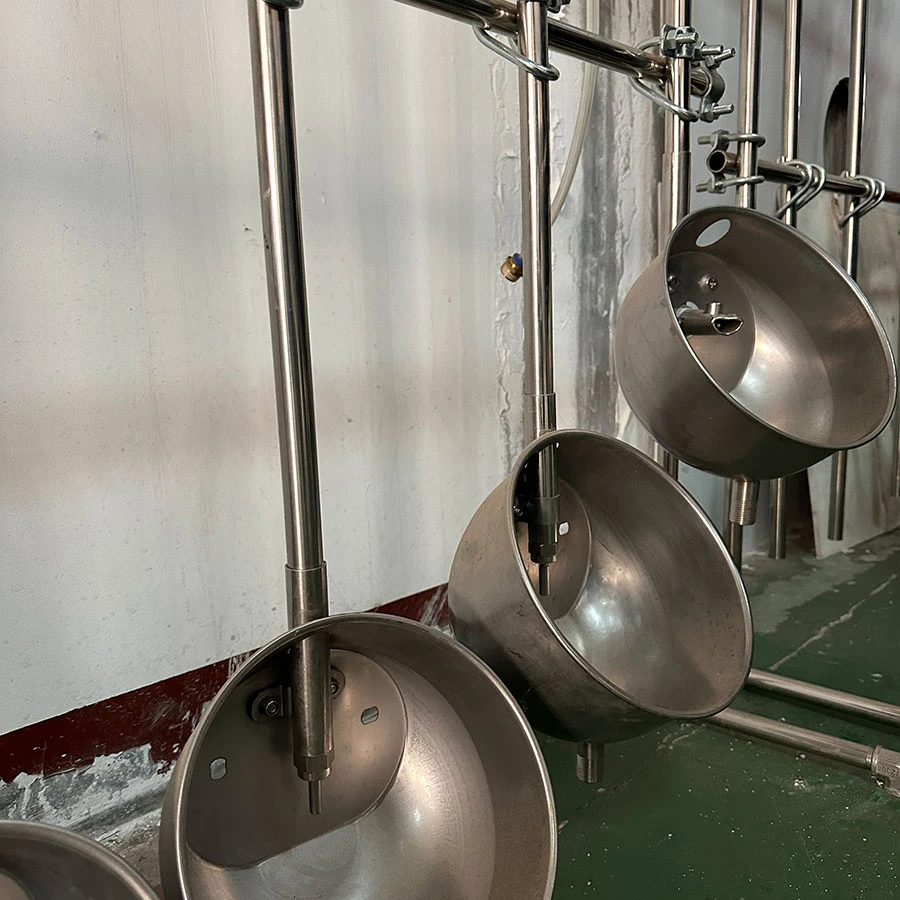
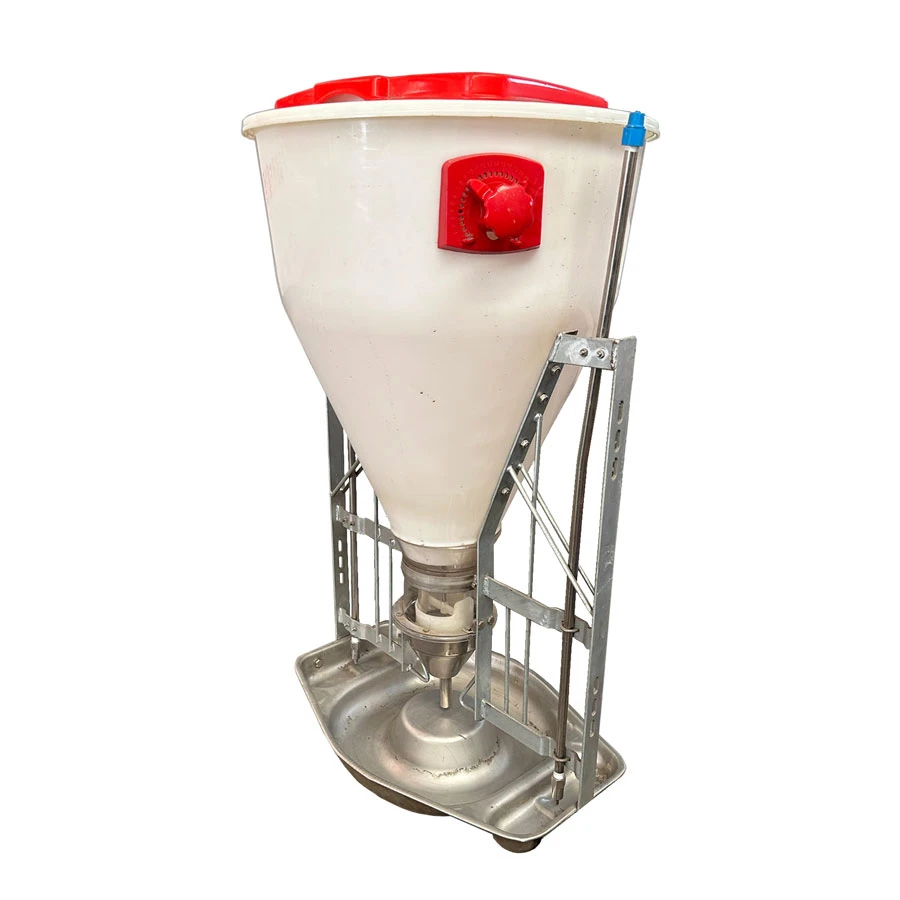
So, what exactly is a hog trough feeder? In simplest terms, it’s a long, shallow container—often made of metal, plastic, or wood—designed to hold and dispense feed for pigs. The trough typically sits at a height that allows hogs to eat comfortably, reducing feed spillage and accommodating multiple animals at once. This feeder links directly to modern animal husbandry’s goals: health, efficiency, and scalability. Unlike automatic feeders that rely on complex advanced machinery, hog trough feeders are often simple and manual, yet incredibly effective in the right setting. Humorously, if you picture a bunch of hungry pigs snuffling around a long basin, that’s basically it, but engineered thoughtfully to last, clean easily, and resist chewing or damage. In a humanitarian or development context, trough feeders are critical for small-scale farmers in resource-limited areas — enabling better nutrition and income generation from pig farming.Core Components and Features of Hog Trough Feeders
Let’s break down the key aspects that make a hog trough feeder function well:Durability
Feeders face a tough life—constant exposure to feed acids, moisture, and the blunt force of eager hogs. Materials like galvanized steel, heavy-duty polyethylene, or treated hardwood can really stretch the feeder’s lifespan, some lasting 5+ years with little maintenance.Capacity
Sizing matters. Too small a trough forces constant refills and causes squabbles; too large, and feed may go stale or get wasted. Common sizes range from 1 to 4 feet in length, holding roughly 10–50 kg of feed, depending on farm size.Ease of Cleaning
Feeders that trap moisture or feed residue easily invite mold or bacteria that can sicken animals. Smooth surfaces, detachable trays, or sloped designs make cleaning quicker and more thorough, preserving hog health.Cost Efficiency
The price tag must balance quality and affordability. Many farmers find that investing in a slightly pricier, durable feeder cuts down replacement and feed waste costs dramatically over a few seasons.Accessibility and Behavior
Trough design encourages natural feeding behavior and reduces competition or aggression. Some setups divide the trough into sections or add barriers, letting timid animals eat without stress. Mini takeaway: A great hog trough feeder strikes a blend of durability, appropriate capacity, hygiene, cost, and animal-friendly design.Where Do Hog Trough Feeders Shine Globally?
These feeders find their homes everywhere from industrial-scale farms in the US and China to smallholder farms in Sub-Saharan Africa. In countries with rising pork demand—like Vietnam or Brazil—they support vast commercial operations. Meanwhile, NGOs often promote durable trough feeders in post-disaster or rural development projects to boost food security. Take the Midwest USA, where large hog producers employ trough feeders adapted for automated refill systems, saving labor hours and improving feed consistency. Oddly enough, in parts of rural Kenya, simple plastic trough feeders have revolutionized pig rearing, allowing families to increase income through healthier animals.Use Case: Post-Disaster Livestock Recovery
After floods or droughts, rebuilding livestock farms means quickly restoring feeding systems. Portable and robust trough feeders become lifelines, enabling rapid restocking and reducing mortality due to starvation or poor feed mix. Mini takeaway: The hog trough feeder proves invaluable across scales and regions—scalable, cost-effective, and adaptable from commercial farms to relief programs.Advantages and Unexpected Benefits
Okay, let’s get to the meat of why these feeders matter: - Cost Savings: Reduces feed waste by up to 30%, cutting operational expenses. - Animal Welfare: Clean, well-designed troughs support healthier pigs, boosting growth rates and disease resistance. - Sustainability: Less wasted feed means less environmental impact and more efficient resource use. - Longevity: Durable feeders can last many seasons, lowering replacement frequency. - Social Impact: Supports small farmers by improving pig-rearing efficiency and income streams. Emotionally, it’s satisfying for farmers to see pigs eating happily from a well-maintained trough—like they've cracked an age-old code of animal husbandry. Honestly, in a business where margins can be tight, these feeders offer a sense of control and reliability.What’s Next for Hog Trough Feeders?
Innovation in hog feeding is quietly humming along. Here’s what’s catching momentum: - Smart Materials: Antimicrobial plastics and self-cleaning coatings reduce contamination risks. - Automation Linkages: Sensors that monitor feed levels to trigger refills or alert farmers. - Eco-Friendly Designs: Use of recycled or biodegradable plastics to reduce environmental footprint. - Modular Systems: Interchangeable parts to reshape the feeder for different production cycles or animal sizes. Some engineers are experimenting with IoT-enabled feeders that optimize feed types and quantities dynamically—maybe it feels like science fiction now, but it’s creeping toward reality.Common Challenges and How to Tackle Them
Not everything is perfect. Typical snag points include: - Feed contamination: Moisture buildup invites mold—regular cleaning is a must. - Durability issues: Cheap feeders snap or corrode; buy quality but test for your context. - Animal fighting: Design recesses or bait sections to prevent dominant pigs from hogging all the food. The solution? Combining knowledge with quality products and maintenance routines. Many farmers swear by simple tweaks—like raising troughs on stands or adding covers—to keep feed fresh and reduce spillage.Frequently Asked Questions About Hog Trough Feeders
- What material is best for a hog trough feeder?
- Galvanized steel and high-density polyethylene are preferred for their durability, resistance to corrosion, and ease of cleaning. Wood can work but tends to absorb moisture and degrade faster.
- How often should I clean a hog trough feeder?
- Ideally, after every feeding cycle to prevent mold and bacterial growth. At minimum, weekly deep cleaning is recommended to maintain animal health.
- Can trough feeders be used in outdoor farms?
- Yes, but it's important to choose weather-resistant materials and possibly add covers to prevent rainwater contamination and feed spoilage.
- How do hog trough feeders reduce feed waste?
- By providing a designated feeding space that controls spillage and allows easy access for pigs, troughs minimize feed scattering and wastage compared to on-ground feeding.
Hog Trough Feeder: Technical Specifications
| Specification | Value / Feature |
|---|---|
| Material | Galvanized steel or HDPE plastic |
| Length | 1.2 m (4 feet) standard, customizable |
| Height | 30 - 50 cm adjustable legs |
| Feed Capacity | Up to 50 kg |
| Weight | 10 - 15 kg (depending on material) |
| Cleaning | Detachable trays / smooth surfaces |
Vendor Comparison: Popular Hog Trough Feeders
| Vendor | Material | Price Range | Durability (Years) | Special Features |
|---|---|---|---|---|
| CXL Livestock | HDPE Plastic | $$ (50-100 USD) | 5+ | Removable pan, weather resistant |
| FarmStrong | Galvanized Steel | $$ (70-130 USD) | 7+ | Reinforced frame, anti-chew design |
| AgriTools | Wood with Metal Reinforcement | $ (40-80 USD) | 3-4 | Custom sizes, eco-friendly materials |
For farmers or organizations looking for reliable hog trough feeders, hog trough feeder models by CXL Livestock offer a great balance of durability and cost—especially worth considering if you want something that lasts and supports healthy pigs.
Wrapping It Up: Why Investing in Quality Feeder Systems Pays Off
The story behind hog trough feeders is more than metal or plastic trays. It’s about feeding billions of animals efficiently, sustainably, and humanely. These feeders reduce waste, support animal welfare, and provide livelihood security to a huge slice of the global population. If you’re a farmer, agribusiness, or NGO focused on livestock health and cost-effective production, investing time to select the right hog trough feeder—optimized for your conditions—can make a substantial difference in your results. For the future, with waves of innovation and sustainability pressures, these feeders will keep evolving, quietly supporting the backbone of global pork supply chains. If you want to explore industry-leading options and practical solutions, visit CXL Livestock’s hog trough feeder page—there’s a lot more to discover about making feeding smarter. ---References
Post time: Dec . 02, 2025