What Is a 2 Hole Hog Feeder and Why It Matters Globally
In livestock farming, especially hog rearing, efficient feeding systems are nothing short of game changers. Among these systems, the 2 hole hog feeder stands out for its practicality and cost-effectiveness. At first glance, it might seem like a niche product — but when you zoom out and consider global pork production, food security, and sustainable farming, it’s a small but crucial player.
Why care? Globally, pork is one of the most consumed meats, with the Food and Agriculture Organization (FAO) estimating over 110 million tons produced annually. Maximizing feed efficiency while minimizing waste isn’t just good business; it addresses the world's ever-growing demand for sustainable animal agriculture. This makes tools like the 2 hole hog feeder indispensable in improving farm productivity worldwide.
Global Context: The Role of Feeding Efficiency in Modern Hog Farming
According to the World Bank, emerging economies in Asia and Latin America are ramping up pork production to meet growing domestic and export demands. Yet, small- and mid-sized farmers often face challenges: feed wastage, inconsistent feed delivery, and disease risk from overcrowding at feeding points. Enter the humble 2 hole hog feeder — a device engineered to alleviate many of these issues.
When feed is expensive (accounting for up to 70% of production costs), cutting losses matters. Additionally, by optimizing feeder design and usage, farms can reduce environmental impacts such as methane emissions from spoiled feed and runoff pollution. It feels like one of those “why didn’t we do this sooner?” moments in farming tech.
Defining the 2 Hole Hog Feeder
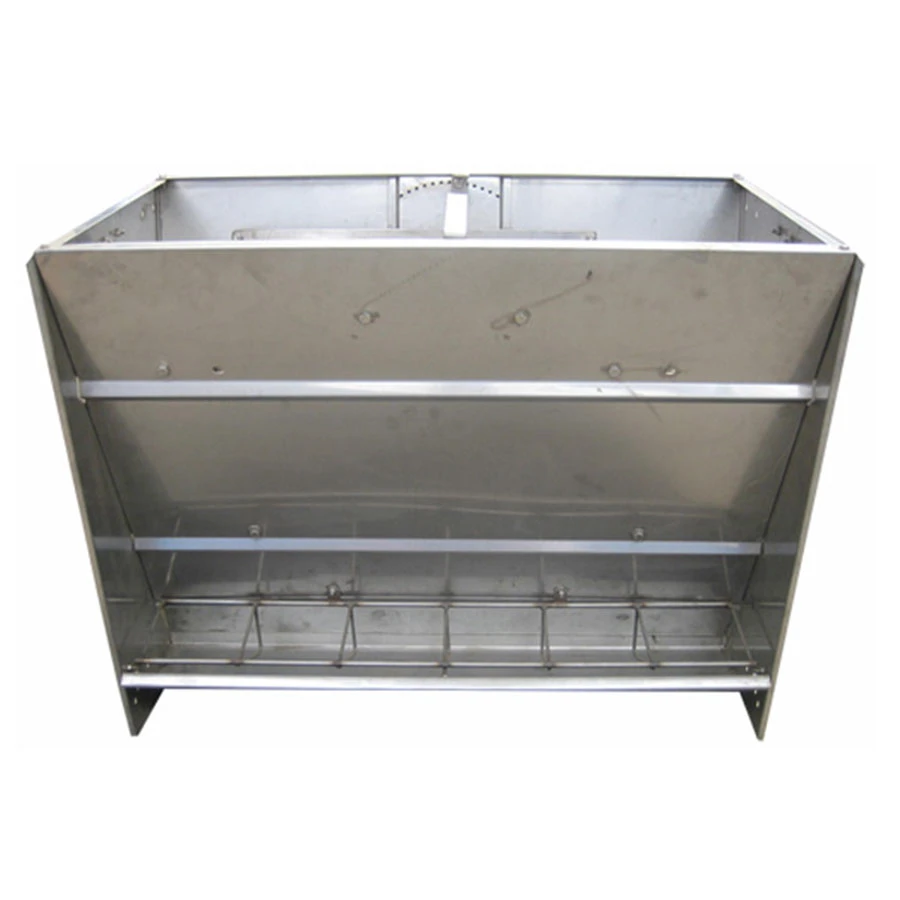
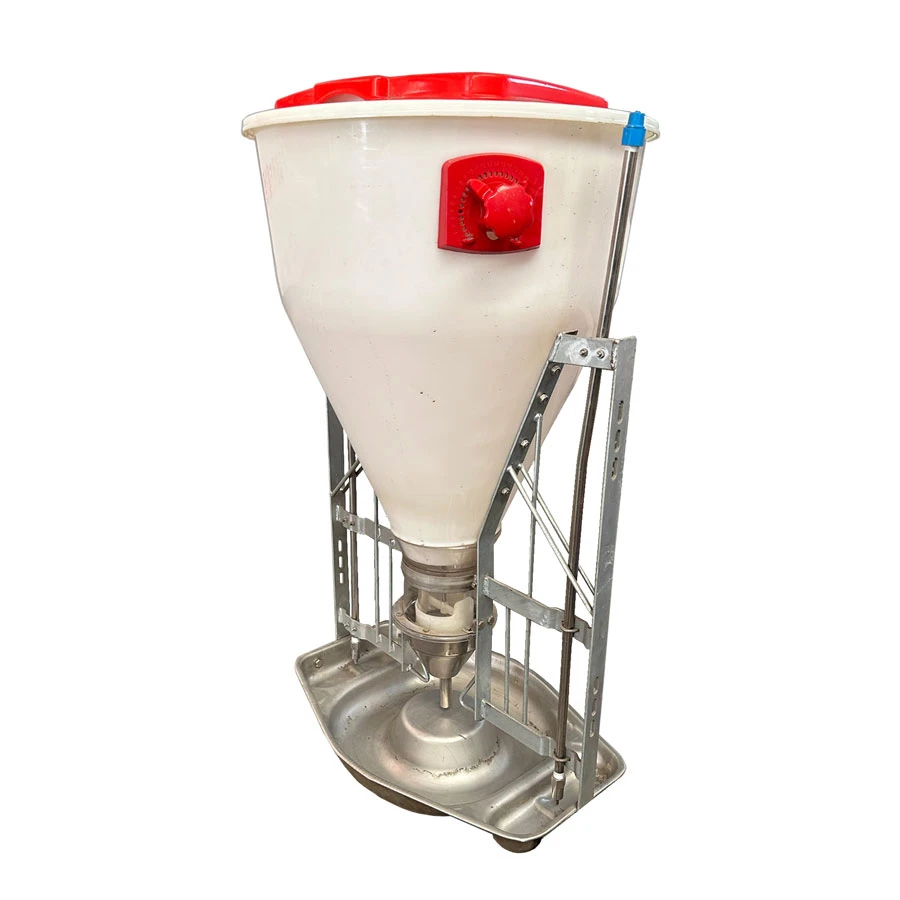
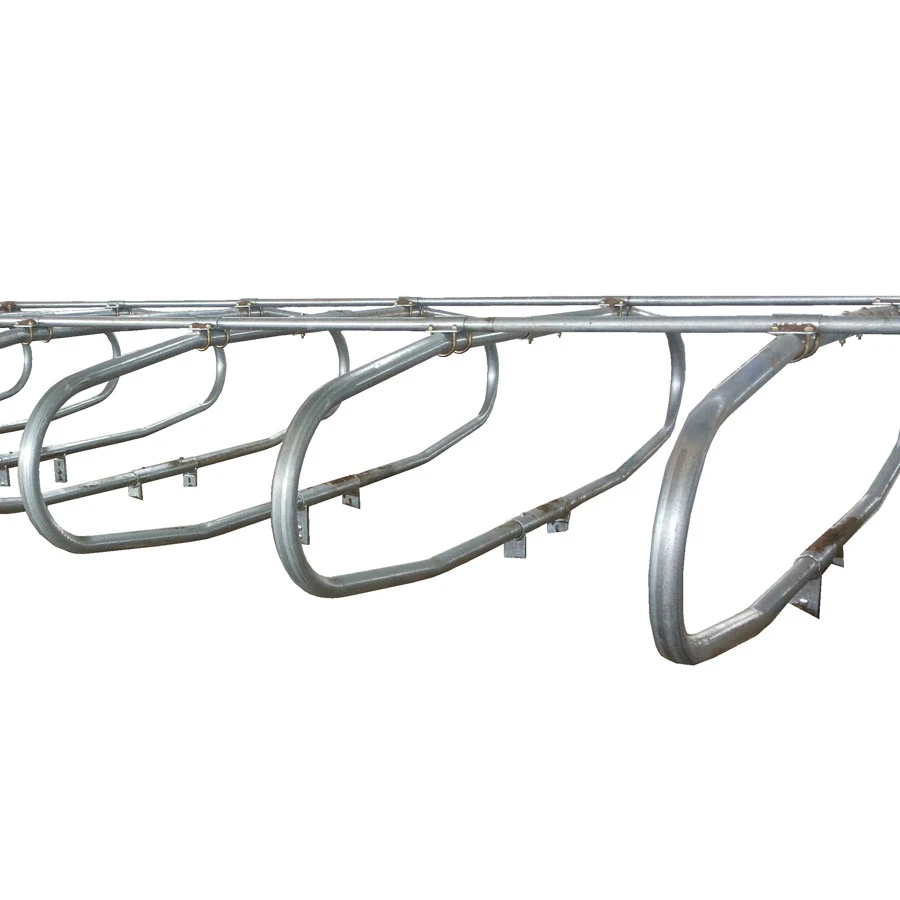
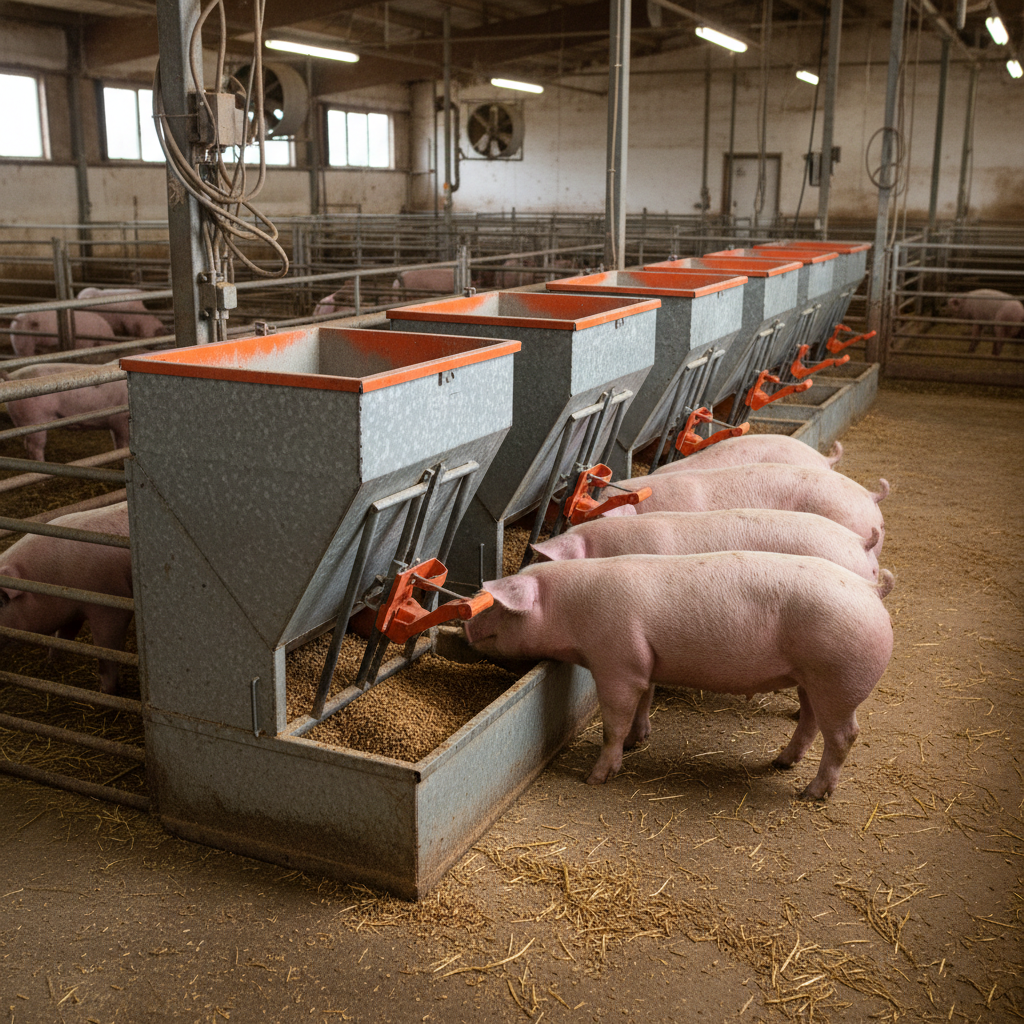
Put simply, a 2 hole hog feeder is a specialized feeding trough designed to allow exactly two hogs to feed simultaneously. This design balances accessibility and resource management — avoiding feed overcrowding, aggression, and waste. Unlike single-hole feeders or open troughs, this model provides controlled portions and encourages even feeding behavior.
Its relevance extends from commercial farms to humanitarian rural projects where efficient resource usage is a priority. Because the feeder supports healthier animals and predictable feed consumption, it contributes to better growth rates — an undeniably valuable factor in feeding a growing global population.
Core Components of the 2 Hole Hog Feeder
Durability
The feeders are typically made from heavy-duty galvanized steel or high-density polyethylene. Both materials resist rust and damage from weather or hog interaction. Some modern units include UV-resistant finishes, which is key for outdoor durability. I noticed that farms near coastal areas especially prefer the corrosion-resistant models — salt air isn’t kind to metal.
Design for Animal Welfare
The “two holes” aren't just about how many pigs can eat at once; they're spaced to reduce fighting or stress. Rounded edges and smooth surfaces prevent injury. It’s a small design detail that prevents big losses!
Ease of Cleaning and Maintenance
Feeders with removable lids and sloped bottoms make cleaning simple and fast. Hygiene means less disease transmission — a real lifesaver in dense pig populations.
Cost Efficiency
Relative to multi-hole feeders or automated systems, the two-hole approach is budget-friendly yet surprisingly effective. Many producers I talked to swear it’s the “sweet spot” for balancing investment and returns.
Feed Control and Waste Reduction
The slots regulate how much feed each hog can access. This decreases feed spills onto the ground, which not only wastes money but attracts pests. It’s essentially like portion control for hogs, helping farmers keep tabs on feed consumption accurately.
Practical Applications Across Regions and Industries
North American commercial farms use 2 hole hog feeders extensively due to their robustness and simplicity. Meanwhile, smaller farms in Southeast Asia and Africa appreciate how these feeders support sustainable, scalable livestock projects. For example:
- Post-disaster agriculture recovery: NGOs distribute these feeders with starter piglets in regions recovering from drought or flooding to jumpstart food security.
- Remote island farms: The compact and durable design fits well where shipping resources are limited.
- Local cooperatives: Shared feeders aid multiple small-scale farmers, increasing collaboration and reducing costs.
Considering such diverse uses, their practical design adapts well beyond just the farm—sometimes even educational farms adopt them to teach sustainable animal husbandry.
Mini Takeaway:
Efficiency, durability, and animal welfare meet in the 2 hole hog feeder, making it a quiet hero of modern pig farming worldwide.
Advantages and Long-Term Value of Using 2 Hole Hog Feeders
Let’s get real: farms need tools that last and pay off. The two hole feeders offer cost savings by reducing feed wastage and animal injury. Less waste also means a smaller ecological footprint — something increasingly important in an era of climate awareness supported by ISO environmental standards.
Socially, they contribute to better animal welfare, which translates into healthier pigs and higher quality meat. Farmers gain trust with their customers and may benefit from certifications emphasizing sustainability. Plus, humane treatment is simply the right thing to do, adding an ethical dimension.
Product Specification Table
| Feature | Specification |
|---|---|
| Material | Galvanized Steel / HDPE |
| Capacity | ~20 kg feed per feeder |
| Dimensions | 60 cm L × 40 cm W × 25 cm H |
| Weight | 5–7 kg depending on material |
| Feeding holes | 2 (approx. 15 cm diameter) |
| Cleaning Features | Removable lid, sloped base for drainage |
Vendor Comparison: Leading 2 Hole Hog Feeder Manufacturers
| Vendor | Material Options | Price Range (USD) | Warranty | Global Availability |
|---|---|---|---|---|
| FarmPro Equipments | Galvanized Steel | $45–$55 | 2 Years | North America, Asia |
| RuralFeeder Systems | HDPE, UV-Resistant | $35–$50 | 1 Year | Africa, South America |
| AgroSwift Solutions | Galvanized Steel / Plastic Hybrid | $50–$60 | 3 Years | Global |
Emerging Trends and Innovations in Hog Feeder Design
One of the trends I find fascinating is the integration of IoT sensors into feeders, capable of monitoring feed levels and hog feeding patterns in real time. This digital transformation hints at smarter farms where feed usage is optimized down to the gram, potentially reducing costs and disease risk even further.
Materials science is also pushing boundaries — with recycled plastics and bio-composites entering the arena to make feeders even greener. It’s not just about performance anymore but also about sustainability credentials. And as government regulations tighten around waste and animal welfare, manufacturers are racing to keep pace with innovation.
Challenges & Practical Solutions
Of course, no solution is perfect. Some farmers report issues with feeder clogging, especially when using mixed feed types. Others find that in extreme weather conditions, non-metal models can crack or warp. But clever fixes exist: adjustable feeder openings, weather shelters, and using feeders as part of a rotational grazing system reduce these problems.
Sometimes it’s also a matter of training farmers to maintain and clean feeders properly — I’d say education remains as important as technology. This holistic approach often bridges the gap between “potential” and “actual” benefits.
FAQ: Clearing Up Common Queries About 2 Hole Hog Feeders
- Q: Can these feeders be used with piglets as well as adult hogs?
A: Yes, but sizes vary. Some 2 hole feeders are designed specifically with adjustable feeding hole sizes to accommodate piglets and avoid overcrowding or choking risks. - Q: How often should the feeders be cleaned?
A: Ideally, feeders should be cleaned daily or at least every other day to prevent mold growth and contamination. Regular cleaning also reduces disease spread. - Q: Are 2 hole hog feeders suitable for large-scale commercial farms?
A: They are best suited for small to mid-sized operations. Large commercial farms often use multi-hole or automated feeding systems for scalability. - Q: Do these feeders require special installation?
A: Typically, no special installation is needed. They can either be free-standing or mounted on pen walls, depending on preference and space.
Wrapping Up: Why 2 Hole Hog Feeders Remain a Smart Choice
In the big picture, the 2 hole hog feeder embodies a philosophy of smart, sustainable animal husbandry. They’re a simple yet highly effective tool that fits a wide range of farming contexts — from family-run operations to NGO-driven agricultural programs. It’s a reminder that sometimes, innovation isn’t about complexity but thoughtful design and understanding real needs.
If you’re interested in exploring feeding solutions tailored for your livestock needs, check out our selection of feeders and accessories at 2 hole hog feeder. Efficient feeding starts here—and frankly, it could make all the difference to your farm’s bottom line and the health of your animals.
References:
Post time: Dec . 02, 2025