Understanding Cattle Handling Equipment for Sale: A Vital Link in Livestock Management
When you think about cattle handling equipment for sale, you might first picture fences and gates or perhaps the sleek, curved alleyways that guide animals calmly through processing. But this kind of equipment is much more than just farmyard fixtures. Globally, effective cattle handling solutions have huge implications: for animal welfare, operational efficiency, safety, and even international meat supply chains. Understanding the types, benefits, and trends in this equipment is critical for farmers, livestock managers, and agricultural industry professionals alike.
It’s no exaggeration to say that what happens in the cattle handling arena impacts food security and rural livelihoods worldwide.
Why Cattle Handling Equipment for Sale Matters Globally
Livestock farming is a backbone for millions globally, responsible for about 40% of global agricultural GDP according to the UN’s Food and Agriculture Organization (FAO). Yet the process of managing cattle—from sorting to medical checks to loading—often remains a bottleneck. Poorly designed or inadequate handling equipment can lead to increased animal stress, injury, and lowered productivity. On the flip side, modern cattle handling systems have been shown to improve safety for both animals and handlers, reduce labor costs, and boost throughput.
Given that around 1.5 billion cattle are raised worldwide (World Bank, 2023 data), the sheer scale of demand for robust, humane handling equipment is enormous. But with different regional needs, from smallholder farms in sub-Saharan Africa to industrial feedlots in the US or Australia, the equipment has to be scalable and adaptable.
It’s a real challenge — and an opportunity.
What Exactly is Cattle Handling Equipment for Sale?
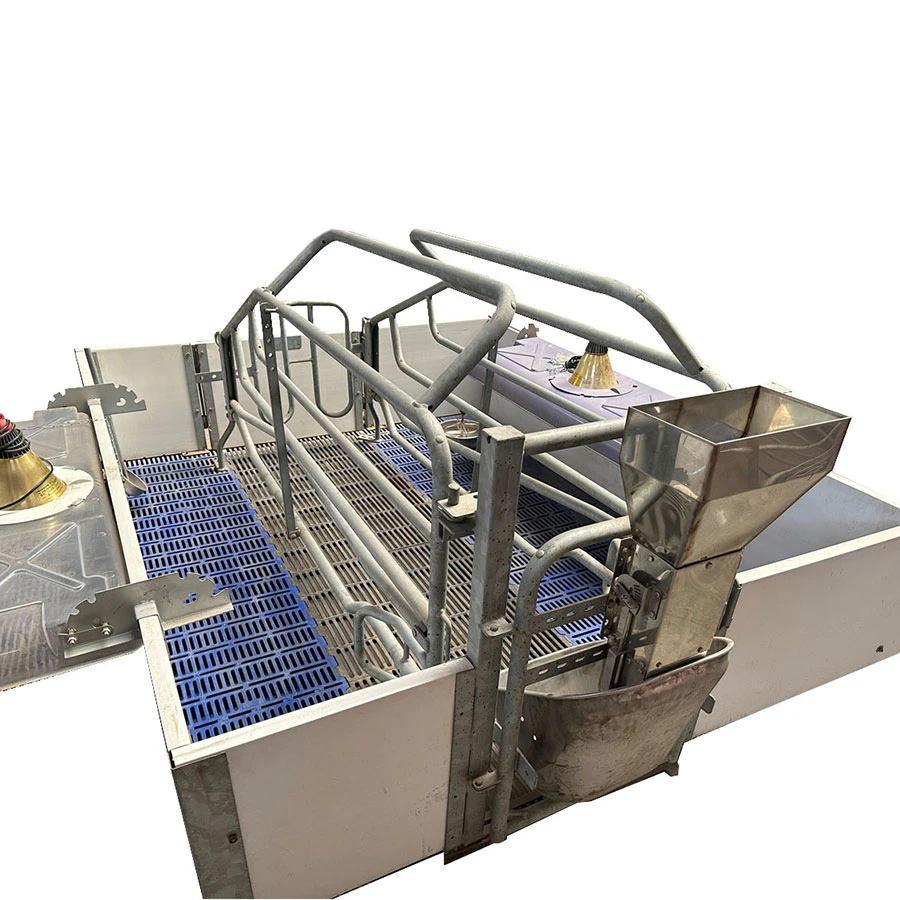
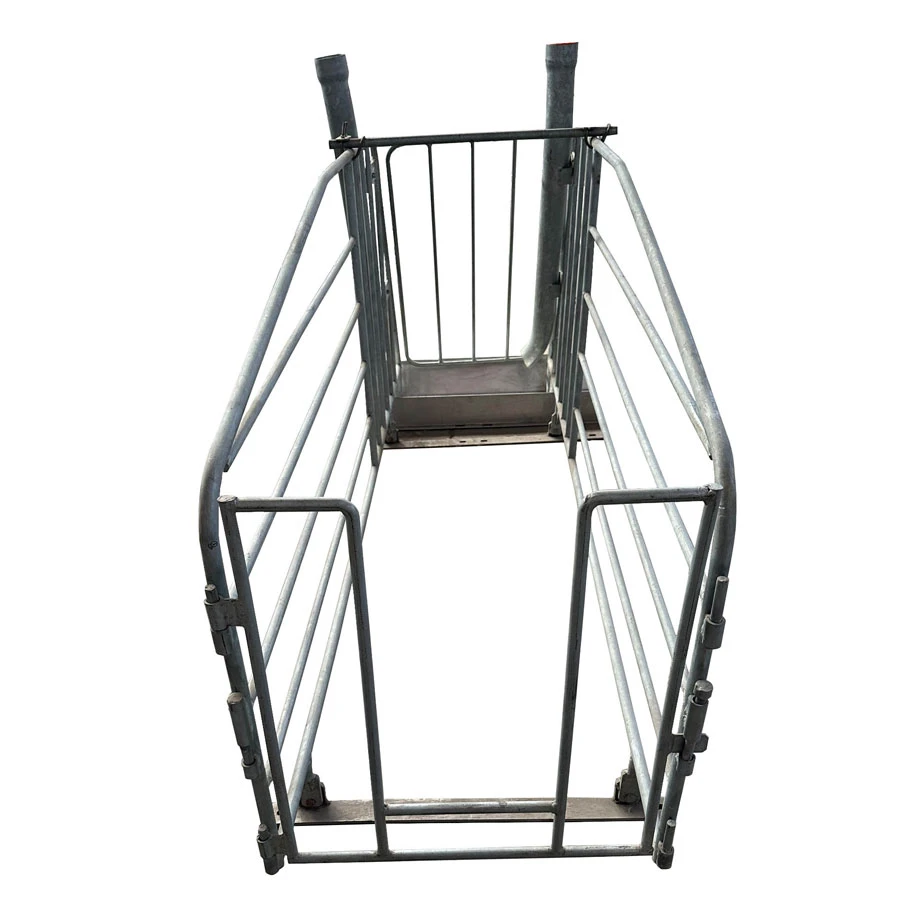
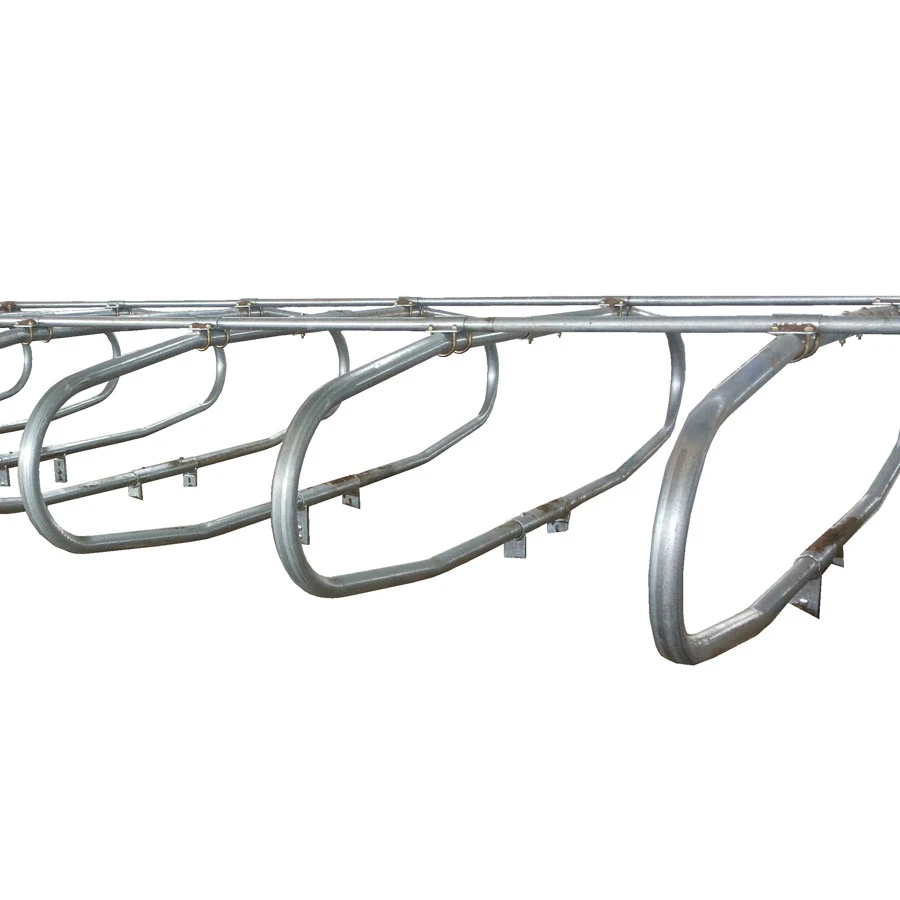
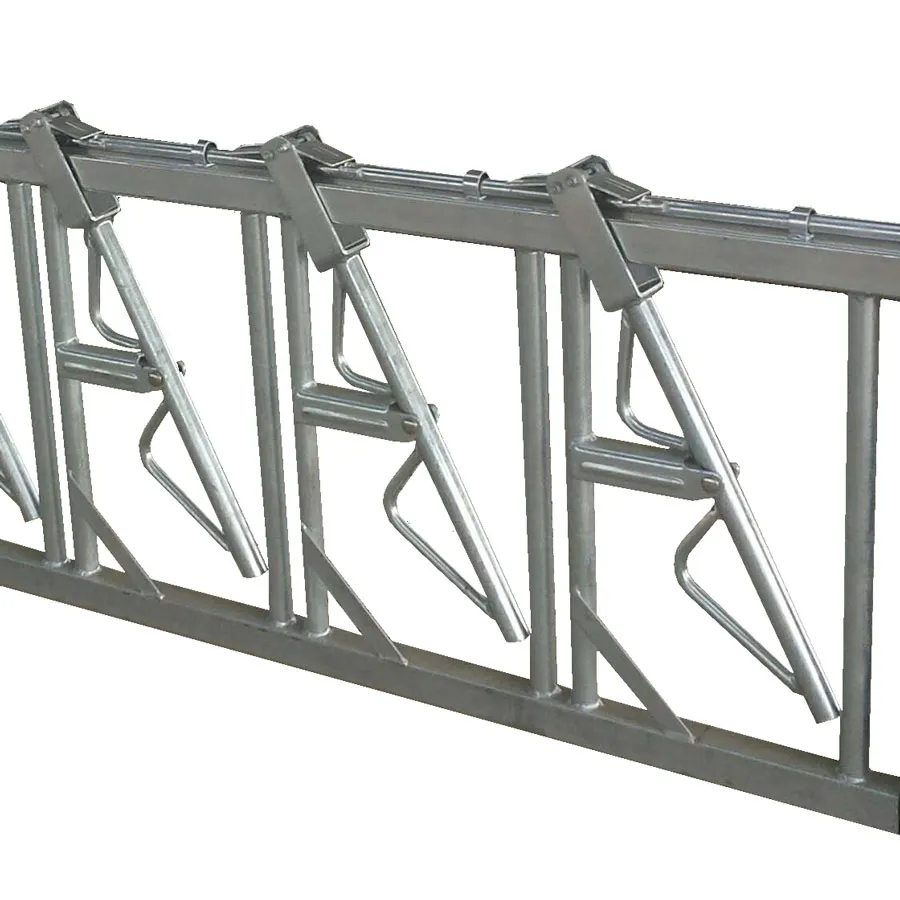
Simply put, cattle handling equipment refers to the collection of tools and installations designed to safely control, restrain, and move cattle. This includes items such as cattle chutes, gates, pens, headlocks, loading ramps, and squeeze crushes. Their primary goal? To minimize stress and injury to animals during routine management tasks like vaccination, tagging, weighing, and loading for transport.
These devices connect modern livestock practices with evolving standards for animal welfare, worker safety, and operational productivity. In many ways, they’re the unsung heroes in sustainable meat and dairy supply chains.
Core Components of Effective Cattle Handling Equipment
Durability and Material Quality
Equipment needs to withstand outdoor exposure and substantial physical forces. Galvanized steel and powder-coated finishes are key to preventing rust and damage. Many operators also look for modular designs that allow easy repair or expansion.
Animal Welfare Considerations
Round corners, smooth surfaces, and non-slip flooring reduce injuries and stress responses. The better the animal experience, the easier and safer the handling process becomes. This aligns closely with ISO standards on animal welfare (ISO 12088).
Scalability and Customization
Whether you’re managing 50 cattle or 5,000, the equipment should adapt. Modular pens and adjustable chutes allow configurations for different herd sizes and breeds. Many vendors now offer tailor-made solutions based on individual farm needs.
Ease of Use for Handlers
Ergonomic design reduces labor fatigue and injury risk among workers. This includes accessible gate handles, well-positioned control panels (where digital tech is integrated), and efficient layouts to minimize walking distances.
Cost Efficiency Over Time
While upfront costs vary, investing in high-quality handling equipment pays off by reducing cattle losses, labor expenses, and downtime. Some suppliers offer financing or leasing options, which can ease cash flow challenges.
Compliance and Safety Features
Modern equipment often includes safety locks, emergency exits for cattle, and meets regional regulatory requirements. This is essential to avoiding fines and ensuring a trusted operational reputation.
Mini takeaway: Durable, animal-friendly, and userable — these core features make cattle handling equipment a sound investment, no matter where your operation is.
Global Applications and Real-World Use Cases
This equipment is not just for commercial feedlots. Around the world:
- In Sub-Saharan Africa, small-scale farmers use portable handling panels combined with local materials to create low-cost pens.
- In Australia, multi-tonne high-capacity cattle crushes help streamline vaccine delivery during mustering season.
- Post-disaster relief efforts have incorporated mobile handling units shipped quickly to affected zones, enabling safety checks and disease control.
- Research institutions employ advanced digital sensors on handling chutes to monitor stress and health metrics in real time.
Each region (and use case) shows an innovative twist on how cattle handling equipment meets specific challenges — from rugged terrain to vast herds.
Specification Table: Typical Cattle Handling Equipment Features
| Equipment Type | Material | Capacity | Standard Features | Typical Price Range |
|---|---|---|---|---|
| Cattle Crush | Galvanized Steel | 1 head | Adjustable sides, head restraint | $3,000–$5,500 |
| Loading Ramp | Steel with non-slip surface | Varies by width, up to 5000 lbs | Adjustable height, side rails | $1,000–$2,500 |
| Sorting Panel | Powder-coated steel | Up to 50 head | Quick lock gates, modular design | $1,500–$4,000 |
Advantages and Long-Term Value of Quality Equipment
One thing I’ve noticed when talking to cattle farmers is that good equipment often pays for itself in just a few years. Here’s a sort of checklist of benefits:
- Animal welfare: Gentle handling reduces bruises and stress, resulting in better meat quality and healthier animals.
- Worker safety: Far fewer injuries from kicks or accidental crushes, lowering insurance and downtime.
- Efficiency: Faster processing means less labor, quicker vaccination rounds, and improved herd management.
- Longevity: Durable materials and smart designs last decades, making the cost-per-use attractive.
- Social License: Consumers and regulators increasingly demand humane treatment — good handling practices build trust.
It’s worth emphasizing that these benefits often ripple beyond the farm gate, shaping rural livelihoods and trade reputations.
Comparing Top Cattle Handling Equipment Vendors
| Vendor | Product Range | Customization | Price Level | Warranty & Support |
|---|---|---|---|---|
| ProAg Systems | Complete handling & facility sets | Highly customizable | Mid to high | 5 years + onsite support |
| RanchTech Solutions | Focus on hydraulic crushes & gates | Moderate customization | Mid range | 3-year warranty, phone support |
| LivestockGear | Standardized modules & panels | Limited customization | Budget-friendly | 1-year warranty, FAQ & DIY guides |
Emerging Trends in Cattle Handling Equipment
Not to be left behind, the industry is embracing some smart tech and sustainable materials:
- Digital Integration: Sensors track animal stress, weight, and temperature in real time during handling, allowing prompt health interventions.
- Automation: Robotics and gate automation reduce human labor and increase consistency.
- Eco-Friendly Materials: New composites that don't corrode and reduce environmental footprint.
- Modular & Portable Systems: Making it easier to deploy equipment for remote or temporary grazing setups.
Many ranchers I spoke with are excited but cautious — the upfront cost and complexity remain challenges but the future looks promising.
Common Challenges and Practical Solutions
Of course, not everything’s perfect. Issues include:
- High initial capital costs: Many smaller farms struggle to afford premium setups. Leasing and government subsidy programs can help.
- Maintenance needs: Keeping equipment operational requires training and parts availability. Opting for modular, standardized parts simplifies this.
- Adaptation to breed and regional variations: Not all pens or crushes fit well with every cattle type. Custom sizing and consultation mitigate mismatch risks.
- Animal behavior variability: Even the best equipment can’t fully control a scared or stressed animal; handler expertise remains essential.
Many equipment suppliers now provide comprehensive user training, installation support, and thoughtful after-sales care to address these.
FAQ: Frequently Asked Questions About Cattle Handling Equipment for Sale
Q1. How do I choose the right size cattle crush for my herd?
A: Consider the breed size, herd numbers, and handling tasks. For larger or more aggressive breeds, a robust steel crush with adjustable sides is preferable. Start small if possible and scale modularly to your herd’s growth.
Q2. Can mobile cattle handling equipment be used on uneven terrain?
A: Yes, many portable panels and chutes are designed with adjustable legs and supports to accommodate uneven ground. However, a level base improves safety and operation speed, so some site preparation might be needed.
Q3. Is investing in automated gates worthwhile?
A: Automated gates improve efficiency and reduce physical strain but come at higher cost and require maintenance. For large-scale or high-throughput operations, they can quickly pay off.
Q4. What are simple ways to maintain cattle handling equipment?
A: Regular cleaning, rust-proofing, lubricating moving parts, and inspecting welds help extend equipment life. Following manufacturer guidelines is crucial.
Q5. Are there affordable financing options available for small farmers?
A: Many vendors now offer leasing, installment plans, or work with agricultural finance programs. It’s worth discussing payment options upfront to ease cash flow.
In Conclusion: Why Investing in Cattle Handling Equipment is a Win-Win
Good cattle handling equipment for sale isn’t just merchandise on a catalog — it’s a critical asset that touches animal welfare, worker safety, farm efficiency, and ultimately, the global food system. By picking durable, scalable, and humane solutions, farmers can support sustainable operations and build trust with consumers increasingly mindful of where their food comes from.
If you’re considering upgrading or investing, now is an excellent time to explore options — from simple sorting panels to smart automated crushes. For a wide selection and reliable support, visit cattle handling equipment for sale and start your journey toward safer, smarter livestock management today.
References & Further Reading
Post time: Nov . 18, 2025