Understanding Slat Flooring for Poultry: Why It Matters Worldwide
Slat flooring for poultry might sound niche, but it's quietly reshaping poultry farming globally. For millions of farmers—from large industry players in the US and Europe to subsistence farmers in Southeast Asia—efficient flooring systems influence everything from animal health to operational costs. It’s about managing waste, reducing disease, and improving bird comfort, all while making poultry production more sustainable.
Globally, poultry is a cornerstone of food security. According to the Food and Agriculture Organization of the United Nations (FAO), over 50 billion chickens are raised each year worldwide. Systems like slat flooring reduce contamination and improve sanitation, which is crucial in controlling diseases that threaten both animal and human health. Understanding these flooring systems isn’t just technical jargon; it’s a cornerstone of improving animal welfare, farm efficiency, and, frankly, the economics of feeding billions.
Why the Global Poultry Industry Needs Smart Flooring Solutions
The demand for poultry products has surged in recent decades. The World Bank reports that meat consumption will rise significantly by 2030, pushing farmers to innovate. Traditional flooring methods often struggle with hygiene, causing increased mortality and costly interventions.
Slat flooring offers an answer. By providing a permeable surface allowing waste to fall through, these floors reduce ammonia buildup, minimize pathogen contact, and create an environment where birds can move freely without stepping in their own waste. From humid subtropical climates in Brazil to cold northern Europe, farmers face distinct challenges that slat floors help mitigate.
Still, adopting slat flooring isn’t just about plant or barn design. It’s a subtle mix of animal welfare, economics, and environmental factors—something many poultry producers haven’t fully grasped yet but are slowly coming around to.
What Exactly Is Slat Flooring for Poultry?
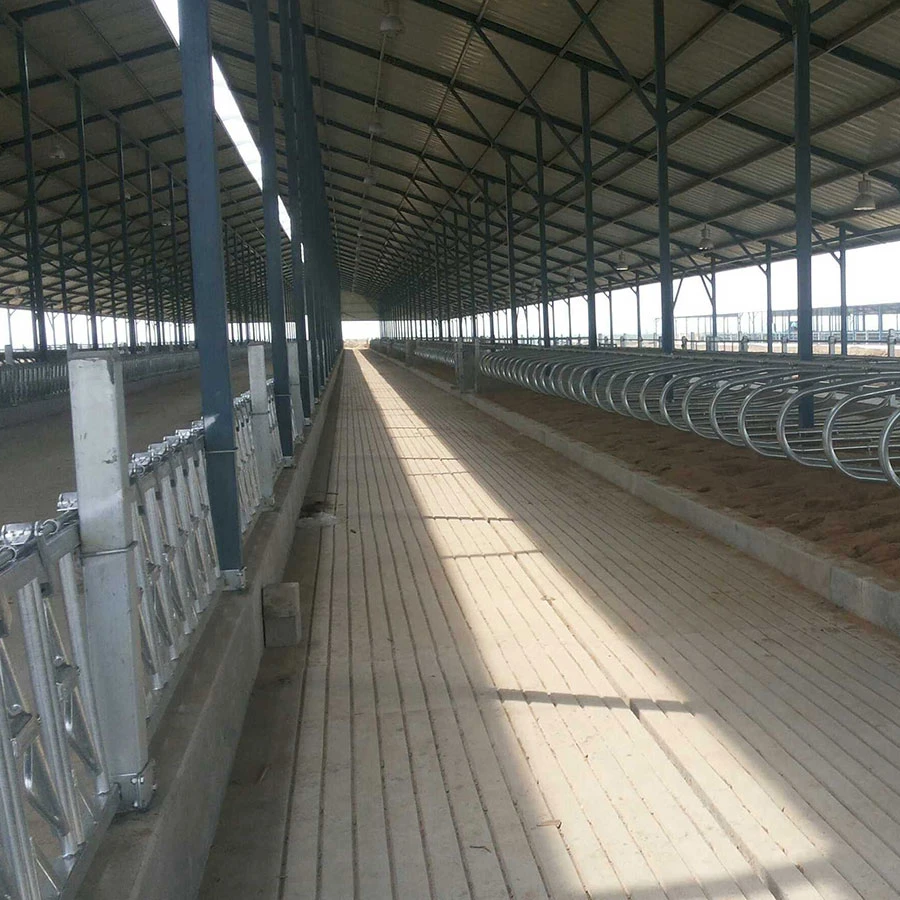
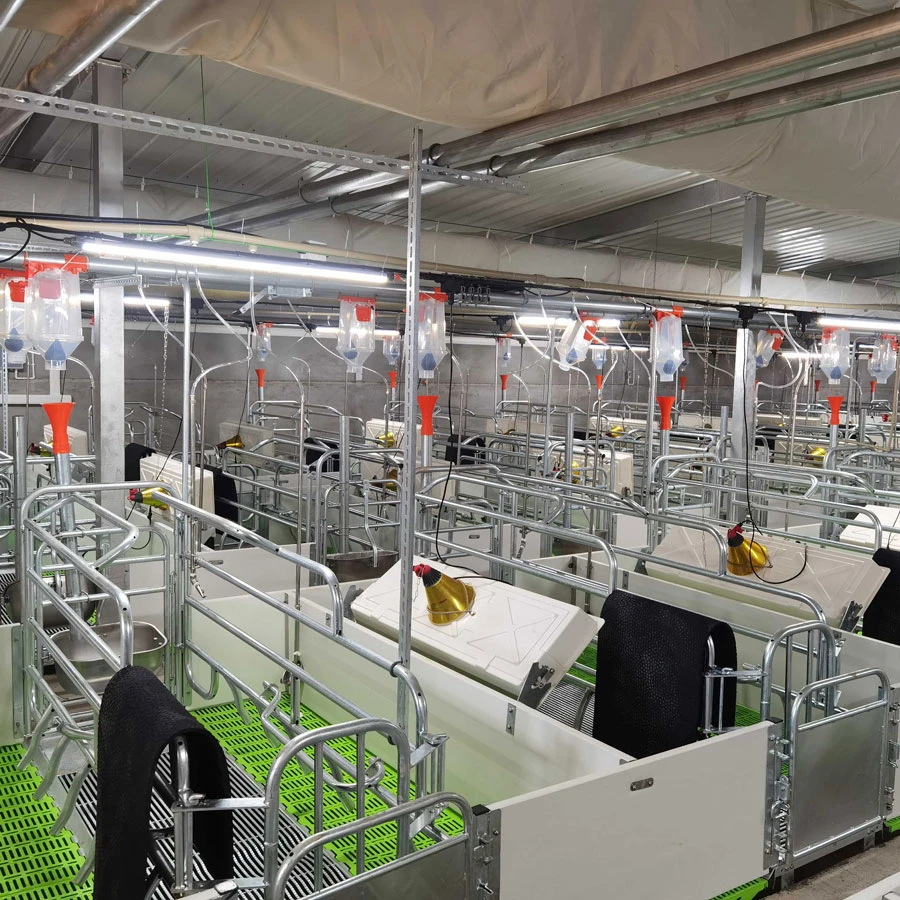
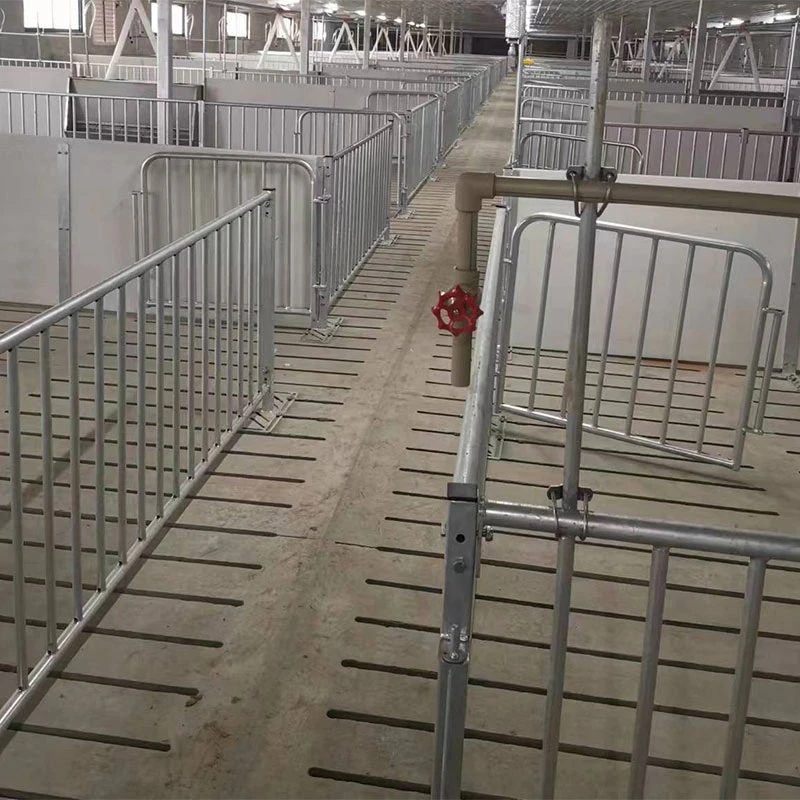
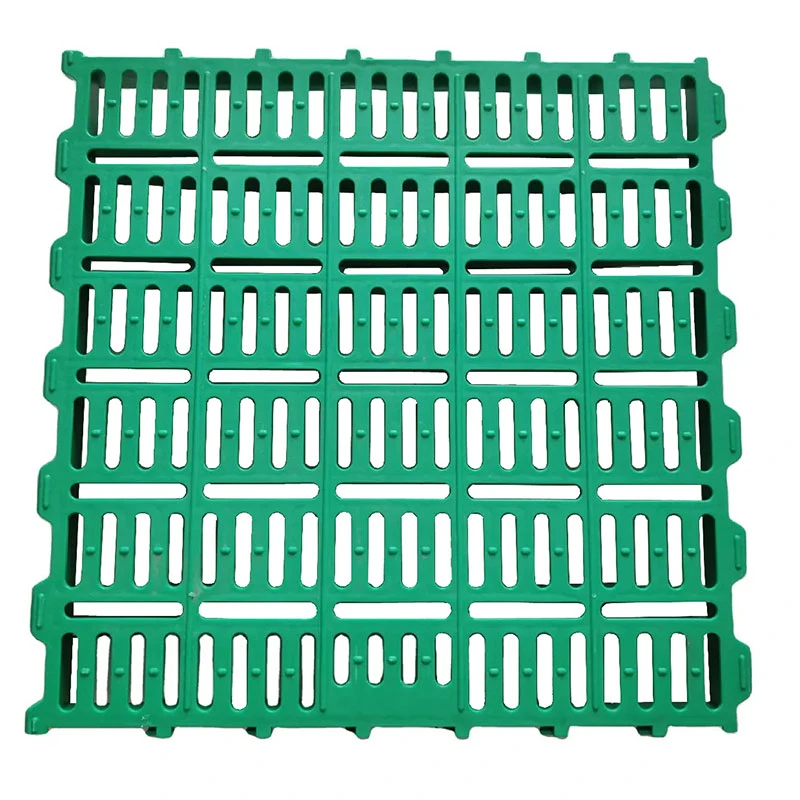
At its core, slat flooring refers to flooring systems made up of strips (or slats) with small gaps between them. These allow manure and debris to fall through to a collection or storage area below, keeping the birds’ surface cleaner and drier.
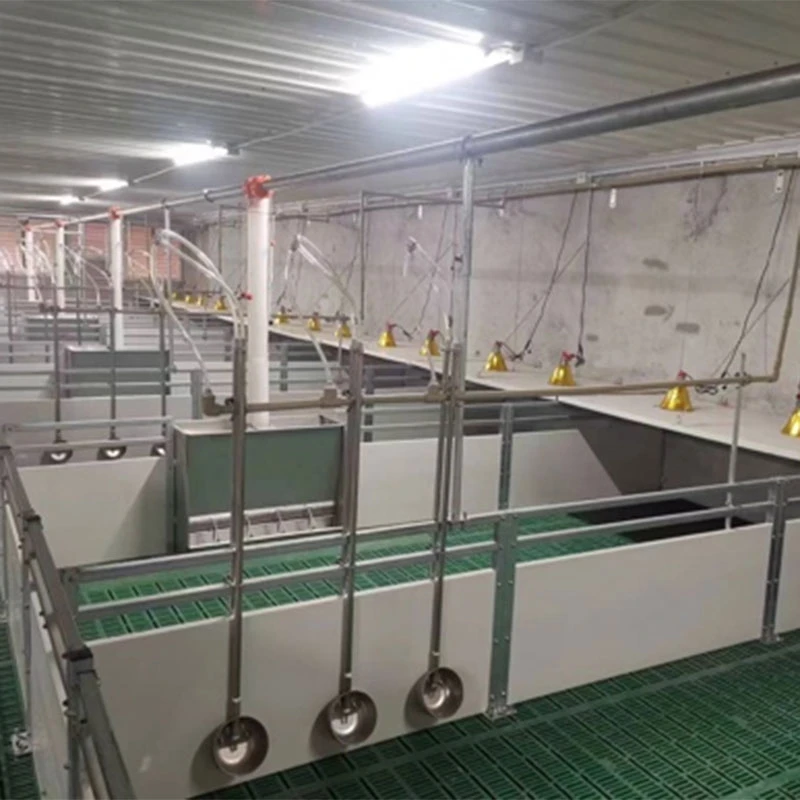
Think of it as a raised, perforated platform that supports birds but improves hygiene dramatically. Unlike completely solid floors or open dirt/soil, slatted floors help control moisture and disease spread without adding complexity. Often constructed from wood, metal, plastic, or composite materials, these systems reflect modern farming’s interests in automation, durability, and sustainability.
They’re used not just in barns but also in transit and quarantine, sometimes even in humanitarian relief zones where rapid setup can help restore food production after disasters.
Key Aspects to Consider When Choosing Poultry Slat Flooring
1. Durability and Material Choice
Many wonder whether wood, metal, or synthetic materials are best. Wood slats are traditional and affordable but can degrade quickly under constant moisture. Metal slats offer strength but may corrode without proper treatment, making plastic or composite slats the go-to for intensive commercial farming, offering resilience and easy cleaning.
2. Animal Comfort and Safety
Slats shouldn’t hurt the birds’ feet or cause excessive wear. The width of the gaps, surface texture, and overall design all affect how chickens move. Many engineers say getting this balance right reduces stress and injury, speeding growth and improving welfare.
3. Waste Management Efficiency
This flooring’s primary job is waste sorting: dropping manure efficiently while preventing bird droppings from accumulating on the slats themselves. Designs that allow better airflow reduce ammonia levels—a notorious poultry barn stressor responsible for respiratory ailments.
4. Scalability and Installation
Whether a backyard farmer or a commercial operator, scalability matters. Modular systems now allow quick expansions or partial upgrades without tearing everything down—pretty handy when your herd suddenly doubles.
5. Cost Efficiency Over Time
Initial expense varies widely, but slat flooring often pays for itself via reduced labor, veterinary costs, and feed efficiency. Long-term maintenance, though, needs factoring in—plastic slats usually win here, but some high-quality woods compete when treated properly.
Mini Takeaway:
Choosing the right slat flooring blends durability, bird comfort, waste control, scalability, and cost—the perfect cocktail for productive, sustainable poultry farming.
Global Applications and Real-World Use Cases
Slat flooring for poultry isn’t just a factory-floor fixture; it’s woven into the fabric of many agricultural narratives worldwide.
- Industrial Poultry Farms in the US and Europe: Standardized plastic or composite slats dominate, driven by hygiene regulations and automation needs.
- Smallholder Farms in Asia and Africa: Custom wood-based slats often built locally, balancing cost and availability.
- Disaster Relief and Post-Conflict Zones: Mobile slat flooring systems can be deployed to restart poultry production quickly, supporting food security and livelihoods.
- Remote or Harsh-Climates (e.g., Northern Russia): Elevated slat floors help mitigate moisture and ice buildup, essential for bird health.
These examples reveal how a seemingly simple product adapts to diverse environmental, economic, and social contexts.
Key Specifications of Popular Slat Flooring Systems
| Specification | Wooden Slats | Plastic Composite Slats | Metal Slats (Galvanized) |
|---|---|---|---|
| Material Life Expectancy | 2-5 years (dependent on treatment) | 7-12 years | 5-10 years (with coating) |
| Weight per m² | 6–8 kg | 4–6 kg | 10–15 kg |
| Cleaning Ease | Moderate; sensitive to moisture | High; water and chemicals resistant | Moderate; risk of corrosion |
| Cost (per m²) | $10 - $15 | $20 - $30 | $25 - $40 |
How Top Vendors Stack Up on Poultry Slat Flooring
| Vendor | Material Options | Environmental Certifications | Price Range | Notable Clientele |
|---|---|---|---|---|
| PoultryFloors Inc. | Plastic & Composite | ISO 14001 | $$$ | Tyson Foods, Perdue Farms |
| EcoSlat Solutions | Wood (treated), Metal | FSC Certified Wood | $ - $$ | Small farms, NGOs |
| FutureFarm Tech | Composite, Plastic, Metal | ISO 9001, ISO 14001 | $$ | Cargill, ADM |
The Long-Term Advantages of Investing in Slat Flooring
Why bother upgrading outdated flooring? Frankly, it’s about future-proofing farms. Cleaner floors mean healthier birds. Healthier birds reduce veterinary bills and minimize antibiotic use—huge for food safety and public confidence. In real terms, slat flooring helps boost production yields, lowers mortality, and improves meat and egg quality.
Emotions aside, the economics speak for themselves. Reduced labor cleaning, lower disease rates, and compliance with increasingly stringent animal welfare guidelines also protect brand images—quite valuable when consumers demand transparency and sustainability.
Where Is Poultry Flooring Headed? Future Trends & Innovations
The next generation of slat flooring is integrating sensors for real-time monitoring of moisture, ammonia, or even bird movement patterns to detect illness early. Materials are becoming increasingly eco-friendly—think recycled plastics or bio-composites reducing carbon footprints.
Automation also creeps in with conveyor systems below slats to remove manure continuously, cutting manual labor to near zero, and partnering nicely with slat flooring for poultry solutions.
Challenges in Current Systems and How They’re Being Tackled
Of course, slat flooring isn’t perfect. Some designs can cause foot lesions if gaps or textures aren’t optimized. Costs remain a barrier for smaller producers, and installation complexity, especially retrofitting older barns, slows adoption.
Innovative modular systems and hybrid materials—combining soft composites with durable frameworks—show promise. NGOs and governments are also subsidizing slat flooring in developing regions, emphasizing training and maintenance support to overcome knowledge gaps.
FAQs About Slat Flooring for Poultry
Q1: How does slat flooring improve poultry health compared to dirt floors?
A1: Slat flooring reduces direct contact between birds and their droppings, limiting exposure to pathogens and ammonia gases. This leads to fewer respiratory problems and foot infections, promoting better overall health and growth.
Q2: Are plastic slat floors more cost-effective than wood in the long run?
A2: Generally, yes. Although plastic slats have a higher upfront cost, they usually perform better over time due to resistance to moisture and easy cleaning, resulting in lower replacement and maintenance expenses.
Q3: Can slat flooring be installed in existing poultry barns?
A3: Many systems are modular and designed for easy retrofitting. However, installation feasibility depends on the barn's structure, flooring height, and drainage setup. Consulting vendors for site-specific evaluations is recommended.
Q4: What maintenance does slat flooring require?
A4: Routine cleaning to prevent manure buildup and regular inspection for damage or wear. Plastic and composite floors require less upkeep, but all slat floors benefit from periodic washing and monitoring for optimal performance.
Q5: Is slat flooring suitable for all types of poultry?
A5: Slat flooring is most common for broilers and layers but can be adapted for turkeys and other birds. It’s essential to adjust slat width and surface texture to match species-specific foot sizes and activity levels.
Wrapping Up: Why Slat Flooring for Poultry Is a Smart Move
In sum, slat flooring is not just flooring. It’s a foundational technology supporting modern poultry farming’s push for health, efficiency, and sustainability. By investing thoughtfully in quality slat systems, farmers secure better welfare outcomes, improved yields, and lower costs—a triple win in today’s competitive environment.
If you’re considering upgrading or building new poultry housing, I highly recommend checking out slat flooring for poultry options. The industry is evolving, and so should your farm.
Mini takeaway: Good slat flooring is the quiet hero of poultry health and farm profitability. Don’t overlook it.
References
Post time: Dec . 02, 2025