The Ins and Outs of Hog Farrowing Crates: Why They Matter More Than Ever
When you hear the term hog farrowing crate, it might conjure images of farmyard scenes or industrial-scale livestock operations. But these crates aren't just cages — they are carefully engineered solutions fundamental to modern pig farming, animal welfare, and global food security. Tackling the health of sow and piglets, improving production efficiency, and meeting animal welfare regulations are all wrapped up in this seemingly simple technology.
Globally, pig farming is a massive industry, contributing billions annually to agricultural economies worldwide. According to the Food and Agriculture Organization (FAO), over one billion pigs are raised yearly, and the design of farrowing facilities can directly affect mortality rates, productivity, and farm sustainability. That’s why understanding hog farrowing crates—what they are, how they work, and why they matter—is more than just an agribusiness concern, it’s a global issue linking economy, ethics, and efficiency.
Mini takeaway: Farrowing crates are key to balancing animal welfare and production goals, vital in feeding a growing global population.
Setting the Scene: What Is a Hog Farrowing Crate and Why Should You Care?
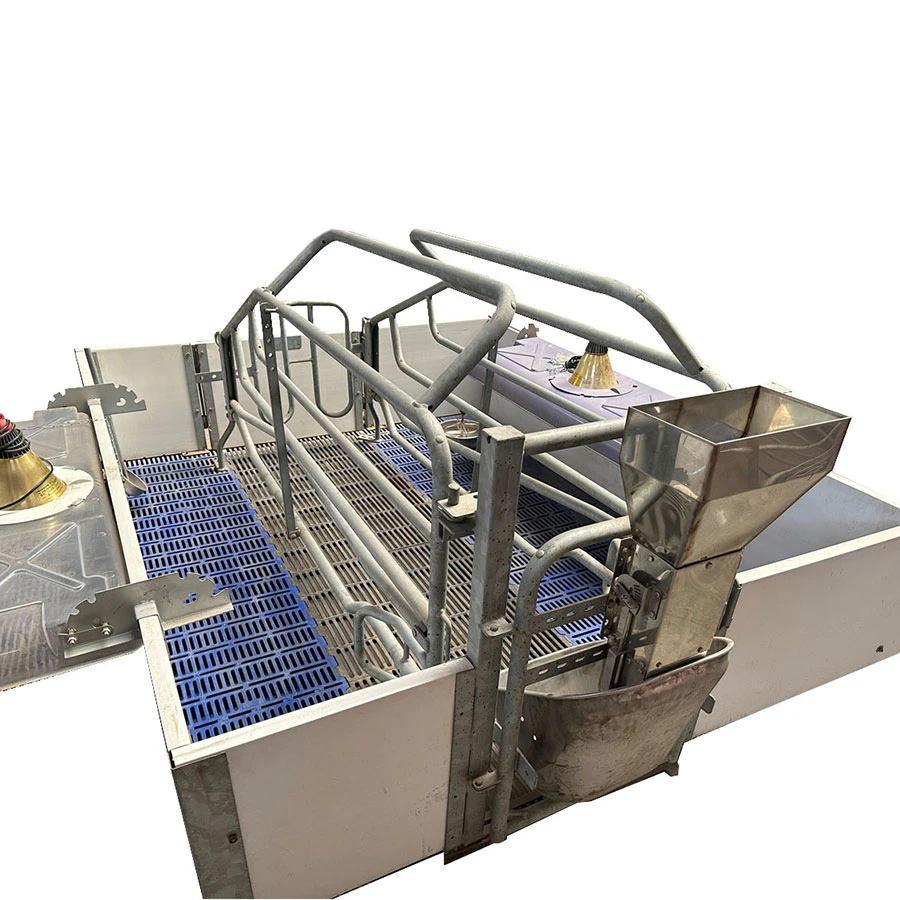
At its simplest, a hog farrowing crate is a specially designed enclosure used in pig farming to house a sow (mother pig) during farrowing—the process of giving birth and nurturing piglets. These crates aim to protect piglets from being accidentally crushed by the sow, which can be a huge cause of neonatal mortality. Farrowing crates also allow for controlled sow movement, making management of hygiene, feeding, and veterinary care easier and more effective.
The farrowing crate is a rather stark symbol of the modern farming dilemma: balancing animal welfare with the economic realities of commercial farming. While some animal welfare advocates criticize the restricted movement of sows in these crates, research shows that improved designs and management within these systems can actually boost survival rates and sow health. Besides, rising regulations globally (like the EU’s directives on pig welfare) mean understanding farrowing crates is essential for farmers, manufacturers, and distributors alike.
Mini takeaway: Hog farrowing crates are essential yet evolving tools for safer piglet survival, humanely managed sow confinement, and efficient farming.
Breaking Down the Key Components of Hog Farrowing Crates
1. Durability and Material Quality
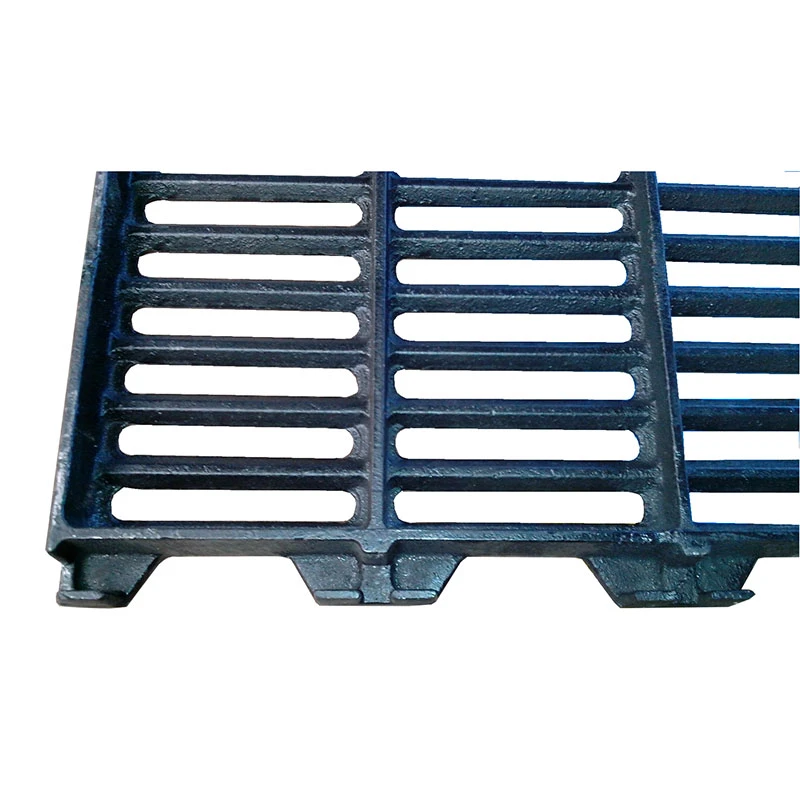
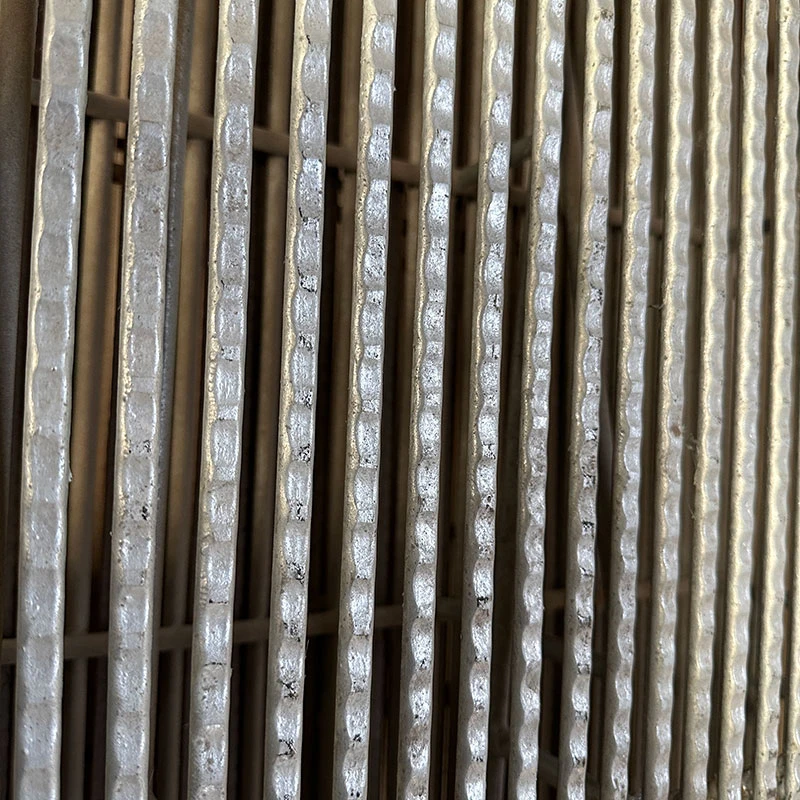
Many crates are constructed from galvanized steel or plastic composites. The material choice determines not just lifespan but also hygiene ease and sow comfort. Galvanized steel is common because it resists rust and withstands the heavy daily wear typical in barn environments. Some models now incorporate polymer coatings for extra corrosion resistance and easier cleaning.
2. Size and Scalability
Farrowing crates must fit sows comfortably while limiting excessive movement. Typical dimensions range from 60–70 inches in length and around 20–24 inches in width. Designs often allow modular installation to fit barns of varying sizes and layouts. Scalability is vital especially in large commercial farms that handle hundreds of litters simultaneously.
3. Piglet Protection Features
Aside from cage size, many crates include piglet creep areas—warm, secure spots separated from the sow’s main area—to encourage piglets to rest safely. These spots reduce crush risk and allow farmers to monitor piglet activity easily.
4. Cost Efficiency and Maintenance
These crates are a significant investment for farms, but a durable design reduces the expense over time. Easy-to-clean surfaces reduce labor costs and improve farm biosecurity. Some advanced crates come with quick-release gates and simplified assembly, speeding up turnover between litters.
5. Compliance and Welfare Integration
With laws changing, ensuring that crates meet animal welfare standards is non-negotiable. Modern crates sometimes include adjustable side bars, allowing sows a bit more freedom as regulation evolves.
Mini takeaway: The best hog farrowing crates blend durable materials with scaled designs, piglet safety features, and compliance for ongoing success.
Practical Global Applications of Hog Farrowing Crates
Across North America, Europe, and increasingly in Asia, hog farrowing crates are standard equipment in commercial pig farming. In the U.S., the National Pork Board advocates crate usage with proper management to reduce piglet loss by up to 20%. European farms often deploy crates that are more spacious and flexible to meet stricter welfare standards.
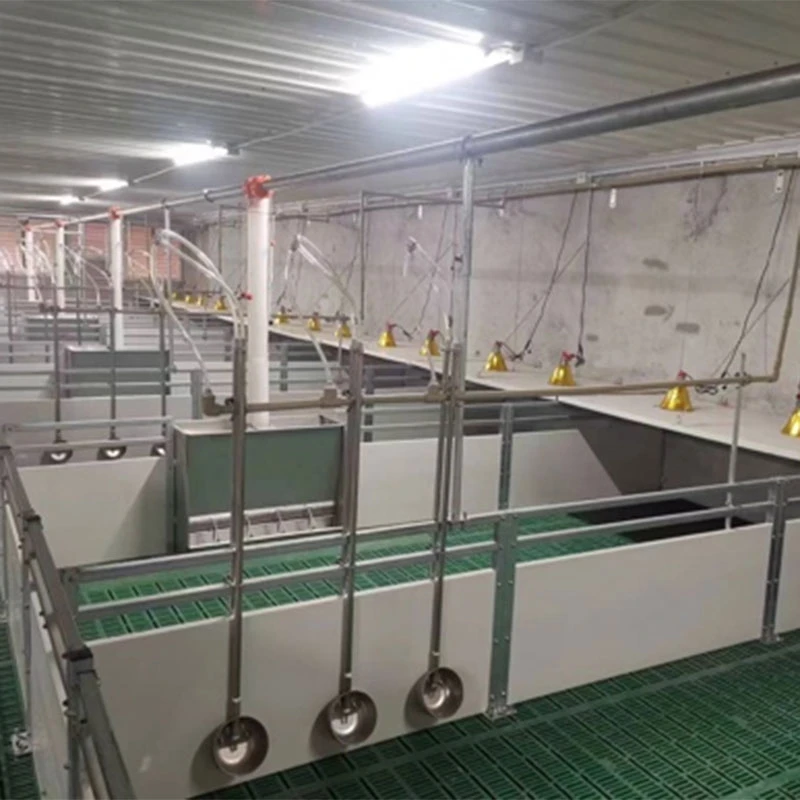
In developing regions, smaller farms use farrowing crates that are simpler and lower cost, sometimes locally fabricated. Meanwhile, agri-tech companies in countries like China and Brazil provide automated farrowing systems integrating crates with digital monitoring for temperature, sow behavior, and feeding, greatly increasing efficiency.
Even humanitarian aid agencies interested in agricultural development in post-disaster or impoverished zones consider introducing improved farrowing crates to rebuild sustainable, safe food sources locally.
Mini takeaway: Farrowing crates aren’t just niche farm equipment — they are a global enabler of animal welfare, food security, and farming modernization.
Advantages and Long-Term Value of Using Hog Farrowing Crates
- Improved Piglet Survival: Reduced crushing incidents ultimately increase farm productivity and reduce economic loss.
- Enhanced Sow Health: Proper comfort and confinement limits injuries and stress on sows.
- Operational Efficiency: Streamlined feeding, cleaning, and veterinary care reduce labor costs.
- Compliance with Welfare Laws: Avoid costly fines or market exclusions by adopting approved crate types.
- Environmental Sustainability: Durable, easily sanitized crates contribute to overall farm biosecurity, lowering disease risk.
Let’s not forget the emotional side. Farmers often tell me how the peace of mind from lower piglet mortality is priceless, coupled with trust from consumers demanding ethical products. Innovative crates connecting automation with welfare create an impressive future.
Mini takeaway: The benefits of farrowing crates extend beyond bottom lines; they touch on farmer well-being, animal safety, and ethical farming practices.
The Future Looks Bright: Trends & Innovations in Hog Farrowing Crates
Emerging trends include:
- Smart Monitoring: IoT sensors inside crates track sow temperature, movements, and piglet health in real time.
- Eco-Friendly Materials: Biodegradable plastics and recycled metals reduce environmental impact over the product lifecycle.
- Adjustable Designs: Modular and adjustable crates accommodate animal comfort along varying stages of gestation.
- Automation Integration: Automated feeding systems and waste management linked with crate design streamline farm operations.
In fact, companies exploring solar-powered farrowing pens with climate control systems are slowly entering pilot markets. Combine this with AI-assisted behavioral analysis, and you get a farm that might soon run itself while keeping animals safe.
Mini takeaway: The hog farrowing crate is evolving beyond steel bars into a tech-integrated welfare hub of the smart farm.
Common Challenges and Real-World Solutions
Of course, crates aren’t perfect. Critics argue about sow confinement-related stress. Some regions face high upfront costs or lack technical expertise for advanced designs. Issues with cleaning and maintenance can arise if materials aren’t chosen well.
Yet many farms have turned these challenges into breakthroughs by:
- Employing adjustable crate sizes to improve sow mobility.
- Investing in farmer training programs focused on welfare management.
- Using durable, corrosion-resistant materials for easy hygiene.
- Leveraging government grants that support welfare-compliant infrastructure.
Experts also suggest fostering open dialogue between manufacturers, animal welfare groups, and farmers to design crates that expand boundaries without compromising safety.
Mini takeaway: Challenges in hog farrowing crates aren’t roadblocks but prompts for smarter, kinder innovation.
Practical FAQs about Hog Farrowing Crates
- Q1: How does a hog farrowing crate improve piglet survival?
- A farrowing crate restricts the sow’s movements enough to prevent accidental crushing of newborn piglets while allowing safe access for nursing. Proper design includes piglet creep areas for warmth and safety, reducing mortality by up to 15-20% compared to open pens.
- Q2: Are hog farrowing crates compliant with animal welfare regulations?
- While regulations vary globally, many modern crates meet or exceed welfare standards by providing adequate space, ventilation, and secure piglet areas. Adjustability and better sow mobility features help farms stay compliant with evolving guidelines such as those from the European Union.
- Q3: What materials are best for durable and hygienic farrowing crates?
- Galvanized steel remains the industry standard due to sturdiness and corrosion resistance. Newer models add polymer coatings or composite materials to improve cleaning ease and reduce rusting risks.
- Q4: Can small farms afford modern farrowing crates?
- Yes, there are scalable designs ranging from simple inexpensive crates suitable for smallholder farms to automated, high-tech units for large operations. Additionally, grants or subsidies may help local farmers upgrade infrastructure.
- Q5: How can farms integrate technology with traditional farrowing crates?
- Installing sensors and cameras to monitor sow and piglet activity is becoming popular. Technologies can alert farmers to signs of distress or health issues, improving response times without disrupting normal routines.
Hog Farrowing Crate Product Specification Table
| Feature | Specification | Details |
|---|---|---|
| Material | Galvanized Steel with Polymer Coating | Resistant to rust and easy to clean |
| Dimensions | 65" Length x 24" Width x 30" Height | Fits standard sow sizes comfortably |
| Piglet Creep Area | Included modular insert | Provides warmth and safe space for piglets |
| Weight | Approx. 150 lbs | Easy to install and manageable by two people |
| Compliance | Meets EU & USDA welfare guidelines | Designed for evolving animal welfare laws |
Vendor Comparison for Popular Hog Farrowing Crates
| Vendor | Material | Cost per Unit (USD) | Notable Features | Warranty |
|---|---|---|---|---|
| AgriSteel Co. | Galvanized Steel | $450 | Modular design; quick assembly | 5 years |
| FarmTech Innovations | Polymer-Coated Steel | $520 | Integrated sensor compatibility | 7 years |
| GreenPork Systems | Recycled Composite | $480 | Eco-friendly; corrosion proof | 6 years |
If you want to explore hog farrowing crates firsthand or learn about customized solutions, a good place to start is with hog farrowing crate product lines where innovation meets practical needs.
Wrapping It Up: Why Hog Farrowing Crates Continue to Shape the Future of Pig Farming
In real terms, these crates are much more than steel frames. They’re a nexus of animal welfare, technology, and practicality. Always evolving alongside ethical standards and smart farm tech, they remain central to efficient pork production globally. Whether you’re a farmer, a supplier, or a policymaker, staying informed and adopting best-practice farrowing crates promises safety, sustainability, and profitability.
So, next time you think of hog farrowing crates, remember: they’re quietly shaping a more humane and productive agricultural future — one piglet saved at a time.
For a deep dive into the best products and solutions, visit our website and see how modern farrowing crates can fit your operation.
References:
1. FAO Pig Production Statistics: www.fao.org
2. European Commission Animal Welfare Legislation: ec.europa.eu
3. National Pork Board Research: www.pork.org
Post time: Dec . 02, 2025