Understanding Gestation Crates for Sows and Their Global Impact
If you’ve ever wondered how modern pig farming manages the reproductive welfare of sows while juggling efficiency, chances are you’ve come across gestation crates for sows. These modestly sized metal enclosures have sparked quite the debate worldwide — not just about animal welfare, but also about agricultural productivity and sustainability. Understanding what these crates are, why they exist, and how they’re evolving is crucial for farmers, veterinarians, and even consumers who care about food ethics. Plus, knowing the ins and outs of gestation crates can illuminate how one small piece of farming tech fits into a bigger global puzzle of livestock management, environmental stewardship, and industry innovation.
The Global Context: Why Gestation Crates for Sows Matter Today
Globally, pork remains the most consumed meat, with the Food and Agriculture Organization (FAO) estimating over 110 million metric tons produced in 2022 alone. As demand skyrockets, the pressure on pig farming to balance animal welfare with productivity grows exponentially. That’s where gestation crates for sows come in — designed to maximize reproductive success while controlling feeding and preventing aggression among animals.
However, the use of gestation crates is increasingly scrutinized across continents. The EU banned their use in 2013, reflecting a global trend toward more welfare-conscious farming. Yet, in many countries in Asia and the Americas, they remain standard due to their cost-effectiveness and management control. According to a 2021 report by the World Bank on sustainable agriculture, improper sow housing can affect not only animal health but also economic viability and farm resilience — two things farmers can’t afford to overlook.
One of the big challenges is striking a balance between humane treatment and efficient farming systems that feed billions. Critics argue crates restrict movement to such an extent it impairs natural behavior, while proponents highlight the reduction of injuries from sows fighting and improved feeding accuracy.
What Are Gestation Crates for Sows? A Simple Breakdown
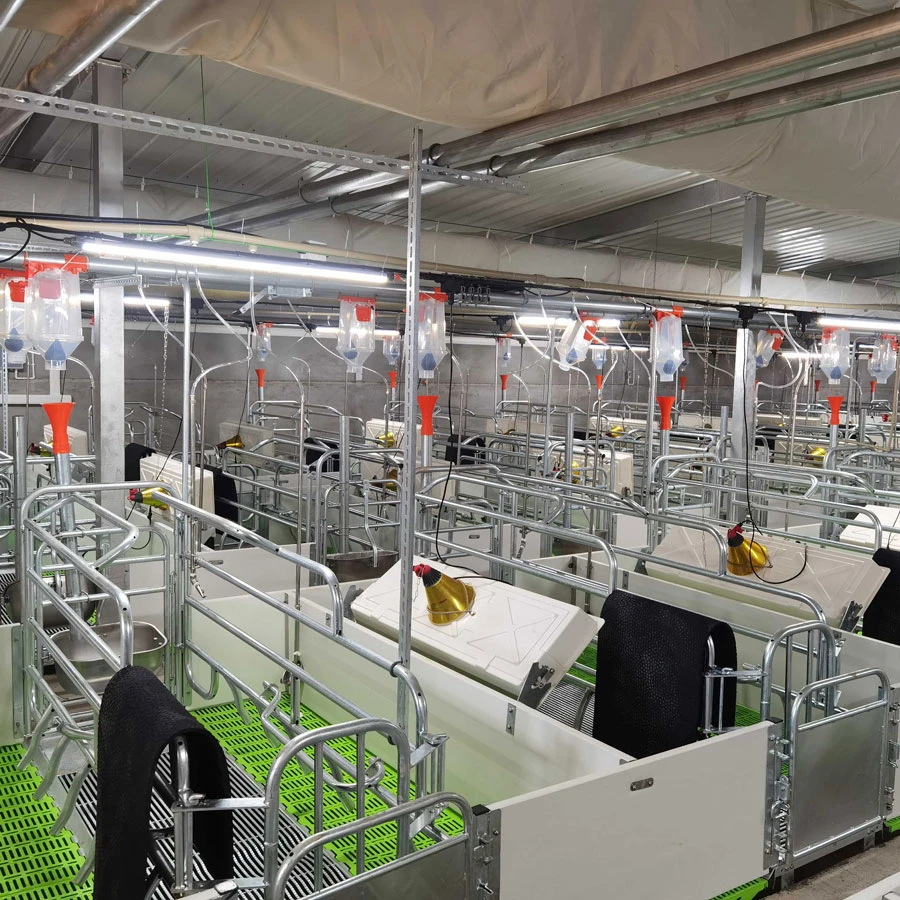
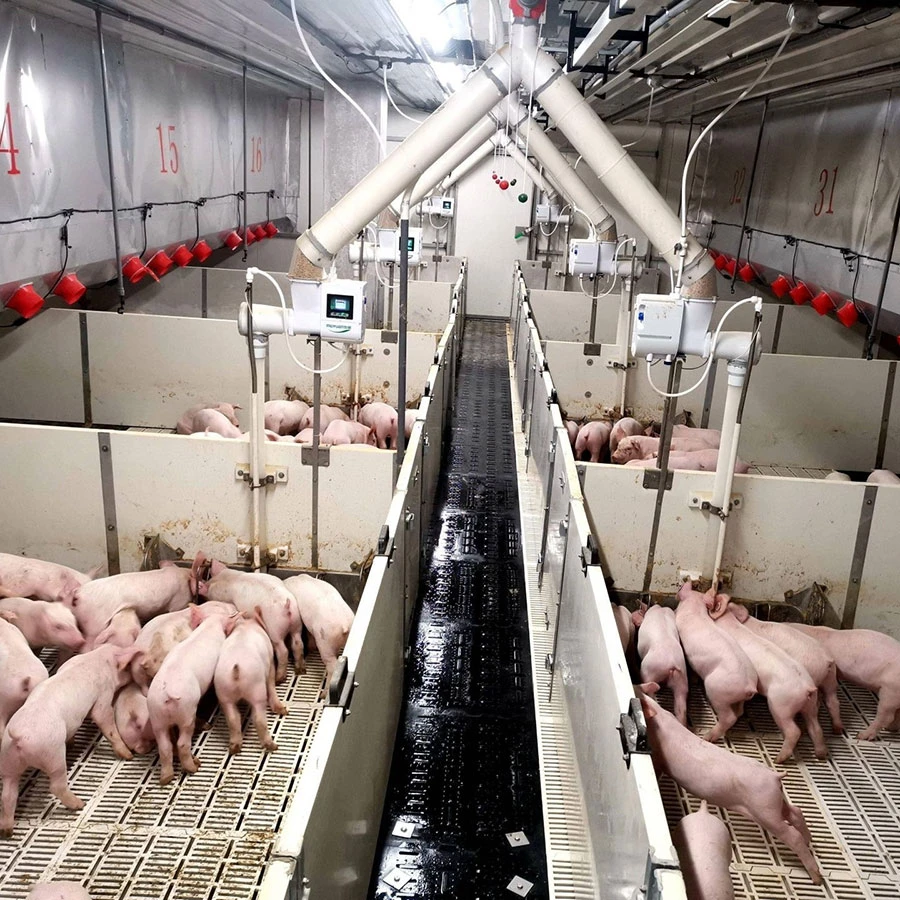
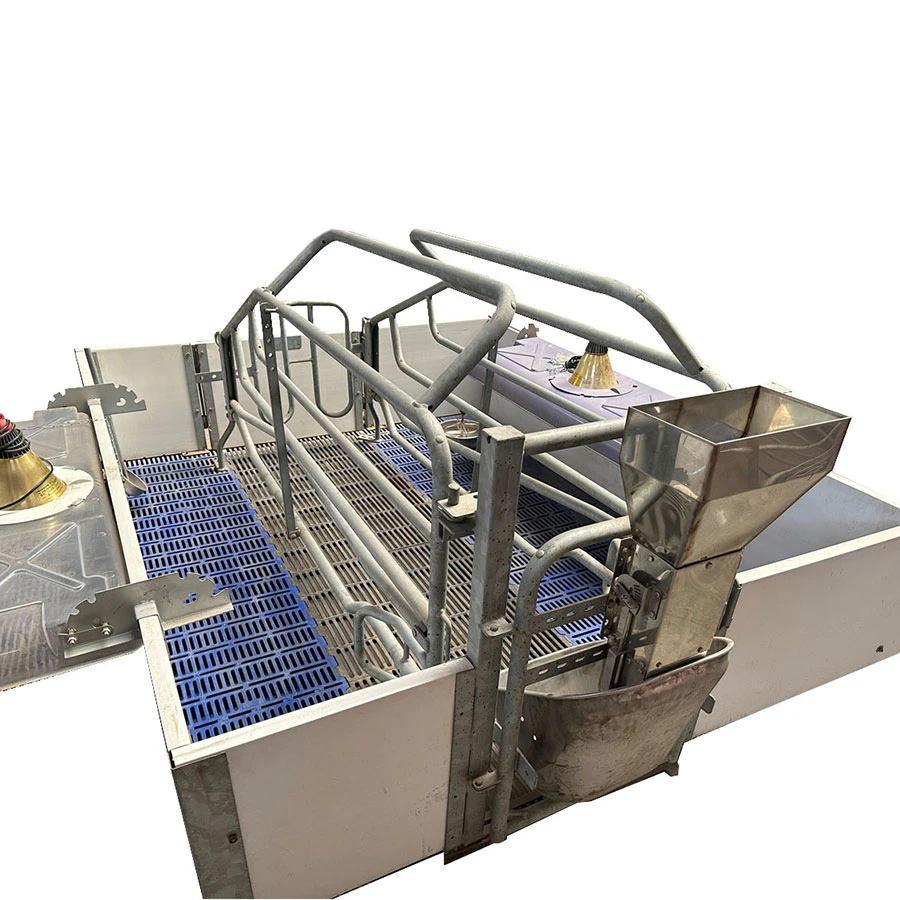
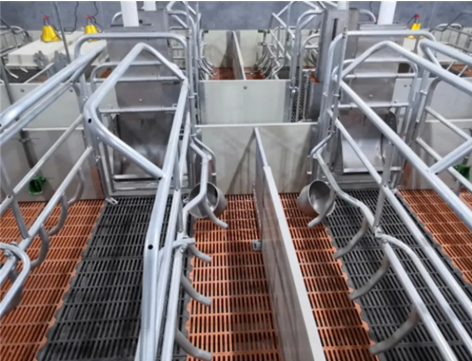
So, what exactly is a gestation crate? In the simplest terms, it’s a narrow, individual enclosure that holds a pregnant sow during the bulk of her approximately 114-day gestation period. It’s typically made from steel bars and designed to restrict movement just enough to prevent fighting and injury yet allows the sow to stand and lie down.
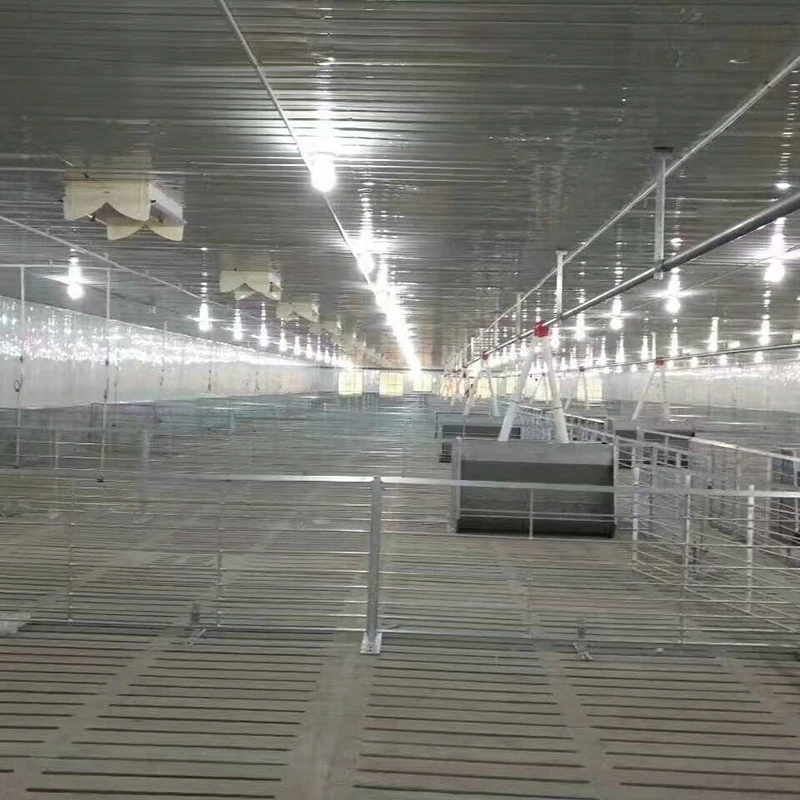
These crates are pivotal in intensive pig farming systems to facilitate precise feeding, monitor health, and prepare sows for farrowing — all under one roof. However, that restriction of movement sparks the welfare concerns we touched on earlier. Fertility, biosecurity, and space economy all hinge on the use of these crates in many industrial setups, making them a cornerstone of modern animal husbandry — however controversial.
Core Factors Behind Gestation Crate Design and Use
1. Durability and Material Quality
Typically constructed from galvanized steel, gestation crates must withstand heavy use and cleaning chemicals across multiple gestations, sometimes five or more years. Having a rust-resistant, easily sanitized design is essential for maintaining biosecurity and animal health.
2. Size and Space Efficiency
Most crates measure roughly 2m long by 0.6m wide — just enough to allow sows to stand and lie down but not turn around. This tight fit maximizes facility throughput, fitting dozens or hundreds in a barn. But farmers are beginning to experiment with larger stalls offering more freedom without sacrificing density.
3. Cost Efficiency
From initial investment to long-term maintenance, crates are designed to be cost-effective. The upfront cost varies by vendor but value is judged by lifespan and ease of repair. A crate’s design often includes modular components simplifying replacements.
4. Animal Welfare Considerations
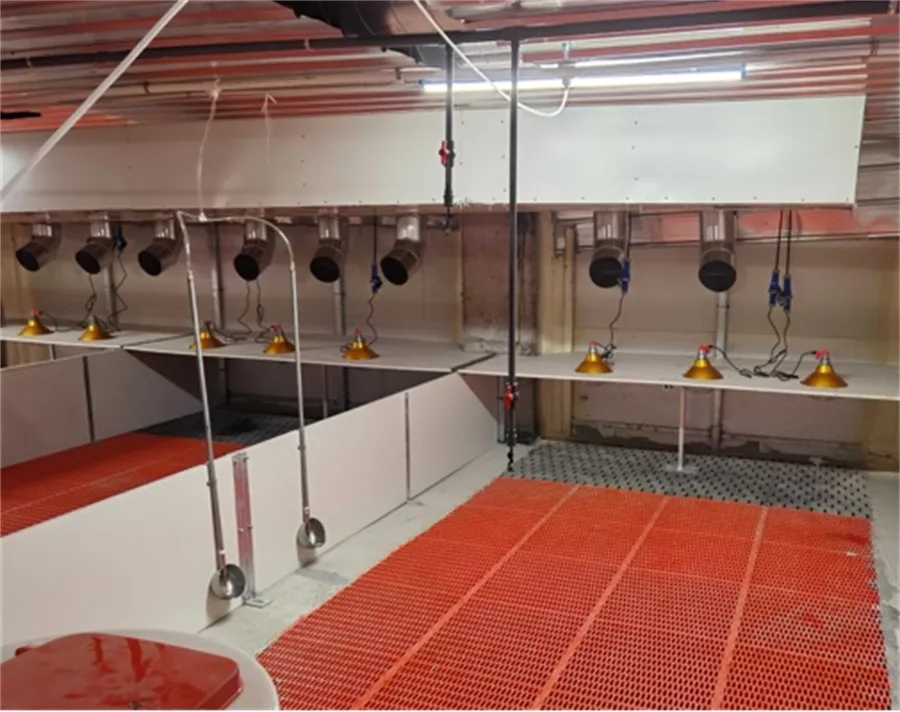
Though restrictive, many modern gestation crates incorporate features such as padded flooring, improved ventilation, and sight lines to neighboring sows to reduce stress. These subtle design tweaks challenge the stereotype that all crates are identical and harsh.
5. Scalability and Integration
Large farms need to integrate crates into automated feeding, cleaning, and monitoring systems. Vendors are offering crates compatible with RFID-based health tracking and automated feed dispensers, which optimize labor and sow wellbeing.
Mini takeaway: The best gestation crates balance durability, space, and welfare nuances while fitting into modern farm economics.
Global Applications: Where and How Gestation Crates Are Used
The use of gestation crates is unevenly distributed worldwide. For instance, the US and China, leading pork producers, still widely use crates, although welfare reforms are prompting gradual shifts.
- North America: Large integrators rely on gestation crates for tight control of sow productivity.
- Europe: Mostly phased out due to regulations promoting group housing systems, but some transitional farms still evaluate crate-based solutions.
- Asia: Rapidly industrializing regions default to crates because of capital constraints and high throughput demands.
- South America: Mix of traditional outdoor systems and crate use in intensive setups.
Case in point: A major pork producer in Illinois credits precision feeding systems built around gestation crates with decreasing sow health issues by 20% while improving litter size. Meanwhile, NGOs working on ethical farming are trialing alternative systems — a landscape of tension and innovation.
The Tangible Benefits and Long-Term Value of Gestation Crates
Beyond the immediate productivity gains, gestation crates foster:
- Injury reduction: Sows housed individually face less fighting-related injuries.
- Feeding accuracy: Enables tailored nutrition essential during pregnancy.
- Biosecurity: Easier to isolate sick animals and control disease spread.
- Economic predictability: Better health means higher farrowing success and fewer losses.
Emotionally, many farmers develop a routine trust during sow handling. Though space is limited, knowing that a sow won’t get hurt in fights gives peace of mind. Oddly enough, this mix of logical and emotional comfort underscores why gestation crates remain common despite welfare critiques.
Emerging Trends and Innovations in Gestation Crate Technology
The future looks interesting. A growing number of manufacturers are combining sustainability with sow comfort:
- Eco-friendly coatings: Replace galvanization with natural, less toxic materials.
- Automation-friendly designs: Crates synced with digital sow monitoring devices for health data.
- Modular, adjustable crates: Allow more movement as farms transition toward group housing.
- Integration with renewable energy systems: Farms using solar-powered ventilation in crate barns.
Some farms even pilot “transitional” crates that can convert or expand, offering a compromise between traditional and welfare-friendly setups. In a world chasing sustainability, these innovations might be keys to bridging profit and ethics.
Challenges Facing the Use of Gestation Crates and How Experts Address Them
Common criticism highlights the restricted movement and stress for sows, often triggering legislative bans. Yet, solutions include:
- Transition to group housing: Many farms are investing in group pens with innovative barriers to prevent injury.
- Adaptive feeding systems: Feeding stalls that allow sows to feed individually but socialize otherwise.
- Enhanced environmental enrichment: Adding toys or rooting materials reduces stress.
- Improved welfare standards: Voluntary certifications push farms to exceed legal minimums.
Transition isn’t simple or cheap; it requires both mindset shifts and capital. But as consumer awareness grows—particularly in export markets—the tide is shifting.
FAQ: Practical Answers About Gestation Crates for Sows
- Q: Why do some farms still use gestation crates instead of group housing?
- A: Crates reduce fighting injuries, allow controlled feeding, and lower disease transmission risks. Many farms remain cautious about group housing due to initial costs and management complexity.
- Q: Are gestation crates considered humane?
- A: It depends on perspective. While they restrict movement, crates lower fighting and improve health monitoring. Welfare advocates encourage alternatives, but many veterinarians acknowledge benefits when properly managed.
- Q: How long do gestation crates typically last on a farm?
- A: Durable crates can last 5-10 years, depending on materials and maintenance. Regular sanitizing and inspections help maximize lifespan.
- Q: Can gestation crates be integrated with automated feeding systems?
- A: Yes, many modern crates are designed to work alongside RFID-enabled feeders and health tracking tools, reducing labor and improving individual sow care.
- Q: Are there alternatives to gestation crates in pig farming?
- A: Group housing and free-farrowing pens are alternatives, promoting movement and socialization but requiring more space and management.
Product Specification Table for Typical Gestation Crates
| Feature | Specification | Notes |
|---|---|---|
| Material | Galvanized steel | Rust-resistant, easy to clean |
| Dimensions | 2.0m (L) x 0.65m (W) x 1.1m (H) | Standard size; varies for larger breeds |
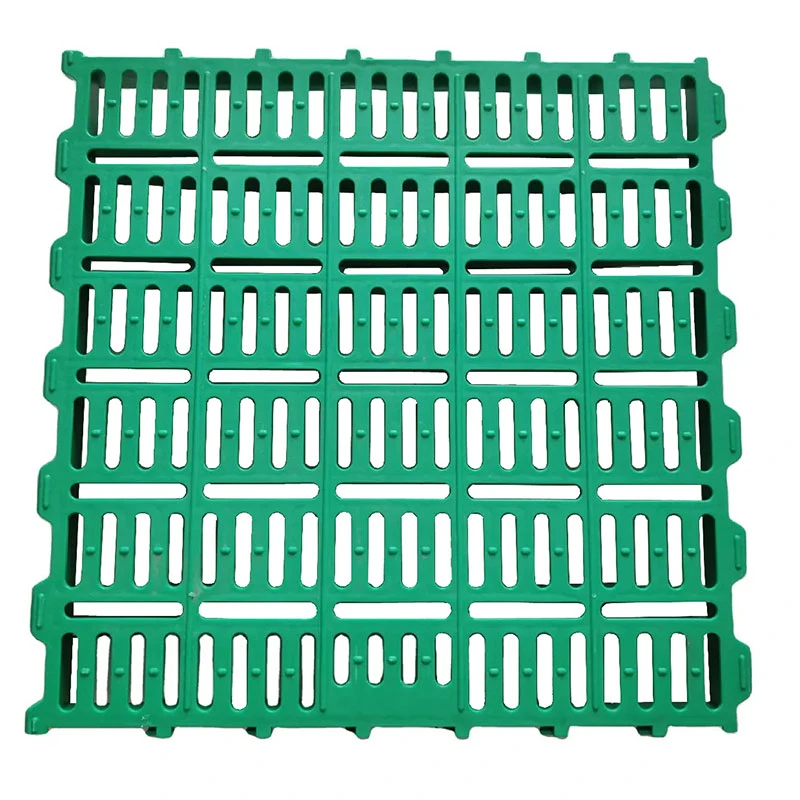
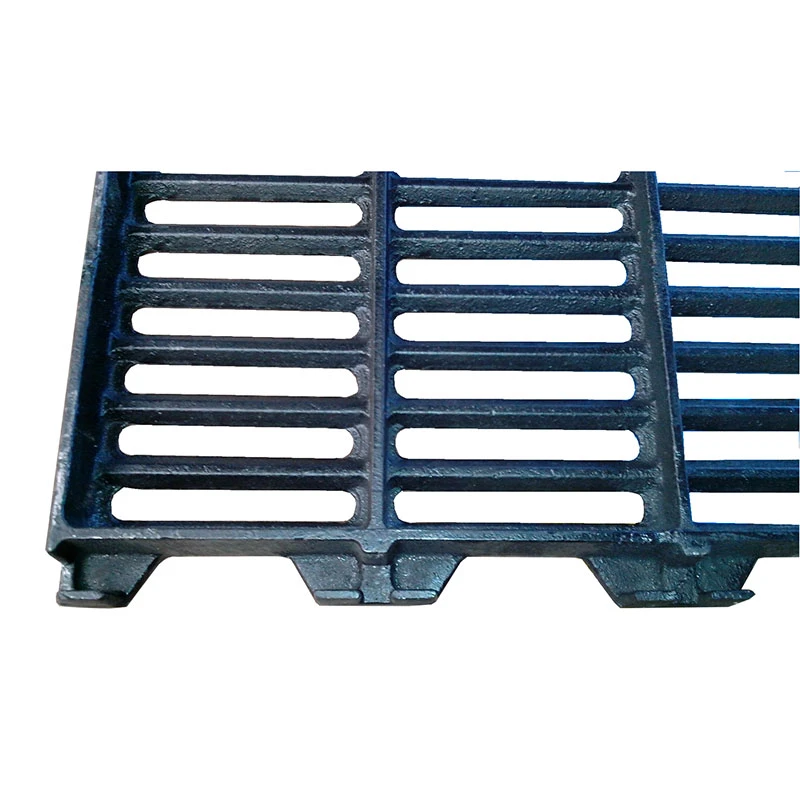
| Flooring | Concrete or slatted with rubber mats | Comfort and waste drainage |
| Weight capacity | Up to 250 kg | Suitable for adult sows |
| Animal welfare features | Ventilation slots, smooth edges | Stress reduction elements |
Vendor Comparison: Leading Gestation Crate Suppliers
| Vendor | Material Quality | Customization Options | Price Range | Warranty |
|---|---|---|---|---|
| AgriLock Systems | High-grade galvanized steel | Sizes and add-ons available | $$$ (Premium) | 5 years |
| PigFarm Solutions | Standard galvanization | Basic size options | $ (Budget) | 2 years |
| Livestock Gear Co. | Premium steel with powder coating | Customizable for automation | $$ (Mid-range) | 3 years |
Wrapping It Up: Why Gestation Crates Are Still a Big Deal
To sum it up, gestation crates for sows might seem like just another piece of barn equipment, but they carry weight far beyond their steel bars. They represent the intersection of agriculture, ethics, economics, and innovation. While the conversation about their impact continues, the reality is that many farms worldwide still rely on these crates to manage breeding cycles safely and efficiently.
If you're thinking of upgrading your sow housing or want to explore viable alternatives with an eye on animal welfare and farm productivity, keeping tabs on emerging innovations and suppliers is key. After all, farming is as much about adapting and improving as it is about tradition.
For the latest information, products, and expert advice on gestation crates for sows, visit our website.
References
Post time: Dec . 02, 2025