Understanding Dairy Cattle Equipment: Why It Matters Globally
If you've ever wondered how dairy farms maintain efficiency and animal welfare on a global scale, you’re probably quite close to the heart of agriculture’s quiet workhorses: dairy cattle equipment. It’s the collection of tools, machinery, and systems designed specifically for managing, milking, feeding, and caring for dairy cows — key to producing quality milk that often ends up in your morning coffee. Worldwide, the dairy industry employs millions and contributes significantly to food security. According to the Food and Agriculture Organization (FAO), milk production is set to expand by a steady few percent annually, driven largely by demand in developing countries. Meeting this surge not only depends on cows but on smart equipment that boosts productivity and animal health alike. Grasping how dairy cattle equipment integrates farm needs, welfare concerns, and economic constraints gives farmers, suppliers, and policymakers alike an edge — in sustainability, profitability, and quality control. ---Global Context: The Dairy Cattle Equipment Landscape Today
The dairy sector is massive: globally, over 270 million dairy cows produce more than 800 million tonnes of milk annually (FAOSTAT). The equipment that manages these herds must scale accordingly. Whether in intensive farms of Europe, massive cooperatives in India, or smallholder setups in Africa, variations in climate, farm size, cultural practices, and economics shape what equipment gets used. Yet despite technological advances, challenges remain. Many farms operate with outdated or limited tools making labor-intensive processes slow and risky for both animals and workers. Plus, concerns over hygiene, animal welfare regulations, and carbon footprints call for better innovations. That’s where modern dairy cattle equipment steps in, offering smarter automation, better environmental controls, and safer handling — critical to addressing these global operational gaps. ---What Exactly is Dairy Cattle Equipment?
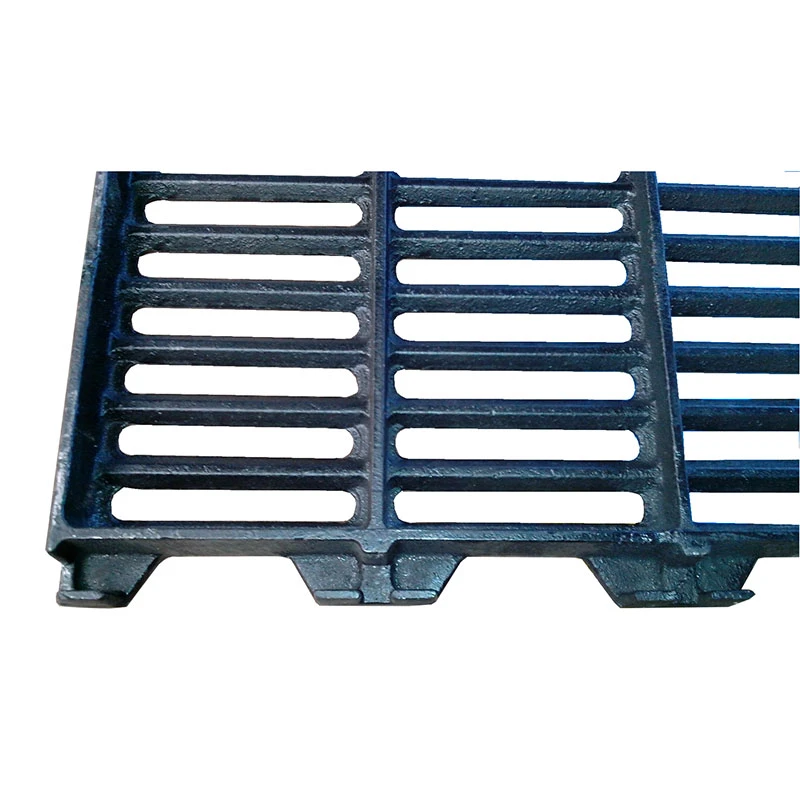
Put simply: dairy cattle equipment covers the hardware and tools involved in the daily life and management of dairy cows. This includes everything from milking machines and automated feeders to cattle handling systems and health monitoring sensors. But it’s not just about mechanizing old tasks. It’s the backbone of modern dairy farming, a bridge linking tradition to technology, and sometimes even humanitarian efforts — for instance, during emergency food relief, when equipment may support temporary, sustainable milk production. So, this equipment isn’t just cold steel in a barn; it’s a crucial enabler for modern agriculture that balances efficiency and care on a global scale. ---Core Components: What Makes Dairy Cattle Equipment Tick?
1. Durability
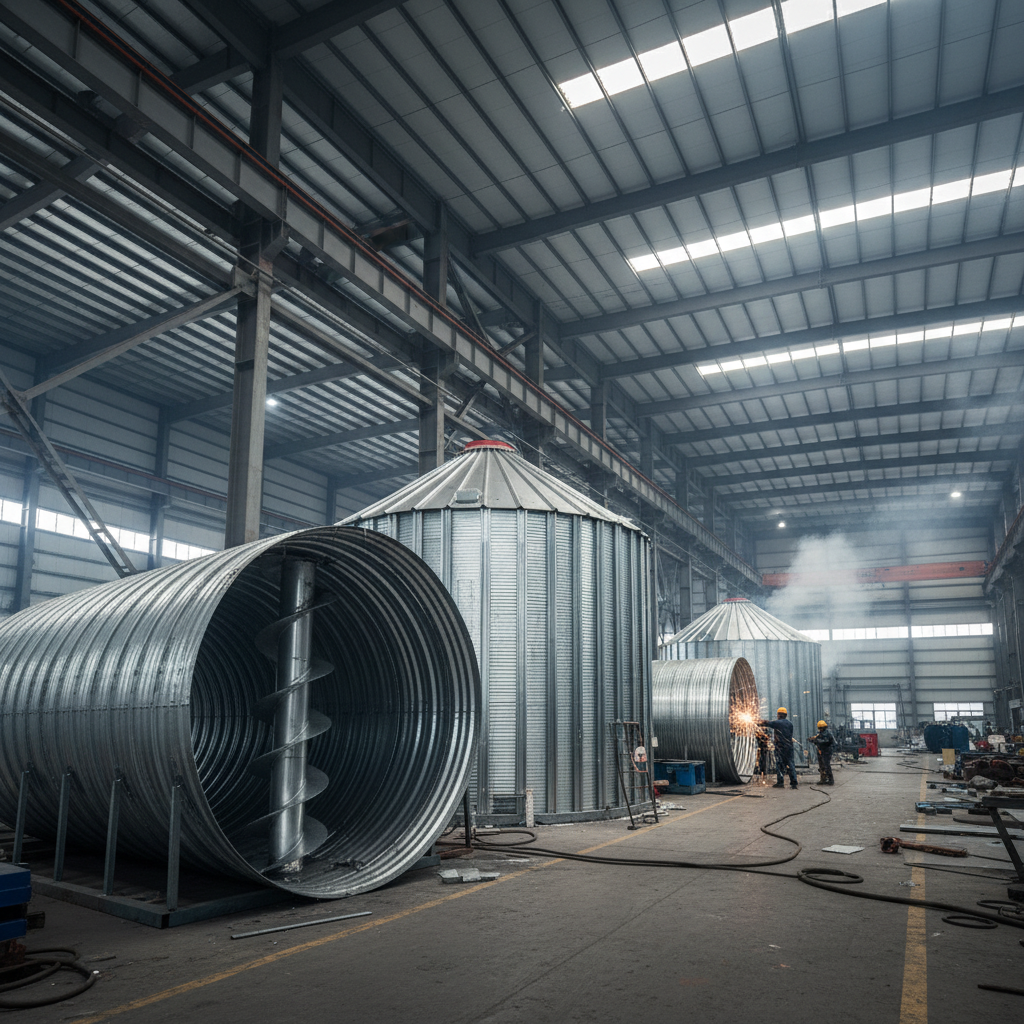
Dairy barns aren’t gentle environments. Equipment faces constant exposure to moisture, abrasion, and cleaning chemicals. Materials like stainless steel and robust polymers are mainstays, ensuring years of service despite harsh conditions.2. Scalability
From a family farm with a hundred cows to industrial operations milking thousands daily — the gear must scale efficiently. Modular milking systems and flexible feeders adapt to growth without hefty redesign costs.3. Hygiene & Animal Welfare
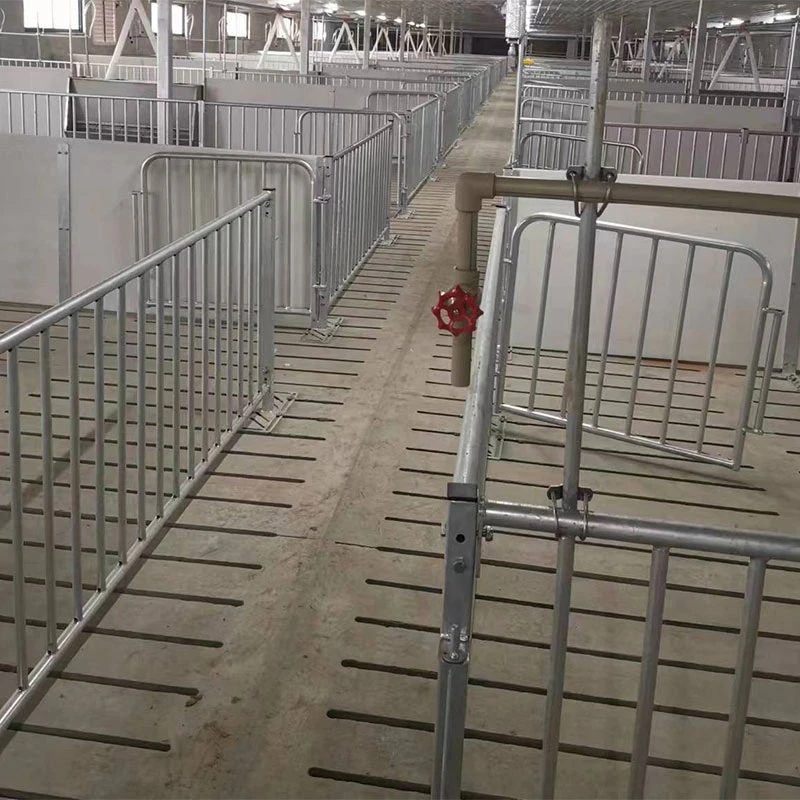
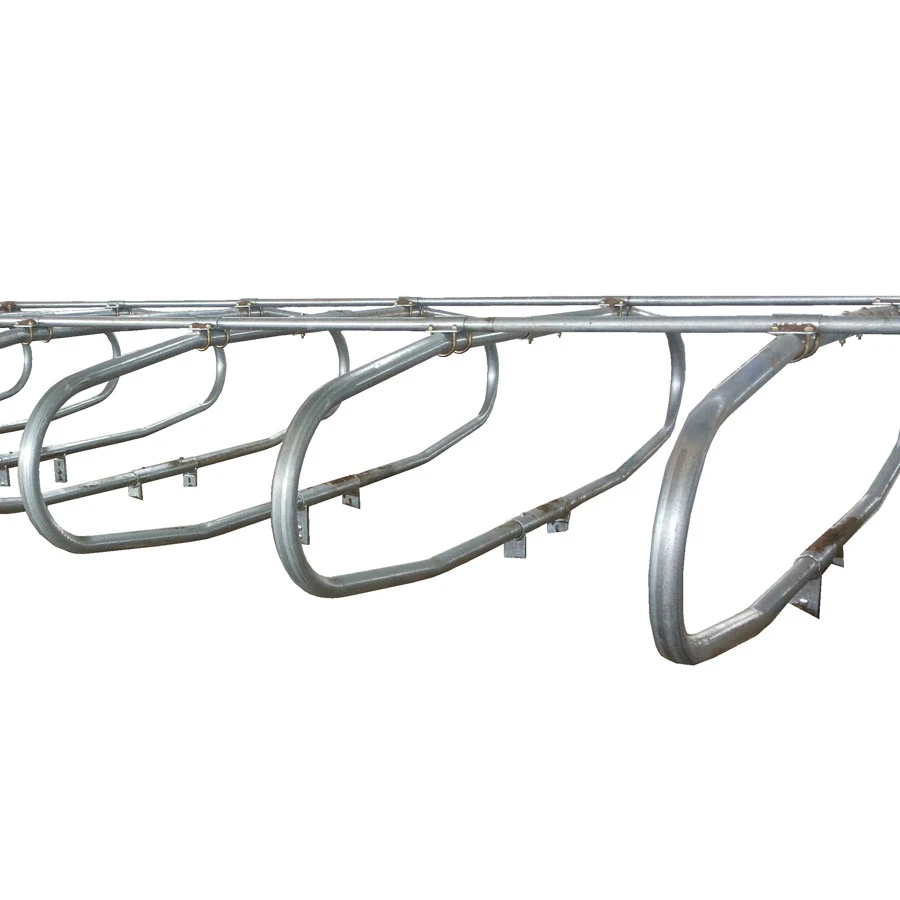
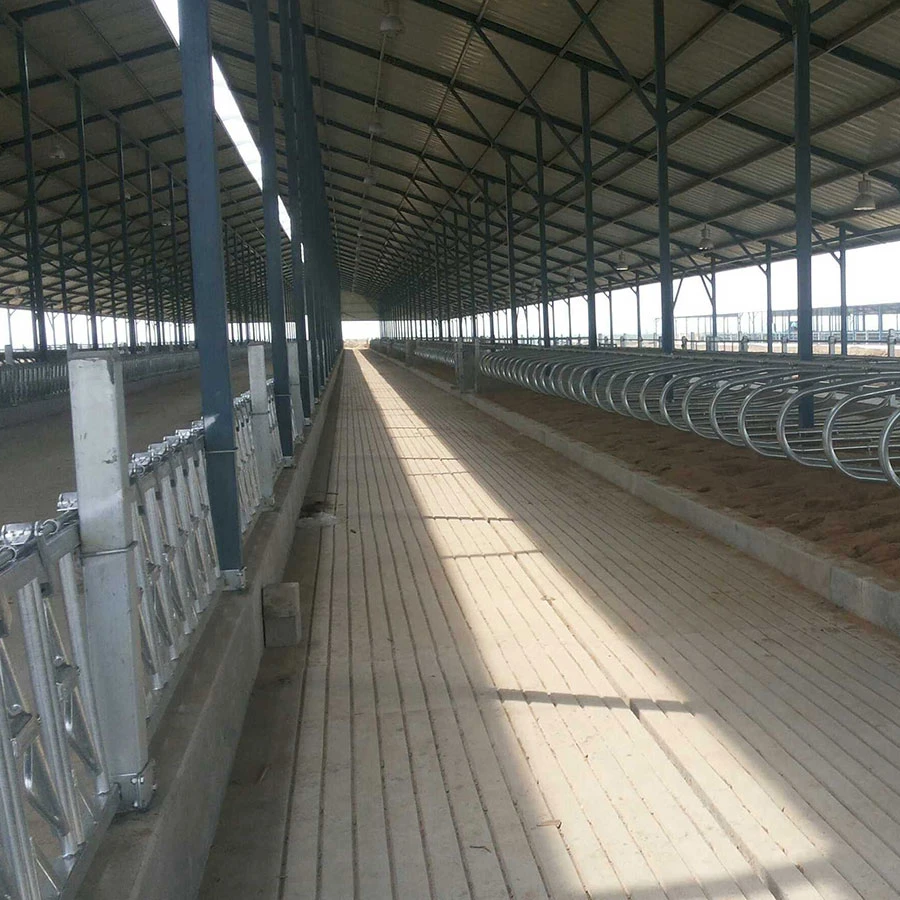
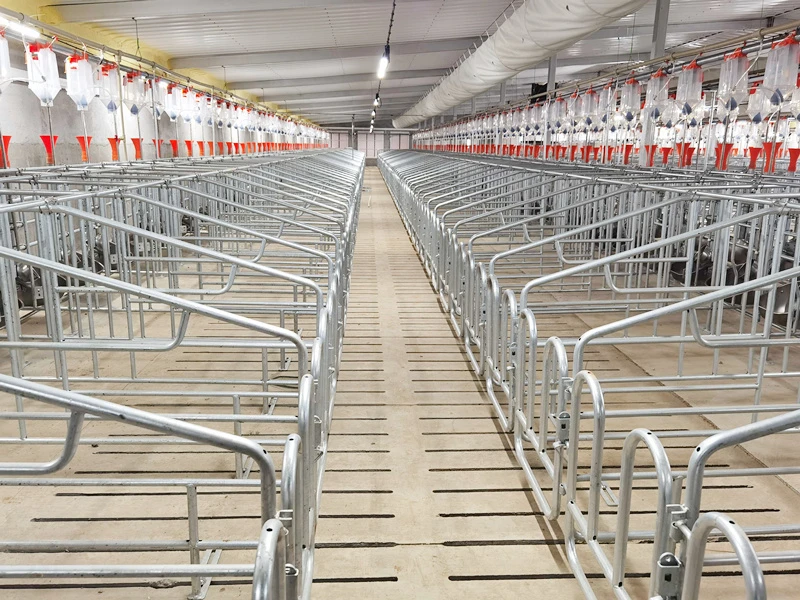
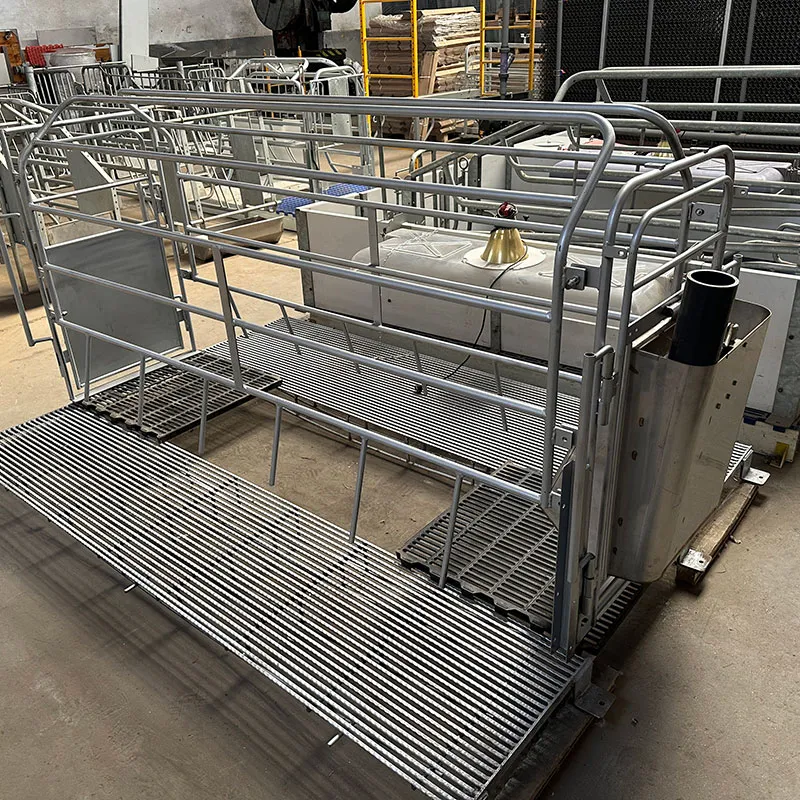
Cleaning protocols and cow comfort aren’t afterthoughts. Automated cleaning cycles for milking equipment, non-slip flooring systems, and ergonomic cattle barriers help maintain healthy herds and improve milk quality.4. Cost Efficiency
At the end of the day, dairy farmers keep an eye on their bottom line. Reliable equipment that reduces labor, improves milk yield, and lowers energy use paid for itself many times over.5. Data Integration
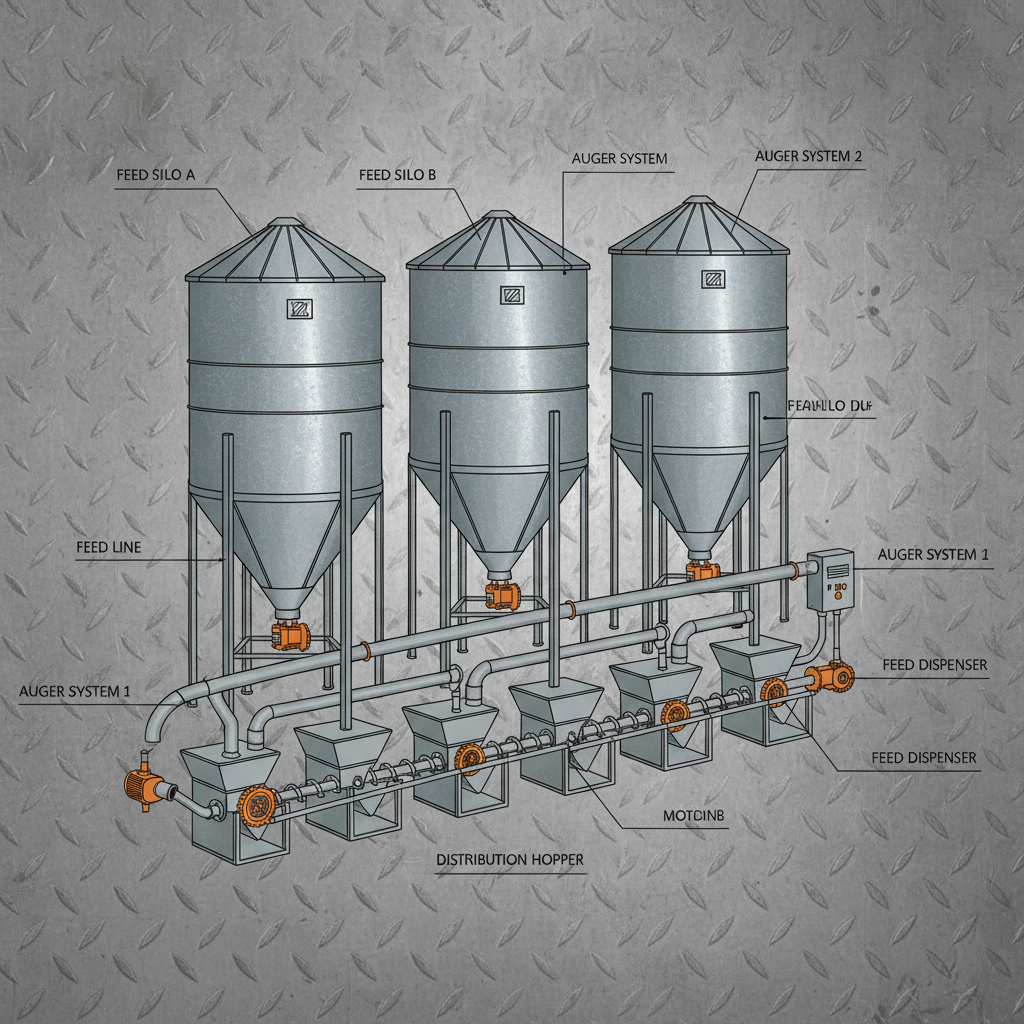
Increasingly, sensors track cow health, milk output, and feed consumption. This data integrated into farm management software allows for precision agriculture that’s both economic and humane. ---Worldwide Applications and Practical Use Cases
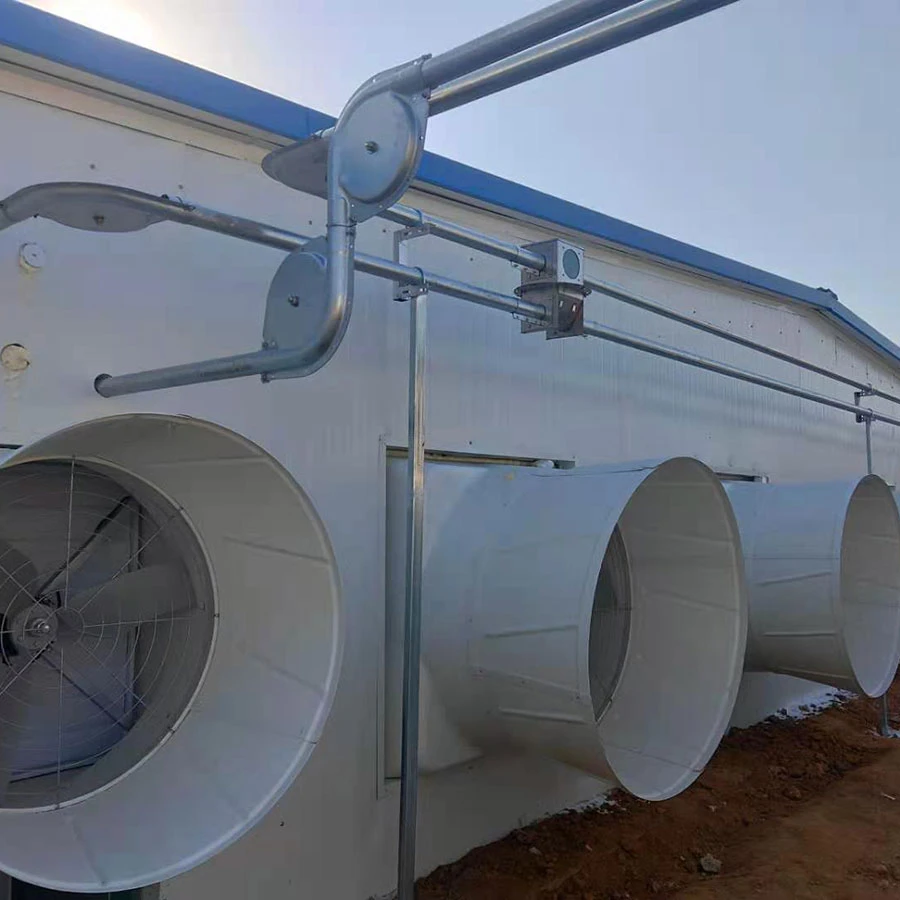
You don’t have to look far to see dairy cattle equipment in action. In Europe and North America, high-tech milking parlors automate complex workflows, boosting efficiency. In India and Africa, affordable and durable equipment supports smallholder farmers who rely heavily on these tools to increase output and secure livelihoods. Oddly enough, post-disaster relief organizations sometimes deploy mobile milking stations and cattle shelters to help rebuild local dairy production quickly. In remote industrial zones, dairy farms use solar-powered feeders and automated watering systems ensuring consistent care even miles from the grid. It’s fascinating how the same core technology adapts to diverse needs — from expansive, climate-controlled warehouses to rugged, off-grid operations. ---Advantages & Long-Term Value of Dairy Cattle Equipment
Investing in quality dairy cattle equipment pays off in tangible ways:- Cost savings: Automation lowers manual labor costs, speeds up milking, and reduces errors.
- Sustainability: Efficient feed and water management reduces waste and environmental impact.
- Animal welfare: Better-designed equipment reduces injury, stress, and disease — all translating to higher productivity.
- Reliability: Durable materials and proven designs mean fewer breakdowns and less downtime.
The Future: Innovations and Emerging Trends
The horizon looks exciting: companies and researchers are pushing boundaries with IoT-enabled milking machines that deliver real-time cow diagnostics, AI-driven feeding systems customizing rations by individual needs, and solar-powered milking robots caring for herds sustainably. Materials science is also evolving: lightweight composites that resist corrosion and biofilms could replace heavier steel components, cutting maintenance. Meanwhile, policies increasingly encourage greener energy and animal welfare compliance, nudging the sector towards innovation-driven sustainability. You might ask: will drones be milking cows next? Well… maybe not just yet, but the future feels dynamic. ---Common Challenges and How to Overcome Them
Dairy equipment isn’t without issues. High upfront costs make adoption tricky for small farmers. Integration difficulties arise when mixing legacy equipment and new digital tools. Sometimes, maintenance requires specialized skills absent in rural areas. Solutions? Financing schemes and cooperative purchasing lower barriers. Modular designs ensure backward compatibility. Training programs focused on local technicians bridge knowledge gaps. In short, smart ecosystem-building and collaboration are as important as the equipment itself. ---Frequently Asked Questions About Dairy Cattle Equipment
Q1: What are the key benefits of automated milking systems over traditional hand milking?A1: Automated milking systems improve milking speed, yield consistency, and hygiene while reducing labor demands. They monitor individual cow health, alerting farmers to early issues that hand milking might miss. While initial costs are higher, many find the long-term productivity gains worth it.
Q2: How durable is typical dairy cattle equipment in harsh farm conditions?
A2: Equipment made from stainless steel and advanced polymers can last 10+ years with proper maintenance. Products designed for dairy environments resist corrosion, bacterial buildup, and physical wear, ensuring reliability amid moisture and chemical cleansers.
Q3: Can smallholder farmers afford modern dairy equipment?
A3: Costs can be a barrier. However, many manufacturers offer scalable solutions and modular kits suited for smaller herds. Additionally, financing options and subsidies are often available through agricultural extension programs, making technology more accessible.
Q4: How important is animal welfare compliance in choosing dairy equipment?
A4: Crucial. Equipment that prioritizes welfare reduces disease, stress, and injury risks, improving milk quality and farm reputation. Many countries have regulations mandating welfare standards, so compliant equipment ensures both legal and ethical farming.
---
Product Specification Table: Typical Dairy Milking Machine
| Feature | Specification | Benefit |
|---|---|---|
| Milking Capacity | Up to 600 cows/day | Supports large operations |
| Material | Stainless Steel & Food-grade Polymers | Corrosion resistance & hygiene |
| Automation Level | Semi to Fully Automated | Labor savings & consistency |
| Cleaning System | CIP (Clean-in-Place) automated | Maintains hygiene, reduces downtime |
| Data Integration | IoT-compatible with mobile apps | Real-time monitoring & management |
Vendor Comparison Table: Dairy Equipment Providers (Sample)
| Vendor | Product Range | Pricing | Support & Warranty | Global Reach |
|---|---|---|---|---|
| AgriMilkers Inc. | Milking machines, feeders, sensors | Mid to Premium | 5 years, 24/7 support | North America, Europe, Asia |
| FarmEase Solutions | Modular milking stations, feeders | Budget-friendly | 3 years, regional support | Africa, Latin America |
| DairyTech Global | High-tech robotics & monitoring | Premium | 7 years, global service centers | Worldwide |
Wrapping Up: The Vital Role of Dairy Cattle Equipment
Dairy cattle equipment is far more than a collection of machines; it’s the linchpin of modern dairy farming’s efficiency, sustainability, and welfare ethics. The right technology empowers farmers worldwide — from large commercial operations to small rural farms — helping them meet ever-growing milk demand while caring for their herds in humane, cost-effective ways. If you’re interested in upgrading or learning more about the best solutions available, be sure to visit dairy cattle equipment. Smart choices today will fuel healthier herds and better yields tomorrow. ---
Mini Takeaways:
- Dairy cattle equipment adapts globally, balancing tech and tradition.
- Durability, scalability, and welfare are key factors to consider.
- Future innovations promise smarter, greener, and more affordable tools.
Post time: Nov . 23, 2025