Understanding the Dehorning Crate for Sale: Why It’s More Relevant Than You Think
At first glance, a dehorning crate for sale might seem like a niche piece of farm equipment, but its importance stretches far wider — touching animal welfare, livestock management, global food security, and even rural economies. With rising concerns around sustainable farming and humane animal treatment, understanding these devices is crucial. They’re designed to safely restrain cattle or goats during dehorning procedures, lowering risks for both animals and handlers. Frankly, if you work with livestock or just care about ethical farming, diving into what makes these crates tick is worth it.
Global Context: Dehorning Crates in Modern Livestock Management
Across the world’s agricultural heartlands — from the sprawling ranches in the Americas to dairy farms in Europe and emerging cattle markets in Africa and Asia — dehorning remains a routine yet delicate task. According to the Food and Agriculture Organization (FAO), over 1.4 billion cattle are raised worldwide. Handling and processing such numbers requires effective safety measures. That’s where dehorning crates come in: they help reduce injuries, improve efficiency, and align with animal welfare protocols triggered by organizations like ISO and increasingly stringent regional laws.
The challenges farmers face include minimizing stress on animals, ensuring handler safety, and balancing cost with durability. A dehorning crate for sale that ticks these boxes can be a game-changer, especially in regions where livestock is a key income source and injuries could mean massive losses.
What Exactly Is a Dehorning Crate?
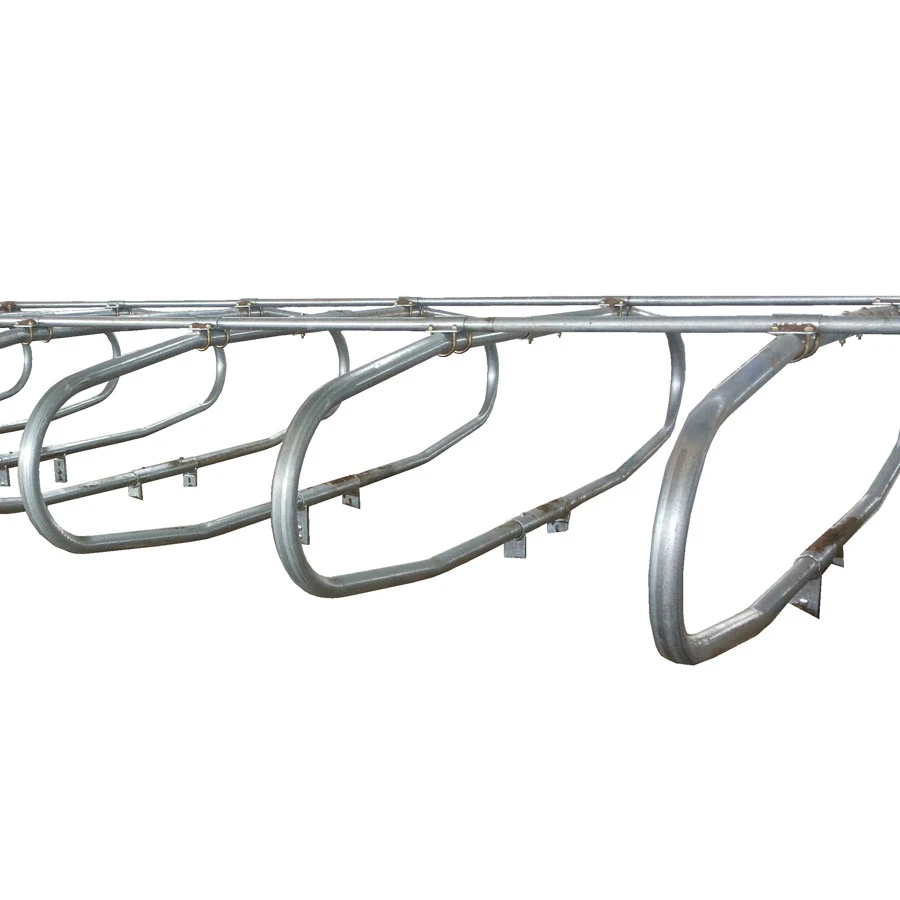
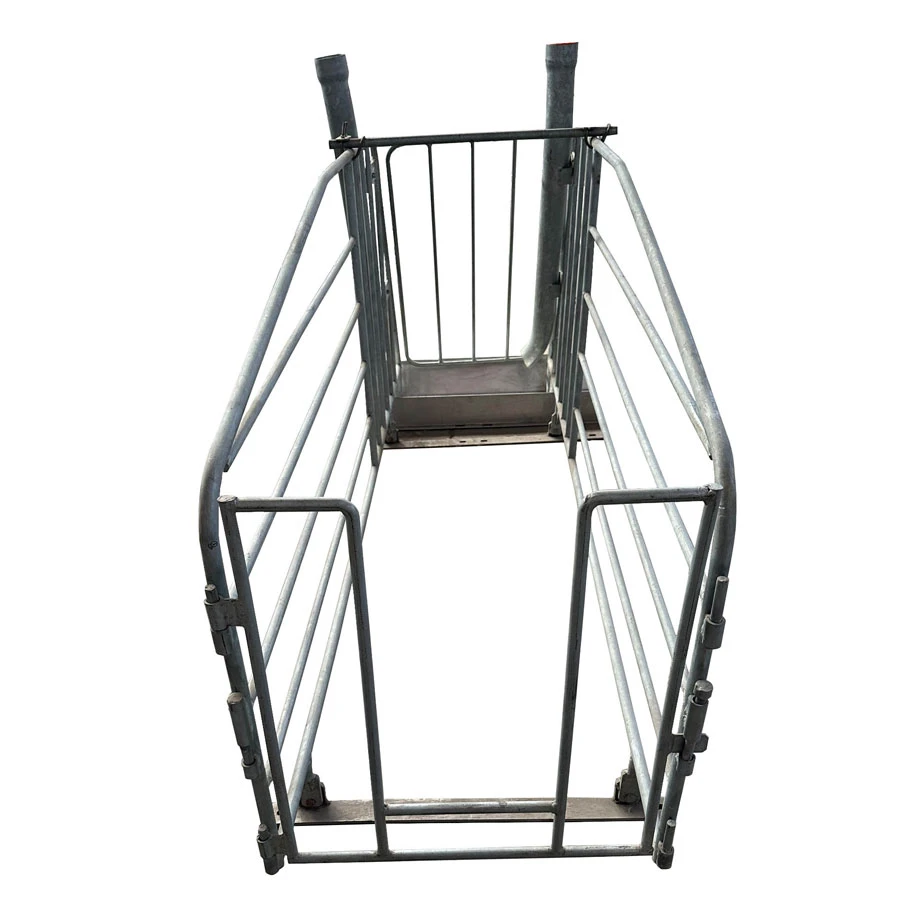
Simply put, a dehorning crate is a sturdy enclosure designed to gently but firmly hold cattle or goats in place during the dehorning process — the removal of horns or horn buds. These crates typically include adjustable side panels and head restraints to safely limit animal movement, reducing the chance of injury or stress. While the device sounds straightforward, its design reflects decades of trial, tested materials, and welfare considerations.
Beyond farms, these crates are critical in NGOs working with rural farmers improving livestock health, and in countries adopting more humane agricultural practices, where mechanized or manual dehorning is routine. Their role bridges practical farming needs and ethical treatment standards.
Key Factors That Make a Good Dehorning Crate
1. Durability and Material Quality
Since the crate must withstand forceful animal movements, manufacturers often use galvanized steel or heavy-duty powder-coated alloys. Longevity matters here — a cheap crate that rusts or breaks quickly can cost more in the long run.
2. Safety Features
Good crates have smooth, rounded edges to prevent bruising, locking mechanisms that secure the animal without causing pain, and adjustable paddings for different breeds and sizes.
3. Portability & Storage
Oddly enough, many farms need crates they can move or fold. Modular or collapsible dehorning crates for sale bring that practicality, especially useful in remote or seasonal operations.
4. Cost Efficiency
Farmers consider upfront price, but also maintenance and lifespan. A higher initial investment can pay off through lower injury-related costs and faster animal handling times.
5. Ease of Cleaning and Maintenance
Since hygiene impacts animal health, crates designed with easy-to-clean surfaces and minimal crevices are preferred. Stainless steel or powder coating achieves that.
Typical Product Specifications
| Specification | Typical Values |
|---|---|
| Material | Galvanized steel, powder-coated |
| Weight Capacity | Up to 1000 kg (2200 lbs) |
| Dimensions (LxWxH) | 150 cm x 70 cm x 120 cm |
| Adjustability | Head clamp & side panels adjustable |
| Portability | Modular with wheels or foldable |
| Average Price Range | $400 - $850 USD |
Where Are Dehorning Crates Actually Used?
Globally, countries with extensive cattle farming — India, Brazil, the US, Australia, and many parts of Africa — integrate dehorning crates into standard husbandry practices. In developing regions, where technology access might be limited, simple but effective crate designs have allowed farmers to adopt safer dehorning methods that reduce accidental injuries.
For example, smallholder farmers in East Africa have reported fewer animal stress incidents when using crates compared to traditional hand-holding methods during horn removal. In industrial-scale dairy farms in Europe and North America, high-end crates with automated locking systems tie into overall animal health monitoring systems, improving efficiency.
NGOs supporting livestock development projects rely heavily on dehorning crate for sale tools that are rugged yet affordable — helping build capacity in remote villages.
Advantages & Long-Term Value of Dehorning Crates
First, safety: handlers face fewer bite or kick injuries, and animals receive less trauma during dehorning. Reduced stress also means faster recovery and less disease risk. That’s a practical win and an ethical imperative in today’s farming environment.
Sustainability-wise, properly designed crates last years, lowering waste and saving resources. Their efficiency helps farmers save crucial time— time that in many rural settings literally equates to money. The social impact isn’t negligible either: safer farms mean stable livelihoods, less emergency vet visits, and stronger rural economies.
Innovations On The Horizon
If you thought crates were just metal boxes, think again. The latest trends focus on automation, with smart locking systems triggered via remote controls or sensors to reduce human-animal conflict. Materials science is introducing lightweight but super-tough alloys or composites that resist corrosion even in harsh outdoor conditions.
Sustainability efforts are pushing for recyclable crates and eco-friendly coatings, complemented by solar-powered lighting for night-time operations — odd but practical. Digital transformation in animal tracking integrates with crate use to monitor stress levels, offering data-driven insights to optimize procedures.
Challenges and How Experts are Tackling Them
A big complaint with older crates is inflexibility — some designs don’t fit different breeds well, causing discomfort. Also, cheaply made crates may rust or fail unexpectedly. The solution? Modular designs with adjustable settings, partnered with rigorous quality control and user education. Many vendors now emphasize ergonomic construction to reduce animal anxiety.
Plus, affordability can be a barrier in developing countries. Partnerships between NGOs and manufacturers for subsidized or bulk purchases help address this, making humane livestock management more accessible.
FAQ: Quick Answers on Dehorning Crates for Sale
- Q: How do I choose the right size dehorning crate for my cattle?
A: Consider the average weight and size of your herd. Adjustable crates are preferable because they accommodate varying breeds. Always check the maximum weight capacity — safety first! - Q: Can I use the same crate for goats and cattle?
A: Some crates are versatile with adjustable head and body panels, suiting both small livestock like goats and larger cattle. However, dedicated models usually offer better comfort and safety for specific animals. - Q: Is it necessary to buy new equipment or are used crates reliable?
A: Used crates offered at lower prices can be viable if they are well-maintained — check for rust, structural integrity, and working locks. New crates come with warranties and the latest safety features, often a better investment if budget permits. - Q: What's the average lifespan of a dehorning crate?
A: With proper maintenance, crates can last 7-10 years or more, depending on material quality and usage frequency. Regular cleaning and checks for damaged parts prolong durability. - Q: Are there any regulations or standards that dehorning crates must meet?
A: Yes, regions may require compliance with animal welfare guidelines (ISO 10993 series relates to animal testing) and safety standards for handling livestock. It’s wise to verify local rules before purchase.
Comparison of Popular Dehorning Crate Vendors
| Vendor | Price Range | Material | Adjustability | Portability |
|---|---|---|---|---|
| FarmSafe Solutions | $450 - $700 | Galvanized Steel | Adjustable headrest and sides | Modular, with optional wheels |
| AgriEquip Pro | $600 - $850 | Powder-coated steel | Multiple size settings | Foldable for storage |
| SafeHold Livestock | $400 - $650 | Stainless Steel | Head clamps adjustable, sides fixed | Stationary unit, heavier |
Wrapping Up: Why Buying the Right Dehorning Crate Matters
To sum it up, investing thoughtfully in a dehorning crate for sale is more than just buying equipment; it’s about championing safety, efficiency, and humane treatment in livestock farming. Whether you run a high-volume dairy farm, support rural farmers in developing nations, or are simply tired of risky dehorning routines, these crates offer long-term value both economically and ethically.
Feel free to explore options that fit your needs — and definitely consider the innovations and vendor reputations shared above. For reliable selections and detailed advice, don’t forget to check out dehorning crate for sale listings on our site.
Mini Takeaway:
Dehorning crates play a vital role in modern livestock care by promoting safer, standardized, and more humane practices globally. They’re evolving with tech and sustainability trends, promising even better farm experiences ahead.
References
Post time: Nov . 30, 2025