Feed Silo for Sale: A Comprehensive Guide
Investing in the right feed storage solution is crucial for efficient farm management. A well-maintained feed silo for sale can significantly reduce waste, protect your feed from the elements, and streamline your feeding operations. This article will delve into the benefits of feed silos, the different types available, factors to consider when purchasing, and why CXL Livestock Equipment is a trusted provider. Proper feed management is vital for animal health and profitability, and a quality silo is a key component.
The Benefits of Investing in a Feed Silo
A feed silo offers numerous advantages over traditional feed storage methods. Primarily, it provides superior protection against moisture, pests, and spoilage, ensuring your feed remains nutritious and palatable for longer. This translates to reduced feed waste and lower overall costs. Silos also streamline the feeding process, allowing for efficient distribution of feed to livestock. Furthermore, they offer a more organized and space-saving storage solution compared to loose piles or open bins. Investing in a feed silo is a strategic move towards improving farm efficiency and profitability.
Key Highlights: Protection against moisture, pests and spoilage; Efficient feeding; Organized storage; Reduced Feed Waste.
Types of Feed Silos Available for Sale
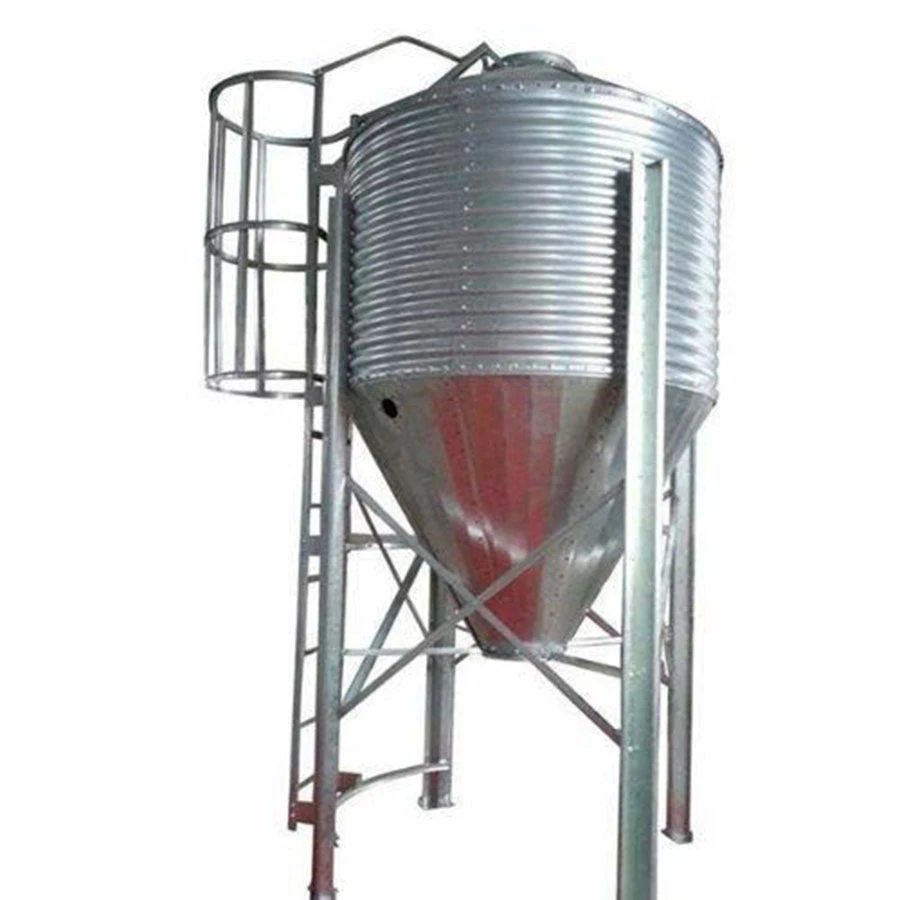
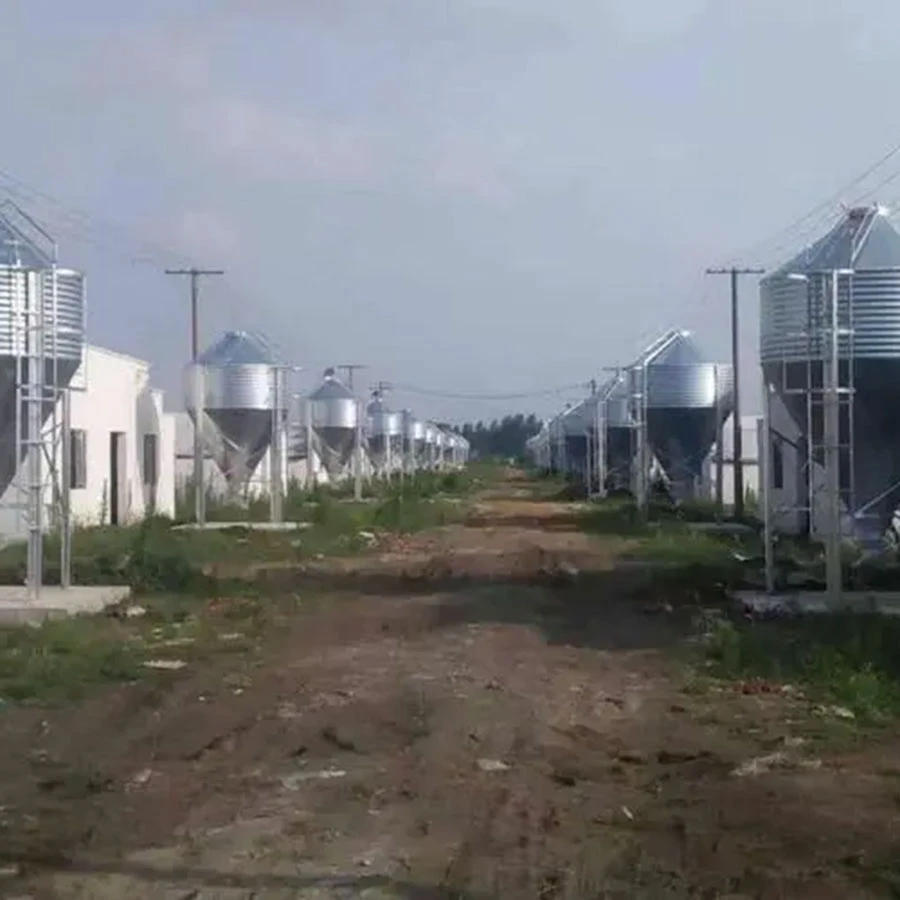
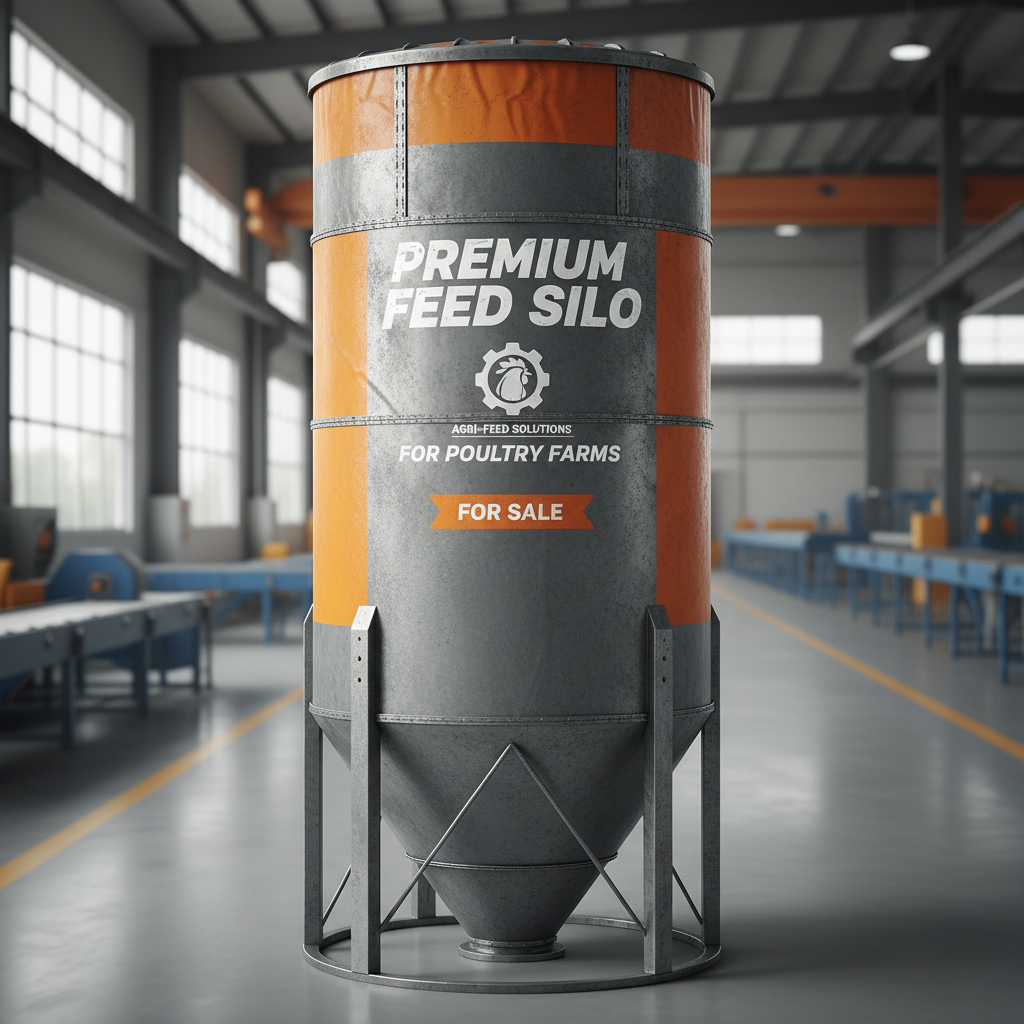
Several types of feed silos cater to different farm sizes and needs. Upright silos are tall, cylindrical structures typically made of concrete or steel. Horizontal silos (also known as bunkers) are long, low structures often used for storing large quantities of silage. Cone-bottom silos feature a conical base for easy unloading, while bag silos utilize large plastic bags for temporary storage. Choosing the right type depends on factors like feed type, storage capacity, and budget. CXL Livestock Equipment offers a diverse range of silos to suit your specific requirements.
Silo Type Overview:
• Upright Silos: Tall, cylindrical, concrete or steel
• Horizontal Silos: Long, low structures for silage
• Cone-Bottom Silos: Conical base for easy unloading
• Bag Silos: Large plastic bags for temporary storage
Feed Silo for Sale: Comparing Materials & Costs
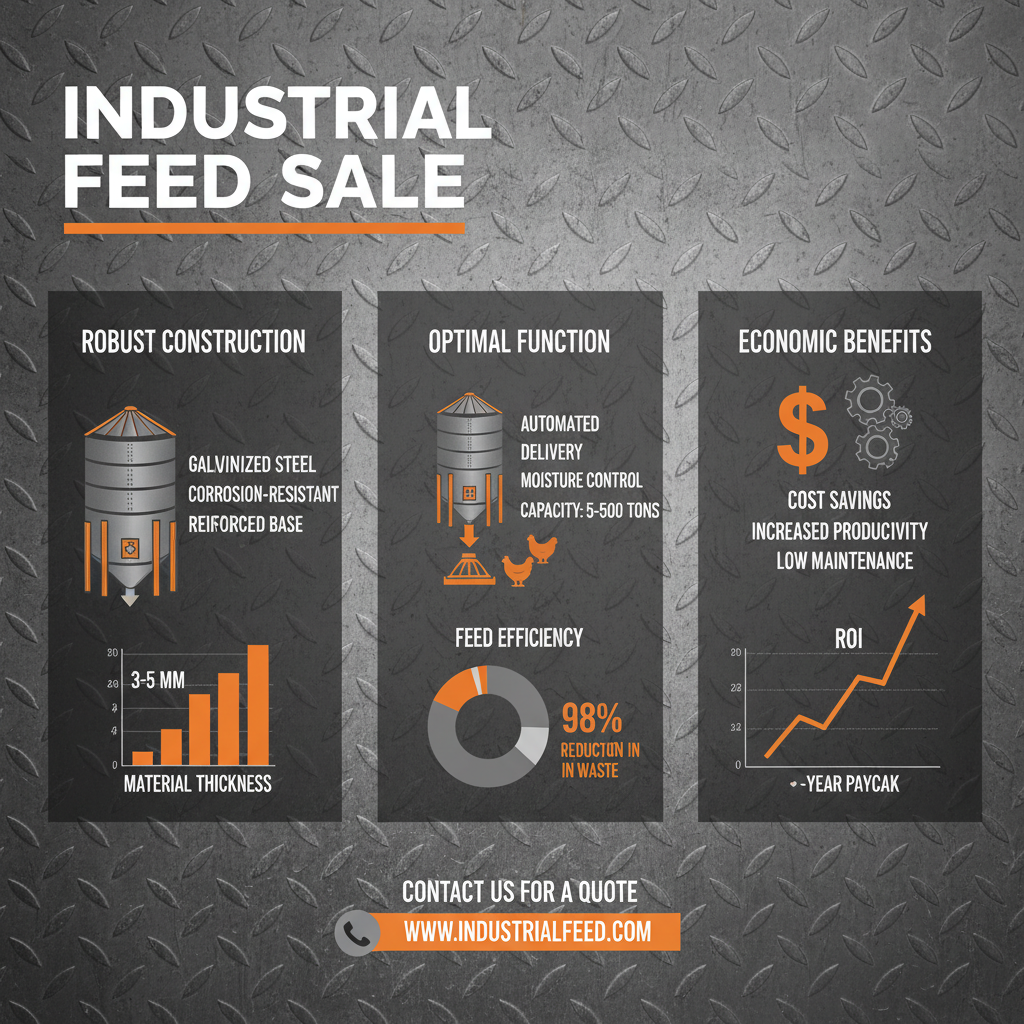
Feed silos are constructed from various materials, each with its own advantages and drawbacks. Steel silos are known for their durability and strength, but can be prone to corrosion. Concrete silos offer excellent longevity and temperature control but require significant upfront investment. Poly silos (made from plastic) are lightweight, affordable, and resistant to corrosion. The cost of a feed silo for sale varies depending on size, material, and features. Choosing the right material is crucial for ensuring long-term performance and value.
Why Choose CXL Livestock Equipment for Your Feed Silo Needs?
At CXL Livestock Equipment, we understand the importance of reliable feed storage. We offer a wide selection of high-quality feed silos, backed by expert advice and exceptional customer service. Our team can help you choose the perfect silo to meet your specific needs and budget. We also provide installation and maintenance services to ensure your silo operates efficiently for years to come. We are committed to providing farmers with the best possible solutions for their livestock operations.
Factors to Consider When Buying a Feed Silo
Before purchasing a feed silo, consider several factors. First, assess your storage capacity needs based on the size of your livestock operation and feed consumption rates. Second, evaluate the type of feed you will be storing, as different feeds require different storage conditions. Third, consider the location of the silo and access for loading and unloading. Finally, factor in your budget and the long-term maintenance costs associated with different materials. CXL Livestock Equipment can guide you through this process, ensuring you make an informed decision.
Conclusion: Secure Your Feed Supply with CXL Livestock Equipment
Investing in a feed silo is a smart investment for any livestock operation. It protects your feed, streamlines your feeding process, and reduces waste. At CXL Livestock Equipment, we offer a wide range of silos to meet your needs, along with expert advice and exceptional customer service. Contact us today to find the perfect solution for your farm!
Frequently Asked Questions (FAQs)
What size feed silo do I need?
Determining the right silo size depends on several factors, including the number of animals you feed, the type of feed, and your feeding frequency. A general rule of thumb is to calculate your daily feed consumption and multiply it by the number of days you want to store feed for. Consider potential growth in your herd as well. Our experts at CXL Livestock Equipment can help you accurately assess your needs and recommend the appropriate silo size for your operation. We offer sizing calculators and personalized consultations.
What is the lifespan of a poly feed silo?
Poly feed silos typically have a lifespan of 15-20 years with proper care and maintenance. The durability of the plastic material is resistant to corrosion and weathering. However, exposure to prolonged UV radiation and physical damage can reduce their lifespan. Regular inspection for cracks or punctures is recommended. CXL Livestock Equipment offers high-quality poly silos manufactured from UV-resistant materials to maximize their longevity.
Do you offer silo installation services?
Yes, CXL Livestock Equipment offers professional silo installation services. Our experienced technicians ensure proper setup and alignment for safe and efficient operation. We handle all aspects of the installation process, from site preparation to final inspection. Proper installation is crucial for maximizing the lifespan and performance of your silo.
What maintenance is required for a feed silo?
Regular maintenance is essential for prolonging the life of your feed silo. This includes periodic inspections for cracks, leaks, or corrosion. Steel silos require occasional painting or coating to prevent rust. Poly silos should be cleaned regularly to prevent the buildup of mold or algae. Ensure the unloading mechanisms are functioning properly and lubricated as needed. Following the manufacturer's recommendations for maintenance will help ensure your silo remains in optimal condition.
Post time: Mar . 19, 2026