Agricultural Bulk Feed Bins: A Comprehensive Guide
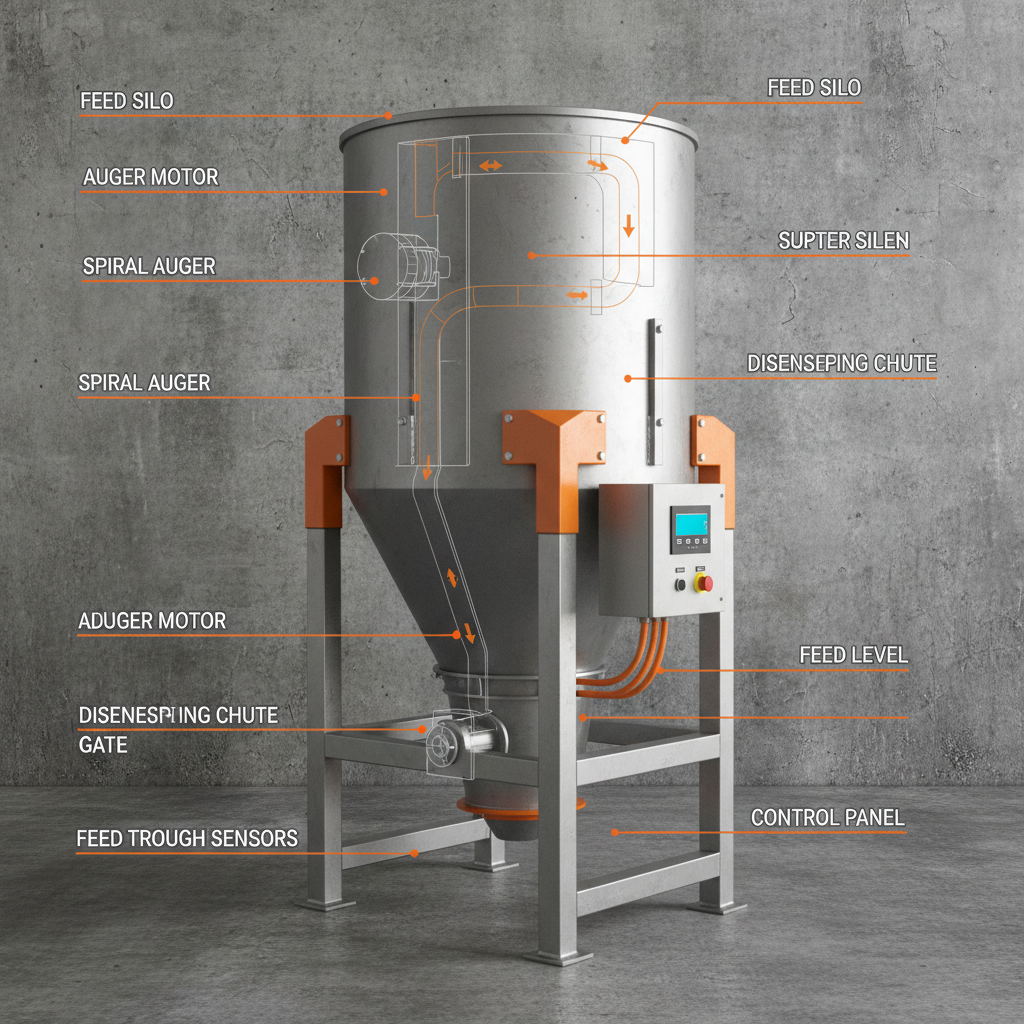
Efficiently storing and managing animal feed is crucial for any agricultural operation. Agricultural bulk feed bins provide a robust and cost-effective solution for storing large quantities of grain, feed supplements, and other essential livestock nourishment. This article will explore the benefits, types, considerations, and practical applications of these bins, helping you select the optimal storage solution for your farm or ranch. Choosing the right bin can minimize waste, protect feed quality, and streamline your operation.
Understanding the Benefits of Bulk Feed Storage
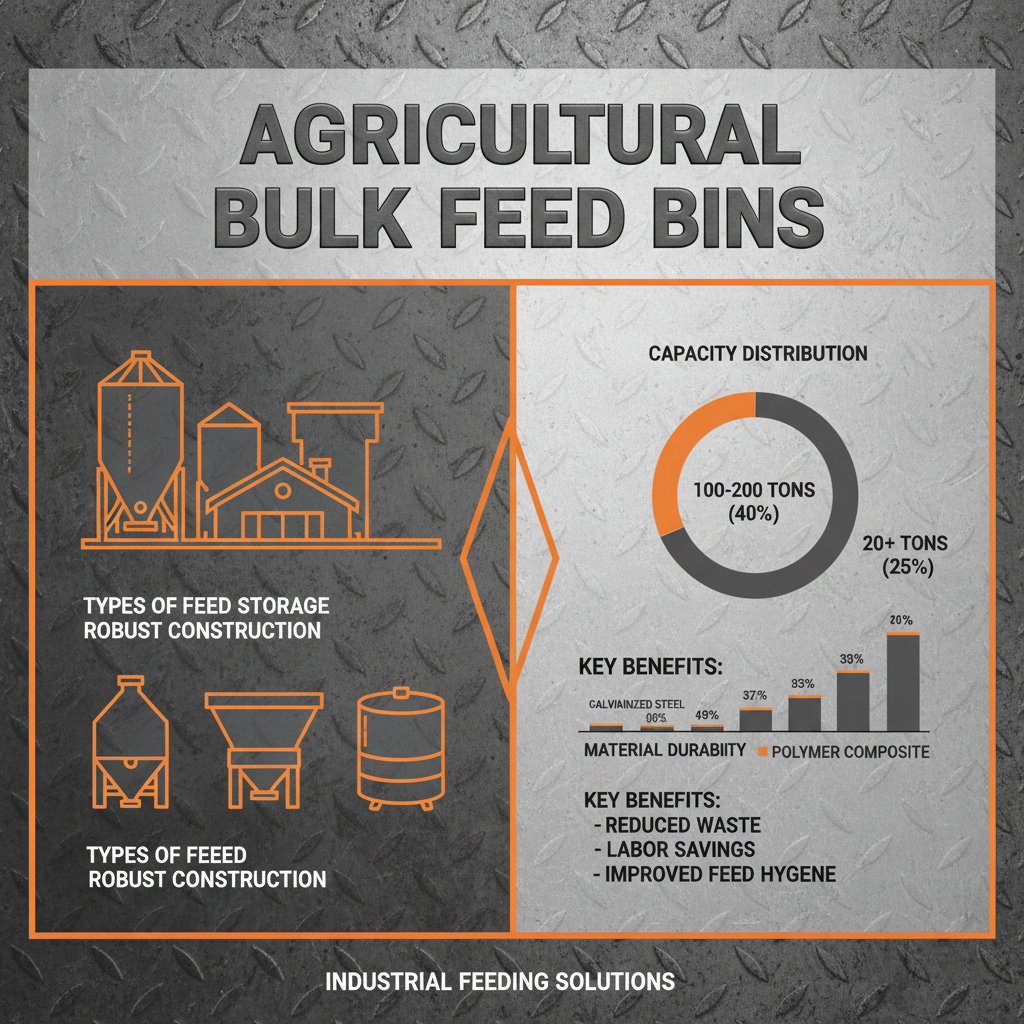
Investing in agricultural bulk feed bins offers numerous advantages. Firstly, it significantly reduces feed waste caused by exposure to the elements, pests, and spoilage. Bulk storage minimizes handling, reducing the risk of damage and loss. Moreover, it provides cost savings through the ability to purchase feed in larger, more economical quantities. Properly designed bins also contribute to improved feed hygiene, protecting animal health and maximizing nutritional value. Ultimately, these bins enhance operational efficiency and improve profitability.
Key Benefits: Reduced feed waste, cost savings through bulk purchasing, improved feed hygiene, enhanced operational efficiency, and protected feed quality.
Types of Agricultural Bulk Feed Bins
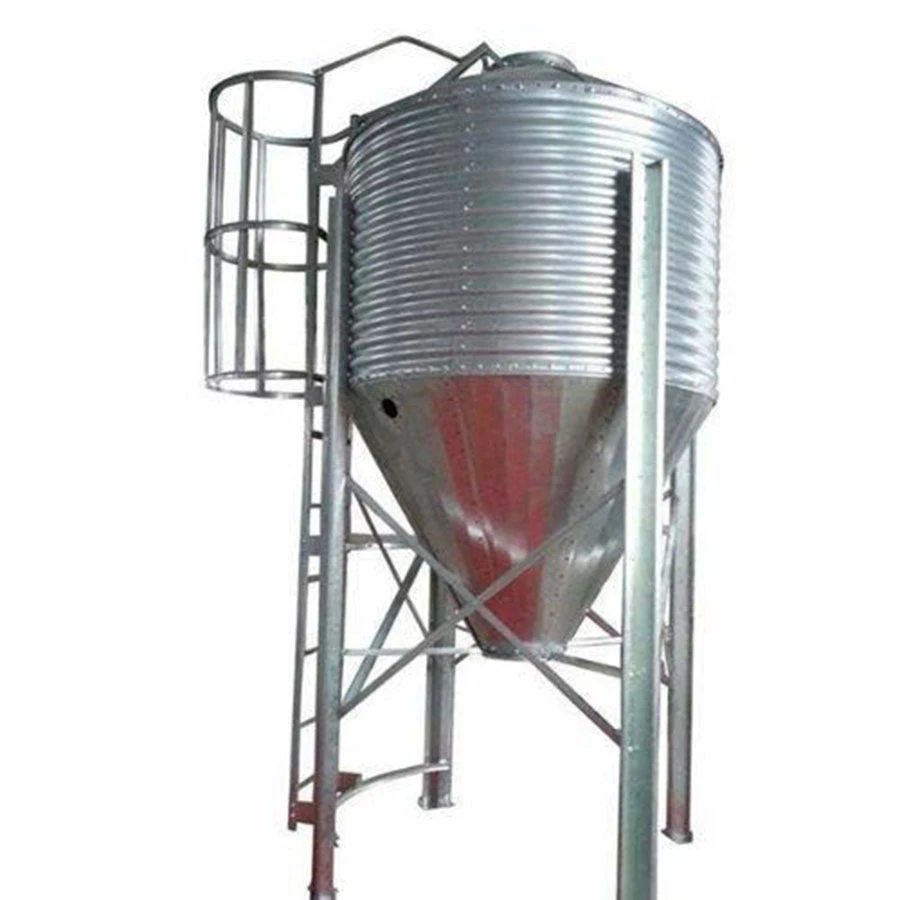
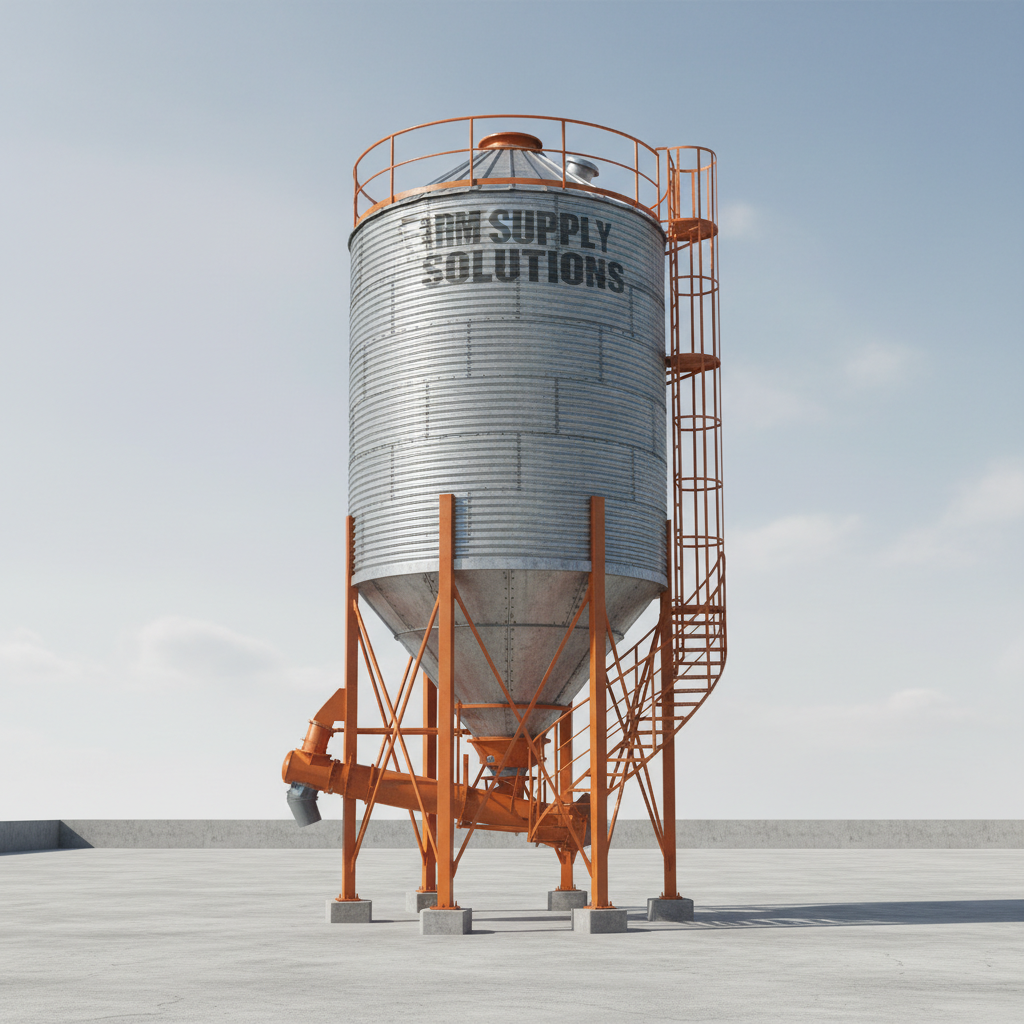
Several types of bulk feed bins cater to different farm sizes and needs. Corrugated steel bins are a popular choice, offering a balance of durability and affordability. Concrete silos provide excellent long-term storage but require a substantial initial investment. Flexible fabric bins (also known as 'grain bags') are a cost-effective temporary storage solution. Finally, hopper bins are designed for easy feed dispensing and are often used with automated feeding systems. The best choice depends on your specific requirements, budget, and long-term storage goals. CX Livestock offers a comprehensive range of bin solutions tailored to various agricultural applications.
Bin Type Overview:
• Corrugated Steel Bins: Durable, affordable, widely available.
• Concrete Silos: Long-lasting, excellent protection, high initial cost.
• Flexible Fabric Bins: Cost-effective, temporary storage, easy to move.
• Hopper Bins: Easy dispensing, ideal for automated feeding systems.
Key Considerations When Choosing Agricultural Bulk Feed Bins
Selecting the right agricultural bulk feed bins requires careful consideration of several factors. Capacity is paramount – accurately estimate your feed storage needs based on livestock numbers and consumption rates. Bin material and construction impact durability and longevity. Consider the bin's location and accessibility for loading and unloading. Also, factor in the presence of any potential pests or environmental hazards. Finally, evaluate the bin's features, such as ventilation, aeration, and unloading systems. Investing time in proper planning will ensure you choose a bin that meets your specific requirements and provides years of reliable service.
Maximizing Feed Quality with Proper Bin Management
Maintaining feed quality within your agricultural bulk feed bins is essential for animal health and productivity. Regular cleaning and sanitation are crucial to prevent mold growth and pest infestations. Proper ventilation and aeration help maintain consistent moisture levels. Implement a first-in, first-out (FIFO) inventory system to ensure older feed is used before newer supplies. Monitor feed temperature and moisture content regularly. These preventative measures will safeguard your investment and provide your livestock with the nutritious feed they need to thrive.
CX Livestock: Your Partner in Feed Storage Solutions
At CX Livestock, we understand the critical role efficient feed storage plays in successful agricultural operations. We offer a wide selection of high-quality agricultural bulk feed bins, customized to meet your specific needs. Our experienced team can assist you in selecting the right bin size, material, and features for your farm or ranch. We are committed to providing exceptional products and unparalleled customer service. Contact us today to discuss your feed storage requirements and discover how we can help you optimize your operation.
Conclusion: Investing in Reliable Feed Storage
Investing in reliable agricultural bulk feed bins from CX Livestock is a strategic move for any agricultural operation. It ensures feed quality, reduces waste, and improves operational efficiency. With our range of solutions and expert guidance, you can find the perfect storage system to meet your needs and contribute to the success of your farm or ranch.
Frequently Asked Questions (FAQs)
What is the typical lifespan of an agricultural bulk feed bin?
The lifespan of an agricultural bulk feed bin varies depending on the material and maintenance. Steel bins, with proper maintenance, can last 20-30 years or more. Concrete silos are even more durable, potentially lasting 50 years or longer. Fabric bins have a shorter lifespan, typically 5-10 years, due to UV degradation and wear and tear. Regular inspections, cleaning, and repairs are essential for maximizing the lifespan of any bin. Choosing a high-quality bin from a reputable supplier like CX Livestock ensures durability and longevity.
How do I prevent condensation inside my feed bin?
Condensation can lead to mold growth and spoilage. Proper ventilation is key to preventing condensation. Ensure your bin has adequate vents, especially in humid climates. Consider using a fan to circulate air inside the bin. Avoid overfilling the bin, as this restricts airflow. Regularly monitor the moisture content of the feed and consider adding a drying agent if necessary. Investing in bins with built-in ventilation systems, available at CX Livestock, can significantly reduce condensation problems.
What size feed bin do I need for 100 head of cattle?
The required bin size depends on the cattle's age, breed, and feed consumption rate. As a general guideline, a 100-head cattle operation might require a bin with a capacity of 50-100 tons. Calves require less feed than mature cattle. It's best to calculate daily feed consumption per head and then multiply by the number of days you want to store feed for. Contacting a feed storage specialist at CX Livestock can provide a precise recommendation based on your specific needs.
Are there financing options available for purchasing bulk feed bins?
Yes, CX Livestock offers various financing options to help make purchasing bulk feed bins more accessible. We work with several financial institutions to provide competitive rates and flexible payment plans. Contact our sales team to discuss your financing needs and determine the best option for your budget.
Post time: Mar . 24, 2026